A Deadly Synthetic Opioid Is Poisoning the Drug Supply. It’s Not Fentanyl
Even worse, opioid overdoses from many new synthetic opioids cannot be reversed by the overdose treatment drug Narcan.
Naida Rutherford, the coroner in Richland County, South Carolina was stumped. She was investigating an overdose death that had all the hallmarks of fentanyl poisoning, “like the foam coming from the mouth and nose, as if they had an overdose,” minus the fentanyl. “Their blood tested negative for any substance, which was very odd,” Rutherford said. When standard toxicology tests failed, they kept digging and finally discovered cychlorphine, a new, highly potent synthetic drug spreading rapidly throughout the nation’s street supply. “This is the first time we’ve seen it in South Carolina, which is very scary because none of us knew to test for it,” she told NPR.
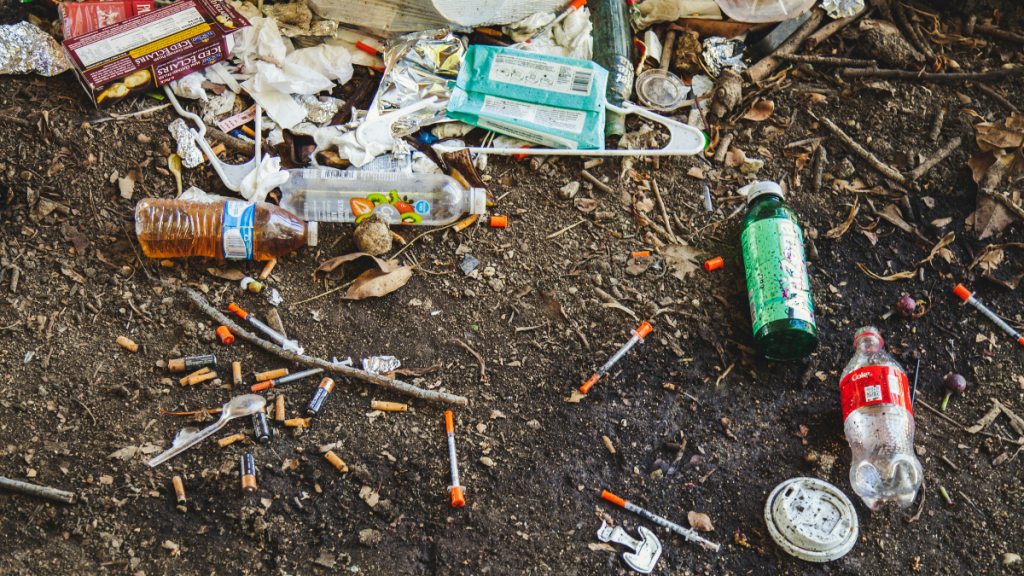
Experts describe today’s drug market as a “synthetic soup.” In the past, dealers distributed drugs derived from plants, like heroin and cocaine. Today’s street supply is increasingly adulterated with a range of chemicals such as a stabilizer used to protect plastics from ultraviolet rays.
“Once a month or every other month, we’re encountering something that we’ve never seen before, and we don’t have indications of it being seen in the United States before,” said research chemist Ed Sisco. The mixtures change so frequently in both substance and potency that street drug users have no way to know what they’re consuming – leaving them wholly unprotected from toxic batches that can cause intense sickness or death.
Worse yet, the cocktails don’t always respond to Narcan (naloxone), which is used to reverse opioid overdoses. Medetomidine, a veterinary sedative that came to prominence after wreaking horrors throughout Philadelphia’s drug supply, has also become more widespread. Medetomidine overdoses and withdrawal symptoms are also notoriously difficult to treat.
“The problem with medetomidine is that the withdrawal from it is life-threatening if you quit cold-turkey,” said Nabarun Dasgupta, a researcher examining street drugs and overdose patterns at the University of North Carolina. “That is not the case with fentanyl or xylazine,” another synthetic opioid, said Dasgupta
Still, there’s hope. While the drug supply is more deadly than ever, overdose deaths are dropping. The Centers for Disease Control and Prevention reported 71,542 deaths in a 12-month period ending October 2025 — a significant decline from the 113,000 recorded by the CDC in August 2023. “This is unprecedented and historic, for the longest consecutive months of decline,” said Lori Ann Post, a researcher at Northwestern University. “That is awesome.”
Experts credit several factors for the decline, including wider access to addiction treatment, increased availability of naloxone, and less potent fentanyl circulating in some areas. Notably, Post says that opioid-related deaths have dropped enough that stimulant drugs like cocaine and methamphetamine now account for more fatalities. Dasgupta also pointed to another remarkable and promising stat for younger adults: “No one in Maine under age 25 has died (from a drug overdose) in nearly 12 months. Zero is a meaningful number,” he said.
While promising, experts urge extreme caution for people still struggling with substance use. Overdose deaths still happen because chemicals in the drug supply are increasingly dangerous. For his part, Dasgupta hopes that growing awareness of the dangers of adulterated fentanyl will halt people from continued use altogether.
The name “MindSite News” is used with the express permission of Mindsight Institute, an educational organization offering online learning and in-person workshops in the field of mental health and wellbeing. MindSite News and Mindsight Institute are separate, unaffiliated entities that are aligned in making science accessible and promoting mental health globally.

Author

Related Articles

Are We Reaching People in Crisis — or Just Counting the Ones Who Call?
Billions were spent on the 988 lifeline, but fewer than 1 in 5 people in crisis use it. Here is what research reveals about the gap in mental health care.

You Cannot Make Football Safe for a Child’s Brain, but You Can Make It Safer
Football cannot be made completely safe for a child’s brain, but smart choices can lower the risk. Discover how flag leagues and reduced contact protect youth.

Discharged to Die: Doctors and Hospitals Across the U.S. Fail to Treat Patients With Addiction
An investigation into hospitals turning away patients with severe addiction, and the stigma inside U.S. medicine that leaves most people untreated.