How Connecticut Is Closing the Gap in Postpartum Mental Health Care
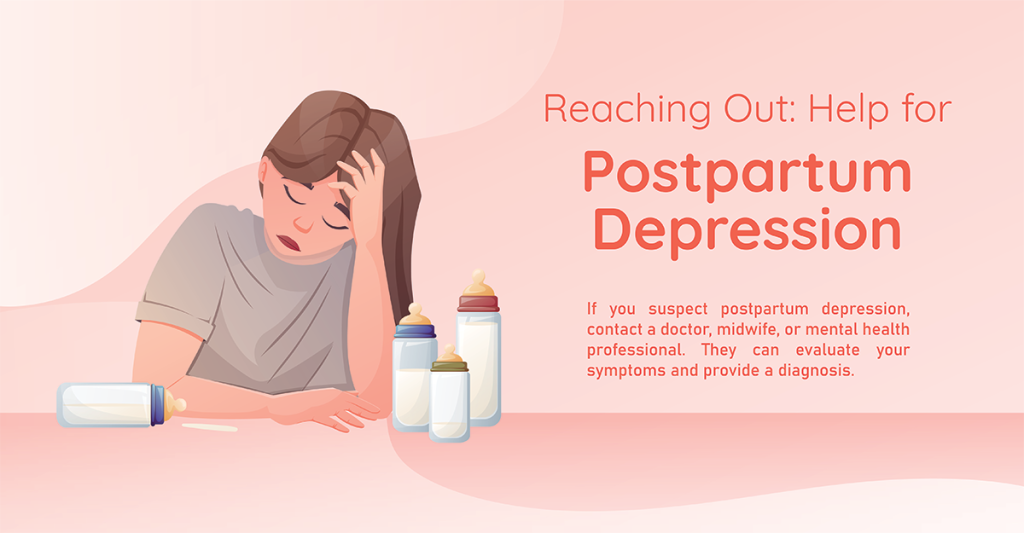
Not long after Emily Fields gave birth to her daughter Emma, she found herself unable to sleep, eat or even be near her own child. Not knowing what was happening or what to do, she called her own mom for support. “I was just anxious,” Fields told Connecticut Public Radio. “The water’s up to here; I was just treading the water.” Things got worse for the married middle school teacher before they got better. Pretty soon, she found herself feeling unable to return to the classroom. What Fields was experiencing was postpartum depression, a serious but common complication following birth.
According to the Centers for Disease Control, about 1 in 8 experience the condition after giving birth, with symptoms ranging from sadness and anxiety to guilt, emptiness and suicidal ideation. Left untreated, postpartum depression poses serious risks to both mother and child, including death. Still, getting treatment can be its own struggle. Fields, a Norwalk resident, lives in one of Connecticut’s 50 federally-designated Health Professional Shortage Areas, where securing quality, relevant mental health care is an uphill battle.
In response to that shortage in maternal mental health, Connecticut has taken an innovative approach. Rather than try to conjure more providers, the state funds a hotline that puts specialized postpartum psychiatric expertise directly in the hands of the doctors mothers already see — OB-GYNs, primary care physicians and pediatricians. Established in 2023, ACCESS Mental Health and Substance Use for Moms is staffed in real time by reproductive psychiatrists from the Yale School of Medicine, and is free for both doctors and patients. The number of mothers served by the service has ballooned in two years from 67 in 2023 to 368 in 2025.
It became a lifeline for Fields. After multiple antidepressants failed to bring relief, she reached a crisis point, asking her husband to drive her to the emergency room at Stamford Hospital. There, geriatric psychiatrist Marco Christian Michael called the ACCESS hotline with Fields’ consent and connected her in real time to a reproductive psychiatrist specializing in postpartum depression. Together, the two doctors found a medication that finally worked. Better still, ACCESS connected Fields to outpatient therapy that accepted her insurance within days.
“Rather than a mom or provider calling down a static list — which can be time-consuming and often unsuccessful — our resource and referral team does that outreach in real time, confirming availability and narrowing options to those that are actually viable at that moment,” said Elizabeth Garrigan, an assistant vice president at Carelon Behavioral Health. Connecticut state government contracted the company, which boasts more than 150,000 providers across the U.S., to staff the hotline with resource specialists and capture usage data. “In short, it’s less about increasing supply and more about navigating the existing system efficiently,” Garrigan said.
The program also works to address the socioeconomic disparities that shape maternal mental health. ACCESS offers moms extra support when they need it for all sorts of issues, including navigating insurance, accessing a diaper bank or securing food and housing. One doctor described the partnership as a two-way street, sharing that it helped him identify community services of which he’d been previously unaware.
The focus on social factors matters: one study found that women with low socioeconomic status were 11 times more likely to be clinically depressed after giving birth, while another found that new mothers in disadvantaged neighborhoods faced higher risk. The disparities extend to survival itself. In 2024, Black women are three times more likely than white women to die from pregnancy complications, according to the CDC. The ACCESS organizers want to close these harmful gaps.
For Fields, the help that ACCESS provided was transformative. The combination of medication and therapy did more than improve her mood – it sparked her back to life. Once unable to be around children, including her own, Fields is once again at the front of a classroom, and totally in love with her adorable baby girl.
The name “MindSite News” is used with the express permission of Mindsight Institute, an educational organization offering online learning and in-person workshops in the field of mental health and wellbeing. MindSite News and Mindsight Institute are separate, unaffiliated entities that are aligned in making science accessible and promoting mental health globally.

Author

Related Articles

Recovery Homes Work, but Georgia Cities Want to Keep Zoning Them Out
Recovery residences help Georgians beat addiction, but neighbors and zoning laws across Georgia are pushing sober living homes out.

Despite Warnings, the Navy Refused to Investigate the Connection Between Flying Fighter Jets and Brain Injuries to Pilots
A House Oversight report finds the Navy ignored years of warnings about brain injuries in fighter pilots, despite deaths and low-cost fixes.

Punished for Parenting
A Virginia mother’s conviction has reignited a national debate on free range parenting laws.