The Quiet Trap of Using Cannabis to Sleep
Millions rely on cannabis as a nightly sleep aid, but a neurologist warns the relief is deceptive. THC helps people fall asleep faster while delivering less restorative rest, and quitting can trigger withdrawal that mimics the original problem. Here’s what actually works for insomnia instead.
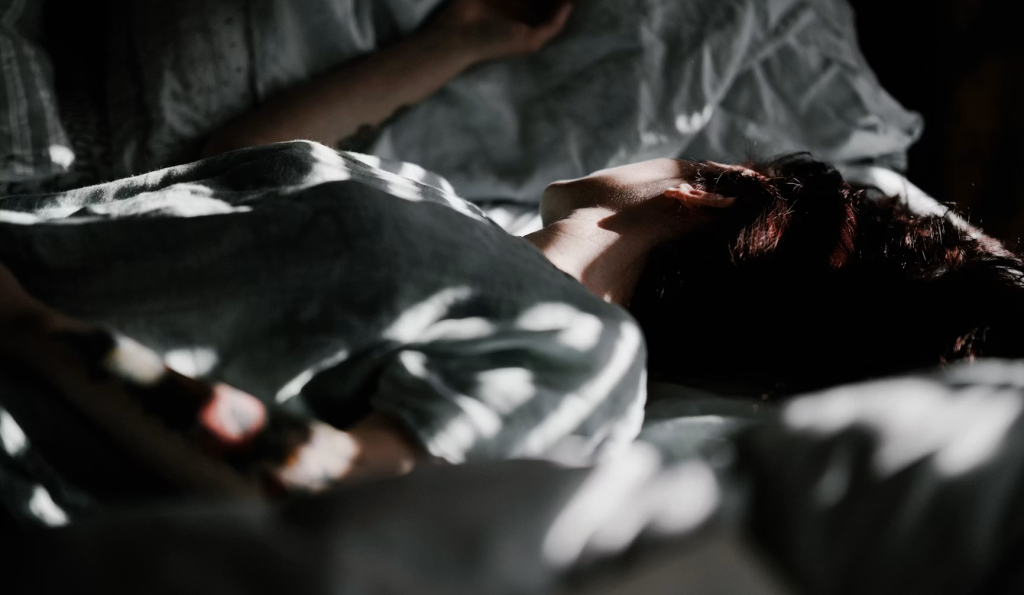
Cannabis has quietly become a default sleep aid for millions in recent years. But as sleep and brain performance neurologist Joanna Fong-Isariyawongse warns in The Conversation, what feels like relief may actually be a slow-moving trap.
The challenge is that tetrahydrocannabinol, the psychoactive ingredient in cannabis, does help people fall asleep faster — but it becomes less effective with regular use, so people need more to get the same result. In addition, falling asleep faster isn’t synonymous with sleeping well. Research has found that cannabis doesn’t consistently improve total sleep time or the restfulness of that sleep. Chronic users spend more time awake during the night and get less restorative sleep than non-users, even when they believe they’re sleeping better.
The real difficulty surfaces when chronic users try to stop. Withdrawal can bring back insomnia and disturbing dreams, alongside anxiety, depressed mood, irritability or appetite loss that can persist for weeks — luring users right back to cannabis without addressing what caused their sleep problems in the first place.
Fong-Isariyawongse is especially concerned about two groups: teens and military veterans with post-traumatic stress disorder. Brains are still under construction until our mid-20s, she explains, and regular cannabis use can interfere with healthy brain development. A 2021 imaging study of nearly 800 teenagers linked cannabis use to dose-dependent thinning of the prefrontal cortex, the region of the brain that governs judgment, decision-making and impulse control.
Moreover, veterans with PTSD who experience sleep disturbances at rates of 70% to 90% often turn to cannabis as a stop-gap while facing months-long waitlists for professional care with a Veteran’s Affairs medical center. The trouble comes when care finally becomes available and some abruptly stop using cannabis, only to face withdrawal symptoms that closely mirror PTSD itself, including rebound insomnia, nightmares, worsening depression and in some cases suicidal thoughts. Mistaking withdrawal for relapse, many quickly return to cannabis and the cycle continues.
So what can people struggling with insomnia do instead? Fong-Isariyawongse’s primary recommendation is cognitive behavioral therapy for insomnia, or CBT-I. It’s research-backed and works by modifying sleep habits — resetting sleep-wake timing, lowering the body’s physical arousal and gently challenging anxious beliefs about sleeplessness. Veterans are often guided through image rehearsal therapy as part of CBT-I, rewriting the ending of a recurring nightmare and consciously replaying the new, peaceful version while awake. CBT-I is highly effective, more so than any sleep medication, including cannabis. But only trained providers can offer it, and with so few available many people who would benefit never get the opportunity.
In the meantime, experts say that a few smaller steps can help, including cutting back on screens before bed, getting checked for physical sleep disruptors like sleep apnea or GERD, building a calming wind-down ritual, reserving the bedroom for sleep or sex only, exercising in the late afternoon and skipping caffeine, alcohol and nicotine before bed.
The name “MindSite News” is used with the express permission of Mindsight Institute, an educational organization offering online learning and in-person workshops in the field of mental health and wellbeing. MindSite News and Mindsight Institute are separate, unaffiliated entities that are aligned in making science accessible and promoting mental health globally.

Author

Related Articles
MindSite News Welcomes Jariel Arvin as Our New Reporting Fellow
A Boston transplant – by way of Vietnam – sprouts local roots to help MindSite News deepen its Bay Area connections.

The Return of Prison Journalism
A look at the American Penal Press Contest, a reboot in its second year.
Meet Chicago’s First Street Psychiatrist
Sam Jackson was once a student of James Withers. This week, the pioneer of Street Medicine watched Jackson take over Chicago’s Street Psychiatry pilot program.