
Profit-Driven Dementia Care Leads to Violence and Even Death
Violence between residents is a frequent occurrence in dementia and memory care facilities, sometimes resulting in death.
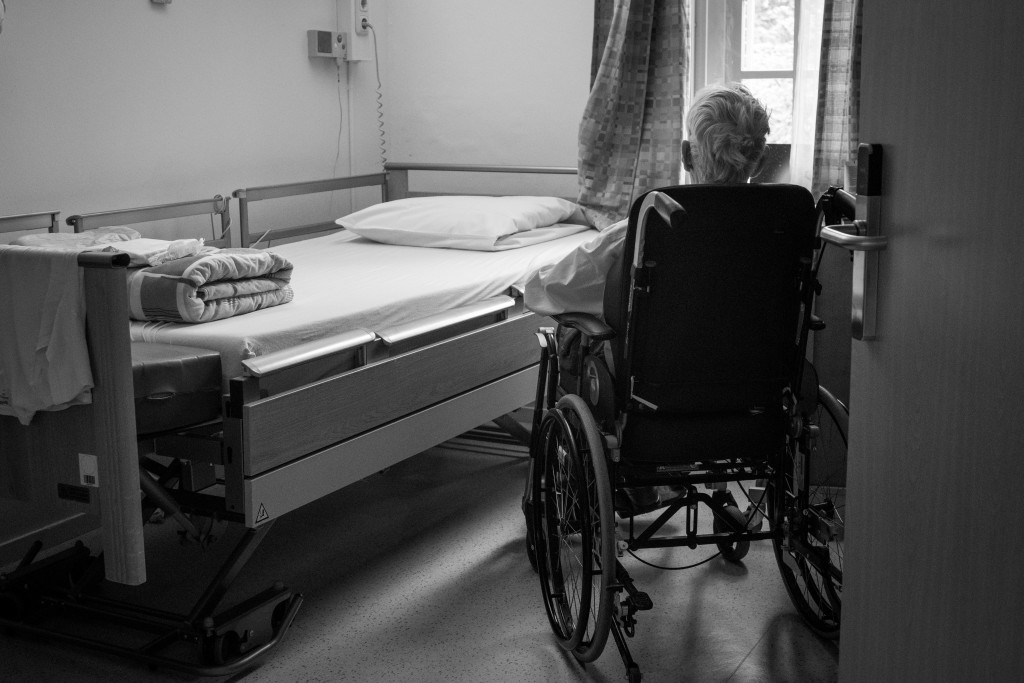
Violence between residents is a frequent occurrence in dementia and memory care facilities, sometimes resulting in death, according to a KFF Health News investigation drawing on an in-depth study of 14 assisted living facilities and 10 nursing homes in New York state led by Cornell University researchers. The nationwide scope is unknown, but the New York analysis found an estimated 1 in 7 assisted living residents experienced assault — verbal, physical, or sexual — within a month, compared to 1 in 5 in nursing homes. Perpetrators, like those they harm, usually have dementia too.
While verbal clashes were the most frequent type of conflict the Cornell researchers documented, physical assaults reached an estimated 4% of assisted living residents and 5% of nursing home residents each month. A separate Cornell study found Connecticut police were summoned to nursing homes for resident-on-resident clashes more often than for staff abuse, theft, and unsupervised wandering combined, while a national analysis of CDC survey data put the share of assisted living residents involved in physical aggression or abuse toward residents or staff at nearly 8%.
In one case, Attilio Cecchetto, 92, died after his roommate at a California nursing home, agitated by noise, punched him in the face. In another, Gladys Lynch, 96, died after a fellow memory-care resident pushed her, causing her to fall and fracture her skull, despite multiple warnings from staff over weeks that, without additional support and a change in medication, the woman would hurt someone. Neither death was an isolated event. Since 2024, the federal Centers for Medicare & Medicaid Services has cited nursing homes more than 700 times for failing to protect patients from resident-on-resident abuse.
People with dementia are most often the aggressors, an unfortunate symptom of the disease itself. As Alzheimer’s and related conditions damage brain circuits governing impulse control and threat perception, residents lose the ability to interpret their surroundings or put distress into words. Pain, infection, medication side effects, and fear can all surface as shouting, grabbing, or hitting instead. The environments themselves often make things worse: care facilities can be disorienting and frightening for dementia patients, with unfamiliar aides coming and going in close quarters amid constant noise. Still, experts say most altercations are preceded by identifiable warning signs, sometimes for months, that go unaddressed.
What would help is well known: Individualized care plans, staff training to recognize triggers, closer supervision or relocation of high-risk residents, more thoughtful roommate assignments, and structured activities that reduce agitation. Antipsychotic medications, though commonly prescribed, carry other risks, including falls and death. Dedicated one-on-one supervision would help even more, but it’s costly, and many facilities lack the staff to sustain it. Worse yet, aides are often “woefully undertrained” in basic dementia care, according to Camille Russell, Kansas’ former long-term care ombudsman, a gap she tied to facilities prioritizing profit over patient care.
The name “MindSite News” is used with the express permission of Mindsight Institute, an educational organization offering online learning and in-person workshops in the field of mental health and wellbeing. MindSite News and Mindsight Institute are separate, unaffiliated entities that are aligned in making science accessible and promoting mental health globally.

Author

Related Articles

Dads’ Paid Parental Leave Is Good for Families
A look at how the whole family benefits when dads receive paid parental leave.

A Pediatrician’s Warning: Chatbots are Grooming Kids
A majority of teens now talk with chatbots on platforms like ChatGPT, and around 9% of teens use Character.AI.