
When Protecting Kids Becomes Its Own Kind of Harm
Helicopter parenting and inflated stranger-danger panic have converged to leave both parents and kids feeling more stressed.
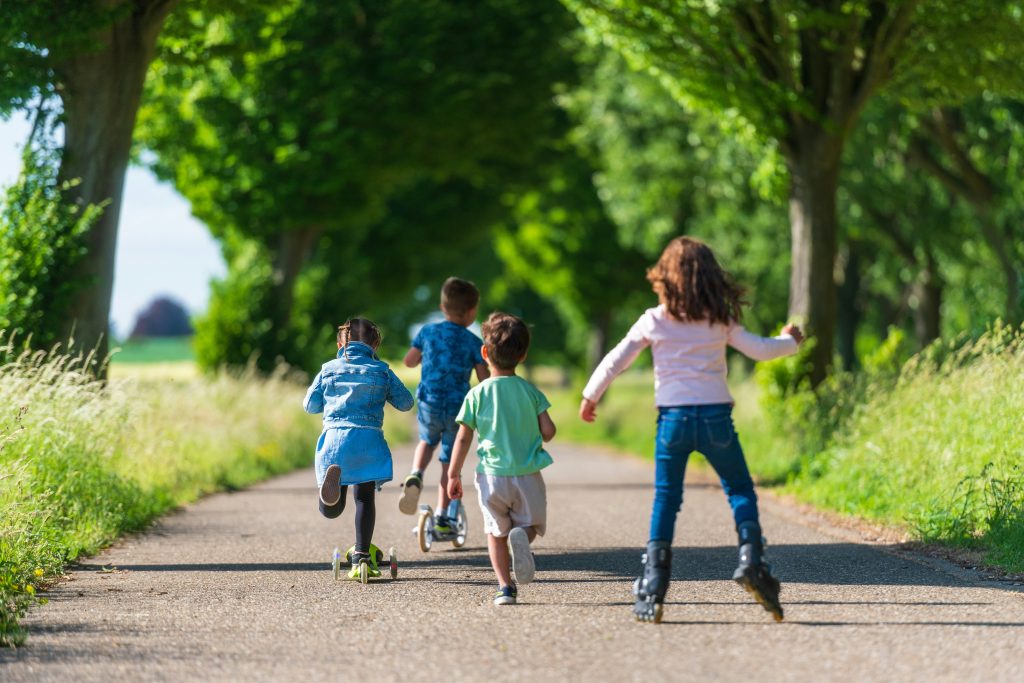
After their 6-year-old’s scooter ride to a nearby playground triggered a child neglect investigation, Atlanta parents Mallerie Shirley and Christopher Pleasants kept their son indoors for weeks. They were afraid of being arrested. “His mental health really struggled,” Shirley told the New York Times. The family was eventually cleared of wrongdoing, and they learned that Georgia had recently narrowed its neglect definition to protect kids’ right to independent play. But the episode captures a growing tension between childhood autonomy and the climate of fear that governs modern parenting. That worry, researchers say, carries a psychological cost.
Helicopter parenting and inflated stranger-danger panic have converged to leave both parents and kids more stressed and depressed — casualties of overprotection. According to a recent Harris Poll, 62% of children aged 8 to 12 have never walked or biked somewhere without an adult. That pattern spells bad news for their adult futures. Without allowing them appropriate time to err and problem-solve independently, we risk building perpetually dependent children.
“There is no way for a child to feel capable and competent without being given space to make survivable mistakes,” developmental psychologist and co-founder of the Mount Sinai Parenting Center Aliza Pressman said. “You want the child to stretch and bend, but not break. That’s the premise of healthy child development.” Peter Gray, Boston College professor and author of the forthcoming book, “Restoring Childhood: How to Set Kids Free in the Age of Anxiety,” was even more pointed. “We’re not allowing children to learn that they’re both physically and psychologically tough. We assume they’re fragile and it becomes a self-fulfilling prophecy,” he said.
The Costs of Helicopter Parenting
Parents seem to know this reality and understand its costs, but have so far been slow to change their behavior. According to a 2023 survey from C.S. Mott’s Children’s Hospital in Ann Arbor, Michigan, 84% of parents with children aged 9 to 11 say unsupervised free time benefits kids, but only half would even allow their kid to find an item in the grocery store by themselves. Still, 13 states have loosened neglect laws in recent years to avoid situations like those Pleasants and Shirley experienced.
The Promoting Childhood Independence and Resilience Act, a bipartisan federal bill, was introduced in the House of Representatives in May, indicating a growing acknowledgment that attempting to shield children from every risk may leave its own scars.
The name “MindSite News” is used with the express permission of Mindsight Institute, an educational organization offering online learning and in-person workshops in the field of mental health and wellbeing. MindSite News and Mindsight Institute are separate, unaffiliated entities that are aligned in making science accessible and promoting mental health globally.


Author

Related Articles

Did Multiple USS Abraham Lincoln Sailors Try to Jump Overboard? Families and a Senator Press for Answers
Multiple sailors aboard the USS Abraham Lincoln have attempted to jump overboard in recent months, Military Times reports.

One in Six of Americans Takes an Antidepressant. Almost No Research Explains How to Stop Taking Them.
In a powerfully reported essay, the New York Times looked at an issue that has long plagued users trying to top antidepressants.
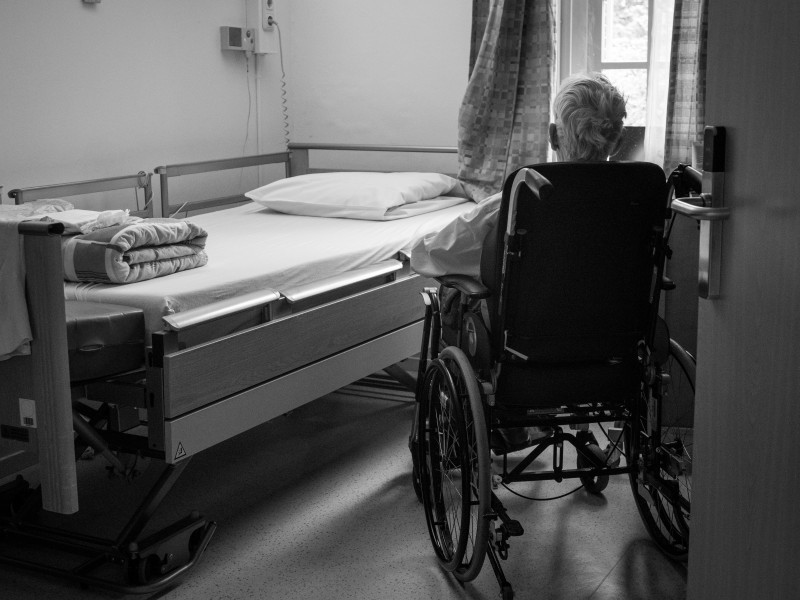
Profit-Driven Dementia Care Leads to Violence and Even Death
Violence between residents is a frequent occurrence in dementia and memory care facilities, sometimes resulting in death.