
A Woman Works to Rebuild Her Life After Taking the Lives of Others in a DUI
Grace Coleman is serving a life sentence for a DUI that killed two parents. Now she’s focused on rehabilitation, recovery, and making amends.
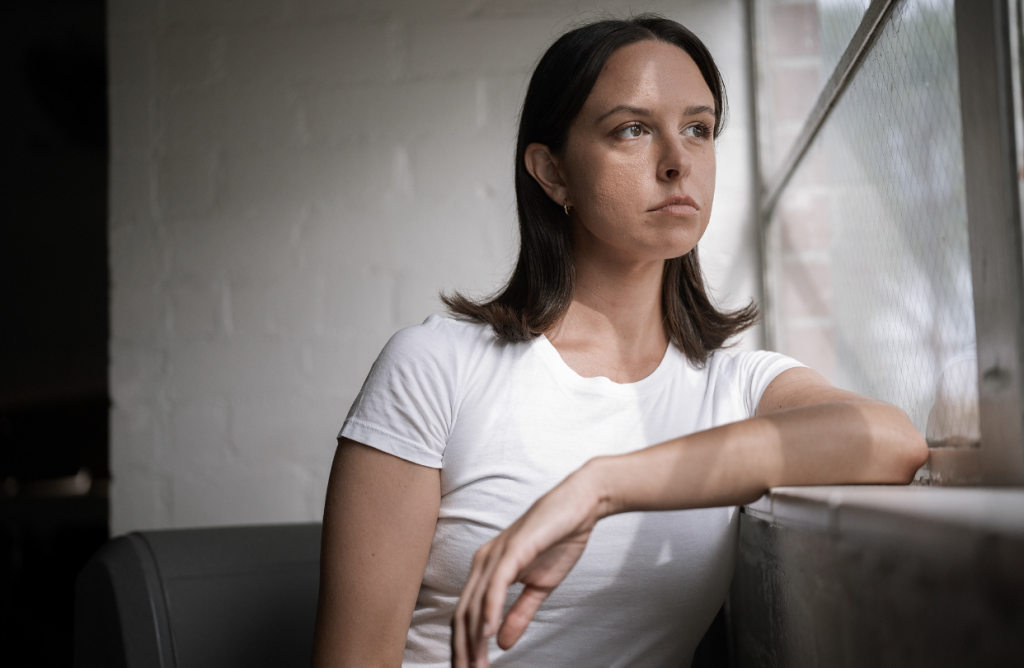
Grace Coleman woke up in a hospital bed, groggy, confused, in pain and sedated. Her left arm was in a sling. Her right arm was handcuffed to the bed. Something was very wrong, but she didn’t know just what.
A nurse knew only a few details about the fatal crash that left two parents dead and three young daughters as survivors. An officer sat silently as the nurse delivered the news – that she had been the driver that hit them.
“I didn’t know what happened, who I killed, how I even got into my car that night,” Coleman said. “Because the last thing I remembered, I was nowhere near my car — so I had a lot of questions.”
Today, Coleman is engaged in the process of trying to change herself – and make amends for her actions. But on Dec. 8, 2020, she was in a very different place.
That evening, Coleman’s boyfriend dropped her off at home in a blackout state after a day fueled by alcohol, drugs and their toxic relationship. Instead of entering her home in Newport Beach, California, she climbed into her Range Rover and drove off.
Minutes later, she crashed into a car carrying a family of five — killing Gabriela Andrade and Henry Saldana-Mejia.
DUI homicides leave survivors and communities looking for answers. They can also leave the offender struggling to reconcile what they did with who they are, as CalMatters reported in a recent story.
More than 1,300 alcohol-related driving deaths occur each year in California, though it is hard to say just how many people are prosecuted and convicted for causing the fatalities. Since Coleman learned of what she did that terrible night, she has been on “a path into recovery, rehabilitation and mental wellness,” according to CalMatters.
“It’s not even just as simple as, oh, I wake up in prison every day and that in itself is a reminder of the harm that I’ve caused,” she told reporter Joe Garcia. “It’s the way that I choose to live my life. It’s being in AA. It’s being a part of these DUI programs. Sharing my story in those spaces, that’s what keeps me sober.”
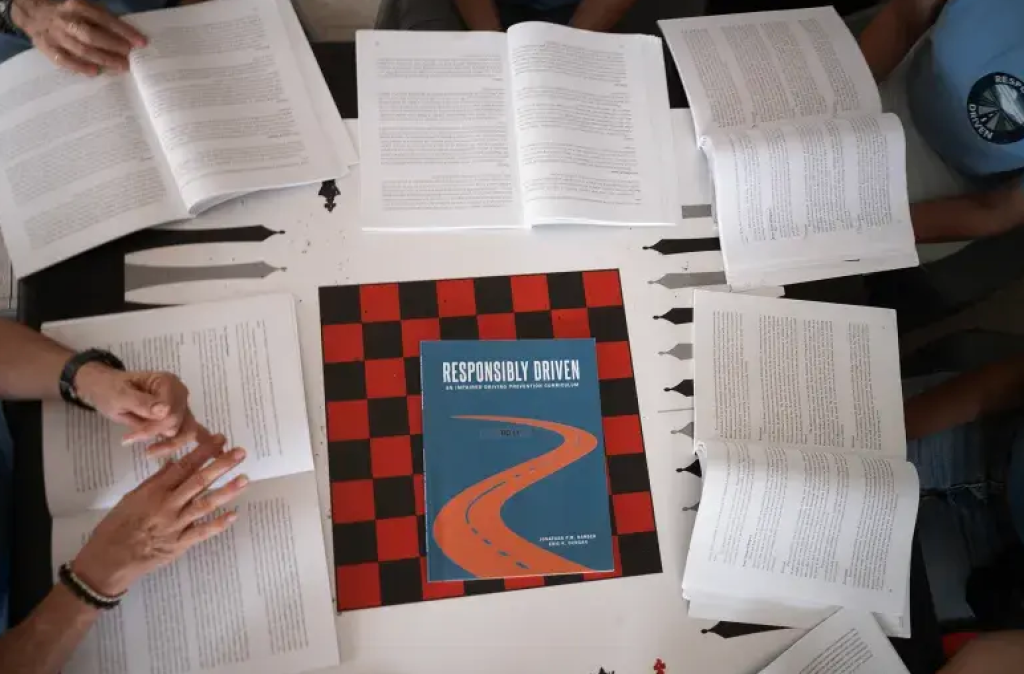
While awaiting trial in Orange County Jail, Coleman met with surviving relatives of the family — a rare opportunity for an offender, even rarer for someone who hasn’t been convicted. Coleman listened to their pain, felt anguish over their loss and tried hard to answer their questions through her tears.
Soon after that meeting, she pleaded guilty to two counts of murder and accepted a 21 years-to-life in prison sentence.
“For me, it definitely started with that day,” she said. “Any bit of denial that I was stuck in was gone. Any bit of selfishness that I still had — and caring about myself and what was going to happen to me — didn’t seem to matter as much anymore.”
To read the full story of her path to rehabilitation – and the surprising opinions of the attorney for the children whose parents she killed – click here.
The name “MindSite News” is used with the express permission of Mindsight Institute, an educational organization offering online learning and in-person workshops in the field of mental health and wellbeing. MindSite News and Mindsight Institute are separate, unaffiliated entities that are aligned in making science accessible and promoting mental health globally.


Author

Related Articles

Teen Depression Has Slightly Decreased, but the CDC’s Latest Report Is Deeply Flawed
The latest CDC teen depression statistics show notable drops in sadness and suicide risk, but critics warn key data was left out. Here’s what the report missed.

One Woman’s Mission to Help Middle School Girls Expand Their Emotional Literacy in Metro Chicago
Keana Shatteen is building emotional literacy for girls in Chicago, helping middle school students turn feelings into positive communication.

Suicide Is Hard to Predict. Access to Guns Is Not
Suicide is nearly impossible to predict, but gun access is not. Research shows red flag laws and firearm policy save more lives than risk assessment.