Discharged to Die: Doctors and Hospitals Across the U.S. Fail to Treat Patients With Addiction
An investigation into hospitals turning away patients with severe addiction, and the stigma inside U.S. medicine that leaves most people untreated.
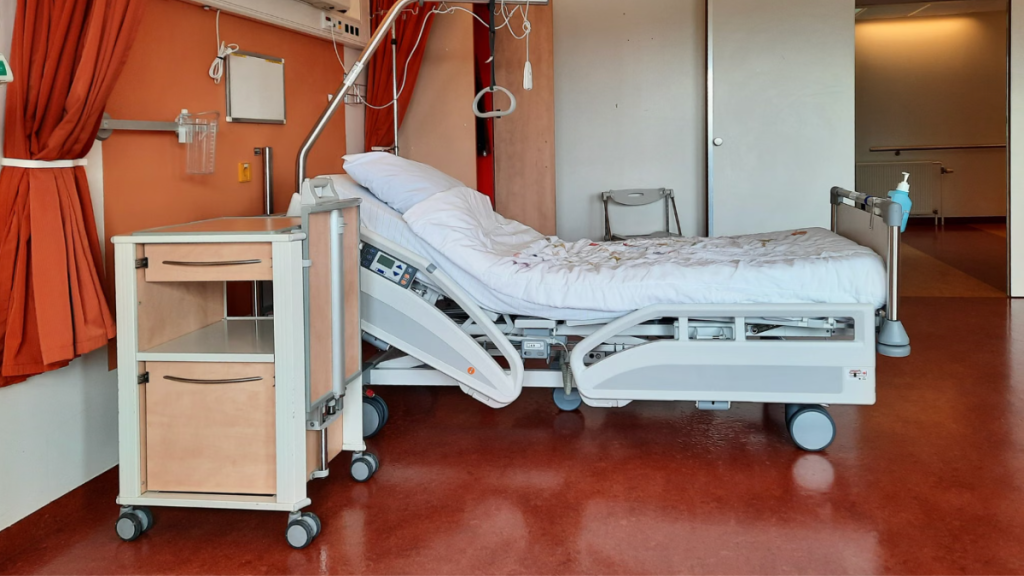
Despite the availability of safe, effective treatment for substance use disorders, clinicians and care providers often don’t offer help to many people who need care. In the most tragic cases, the failure to treat leads to death. An NPR investigation published last month determined that that was the result for Jean Descamps, a 26-year-old man who died one cold December night in 2023, shortly after emergency room staff at Providence Milwaukie Hospital in Milwaukie, Oregon requested that local police remove him from the emergency room. Much of the ordeal was captured on a police bodycam.
Having arrived earlier that day emaciated, covered in feces and unresponsive, ER staff cleaned him up and administered naloxone. They then decided he needed no further short-term medical care — though they had never run a toxicology test to measure the amount of drugs in his system.
Since Descamps continued to be unresponsive, police pushed back on the ER staff’s proposal, noting he was too sick to spend the night in jail. “He can’t be on his own,” one officer said. “Why is he being released? We have no place to take him.”
“He’s been evaluated medically. There’s no medical problems for him,” ER staff maintained in one of the conversations recorded on a bodycam. “A bus station is fine,” another hospital worker replied. Someone else told officers Descamps was faking the severity of his condition: “It’s not really a medical problem, it’s malingering.”
Officers eventually acquiesced to the hospital’s demand, rolling him into the parking lot and covering him with a blanket. Descamps died soon after.
In a public statement following Descamps’ death, the hospital acknowledged its failure. “In this case, we fell short of our goal of providing safe, reliable, compassionate care to our patient,” it said.
But an analysis of government data, along with interviews with more than a dozen doctors, scientists, federal officials and addiction activists revealed that what happened to Descamps is a common problem. People with serious addiction cycle through U.S. clinics and hospitals only to leave with little or no treatment. The outcomes are often devastating.
A follow-up investigation by the Oregon Health Authority completed in early 2024 found that the hospital was still discharging at-risk patients, including those with severe addiction, without proper protections and that “a similar event could occur” once again.
“I think we should be outraged every single time someone dies from any condition that has treatment available that someone isn’t getting,” said Dr. Judy Chertok, a physician who treats addiction patients and teaches medicine at the University of Pennsylvania. “We would not allow, as a society, people with heart attacks to come to a hospital and not get appropriate treatment. This is as serious as that.”
More than 40 million people live with addiction in the U.S. according to federal data released in July. Though drug overdose deaths have fallen in recent years, alcohol- and drug-use-related disorders still claim more than 250,000 lives annually. Recent history offers a grim projection: alcohol-related deaths have doubled in two decades, and nonfatal fentanyl overdoses keep climbing. Amid all that loss, the same data show that, in 2025, more than 80% of people who needed help got no medical treatment whatsoever for their addiction.
Effective treatments have existed for decades — methadone and buprenorphine among them — yet the legacy of the “War on Drugs” has led many clinicians to view addiction as a moral failing rather than a treatable illness. A 2020 study found only 1 in 5 American physicians “have interest in treating a patient with opioid use disorder.”
Dr. Bobby Mukkamala, who led the American Medical Association until June 2026, named the discomfort plainly: “There’s the emotional response from within that basically makes us say, ‘Yeah, but you know, it’s not something I’m comfortable with.’ That’s the stigma.”
Robert DeForde of the nonprofit Shatterproof, which surveys clinician attitudes and trains providers to treat addiction, was blunter still. “Forty-three percent of healthcare professionals believe medications for opioid use disorder substitute one drug for another. They don’t want these people around them…They don’t think that the drugs that we have that are FDA-approved medications are really going to actually help the patient. That is what I would say is a fatal flaw in our system.”
The name “MindSite News” is used with the express permission of Mindsight Institute, an educational organization offering online learning and in-person workshops in the field of mental health and wellbeing. MindSite News and Mindsight Institute are separate, unaffiliated entities that are aligned in making science accessible and promoting mental health globally.


Author

Related Articles
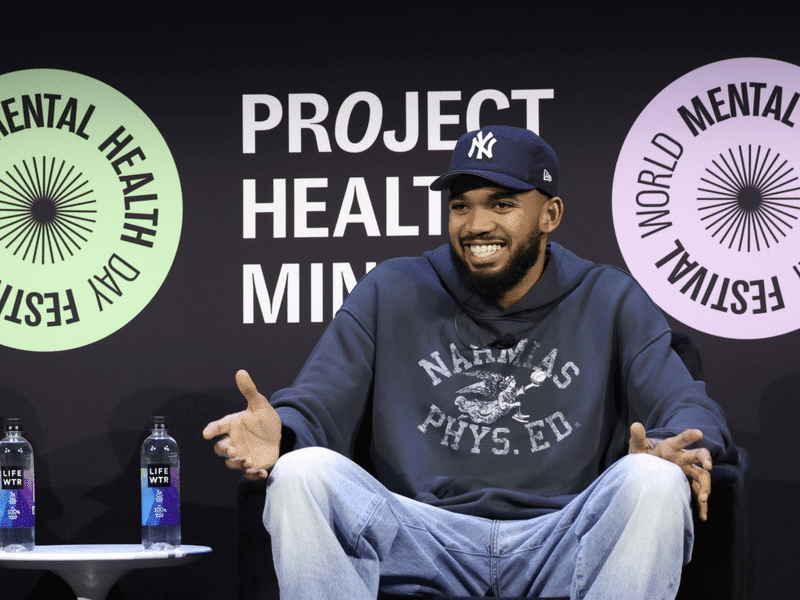
Superstar Athletes Open Up at Project Healthy Minds 5th Annual World Mental Health Day Festival
Bringing together athletes, entertainers, and mental health experts, the 5th Annual World Mental Health Day Festival featured candid conversations on identity, screen time, and emotional resilience.

The Salon Experience on Rikers Island That Some Hope Could Scale Across the Country
How the Beauty Beyond Bars salon brought renewed confidence and hope to three women preparing for release from Rikers Island.

Students Keep a Roof Over Each Other’s Heads
Aggie House provides transitional housing for UC Davis students facing housing insecurity, offering peer support and low-cost rent.