
Recovery Homes Work, but Georgia Cities Want to Keep Zoning Them Out
Recovery residences help Georgians beat addiction, but neighbors and zoning laws across Georgia are pushing sober living homes out.
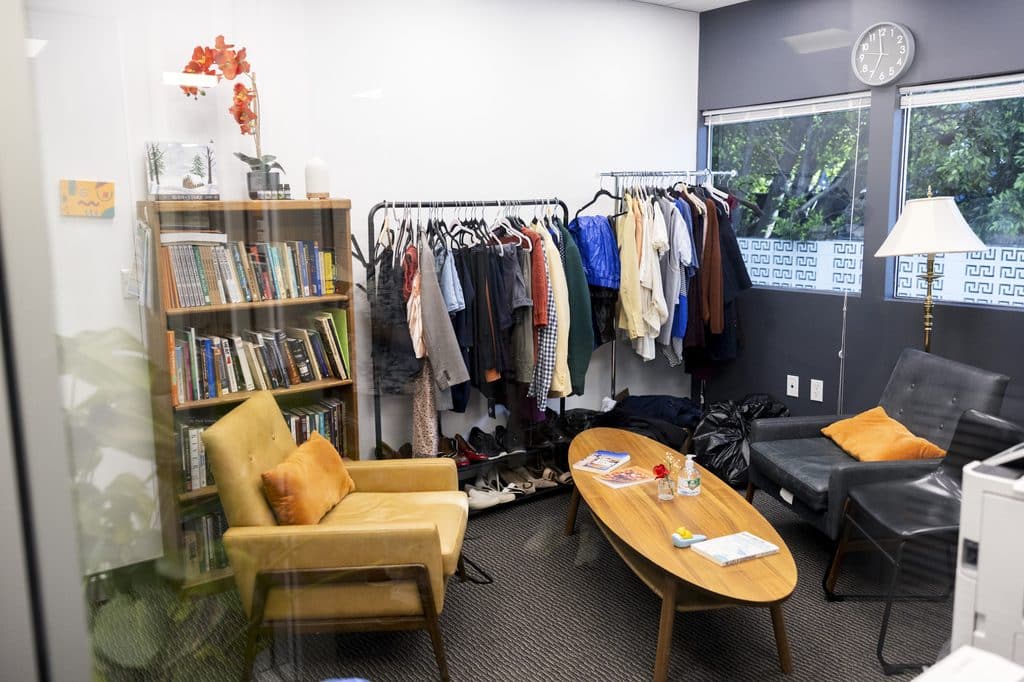
Izzy Lawter, 22, lives in a six-bedroom house on a lush golf course in Roswell, Georgia — the very opposite of what most people imagine when they hear the phrase “halfway house.” But that is precisely its purpose, with the residence serving Lawter and others recovering from substance use disorders, Georgia Public Broadcasting reports. The trouble is, their neighbors don’t want them there — even as more recovery homes are needed.
Lawter, a Georgia native who struggled with undiagnosed mental illness from childhood, developed an addiction in college. “I was blackout drunk and high for the first two years, every single day,” she said. ” I got really physically sick because of it, but no one knew what was wrong with me.”
After an eviction and a suicide attempt, her mother moved Lawter through inpatient and intensive outpatient treatment and helped her return home. But soon, Lawter learned that her mother’s home was one of the worst places for her to be. Between 40 and 60% of people with substance use disorder relapse, according to the National Institute on Drug Abuse, and research points to old friends and old routines as primary factors.
Instead, she opted for a sober living residence in Marietta. That one didn’t work. “It wasn’t a good fit just because my roommate would stare at me in my sleep,” she said, laughing. But last year, a room became available on the golf course at Second Chance Recovery Residences. Her mother pays $1,500 a month, utilities included, while Lawter attends college nearby. So far, so good. “I have no fixed plan right now,” she said. “A lot of people try to rush out, but I love it a lot and I’m in a place where there’s a lot of transitioning, so I’m kind of fine being here right now.”
The residents in the house come and go as they like. They also share their agendas, attend a daily Alcoholics Anonymous or Narcotics Anonymous meeting, and submit to random drug tests, among other house rules.
Other than that, “We’re just another house; we are a family in the most literal sense of the word,” says Ian Neubauer, an attorney and recovering addict who founded Second Chance. “These girls and our guys, they prop each other up. They’re each other’s support network and that’s what a family is. They do chores. They eat together.”
Between 2021 and 2023, 17.4% of Georgians aged 12 and older had experienced a substance use disorder in the past year, close to the national rate, according to Substance Abuse and Mental Health Services Administration. Mental health conditions affect around 1.8 million Georgians annually, and the two often travel together. Moreover, nearly 5 million Georgians live in communities without enough mental health professionals, according to National Alliance on Mental Illness, and more than 1.4 million with mental illness go without care because of cost or availability. Among people with substance use disorder, SAMHSA found that those aged 18 to 25 were the least likely of any age group to get treatment.
Still, after learning that Second Chance is a home for long-term recovery, their neighbors sprung into action to get the home closed. Someone called the fire marshal, sparking inspections, violation notices, cease-and-desist orders and zoning board hearings.
Thus far, the kitchen’s six-burner high-end Wolf range failed inspection for having more than five burners and Neubauer has also been ordered to add fire sprinklers and auto-closing doors on the property. “We’re talking about tens to maybe hundreds of thousands of dollars to retrofit what is otherwise just a normal house and turn it into something that it is not,” he said.
Neighbors fear that the home will compromise the character of the community, Neubauer said, but research shows that those concerns are unfounded, with residents in similar residences posing minimal risks to neighbors. “The neighbors [have an] ability to sic code enforcement on us, call us ‘illegal’ and defame us without any repercussions whatsoever,” Neubauer said. In response, he has started to sue cities indulging in discrimination against recovery houses. He’s made filings against zoning laws in Buford, Columbus, Warner Robins and Greensboro, among others.
Ostensibly, recovery homes are protected by the federal 1988 Fair Housing Act Amendments. Municipalities work around these regulations by defining how many unrelated people add up to a “family.”
Georgia lawmakers have started to notice. Until recently, the state had no working definition of “recovery residence” and no way to stop the kickbacks some for-profit operators collect — selling a spot on a couch as sober living in a house where drug use never stopped, for example. A 2021 bill sponsored by state Sen. Kay Kirkpatrick made patient brokering a crime carrying up to 10 years in prison for landlords. What struck her, she said, was that House committee members were shocked to learn that no one regulates the industry and no one knows where these places are.
Todd Wilson, who directs the Georgia Association of Recovery Residences, now wants mandatory certification along the lines of laws in Florida and Virginia. He and other advocates testified in 2025 before a Georgia Senate study committee led by Sen. Randy Robertson. Robertson filed a bill late in the session, but the bill said nothing about zoning.
Nevertheless, zoning is the whole fight, Neubauer said, and the single most fundamental change that has to happen before recovery residences are treated as a real, important, effective part of the recovery community.
The name “MindSite News” is used with the express permission of Mindsight Institute, an educational organization offering online learning and in-person workshops in the field of mental health and wellbeing. MindSite News and Mindsight Institute are separate, unaffiliated entities that are aligned in making science accessible and promoting mental health globally.


Author

Related Articles

Despite Warnings, the Navy Refused to Investigate the Connection Between Flying Fighter Jets and Brain Injuries to Pilots
A House Oversight report finds the Navy ignored years of warnings about brain injuries in fighter pilots, despite deaths and low-cost fixes.

Punished for Parenting
A Virginia mother’s conviction has reignited a national debate on free range parenting laws.

These 9/11 Survivors Found Healing in Helping Others
Twenty-five years after the World Trade Center attacks, survivors share their stories and how helping others sparked post-traumatic growth.