
Research on “Circadian Depression” May Lead to Tailored Treatment for Sufferers
A new study identifies circadian depression, suggesting that disrupted sleep patterns and body clocks may influence depression symptoms and antidepressant response.
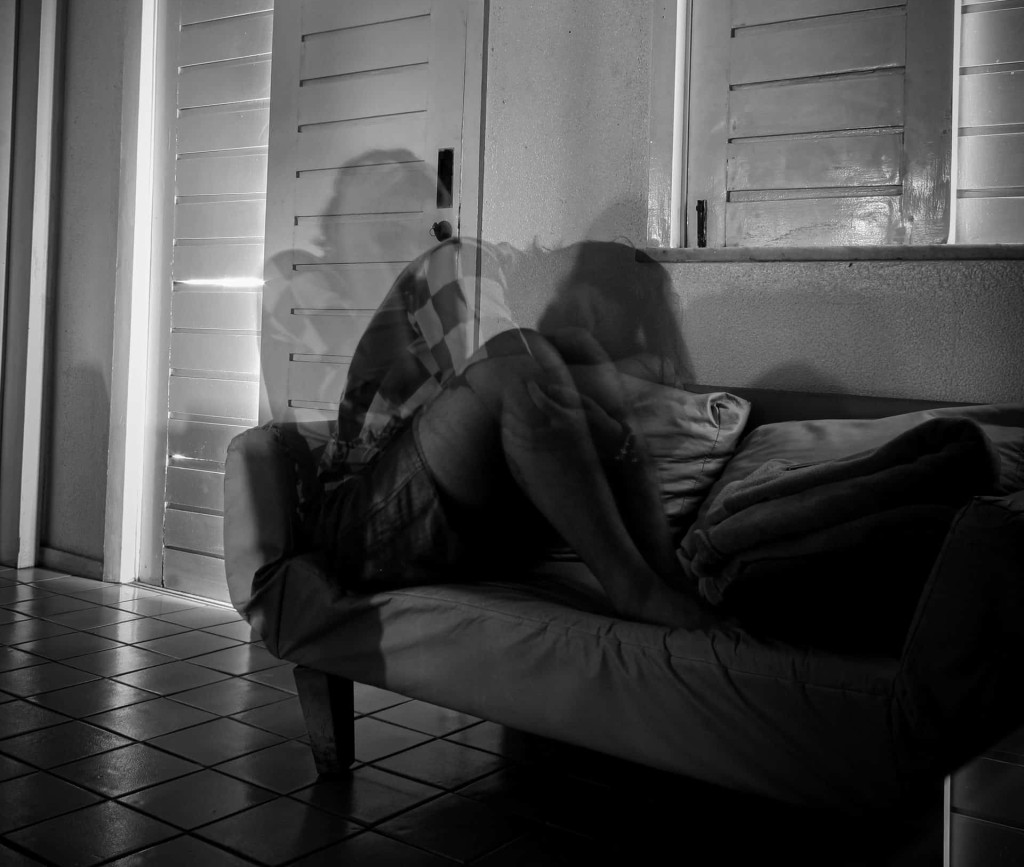
Your own body clock may contribute to depression, according to a new study out of the University of Sydney in Australia. Researchers examined 11,380 people with mostly severe or recurring depression and found that nearly one in four met the criteria for a proposed subtype of the ailment called “circadian depression,” The Conversation reports. To qualify, participants had to show at least three of six signs: seasonal shifts in mood or energy, being a night owl, oversleeping during depressive episodes, feeling worn out in the morning, routinely sleeping and waking late and keeping a different sleep schedule on workdays than on days off.
People in the circadian depression group reported less relief and more side effects from common antidepressants, including both SSRIs and SNRIs, though some still benefited. They also carried genetic markers linked to inflammation and blood-sugar regulation. Depression often looks different from person to person, and finding an effective treatment can involve a lot of trial and error. Up to 68% of people see no improvement on standard antidepressants, and study co-author Emiliana Tonini, a postdoctoral researcher at the University of Sydney’s Brain and Mind Centre, told Nature that she hopes further research will help clinicians choose treatments that are more likely to work.
Still, the findings are preliminary and the study has some limitations. Participants self-reported their symptoms and medication experiences, the circadian group was more severely depressed overall and everyone in the study was of European ancestry. Researchers also didn’t track anyone’s body clock, so they can’t say that disrupted rhythms cause depression, or derive any finer-grained insights.
Experts say that the next step is to measure internal clocks directly, using wrist-worn activity trackers and saliva tests that show when melatonin rises at night, and then test whether tailoring treatment to those results helps people recover sooner. If it does, treating depression could someday mean paying attention to when someone sleeps, not just which pill they take.
The name “MindSite News” is used with the express permission of Mindsight Institute, an educational organization offering online learning and in-person workshops in the field of mental health and wellbeing. MindSite News and Mindsight Institute are separate, unaffiliated entities that are aligned in making science accessible and promoting mental health globally.


Author

Related Articles

Therapy for Mom May Give Baby a Solid Emotional Head Start
Treating depression during pregnancy with talk therapy may improve infant brain development and benefit mother and baby.

6 Tips for Welcoming Trick-or-Treaters With Autism This Halloween
Make Halloween more inclusive with six tips for welcoming trick-or-treaters with autism.

Training Spanish-Speaking Doulas on How to Boost Maternal Mental Health
A Hartford program trains Spanish-speaking doulas to support Latina mothers through pregnancy, childbirth and postpartum mental health challenges.