
California Built Crisis Response Teams. Insurers Aren’t Paying
California counties say insurers are failing to cover mobile mental health crisis teams, leaving taxpayers with millions in unpaid bills.
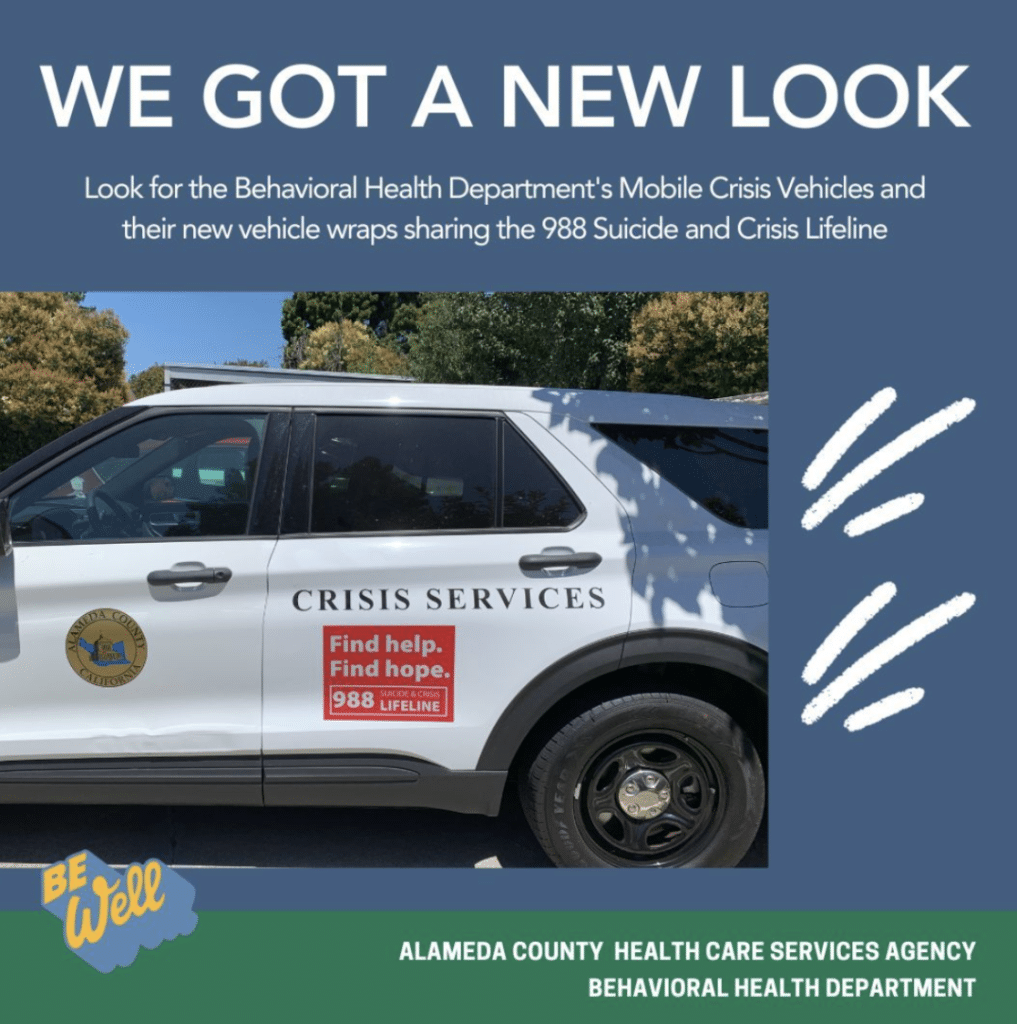
California has spent hundreds of millions of dollars to build a statewide network of mobile mental health crisis teams. But the system relies on health insurers paying for crisis care – and counties say many of them aren’t doing so, leaving local governments to pay the bills.
Records obtained by the Bay Area News Group show that insurers have rejected or underpaid $4.1 million in claims from 11 Northern California counties from early 2024 to mid-2026. These unpaid bills raise questions about whether health plans are following state law that requires them to cover mobile crisis services as an alternative to police involvement during mental health emergencies.
Under a law passed in 2022, private insurers must cover mobile crisis response care for their members, even when the responding provider is outside the insurer’s network. Health plans cannot require prior authorization before providing the service.
The legislation was part of an effort to expand access to mental health crisis care following years of concern about police encounters involving people with mental illness and was named for Miles Hall, a 23-year-old Black man who was shot and killed by Walnut Creek police officers while in the midst of a mental health crisis. It also provided funding for the 988 Suicide and Crisis Lifeline in California.
But county officials say insurers routinely deny claims or pay only a small portion of what is billed. Contra Costa County submitted $2.47 million in claims between 2024 and mid-2026 but only received about $210,000. San Francisco got about $4,000 out of $253,000 in claims, and San Mateo County collected around $1,500 for more than $248,000 in bills.
“This is a persistent problem across the state,” Tara Gamboa-Eastman of the Steinberg Institute, a mental health policy and advocacy organization, told the East Bay Times. “I am not aware of any counties that are not having issues with commercial insurance reimbursement except for those who have entirely given up trying.”
The California Department of Managed Health Care is reviewing the disputed claims and can fine insurers for mishandling payment disputes. The agency hasn’t said when it will complete its investigation.
Insurers say some reimbursement problems happen because of incomplete paperwork, wrong billing codes, or other issues with the claims counties submit. Mary Ellen Grant, a spokesperson for the California Association of Health Plans, said insurers evaluate claims based on the information provided, applicable coverage requirements and whether billing documentation is complete.
“We recognize that some counties have experienced reimbursement challenges and that those concerns deserve careful review,” she said in an email.
State regulators say the way counties bill might be causing some of these disputes, but the law’s author, Assemblymember Rebecca Bauer-Kahan, questioned insurers’ rejections for out-of-network services or for lack of prior authorization. Those are precisely the kinds of restrictions the law was intended to prevent, she said.
Mobile crisis teams bring clinicians, social workers, and other trained responders to help people in psychiatric emergencies and can sometimes prevent unnecessary trips to emergency rooms, as well as violent interactions with police. Most users are covered by Medi-Cal, California’s version of the federal Medicaid program, enabling counties to be reimbursed by the state and federal governments.
But crisis teams also help people with private insurance, including tourists and residents who may lack options in an emergency. In Contra Costa County, nearly 15% of mobile crisis encounters involved people with private insurance. County officials say the burden falls on local governments, which must provide crisis services whether insurers pay or not. Advocates are asking the Newsom administration to enforce the law more strictly, saying counties should not have to pay for services that private health plans are required to cover.
The name “MindSite News” is used with the express permission of Mindsight Institute, an educational organization offering online learning and in-person workshops in the field of mental health and wellbeing. MindSite News and Mindsight Institute are separate, unaffiliated entities that are aligned in making science accessible and promoting mental health globally.


Author

Related Articles
Trump Threats Harm California Election Workers’ Mental Health
California election officials report anxiety, staffing concerns and workplace disruptions as threats and investigations intensify.

Therapy for Mom May Give Baby a Solid Emotional Head Start
Treating depression during pregnancy with talk therapy may improve infant brain development and benefit mother and baby.

6 Tips for Welcoming Trick-or-Treaters With Autism This Halloween
Make Halloween more inclusive with six tips for welcoming trick-or-treaters with autism.