
SNAP Cuts Make it Harder for Parents to Feed Their Kids Healthy Food
SNAP cuts are making healthy food less affordable for low-income families, putting children’s health at risk.
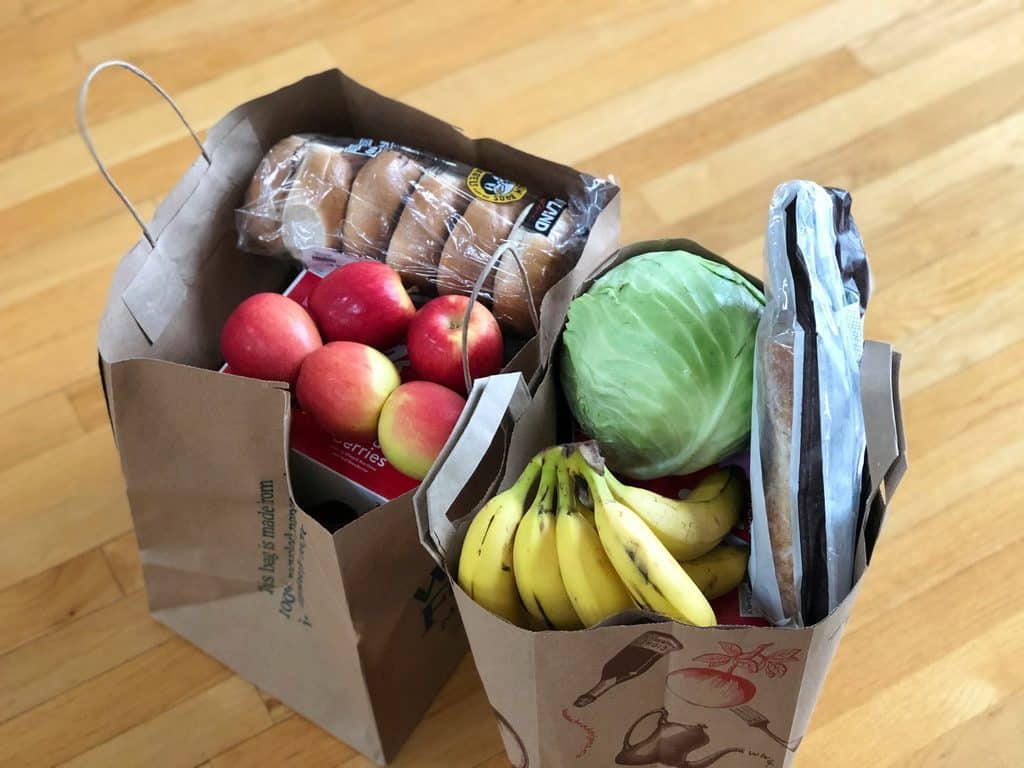
Many parents who experienced hunger as children promise themselves that their own kids will never go through it. New research, described in an op-ed published by STAT by Priya Fielding-Singh and Darcy Cherlin, researchers at George Washington University’s Global Food Institute, shows that those commitments can shape what ends up on the table, particularly for low-income households. Though children often have to try a new food several times before they accept or even enjoy it, cash-strapped parents can’t afford to let any food go to waste. They are thus prompted to serve the less healthy foods they know their children will eat rather than fresh fruits and veggies which they might not. As one parent put it, she’d rather her child be “happy and fed than sad and hungry.”
Considering the need to make do, that is a reasonable choice for the moment — but one that also works against a child’s long-term physical and mental health. Growing evidence shows that what people eat affects how they feel. Gut bacteria create byproducts that can travel to the brain and influence its function and sugary, ultra-processed foods have been linked to gut bacteria changes associated with mood disorders like anxiety and depression. While most existing research shows association rather than causation, it still suggests that consistently opting for less healthy foods over fresh, nutrient-dense produce bodes poorly for a child’s future mental health, while the deficiencies that such diets produce can also impact their physical development.
Unfortunately, the financial squeeze on families is only getting tighter. Groceries now cost nearly a third more than they did in 2020 and federal changes to policy have unenrolled more than 5 million people in SNAP since summer 2025, affecting an estimated 2 million children. In a national survey published earlier this year, more than half of parents with low incomes said they had cut back on groceries and over two-thirds worried about having to choose between paying bills or buying their kids healthy food. For those parents, every trip to the grocery store means doing math that leaves no room for a rejected serving of broccoli.
Fielding-Singh and Cherlin argue that the fix starts with making sure kids have enough to eat. They want the next Congress to pass a bipartisan bill that reverses the SNAP cuts in Trump’s “big, beautiful bill” and stops shifting the cost of benefits onto states. They also call for protecting the Special Supplemental Nutrition Program for Women, Infants and Children‘s fruit and vegetable benefit and expanding incentives like Double Up Food Bucks, which double SNAP shoppers’ spending power for fresh produce.
Such changes could make it easier for parents to keep presenting their children with the healthy options they need to try more than once. Schools and childcare centers can carry some of the load too, they argue. Initiatives like the U.S. Department of Agriculture’s Fresh Fruit and Vegetable Program and the Farm to School Program let kids try new foods through taste tests and school gardens, so parents don’t shoulder the cost burden of every attempt.
The name “MindSite News” is used with the express permission of Mindsight Institute, an educational organization offering online learning and in-person workshops in the field of mental health and wellbeing. MindSite News and Mindsight Institute are separate, unaffiliated entities that are aligned in making science accessible and promoting mental health globally.


Author

Related Articles

A Teenage Boy in Delhi Asked Why Period Pain Didn’t Get the Same Care as his Broken Toe
Aadvik Jain is challenging period stigma in India through Team Period, educating young people and expanding access to menstrual health resources.

Many Doctors Suffer from Life-Threatening Mental Strain but Fear Seeking Help
Physician burnout and moral injury are driving doctors to consider leaving medicine, while stigma keep many from seeking mental health care.

Nebraska’s Early Launch of New Medicaid Work Rules Offers Troubling Preview
Nebraska’s early rollout of Medicaid work requirements has led to coverage denials, administrative delays and confusion.
