
Parents: don’t worry about being perfect
Plus, Detroit’s worried teens, LGBTQ+ youth support after 988, and (yes) embracing aging.

Greetings, MindSite News Readers.
In today’s Daily, how to avoid the pitfalls of parenting perfectionism, attacks on Medicaid risk worsening an alarming decline in the health of US children, and Detroit teens share their safety concerns.
Plus, why aging is very cool, especially when you embrace it.
But first: Braden Hoskins really is a hero to the kids in his Memphis community: Extreme heat carries mental health risks, including increased irritability and agitation, higher stress, and poor sleep — and it makes it a whole lot harder for kids to enjoy summertime. So when 10-year-old Hoskins, who moved to his Orange Mound neighborhood just two months ago, saw the splash pad at his local park out of service, he told his mom he needed to do something about it. They alerted Fox13Memphis, and within a day city officials had set up an inflatable water slide, which will return every day until the splash pad is fixed.
Parents beware: The risks of perfectionism outweigh its benefits
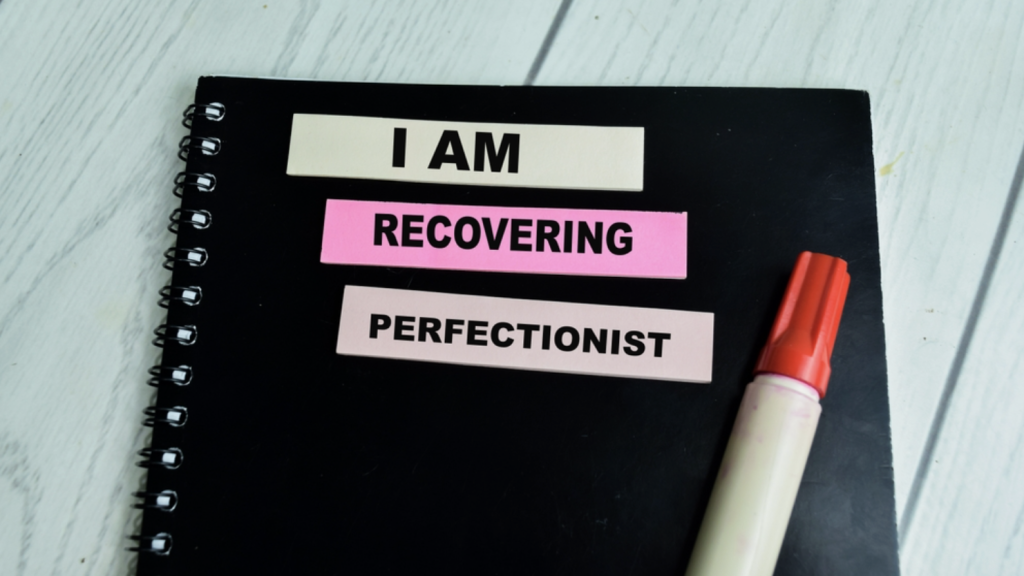
If you’re a parent, you’ve surely wondered, “Am I doing this right?”, especially at the end of a hectic day. But “holding yourself to an ‘all or nothing’ standard can induce feelings of anxiety, overwhelm and shame, make you more critical and rigid, (and) subtract from your joy and fulfillment as a parent,” Boston-based clinical psychologist Erica Lee told Scientific American. Healthy self-reflection is one thing; demanding perfection from yourself is quite the impossible other. Parents who hold themselves to unrealistic standards risk rooting their children in anxiety and self-doubt, making learning to live with imperfection not just healing for parents, but essential for raising emotionally-healthy kids. Still, Lee says, “if you are a perfectionistic parent, know you are not alone!”
Perfectionists tend to come in one of two main types: the “strivers,” high in conscientiousness, who reach for excellence in everything they do, fixating on impossible self-imposed targets; and the “worriers,” plagued by neuroticism, who ruminate over their shortcomings, focusing on the gap between themselves and an impossible ideal. “Only a relatively small subset of parents – those who maintain high personal standards while experiencing minimal concerns or self-doubt – benefit from their trying to be the best,” says psychologist Konrad Piotrowski.
Parents who cannot accept their own imperfections unwittingly teach their children that mistakes mark them as failures. Rather than meet relatively common childhood experiences – a conflict at school, a tantrum in public – with curiosity, encouraging emotional growth, perfectionist dissatisfaction tags them with shame and punishment in kids’ minds, sending a damaging message: “You are not enough,” or worse yet, “You are a bad person.”
Fortunately, there is hope for perfectionist parents who want to change, especially those with striver tendencies. Research shows that their desire to do well leads them to seek out parenting education, Piotrowski says, which teaches many to move away from rigid, unattainable ideals. “This is a great result,” she said, “demonstrating that interventions for parents (workshops, therapy) that allow them to take a more reflective and conscious approach to their own parenthood can free them from the rigid framework of perfectionistic expectations.”
Ultimately, parents can help their kids avoid the pitfalls of perfectionism by offering more grace to themselves. “Model self-acceptance,” Lee says. “If it’s difficult to be kind to yourself, reframe it: ‘If I give myself more flexibility and grace, if my children are confident and able to tackle hard problems even when unsure, and if I offer them love and acceptance to help them give the same to themselves – then I am the ‘great’ parent I’m trying to be.’”
Detroit teens, like many across the country, don’t feel safe
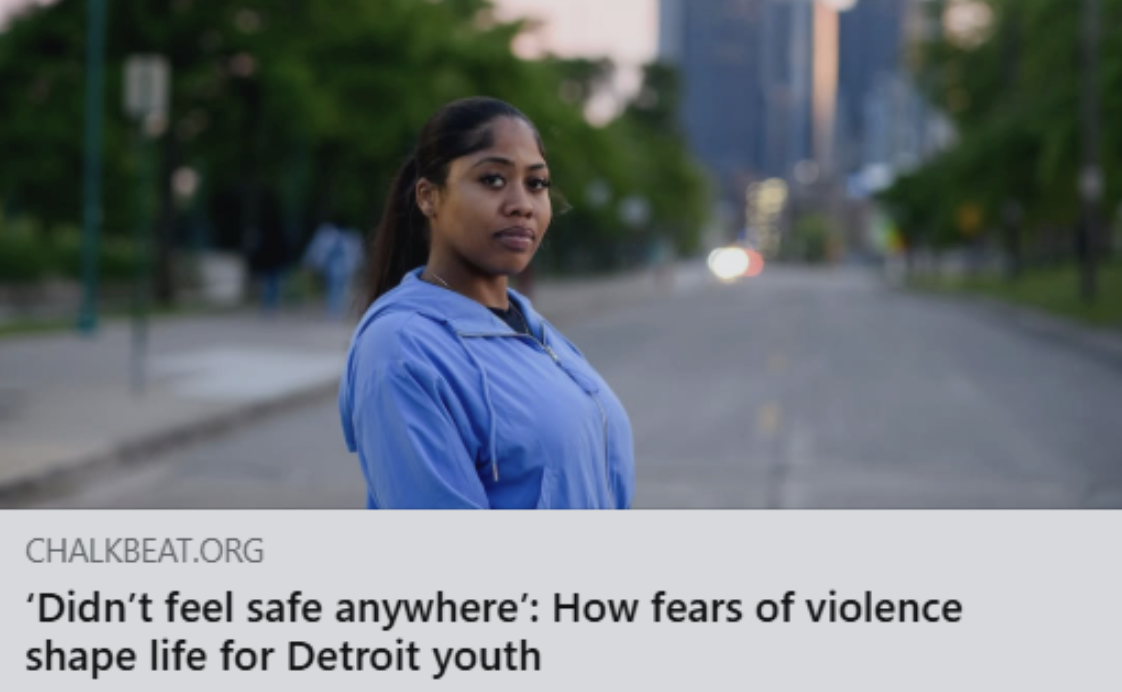
When Armani Arnold was 16, she took the city bus to and from high school each day. Now 23, she told Chalkbeat Detroit about one especially scary journey home. On the walk back from the bus stop, a man in a car pulled up beside her and yelled out, vying for her attention. She didn’t respond, and walked away faster, but he persisted. When she tried to cross the street, he used his car to block the crosswalk. Terrified he might try to take her, she pleaded: “I’m only 16. Please leave me alone. Please don’t hurt me.” It worked, but the moment remains seared in her memory.
Her experience is all too familiar. The city did once have a plan that looked out for commuting kids, but Calvin Colbert of Detroit Impact said that there’s no longer funding for it. Arnold now serves on the board of a local organization helping unhoused youth – she wants to help provide support she didn’t get.
Besides the typical social pains of growing up, today’s youth contend with sexual harassment, digital bullying, school shootings, and, particularly since January 2025, the threat of arrest and detention by ICE. “Those traumas or those fears – those are barriers to learning,” said John Carlson, professor of school psychology at Michigan State University. “If you can’t even feel safe – that basic need of safety that we all have – then how can we expect you to do something a little bit more complex,” like engaging fully in the learning process or excelling academically, he said.
Over time, the threat of violence becomes a painful part of normal life. Crime statistics for the city might seem encouraging, but it takes more than that for youth to feel safe. “There’s a lot of things happening right now in the world. … People go missing, or somebody can just do something to you at any point if you’re alone,” said Dulce Bravo, 18, who graduated from high school this past spring. “I didn’t feel safe anywhere, or I would always have to keep an eye out.” But, she added, “As time is going on, I think I’m just starting to accept the fact that things do happen.”
Many teens said that security measures schools take don’t make them feel any safer. People can get around metal detectors and school guards aren’t necessarily properly trained to protect them. And active shooter drills don’t always go smoothly or get taken seriously. Then, there are the disagreements that escalate into fights, which students say could use more adult intervention. Teachers “tell us to ignore it, ignore it, ignore it until somebody – sometimes people just reach their breaking point,” said Ja’Nya Street, 16. “Check up on the incident that happened … don’t just tell them to ignore it and just act like it’s nothing anymore.”
For students facing unstable housing there’s little security at home or school. And in cities like Detroit, with large immigrant populations, students are worried about ICE agents entering classrooms and neighborhoods to take their loved ones away. Alexis Escoto, 23, said that in his majority-Hispanic community people distrust the police, fearing they’ll collaborate with ICE.
So what can we do for the teens in our lives?
Adults who want to be supportive should work on building strong relationships. That means connection beyond providing food, clothing, and shelter. Your teens “can’t come to you about the things that they’re going through … if you’re not actually curious about what their experiences are, other than just, like, how your day is,” said Camille Hollenquest, 24, executive director of the youth-led organization Detroit Heals Detroit. Parents must “actually be invested into who they are as people.”
In other news…
The Trump Administration will end 988 services for LGBTQ+ youth next week – but support won’t all disappear. At least nine hotlines will still be available, reports The Advocate, including through The Trevor Project, the Trans Lifeline, and the LGBT National Youth Talkline.
The health of American children has sharply declined since 2007, as more youth develop chronic conditions like depression, anxiety, sleep apnea and obesity. Rates of autism, behavioral issues, developmental delays, and ADHD have also risen in the same time frame – overall, a child in the US is 15-20% more likely to have a chronic condition than a child in 2011. Back in the 1960s, “the chance that a child was going to die in the United States was the same as European nations,” pediatric researcher Christopher Forrest told NPR. That’s no longer true.
“What we found is that from 2010 to 2023, kids in the United States were 80% more likely to die” than their peers in those nations, he said. “And now that’s going to get worse with kids being removed from Medicaid,” said Frederick Rivara, a professor of pediatrics at the University of Washington, who recently co-authored a JAMA editorial titled How We Are Failing US Children. It’s estimated that 41% of US children are enrolled in Medicaid, which was ruthlessly cut in President Trump’s recent bill.
The good stuff about aging: To let society tell it, aging is nothing but a slow, downward march toward loneliness and death. But if the older women around me are any indication, my next 20 to 40 years will bring greater confidence, true wisdom, and a whole lot of appreciation for life. Science backs up my anecdotal observations. Studies show that people who embrace aging are more likely to live longer and have better cognitive health. Plus, notes National Geographic, new research suggests happiness now rises steadily with age, rather than the once-typical dip between a peak in the twenties or early thirties and a recovery after 50.
The death toll from a flash flood in Texas continues to rise. Among those lost are many children at a girl’s summer camp, where, in the words of one grieving parent, they’d been “having the time of their lives.” The camp’s director died trying to save the children. Those 27 campers and counselors are some of at least 120 deaths reported so far, with many more missing.
In my younger days, working as a camp counselor in Georgia and upstate New York, I remember brainstorming how I might protect my beloved campers if we were to encounter, say, a bear or rattlesnake on a hike. But no one can prepare for a torrential flood without warning. And warnings are exactly what the National Weather Service and its parent agency, the National Oceanic and Atmospheric Administration (NOAA) are supposed to take care of – but may have been hampered in providing after losing hundreds of staffers to Trump administration cuts, including a key public-facing meteorologist in that Texas area. –Diana Hembree
The name “MindSite News” is used with the express permission of Mindsight Institute, an educational organization offering online learning and in-person workshops in the field of mental health and wellbeing. MindSite News and Mindsight Institute are separate, unaffiliated entities that are aligned in making science accessible and promoting mental health globally.

Author

Related Articles
Foster Kids in D.C. Aim to Change a Failing System
A new bill would empower youth in foster care to define their own family networks and maintain critical financial resources.

Burned-Out Workers in U.S. Using Alcohol, Drugs to Ease Workplace Stress
More than half of respondents to a 2025 Gallup survey reported experiencing anxiety or panic at work or crying due to work stress.
A Bustling Hollywood Clubhouse Helps LA Residents with Mental Illnesses Thrive
Fountain House Hollywood is one piece of a project to remake mental health care in the neighborhood, which officials termed “Hollywood 2.0.”
