
‘It’s More Horrific Than What Is Being Told’: Filipinos Speak Out About Being Targeted by ICE
A series of audio interviews about detention, abusive treatment and deportation for the 4th largest immigrant group in the U.S.
This interview is part of Unseen, a MindSite News series by Simran Sethi on the impact of federal immigration policy on Asian communities and supported by the Nova Institute for Health.
Filipinos and immigration sweeps: When belonging is conditional
We become animate in the growth of Kansas wheat or in the ring of Mississippi rain. We tremble in the strong winds of the Great Lakes. We cut timbers in Oregon just as the wild flowers blossom in Maine. We are multitudes in Pennsylvania mines, in Alaskan canneries. We are millions from Puget Sound to Florida… But sometimes we wonder if we are really part of America. – Carlos Bulosan, Filipino labor activist and author (1943)
In July 2025, Congress approved unprecedented funding for mass detention and deportation. The vulnerability for Filipinos is acute—and has deep roots. In the wake of Spain’s defeat in the Spanish-American War in 1898, the Philippines and the United States became inextricably linked. Spain was forced to cede sovereignty of Guam and Puerto Rico and, for $20 million, the Philippines. For the next fifty years, the Southeast Asian archipelago marked “the far edge of the United States’ overseas empire,” whose expansion, historian Stefan Aune writes in his 2021 study, was “driven, in part, by a virulently racist paternalism that assumed non-white peoples were incapable of self-government.”
Filipinos lived as colonial subjects who could migrate to work in California’s fields and the canneries of Alaska but were disallowed from becoming citizens and often met with hostility. The first anti-Filipino riots erupted in Yakima Valley, Washington in 1927. By 1930, mobs of over 700 hundred terrorized Filipino farmworkers in and around Watsonville, California for five continuous days and nights. According to the Equal Justice Initiative, “In the days and weeks before the rioting, politicians and community leaders had ramped up their anti-Filipino rhetoric, calling the farmworkers ‘a menace’ and demanding that Filipino residents be deported so ‘white people who have inherited this country for themselves and their offspring could live.’”
In 1934, at the height of the Great Depression, Congress sought to satisfy white Americans’ demands for restrictions on foreign labor and passed the Tydings-McDuffie Act which reclassified Filipinos as “aliens” and capped immigration to 50 people per year. Then came World War II. More than 250,000 Filipinos fought for the United States against Japan, nearly half of whom died in combat. Those who survived were promised full veterans’ benefits. But in February 1946, Congress passed the Rescissions Acts of 1946, stripping them of payment they had earned.
In the 1960s, demand for healthcare skyrocketed in the United States. American hospitals, desperate for nurses, recruited heavily from the Philippines, where nurses had been trained in colonial-era schools that taught American medical practices or in American nursing schools themselves. From 1966 until 1991, at least 35,000 Filipino nurses immigrated to the United States and played an essential role in the American healthcare system. According to the NIH Record, 5% of nurses in the United States were trained in the Philippines and many served on the frontlines of the Covid pandemic (24% of whom, tragically died from Covid-19 complications).
Today, there are more than 2 million Filipino immigrants in the United States, the fourth largest immigrant population in America. The arc from colonial subjects to essential workers to deportation targets—reflected in the conversations below—reveals how conditional the American promise has been for many in the community.
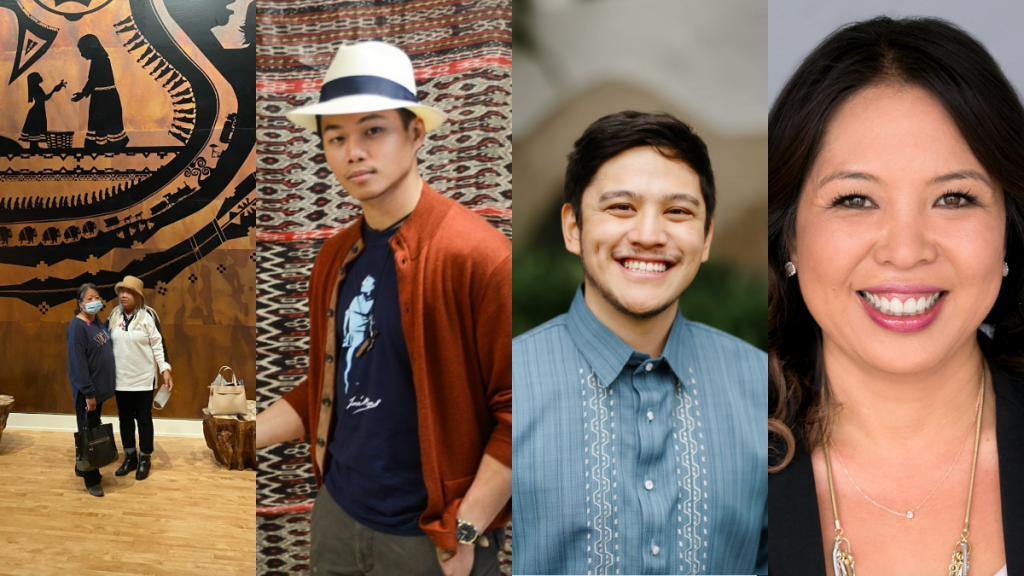
Rebecca Pinyerd: Punishment Long After Serving Her Time
Pinyerd was convicted of a drug offense when her daughter was small and served 19 years in federal prison. Then, years after she was released as a grandmother and had no further convictions, she was detained by ICE, denied her blood pressure medications and deported.

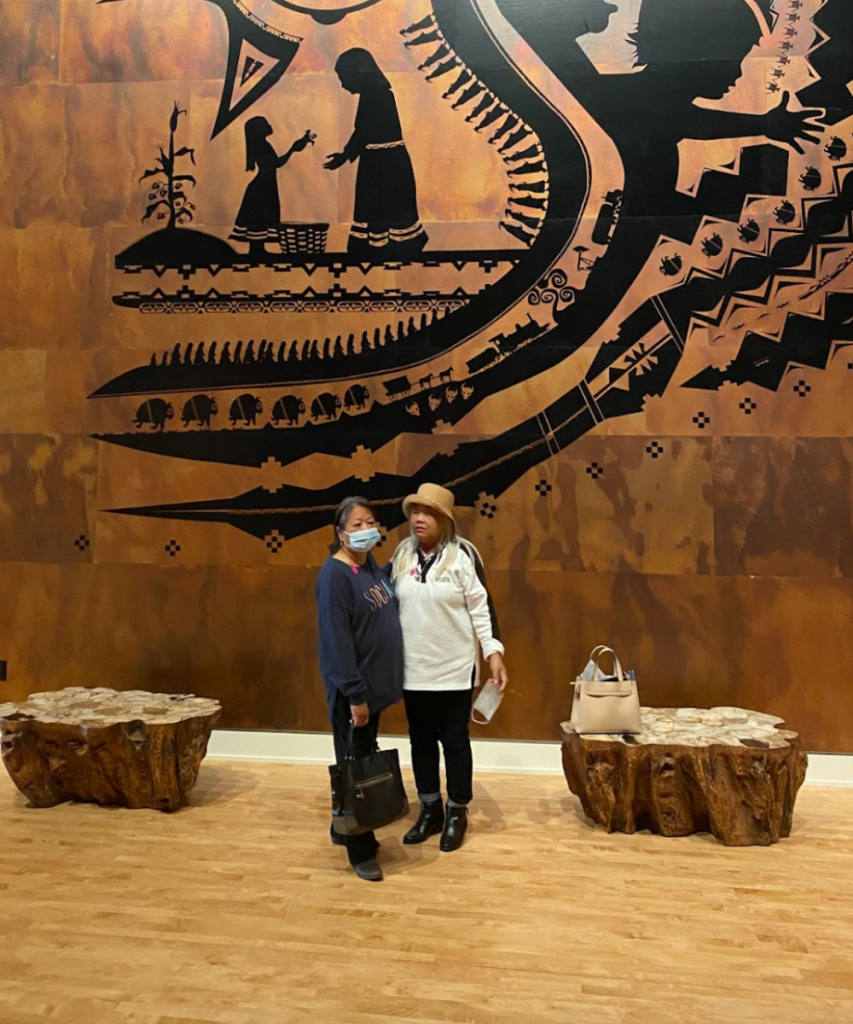
Ya’akub Vijandre: When Journalism Becomes Terrorism
Ya’akub Vijandre is a 38-year-old first responder, photojournalist and DACA recipient detained for social media posts in an ICE detention center cited by DHS for health and safety violations.
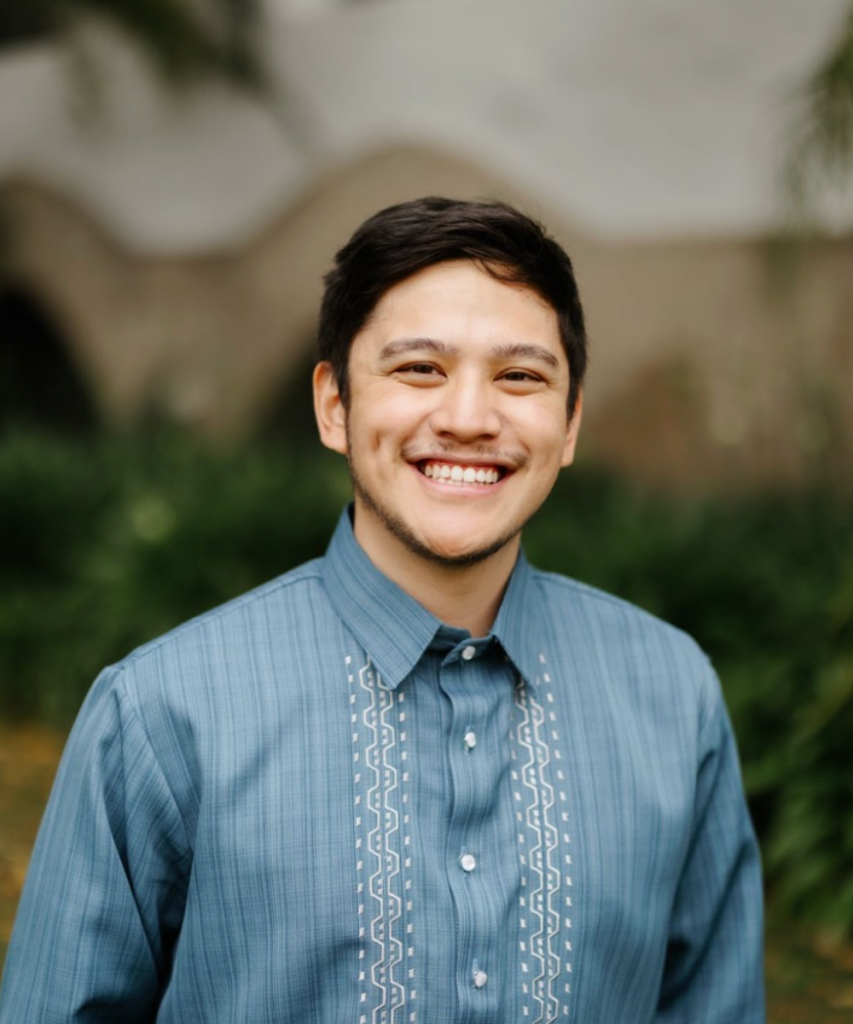
Jason Singson: When Medical Neglect Becomes Violence
Jason Singson is an epidemiologist and researcher in northern California who has found that people detained by ICE are routinely denied lifesaving medications.

Annalisa Enrile: Sikolohyang Filipino Ways to Heal from Harm
Dr. Annalisa Enrile of USC is studying how Filipinos can draw on community and culture to navigate immigration challenges.
Simran Sethi is a Media Fellow at the Nova Institute for Health, which provided financial support for this series: Unseen: The Devastating Impact of Current Immigration Policy on Asians in America. Kat Tan is an independent video and audio producer. If you or your loved ones are impacted by current immigration policies, Tanggol Migrante (Defend Migrants) is an alliance of U.S.-based organizations dedicated to defending and protecting Filipinos that has launched FFIND (Families of Filipinos in Detention). Additional support can be found in our ICE Encounters and Family Preparedness guides.
The name “MindSite News” is used with the express permission of Mindsight Institute, an educational organization offering online learning and in-person workshops in the field of mental health and wellbeing. MindSite News and Mindsight Institute are separate, unaffiliated entities that are aligned in making science accessible and promoting mental health globally.


Author

Related Articles
‘The Most Dangerous Days of Our Lifetimes’: Psychiatrist Renews Call to Remove ‘Mentally Unfit’ Trump From Office
Trump’s dementia and mental instability pose a grave danger to the United States and the world, mental health experts warn.
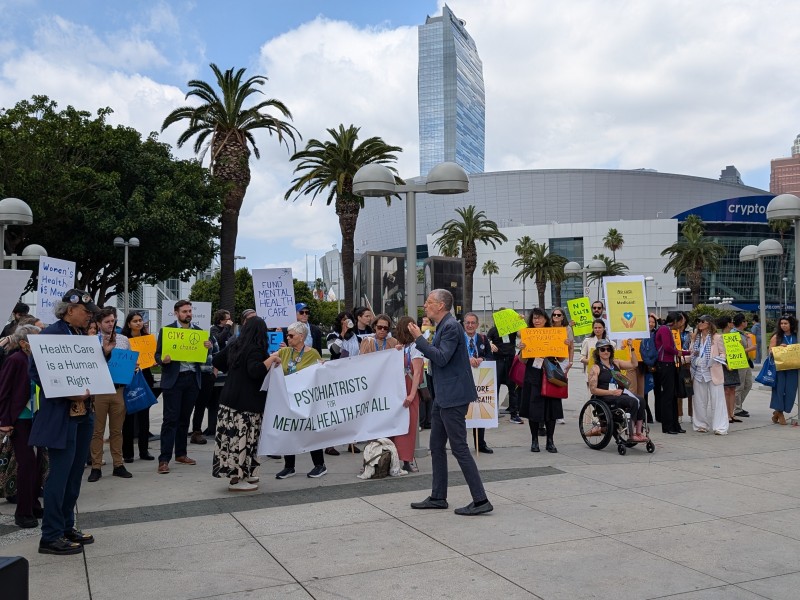
Mental Health Coalition Protests ICE Raids and Detention
Patients are avoiding health care, even in serious medical emergencies, because of ICE raids on clinics and hospitals.
The Trauma and Resilience of Afghans: An Interview with Dr. Qais Alemi
Alemi says refugee trauma stems not only from war atrocities, but from cultural dislocation and the loss of language and identity.