
A Texas Mayor Seeks to Honor Mom and Create a Dementia Village
A small-town Texas mayor hopes for state support to construct a dementia village for the region’s residents. And addiction once snatched away a man’s mobility – but now he’s sober and has his legs back.


Wednesday, July 10, 2024
By Courtney Wise

Greetings, MindSite News Readers. In today’s Daily, a small-town mayor in Texas hopes for state support to create a dementia village for the region’s residents. Addiction once snatched away a man’s mobility – but now he’s sober and has his legs back. Plus, a mental health clinic in Colorado is providing free care to patients in need.
Finally, have you ever had a bad therapist? The New York Times is seeking help from readers to identify the red flags that may serve as signals to others.
Addiction once stole his ability to walk. Now he’s trekking 500 miles
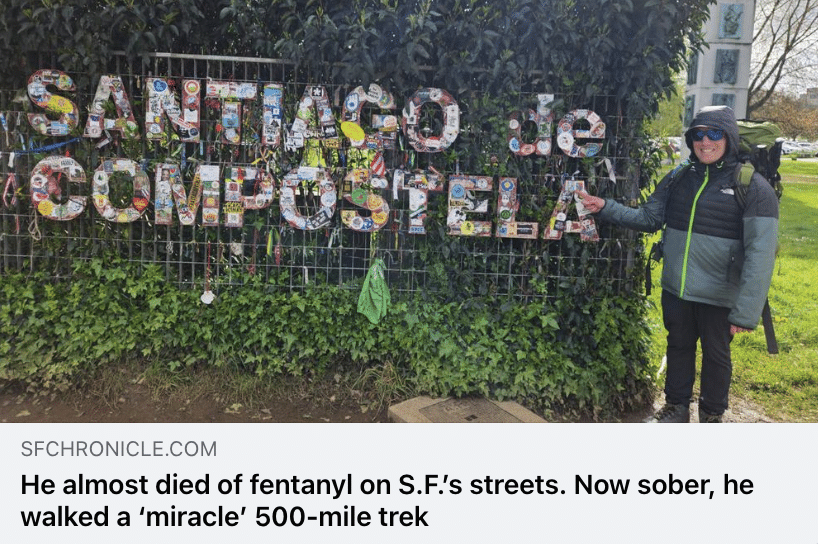
Two years ago, Ben Campofreda couldn’t walk. The San Francisco Chronicle featured him just as he was getting his life back and learning, once again, to use his legs. He’d shared his story of addiction to prescription painkillers, which developed after a doctor gave him oxycodone to manage back pain. Soon, he found himself also addicted to heroin after moving in with a friend who used it regularly. For a while, Campofreda managed to keep work and social obligations, and even had a girlfriend. But fairly quickly, both his employer and girlfriend learned of his addiction and let him go. That sent him to the streets, where he found fentanyl and eventually lost the use of his legs. Drugs had gnawed away at his frame, leaving him at just 100 pounds. A spinal infection confined him to a wheelchair.
That makes his current station all the more amazing. Campofreda recently completed the 500-mile Camino del Norte pilgrimage across Northern Spain with a longtime friend and their dog. “Everything I do now is kind of surreal,” he said in a recent interview. “When I was in that situation (living on the streets and using fentanyl), at first it felt like I had all this freedom, but the irony is that I really had no freedom at all. I was stuck within a couple block radius of my dealer so I could feel normal everyday.”
One thing he notes is that getting to sobriety was a fight. Family and friends begged him to get help, but it took a stay in the hospital – recovering from two intense back surgeries – that gave him the resolve to stick to a drug-free life. But getting the residential treatment he needed was difficult, he said. Once he secured a spot with HealthRight 360, San Francisco’s largest drug treatment provider, a staff member asked him why he needed their help since he’d been sober for a few months. He told them he wanted to stay that way.
Now two years sober, Campofreda works as a camp counselor teaching wilderness skills. His favorite pastimes include exploring his new city, Portland, by bike and experiencing live music. More than anything, he’s grateful to have his life back. “I’m the healthiest I’ve been in years,” he said. “I know that my life wouldn’t be like this without my sobriety.”
Asked what he wants people to take away from his story, Campofreda says that more people should confront loved ones they suspect may be struggling with addiction sooner. “I think many of my friends saw it, but didn’t know how to approach me about it,” he said. Sometimes, the best thing a person can do is just say something.
An East Texas mayor is working to create a dementia village. Will the state of Texas step up to help?
With a population of just 2,300 people, Quitman, Texas is an unlikely destination for one of the county’s first-ever “dementia villages.” But if Mayor Randy Dunn has his way, it will happen, he told the Texas Tribune. The innovative concept was first modeled in the Netherlands, where memory care is provided on the grounds of a closed village. Residents of the village are all diagnosed with dementia and live with independence – and support. They are free to enter and exit their own houses or apartments as they please, because medical professionals and caregivers run the restaurants, salons, theaters, and parks that residents visit each day. The goal is to help residents lead lives that are as normal and high quality as possible. “These folks are still living. We need to create an environment that will allow them to still do things. A lot of them are still mobile,” Dunn said.
His urgency to break ground on the proposed 54-person village is rooted in his love for his mother, Addy, who died of dementia in 2012 at age 74. She lived at home until her final days, thanks to their active, supportive community and large family farm. Dunn told the Tribune that, despite the wealth of support his mother had, caring for her was still hard. He hopes that creating a dementia village will enable families with little wealth to access excellent care in a region where memory care options are limited and many people live in poverty.
Dunn and a team of medical professionals and family members who lost loved ones to dementia developed the plan and won a $6 million federal grant. The big catch: they need to convince the state legislature to come up with another $6 million. Unfortunately, despite a record surplus in the state budget, Texas lawmakers didn’t approve the matching funds last year. Since the city can’t use the federal money without the match, Dunn and his partners are anxious to get approval for 2025. They believe they’ve won support from two Republican lawmakers and will convince the legislature to act.
Carmen Tilton, vice president of public policy at the Texas Assisted Living Association, is less optimistic. “Every part of the ecosystem needs to be on the same page for something like this to work. And even when you do have it, it can be tough to sustain,” Tilton said. She’s not confident the facility will dramatically change care practices, if it ever opens. And if it does, Tilton believes the expense associated with operating such a village will be nearly impossible to replicate across the state. “Access to that kind of environment is going to be really, really limited to just those who have the very highest incomes,” she said. “And we can’t make a system that only works for people in the absolute top income bracket.”
Family-owned mental health clinic in Colorado provides free care to patients in need
After only four years of operations, a family-owned Colorado clinic, Axis Integrated Mental Health, has written off $300,000 in treatments for people with limited resources. “For the populations that we are serving, that is extremely important,” clinic cofounder Liesl Perez told CBS News. “People do not realize they can afford mental health care; they do not know how to navigate the system.” Since launching in Aurora in 2020, the clinic has expanded to include Westminster and Louisville. “We are healing family systems and we are healing lots of generational traumas that come with mental illness,” Perez said.
One service the clinic is providing free to low-income patients with severe depression is transcranial magnetic stimulation, or TMS. The treatment typically costs $6,000 to $12,000, but Colorado is not one of 18 states that covers TMS through Medicaid. Patient Maria Casillas said the treatment – which uses magnetic fields to stimulate nerve cells in the brain associated with mood regulation – has been a “game changer” after she all but lost hope that anything could ease her depression. “It was like a miracle,” she said. “I couldn’t believe this treatment would be free for me, until now.”
Perez says she’s proud to offer the service to the uninsured and those with Medicaid. It’s a way of increasing health equity in communities that generally face major obstacles to affording mental health services.
In other news…
How to identify a bad therapist: If you’ve ever had to quit therapy due to poor and ineffective treatment, the New York Times wants to hear from you. Patients who experience unethical behavior at the hands of therapists can report them to licensing boards, but there’s often little recourse for consumers who feel their therapist is ineffective or poorly trained, The Times notes. If you’ve experienced a therapist that yawned through your sessions, was always late or gave you awful advice, let The Times know. If you’re open to it, you can provide your story to be included in a forthcoming article.
Rise in hoarding disorder highlighted by Senate report: Hoarding disorder affects about 2% of the US population and 6% of adults over 70, according to a report released by Sen. Bob Casey (D-Pennsylvania), chair of the Senate Special Committee on Aging. The condition can lead to unsafe living conditions, myriad health issues and challenges for first responders. The report calls on the federal government to do more to address the problem, including improved data collection, building awareness campaigns and expanding coverage for treatments, according to Axios.
If you or someone you know is in crisis or experiencing suicidal thoughts, call or text 988 to reach the 988 Suicide & Crisis Lifeline and connect in English or Spanish. If you’re a veteran press 1. If you’re deaf or hard of hearing dial 711, then 988. Services are free and available 24/7.
Recent MindSite News Stories
“How Not to Kill Yourself”: A Writer’s Advice

Author Clancy Martin writes about his own struggles with attempted suicide and includes his best reframing advice– live another day, and then another.
To Heal from Trauma, Women Sexually Abused by Prison Guards Seek Compassionate Release
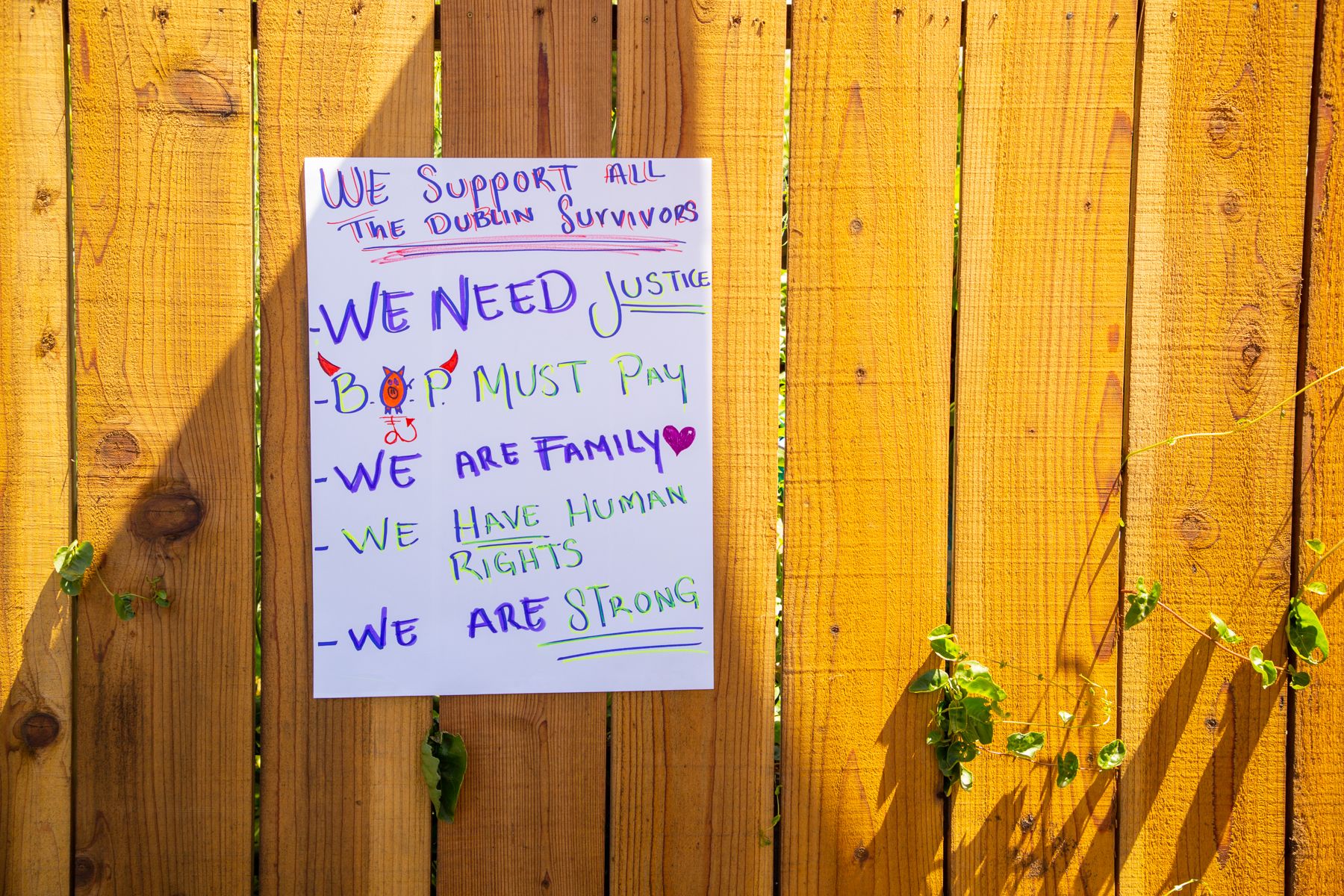
Lawyers representing survivors of sexual abuse at an infamous federal prison in Dublin, California, are trying a novel strategy: compassionate release.
Our World War II Dads, the Supreme Court and Our Collective Mental Health

Our World War II parents would be outraged and not rest till the courts’ presidential immunity decision was overturned, and so should we.
If you’re not subscribed to MindSite News Daily, click here to sign up.
Support our mission to report on the workings and failings of the
mental health system in America and create a sense of national urgency to transform it.
For more frequent updates, follow us on Facebook, Twitter and Instagram:

The name “MindSite News” is used with the express permission of Mindsight Institute, an educational organization offering online learning and in-person workshops in the field of mental health and wellbeing. MindSite News and Mindsight Institute are separate, unaffiliated entities that are aligned in making science accessible and promoting mental health globally.
Copyright © 2021 MindSite News, All rights reserved.
You are receiving this email because you signed up at our website. Thank you for reading MindSite News.
mindsitenews.org

The name “MindSite News” is used with the express permission of Mindsight Institute, an educational organization offering online learning and in-person workshops in the field of mental health and wellbeing. MindSite News and Mindsight Institute are separate, unaffiliated entities that are aligned in making science accessible and promoting mental health globally.


Author

Related Articles


How Some Black Women Are Coping in a Time of Stunning Job Loss and Racism
An essay by Sheree Crute on finding solace and even joy in these dark times.
Helping Farmers Weather Uncertainty, Stigma and Depression
Farming is one of the industries with the highest risk for suicide. Mental health experts say financial pressures are a common reason why.
