
Addiction Treatment Scam in Arizona Led to Native American Deaths
Indigenous families in Arizona recently filed a class-action lawsuit against the state after a $2.5 billion Medicaid fraud involving sham addiction treatment centers.


February 12, 2025
By Courtney Wise

Greetings, MindSite News Readers. In today’s Daily, Indigenous families in Arizona recently filed a class-action lawsuit against the state after Medicaid fraud involving sham addiction treatment centers harmed people and cost some their lives. The state has been aware of reports of fraud and abuse in such centers since 2019, the lawsuit charges.
In other news, an expert urges the chronically anxious to break out of unhealthy cycles. A new study in Nature Medicine projects a significant increase in U.S. dementia cases. Health providers are ill-equipped to spot eating disorder cases. Plus, some Black Americans consider a “Blaxit,” escaping the second Trump administration to protect their mental health.
Arizona’s failure to address $2.5 billion Medicaid fraud targeting Native Americans cost lives
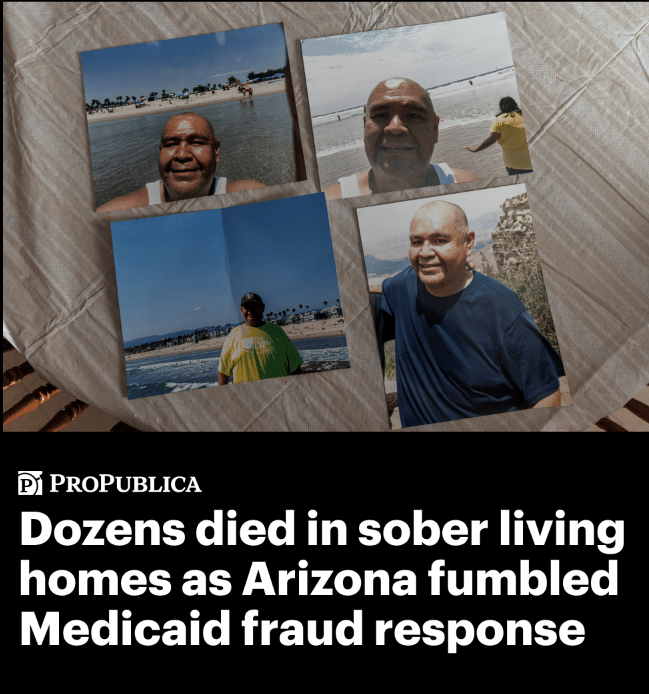
Sham drug treatment providers began exploiting Indigenous communities during the last decade, ramping up during a pandemic-induced period of weakened Medicaid policy and oversight in a scheme that cost Arizona taxpayers $2.5 billion, as well as the lives of vulnerable locals. Indian Country Today reported roughly 40 Native American residents of so-called sober living homes in Metro Phoenix died of drug and alcohol use, with nearly half of those deaths coming after officials were aware of massive fraud targeting the American Indian Health Program. Many more residents “treated” in such centers are missing and unaccounted for.
Though the state has acknowledged the loss of funds, families of those harmed or killed by sham treatment told the Arizona Center for Investigative Reporting and ProPublica that it needs to be held accountable for the lives lost. Abuse and fraud in the sham addiction centers were reported earlier this year by Native News Online and in 2023 and 2024 by Indian Country Today (ICT), and included reports that many centers engaged in human trafficking, kidnapping Native Americans in unmarked vans, plying them with alcohol and street drugs in so-called treatment centers in order to “treat” them indefinitely, and eventually dropping many off in remote rural areas without access to transportation.
The Arizona Health Care Cost Containment System (AHCCCS), which administers Medicaid for the state, allowed providers for the American Indian Health Program to set their own service reimbursement rates. Established to meet federal requirements, the fee-for-service model was intended to ensure coverage for Indigenous communities not typically served by insurers. It also left the system vulnerable to abuse, which some mental health providers committed by claiming as much as $60,000 for a single counseling session.
“I had family members who died in these group homes,” Lorenzo Henry, a member of the San Carlos Apache Tribe, told Propublica. “I would like to see at least AHCCCS take accountability for their actions, for how they let this fraud go on for so long.”
AHCCCS policies enacted during the pandemic to increase access to care also weakened anti-fraud protections. In-person inspections of facilities and background checks for providers became optional, while providers with lapsed health department licenses were allowed to continue collecting Medicaid payments. Neither change was widely communicated to the managed care organizations responsible for vetting providers in the AHCCCS portal. This gave bad actors almost two years to set up and stay active in the portal with few limits.
Worse yet, when officials finally did act to end the fraud, they caused new harm: homelessness. Despite the danger sham recovery homes posed by allowing or even pushing drug and alcohol use, they still offered housing to people without immediate alternatives. When they shuttered suddenly after losing Medicaid funding, many residents were forced onto the streets. Local community advocates say the crisis led to hundreds of deaths, beyond the 40 currently known.
The state has since capped Medicaid reimbursement rates, launched an investigation into the fraud, and created a hotline for displaced facility residents to request housing, transportation back to their communities, and legitimate addiction treatment. A $6 million grant program for tribal nations affected by the fraud has also been established. But a class-action lawsuit filed against the state of Arizona by the families of several victims says it’s not enough. Beside the “horrific injuries, deaths, dangerous drug addictions, fraudulent mental health services, homelessness, and other damages” suffered by victims of the sham treatment centers, the suit charges that the state of Arizona knew the magnitude of the fraud in the summer of 2019 and “knowingly continued to fund and enable the fraud.”
Anxiety expert says we’re addicted to the feeling
I know the catastrophe of unmanaged anxiety intimately; severe anxiety is one symptom of the complex PTSD for which I’m now finally receiving effective treatment. As my mental health improves, I notice my relationship to worry shifting. It’s strange. Overwhelming anxiety has stunted so much of my development that I tell myself I hate it. But I also don’t yet know who I am without it. I don’t want to characterize myself as an anxious person anymore, but even thinking about letting it go scares me.
It’s akin to an addiction, therapist Owen O’Kane argues in Addicted to Anxiety, “We talk about the ways you think, what happens in the body when you’re anxious, we talk about the process,” he tells The Guardian, “but we never really think about that attachment to anxiety.”
The thing is, anxiety never fully goes away. We shouldn’t want it to – it’s a vital emotion that’s helped humans survive. It only becomes a problem when we allow it sole command of our emotions.
O’Kane’s book aims to help anxious folks accept ourselves and provides strategies to reduce the physical symptoms anxiety produces. It teaches us how to decisively resist the “rascals” that promise short-term relief, such as substances to dull anxious feelings, enacting rituals, constantly seeking reassurance from others, getting angry, impatient or argumentative, and (my main self-destructive go-to), total avoidance of anything that triggers anxiety. His goal is to show us that out-of-control anxiousness cannot help us be better or offer a route out of an upside-down world.
There’s a danger, says O’Kane, in trying to “justify a highly anxious existence based on the state of the world. If the world’s chaotic and we’re operating from an internal chaotic state, two negatives don’t make a positive.” But building our own “steady inner platform,” he says, can empower us to handle whatever the world sends our way.
In other news…
New report in Nature Medicine projects a significant rise in dementia cases, especially among Black Americans: Dementia cases in the US are expected to nearly double to 1 million by 2060, up from 514,000 in 2020. Black adults were at highest risk, along with women, who tend to live longer and thus are more likely to develop dementia. “As more nonwhite individuals are included in research, geriatric psychiatrist Yolonda Renee Pickett told NJ.com, we are beginning to see significant differences in the rates of dementia risk factors and the prevalence of dementia, particularly among Black participants.” In addition to high blood pressure, vascular disease, and stroke, risk factors include racial discrimination, fresh food deserts, poor air quality, and socio-economic challenges. In the cohort study, 42% of participants ages 55 and up developed dementia by age 95.
Despite the increased prevalence of eating disorders, many healthcare providers are ill-equipped to spot them, let alone treat them, argue Deborah R. Glasofer and Evelyn Attia, a clinical psychologist and a psychiatrist, respectively, in a guest column for STAT News. Relevant training, including a program the pair developed, is available online, but there’s no guarantee providers know it exists or have access to it. Glasofer and Attia say it needs to be integrated into existing medical education. In addition, they advocate for minor changes to digital medical record forms so that all clinicians on a patients’ team can be aware of potential eating concerns.
MAGA extremism sparks a “Blaxit”: Seeking refuge from racism and increasingly discriminatory policies, growing numbers of African Americans are opting to leave the US, at least for the next four years. Grace Ancrum told The Emancipator she doubts her move will be permanent, but as a Black woman in the LGBTQIA+ community, she worries about her safety during the second Trump administration. “I’ve been an activist for so long doing a lot of queer activism,” Ancrum said, adding that she worries about being targeted by the administration. “It’s a battle for me because there’s so much I see myself doing here so I intend to come back. But for me and my mental health, I don’t want to be in a space where people have that power.”
If you or someone you know is in crisis or experiencing suicidal thoughts, call or text 988 to reach the 988 Suicide & Crisis Lifeline and connect in English or Spanish. If you’re a veteran press 1. If you’re deaf or hard of hearing dial 711, then 988. Services are free and available 24/7.
Recent MindSite News Stories
Photoshopped Images, Scientific Fraud Derail Quest for Alzheimer’s Treatments
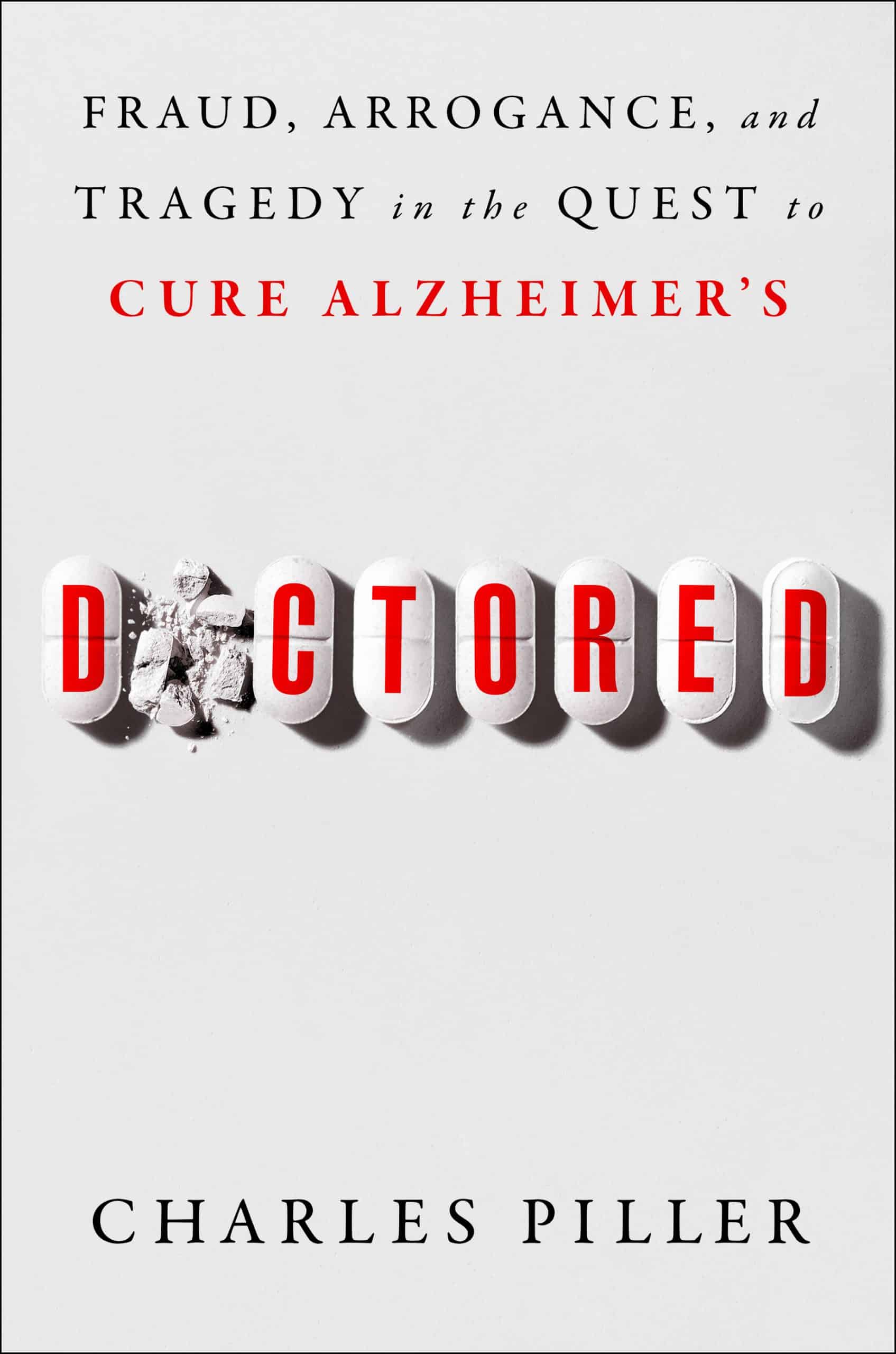
A reporter uncovers evidence that research fraud on a massive scale has hyped the potential benefit of expensive drugs aimed at slowing or reversing the mental decline of patients with Alzheimer’s disease.
A Developmental Disability Diagnosis Can Hit Hard – But It Isn’t a Knockout

Across the country, the number of people diagnosed with developmental disabilities is rising, with implications for those individuals and the economy. This story looks at the experience of a family – and an editor – in Pittsburgh.
A New Sense of Urgency for Mental Health in the Workplace

The divisive times we live in can impact our ability to work as cohesive teams. Finding ways to work well together, with respect and inclusivity is an important step forward.
If you’re not subscribed to MindSite News Daily, click here to sign up.
Support our mission to report on the workings and failings of the
mental health system in America and create a sense of national urgency to transform it.
For more frequent updates, follow us on Facebook, Twitter and Instagram:

The name “MindSite News” is used with the express permission of Mindsight Institute, an educational organization offering online learning and in-person workshops in the field of mental health and wellbeing. MindSite News and Mindsight Institute are separate, unaffiliated entities that are aligned in making science accessible and promoting mental health globally.
Copyright © 2021 MindSite News, All rights reserved.
You are receiving this email because you signed up at our website. Thank you for reading MindSite News.
mindsitenews.org

The name “MindSite News” is used with the express permission of Mindsight Institute, an educational organization offering online learning and in-person workshops in the field of mental health and wellbeing. MindSite News and Mindsight Institute are separate, unaffiliated entities that are aligned in making science accessible and promoting mental health globally.


Author

Related Articles

He Almost Killed His Father. Now He Helps Others At Risk.
In today’s newsletter, we explore how one man healed after a dangerous psychotic break that nearly led him to murder.

Fallout Over Supreme Court Ruling on Conversion Therapy
Despite the Supreme Court ruling, conversion therapists can still be sued for a practice the United Nations calls “torture.”

On No Kings Day, Millions Rallied to Denounce Trump and “Epstein War”
Anti-Trump protests took place in all 50 states, Puerto Rico and other US territories and in countries around the world.
