‘The Factory of Maladies’: A Chilling First-Hand Account of Life in a Psych Ward
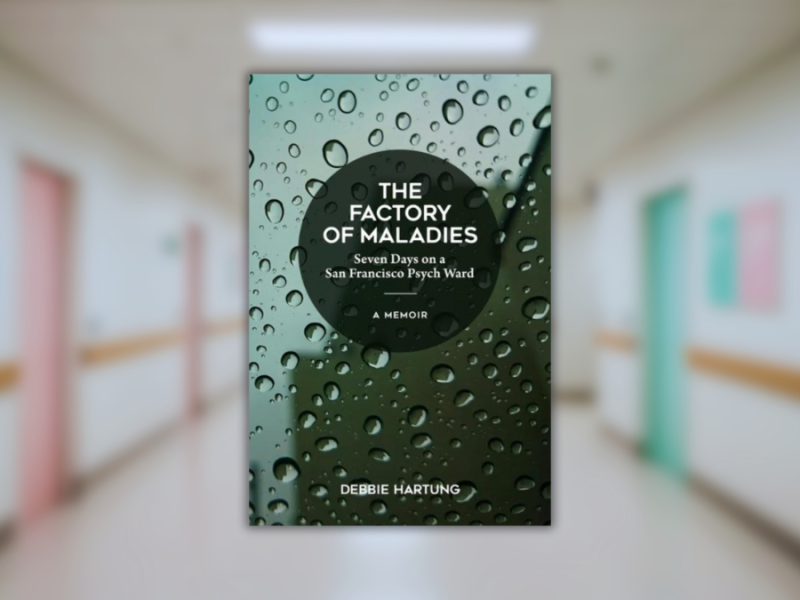
"The Factory of Maladies,” a memoir by Deborah Hartung, is a gripping account of being locked up in a San Francisco psychiatric ward.
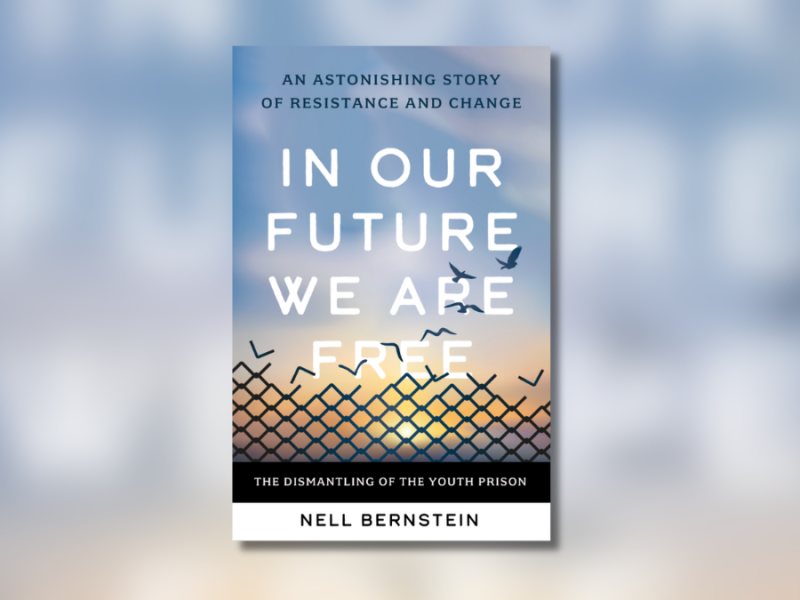
Over the past 20 years, one state after another has shuttered its youth prisons and stopped prosecuting kids as adults, slashing the number of children locked in cages by a stunning 75%. This new book tells the story of how a coalition of parents, activists, and prison officials brought a destructive institution to its knees.
More physicians are doing“social prescribing” to help their patients reap the physical and mental health gains from art and nature therapy, movement, volunteering and community ties.
Author Clancy Martin writes about his own struggles with attempted suicide and includes his best reframing advice-- live another day, and then another.
What role should medications play in the treatment of psychosis and other types of severe mental illness?
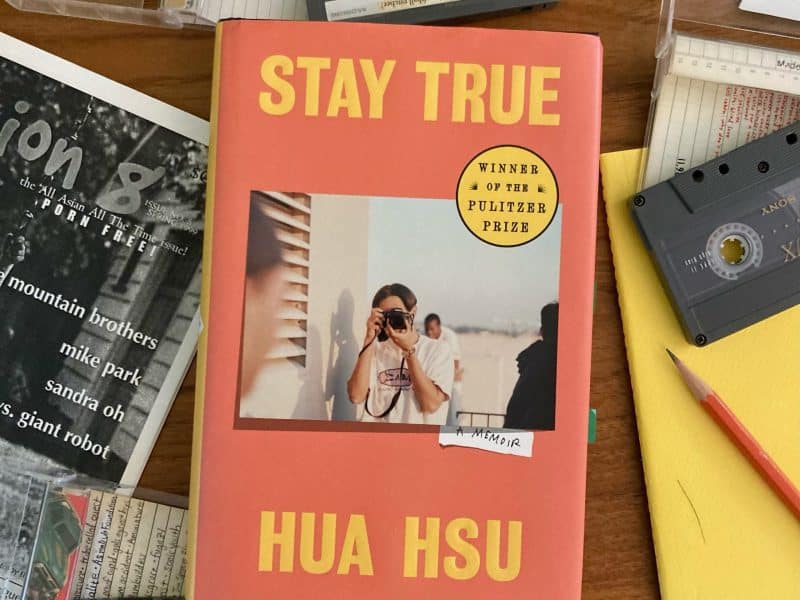
The memoir Stay True is a powerful tribute to a friendship cut short by tragedy and to writing as a tool for survival.
In a moving memoir, journalist Meg Kissinger tells the story of her own family's struggles with mental illness, and how those experiences fueled her passion to be an investigative reporter and storyteller.
"Watching the protagonists try to solve world-threatening problems made my own feel smaller and easier to handle." -Kendall Covington, writer
“By reading fantasy fiction, I got to see people like me overcome obstacles I thought impossible.” –Hermes Falcon, writer.
During the pandemic, "our worlds became very small, and fantasy fiction provided this vast opportunity to delve into worlds unknown."
Damour wants us to realize that stress, irritability and unhappiness are as normal in teens as joy.
The information on eating disorders is often complex, thorny and conflicting. Here are two recent books for parents that can help guide you and your child through this grueling time.
Gabor Maté’s book explores childhood trauma’s devastating impact on people and our society – and what we can do to reverse the damage.
Loneliness is natural, "designed to alert its host to a need, just like sensations of hunger or thirst or exhaustion."
Author Maia Szalavitz makes a formidable case that embracing harm reduction will help end the opioid overdose epidemic.
"Crying in H Mart" helps a Korean-American family through grievous loss.
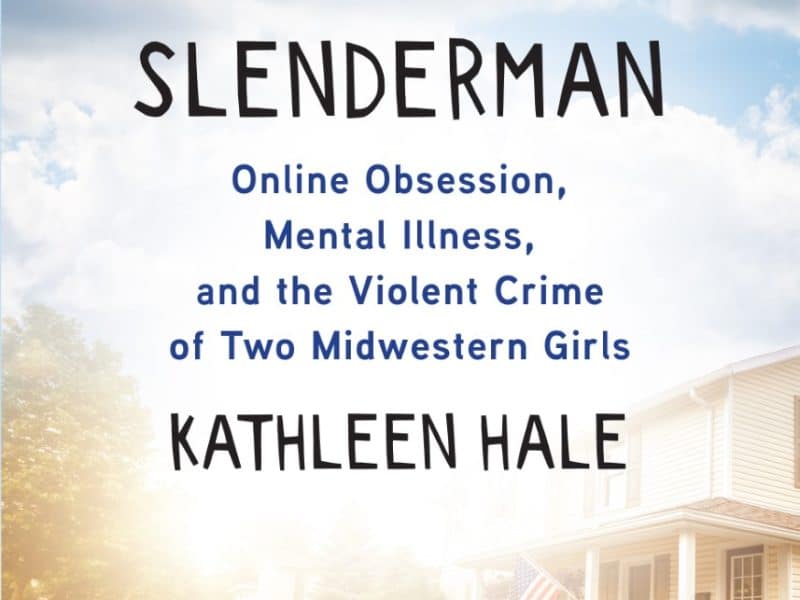
In 2014, two 12-year-old girls lured a third into the woods and stabbed her repeatedly. The stabbings tell a tragic story about the deficiencies of the mental health and criminal justice systems in the U.S. – and the terrible things that often happen when they collide. Kathleen Hale tells this story in her new book.
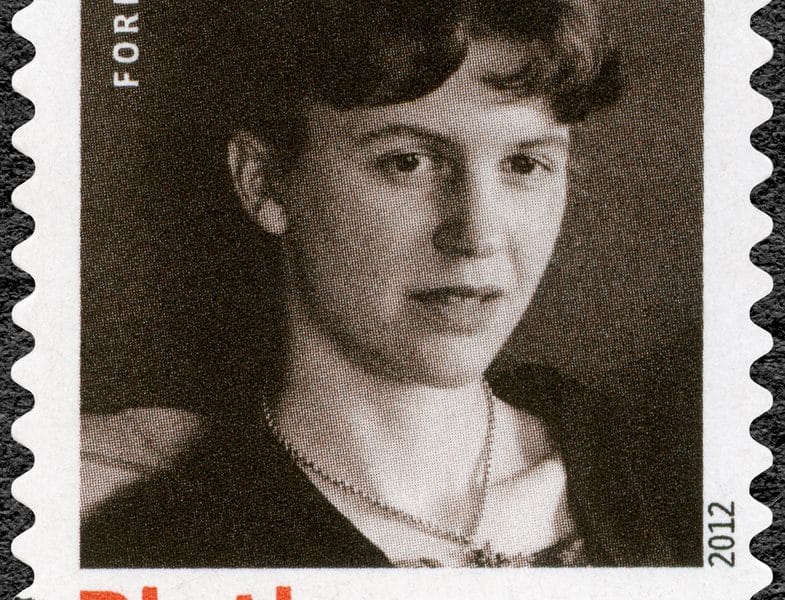
Sylvia Plath was lauded for her genius as a poet, but danger was lurking. This novel examines her profound legacy.
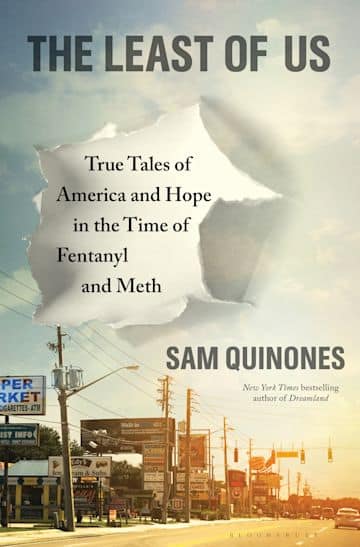
Sam Quinones offers a powerful journalistic account of how fentanyl and P2P meth came to ravage our country and users' psyches – and how people addicted can recover.
Talented journalist Stephanie Foo thought she had conquered her demons from an abusive childhood. So why was she so bereft?
We Black people—Black Americans in this case—know hard times, but our lives also sparkle with joy. Black joy, and not just Black trauma, is our inheritance.
Some librarians used to make jokes about Fahrenheit 451 as they pushed back on threats of censorship. But now it hits too close to home.
We are in the #GoodVibesOnly age, and it’s kind of a bummer. The book Toxic Positivity points the way toward authenticity.
As with the fight for civil rights or climate change, it’s going to take a movement, with families at the core of that effort. We need to reframe this crisis as more than a medical challenge: It is an issue of social justice.
In Nobody's Normal, anthropologist Roy Richard Grinker makes a compelling argument to embrace neurodiversity while tracing the stigma of mental illness back to the Industrial Revolution.