A Cat Love Story, and The Battle Over Opioid Settlement Dollars
A major policy shift in Pennsylvania now allows opioid settlement funds for public defenders, a move that could transform how counties address addiction and the legal system.
Author
Josh McGhee is the Chicago bureau chief of MindSite News and covers the intersection of criminal justice and mental health with an emphasis on public records and data reporting. He previously reported for Injustice Watch, the Chicago Reporter, DNAinfo Chicago and WVON covering criminal justice, courts, policing, race, inequality and politics. He lives on the South Side of Chicago.
A major policy shift in Pennsylvania now allows opioid settlement funds for public defenders, a move that could transform how counties address addiction and the legal system.
Coming federal budget cuts will devastate Medicaid, advocates say. Among the likely casualties: the effort to get people being released from jails and prisons enrolled in health care services, with access to addiction treatment.
Report finds racial disparities in New York law allowing mandatory mental health treatment. Survivors of solitary confinement call for change. And more.
When someone is forced into treatment, it strips them of their autonomy, say critics of Kendra's Law in New York.
Today, we release an exhaustive two-year investigation into use of force by police responding to mental health crises. Also: an alternative approach in Miami and “degreasing the school-to-prison pipeline.”
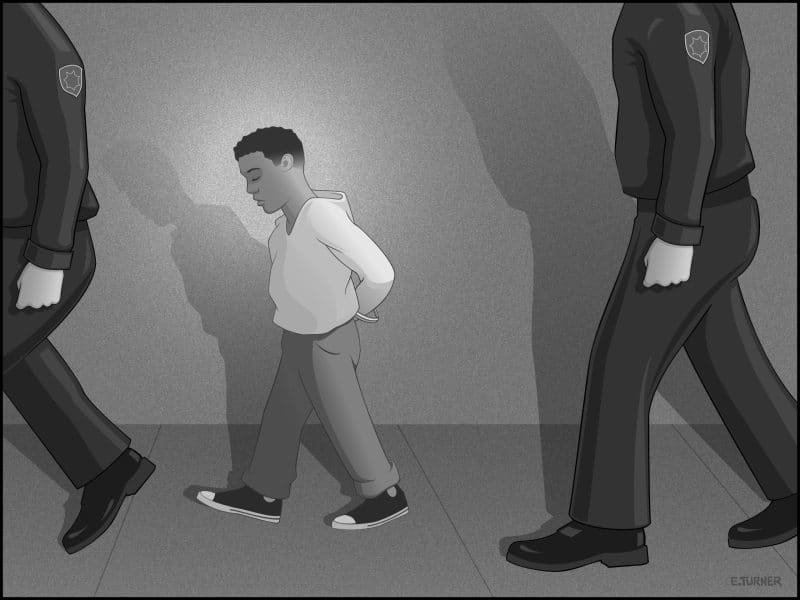
Black children are too often diagnosed with oppositional defiant disorder, labeling them as “bad kids” and perpetuating systemic racism, says a California psychiatrist.
A riveting new docuseries talks with the former youths from a famous Stanford experiment that quickly devolved into violence and chaos.
A deep dive into Chicago’s plan for transforming the city’s mental health and crisis-response services, which organizers have been pushing for years and now has the backing of Mayor Brandon Johnson.
A coalition of community advocates and mental health professionals have been demanding change in Chicago's mental health landscape for years. For the moment, at least, they're taking a victory lap.
A trio of stories examines one recent case where police intervention to a mental health crisis ended tragically – and also looks at the growing wave of cities working to create a different kind of response.
The next installment of our Fateful Encounters series produced in partnership with the Investigative Program at Medill College of Journalism, looks at the fatal and non-fatal effects of using Tasers to respond to people in crisis
At a national conference on the U.S. mental health crisis response system now taking place in Chicago, crisis counselors, administrators and federal officials are discussing ways to improve the system amid worries over funding and training.
Black residents of Chicago's West Side are disproportionately stopped by police for alleged violations. Sometimes these stops turn deadly – as one did last month for Dexter Reed, who was killed in a hail of 96 bullets. The neighborhood was left in trauma.
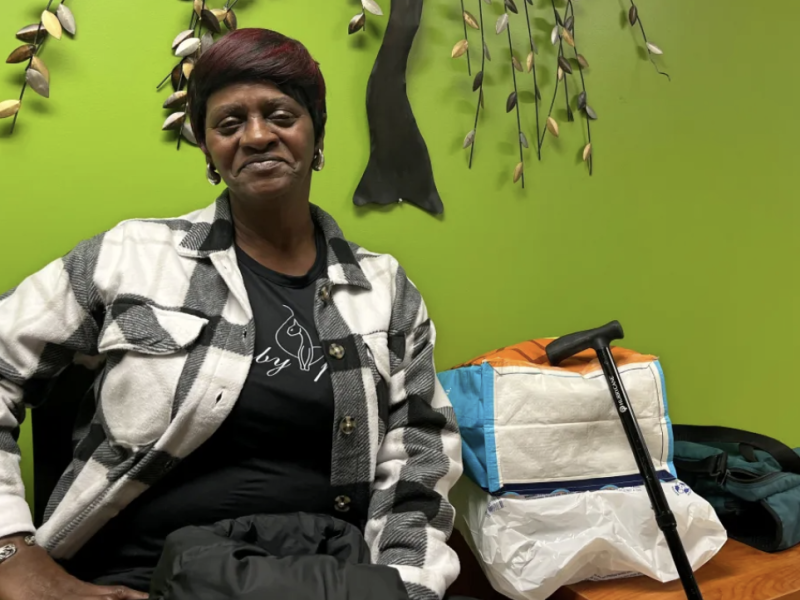
Michael Johnson, who suffered from bipolar disorder, spent 11 years in prison. He was held in solitary confinement for three years and almost lost his will to live. His daughter may have saved him.
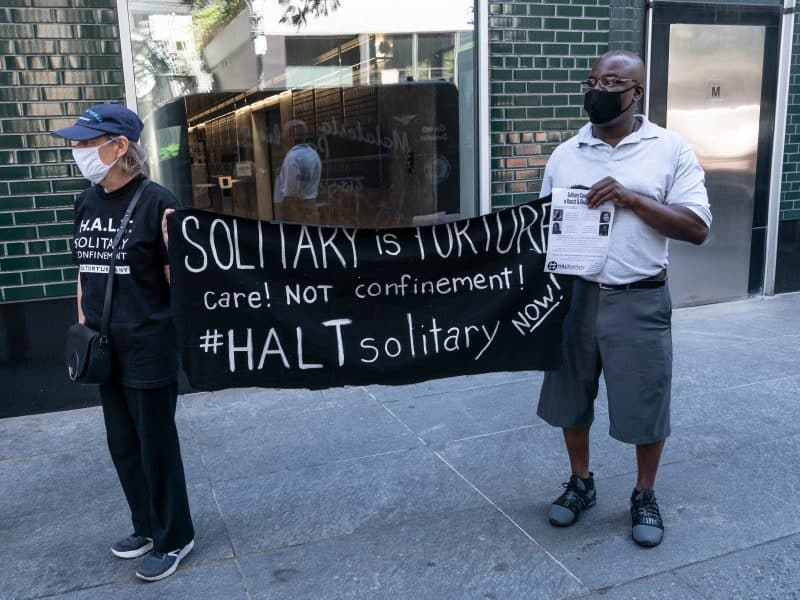
A look at the global push to end solitary confinement – a practice that is distressingly common in U.S. jails and prisons and can severely damage the mental health of incarcerated people.
I’ve had a fantastic time reporting over the last year on criminal justice and mental health and I hope you’ve found the content illuminating. We’ve put together an impressive collection of stories. Now, I need to ask you to give as generously as you can so we can keep it going.
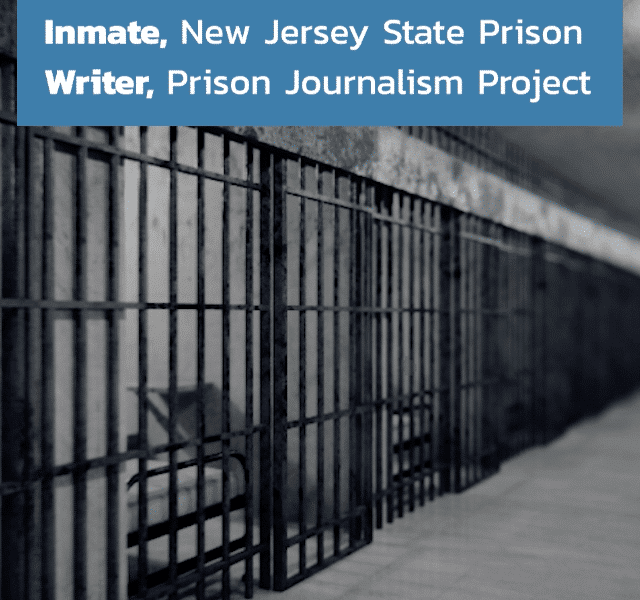
A collaborative investigation with Prison Journalism Project and The Guardian examines the death of a man held in solitary confinement at New Jersey State Prison.
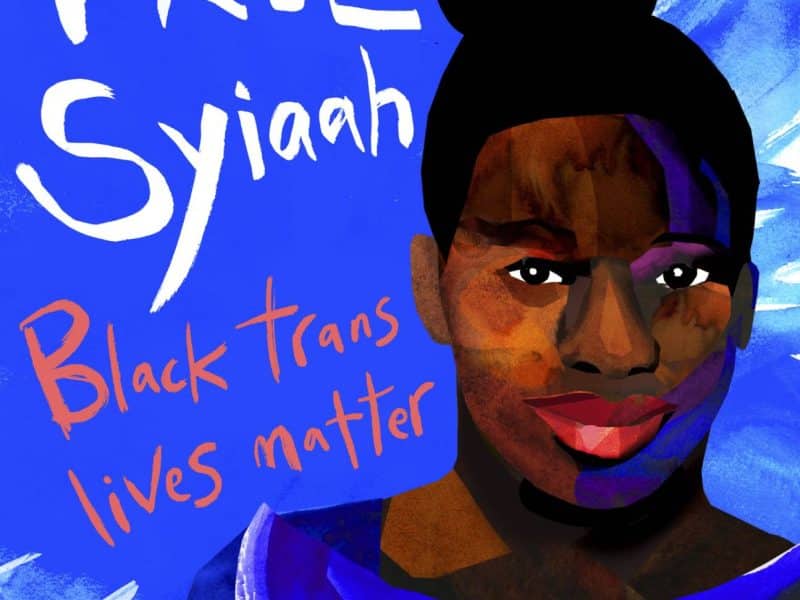
A conversation with journalist Lee Romney about the failure of California prisons to uphold a state law aimed at protecting transgender prisoners.
Lockdowns have become the new normal in Wisconsin prisons. We talk with a journalist and a psychiatrist about the effects. Plus: expanding involuntary commitment in New Jersey.
In Florida, seizing children and adults and placing them on involuntary mental health holds happens so frequently, it has become a verb: Baker Acted – a reference to a 1971 law. That law was intended to reduce the horrors of asylum care while allowing mentally ill patients to be forcibly evaluated and treated. Instead, it has become a dragnet of sorts that brings hundreds of thousands of adults and children to mental health facilities.
Almost a year after the launch of the 988 Suicide and Crisis Lifeline, only 13% of U.S. residents know the line exists and what it’s for – and many of those who do know are afraid that calling it will summon the police, according to a new survey.
Naheim Banks' mental health journey began in the early months of the COVID-19 pandemic. His father, seeing him buried in school work, said he looked like a painting of a man with the world on his shoulders. This week, Banks took part in a roundtable at the White House focused on drawing attention to the mental health crisis among young Black men.
Support MindSite News
MindSite News is the only digital news site in the U.S. dedicated exclusively to reporting on mental health. We use the power of journalism and storytelling to expose the crisis of the mental health system in America and to push the needle towards needed change.
Take our reader survey and help shape MindSite News reporting