
Backdoor Expulsion: Even Preschoolers are Being Transferred as Punishment
It's not just teenagers being pushed out of schools. Research suggests pre-schoolers may be most likely to be transferred out as a form of punishment.

It's not just teenagers being pushed out of schools. Research suggests pre-schoolers may be most likely to be transferred out as a form of punishment.

Thousands of California students are being transferred for disciplinary reasons – with little or no legal protection. The transfers are demoralizing, advocates say. “Any disruption to a child’s education program is a problem," said Chelsea Helena, an attorney at Neighborhood Legal Services of Los Angeles County.

Gov. Gavin Newsom is proposing to shift the use of mental health dollars raised by a state tax on millionaires. He wants to move some funds toward housing for severely mentally ill people living on the street. Some mental health advocates fear the change will cut funding for children's and community-based services and prevention – "robbing Peter to pay Paul," as one agency director put it.
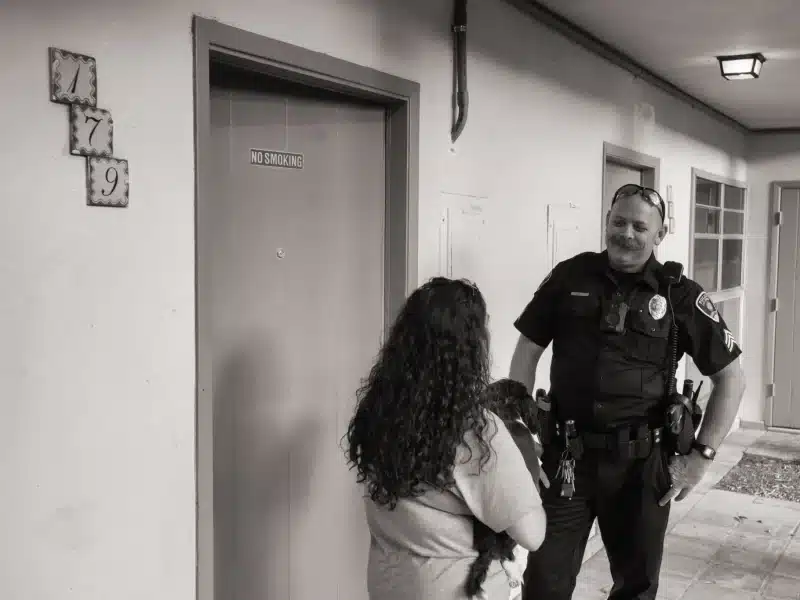
Las Cruces has become the latest city in New Mexico to start a program using mental health workers instead of police to respond to people in crisis. A similar program in Albuquerque, started in 2020, has not led to a reduction in police shootings of people with mental illness.

Since 2019, 12 states have passed legislation to allow students to take excused days off from school for their mental health. A few, such as New York and Maryland, have bills pending. Reporters for Youthcast Media interviewed their peers and professionals for their views on the idea.

A review of practices inside Cook County's temporary juvenile detention center found dangerous forms of restraint and isolation, failure to keep adequate records, and “inhumane” treatment of incarcerated teenagers. Many of them struggle with learning disabilities and mental health conditions.

In 2015, Los Angeles County launched an effort to keep people with mental and physical health needs out of the county’s jails. Officials trumpeted it as a new era for justice in the most populated county in the U.S. Instead, the number of mentally ill has exploded, even as the overall jail census has fallen.
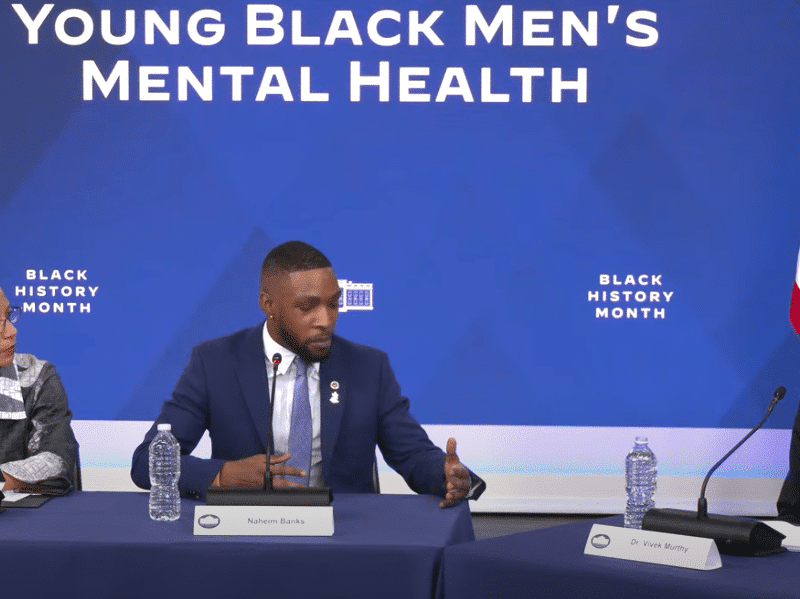
Naheim Banks' mental health journey began in the early months of the COVID-19 pandemic. His father, seeing him buried in school work, said he looked like a painting of a man with the world on his shoulders. This week, Banks took part in a roundtable at the White House focused on drawing attention to the mental health crisis among young Black men.
Exercise of various sorts and durations was more effective than either medication or psychotherapy and “should be a mainstay approach in the management of depression, anxiety and psychological distress.”

Some 7.5 million people were arrested in the U.S. in 2020, and more than 10 million people were arrested each year in the 2010s. Now a new study looking at three of those years, 2017 to 2019, finds that one in nine of all arrests was of a person grappling with both a mental health and substance use disorder.
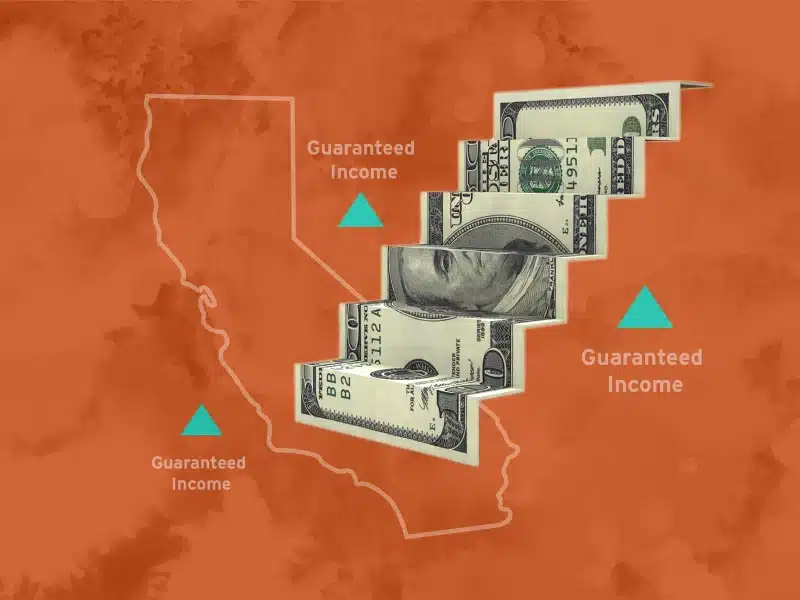
Four years ago, Stockton conducted a nationally-watched experiment, giving 125 households $500 a month with no strings attached. Today, dozens of programs throughout California are testing the idea of a guaranteed income. It's the largest modern U.S. experiment in unrestricted cash payments: More than 12,000 Californians expected to receive more than $180 million in public and private funds.

Californians once again have named mental health as a top priority for the state’s political leaders to address – and they are deeply concerned about other people’s mental health, as well as their own. Many said they had trouble finding a provider who took their insurance or waited too long for an appointment.

The feeling of being ignored or dismissed in medical and mental health settings is common, but it is particularly prevalent among older adults. Some older people are infantilized by mental health providers. And real issues may be downplayed.
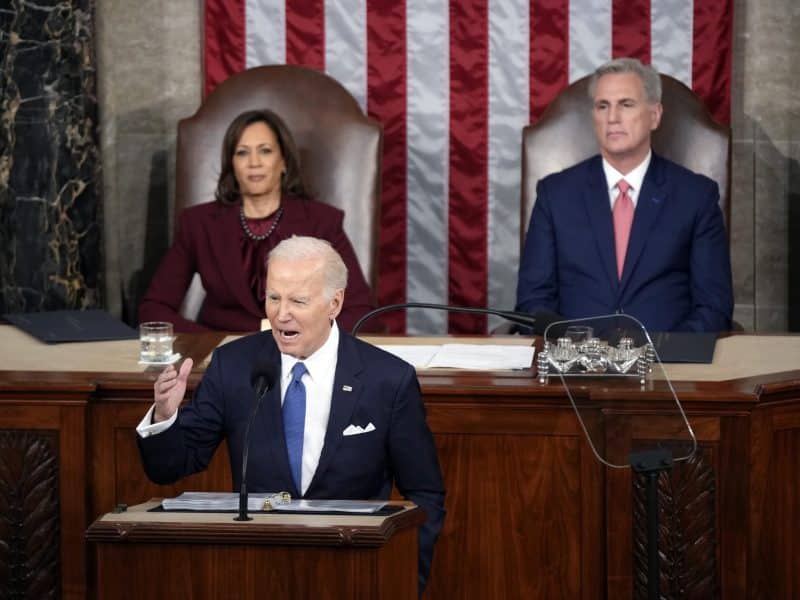
For the second year in a row, mental health played a leading role in a State of the Union message delivered by President Joe Biden.

As the nation reels again from mass shootings and gun violence – and really, when have we stopped reeling in recent years? – four graphics can tell us almost everything we need to know about the true nature of gun violence in America.

Since last spring, more than 30,000 migrants have been processed at NYC shelters. Many are grappling with serious mental health problems, stemming from their migration, language barriers and housing insecurity.

Two more communities are stricken with grief in the wake of the Jan. 21 shooting at Monterey Park, Calif., that left 11 people dead and nine wounded, and the Jan. 23 shooting in Half Moon Bay, Calif., that killed seven and injured one. Families and friends of the victims, as well as those who were injured, are no doubt gripped with grief, anguish and despair.

2022 was the year mental health was fully embraced as a national issue – and seen, finally, as a major human crisis that had long been ignored. It was a year of unprecedented attention and funding. And, for many, it was a year of fear and anxiety.
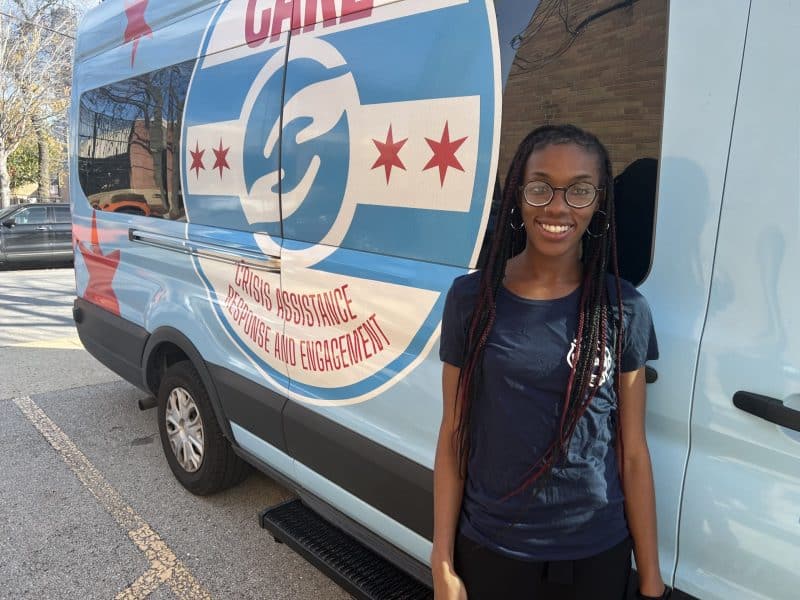
Chicago has been rolling out a pilot program testing alternative ways to respond to mental health-related 911 calls. The program is meeting with success, but handles only a fraction of those calls. The effort has kicked off a debate about the role of police.

The fledgling 988 Suicide & Crisis Lifeline – which has struggled to get sustainable funding from states – got a lifeline of its own last week when the Department of Health and Human Services announced awards of more than $130 million to 51 states and territories to support and expand the national network of 988 call centers.

Overwhelmed by a continuous barrage of wildfires, Cal Fire firefighters have grappled with mounting mental health problems. Now a new contract provides pay hikes, but delays for two years the shorter workweeks they wanted to relieve job-related stress.

Experiencing neglect, abuse or other forms of adversity as a child greatly increases lifelong health risks. In 2020, California launched an effort to screen children and adults for ACEs – and has screened about 900,000. But the state is failing to track whether patients receive the follow-up services or support they might need.
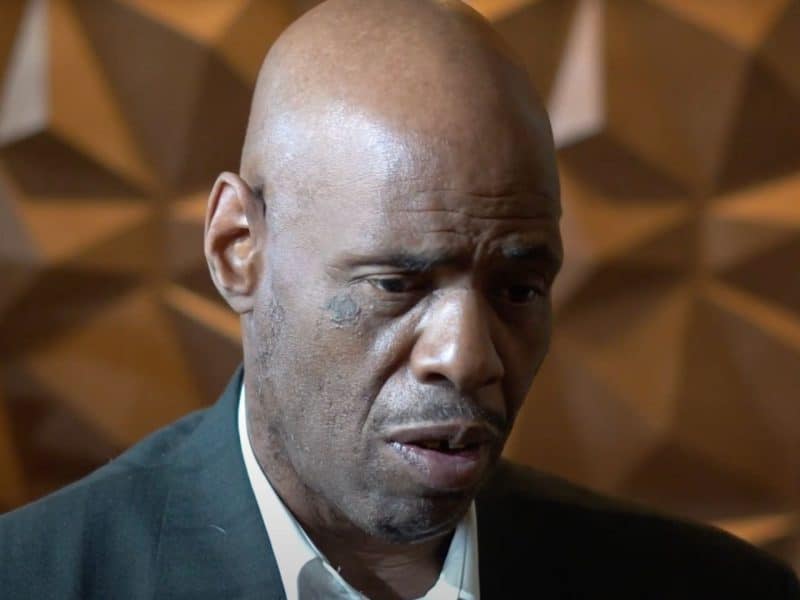
Many of the nation’s two million children or young teens with a learning disability are diagnosed only in second or third grade, after falling behind their classmates. Without screening or testing, teachers and school staff often don’t spot the need.

MindSite News contributors won two awards from the San Francisco Press Club including the top prize in the Series/Continuing Coverage category for our compelling stories on the changing views of mental illness in films, streaming series, novels and television.
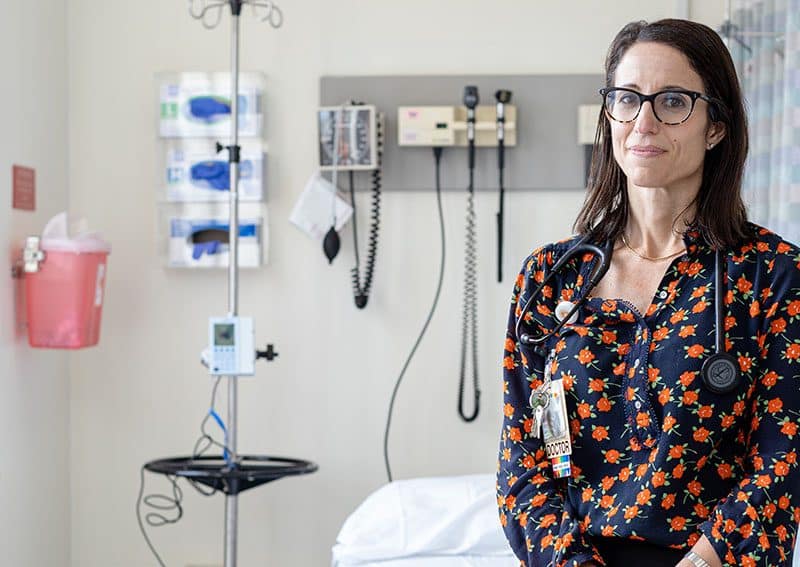
Next year, California will become the first state in the country permitted to use Medicaid funds to pay for a controversial approach: paying meth users with a negative urine test small amounts of money to reinforce their abstinence. Research shows the approach – used in combination with other therapy – works.
Join us Tuesday, Dec. 9 at 10:00 am PT for our next free webinar.
Some therapists who had trouble connecting with youth turned to another source of connection: Minecraft therapy, which follows the approach of play therapy. In this webinar, we’ll talk with two leading experts in the promising genre.

How Minecraft Therapy Is Transforming Child and Teen Mental Health Care