On No Kings Day, Millions Rallied to Denounce Trump and “Epstein War”
Anti-Trump protests took place in all 50 states, Puerto Rico and other US territories and in countries around the world.

Anti-Trump protests took place in all 50 states, Puerto Rico and other US territories and in countries around the world.
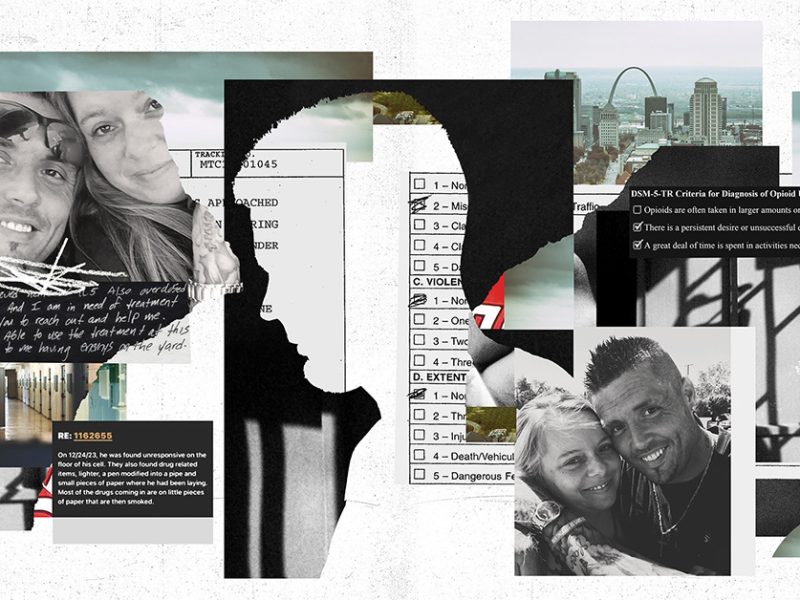
Changes to federal law allows Medicaid to provide health and other services to people exiting prisons. California and some other states are making use of the program, but expansion efforts will depend on the Trump administration.
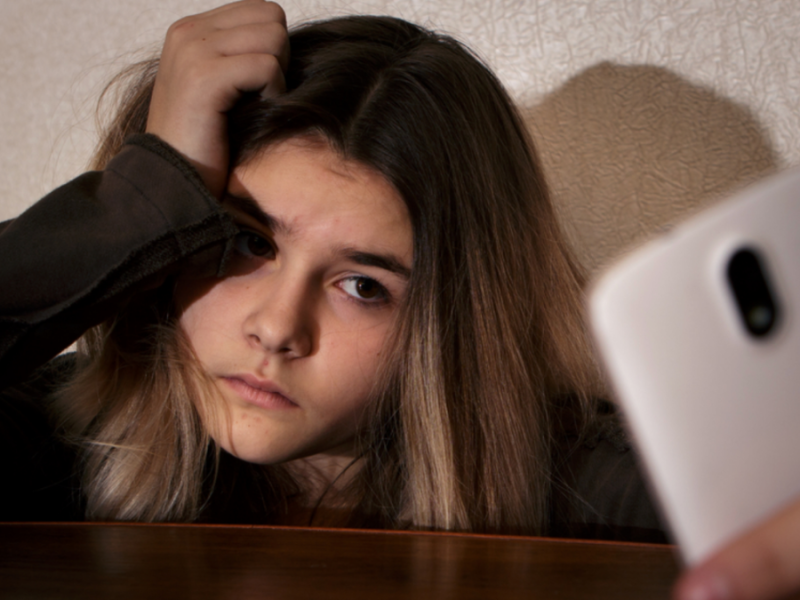
Meta, Instagram's owner, and Google, Youtube's owner, neglected to protect a user from their apps’ addictiveness, a jury rules.

Dr. Bandy Lee urges Americans to protest by marching on No Kings Day to the White House and state capitols and refusing to leave.

Experts say more preventive care is needed to combat the growing mental health crisis affecting college students.
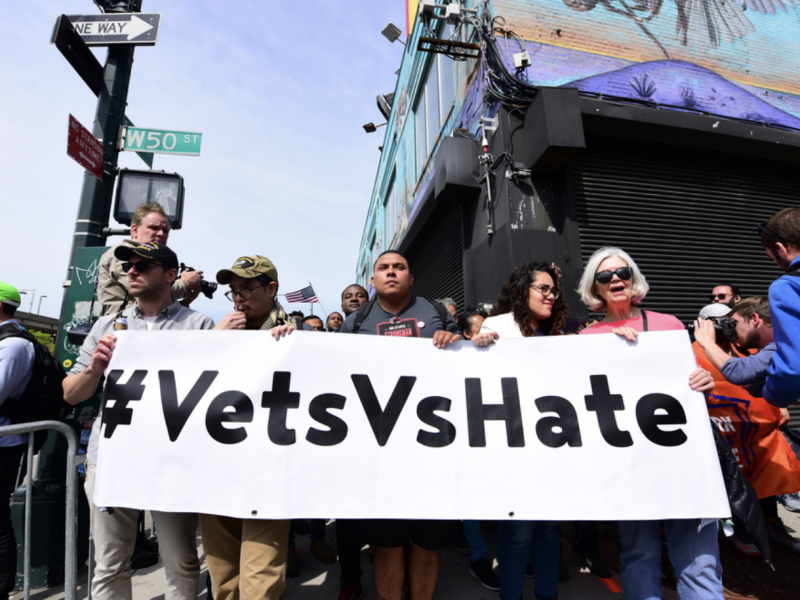
Since Trump’s return to office, the strained staffing situation within the Department of Veterans Affairs is now “at a breaking point."

At UC Berkeley, students have lost thousands to employment scams. Victims said they now experience shame, fear, anxiety and depression.
After nine months in Dilley Immigration Processing Center, “we forgot what it feels like to be free," a recent high school graduate wrote.
More young adults are being diagnosed with cancer. Even for those who survive, the experience can be destabilizing and isolating.

Not having children is also a valid path, and one that everyone should consider, Merle Bombardieri argues in her 1981 book.

Iranians in the US are caught between two "unrepentant regimes,” says Iranian-American writer and professor Shervin Malekzadeh.
Many new programs have removed the most transformative, curative and life-affirming parts of the psychedelic experience.
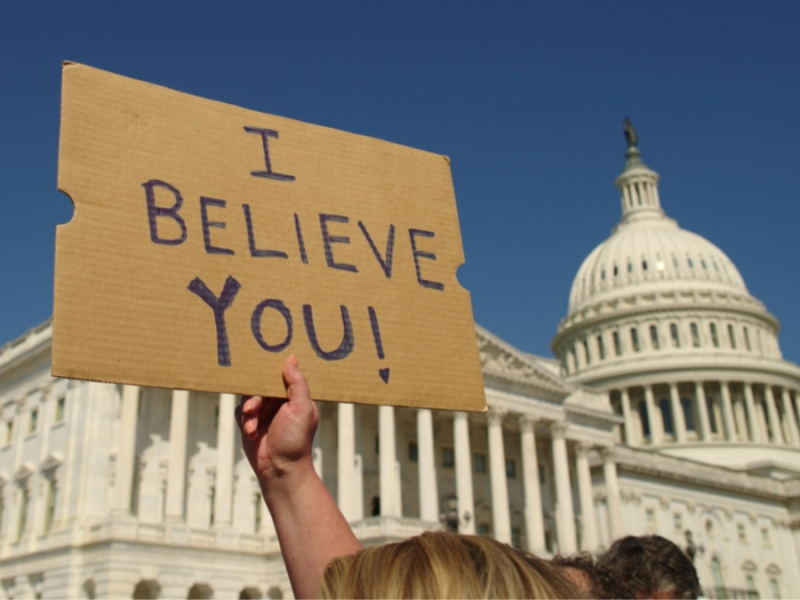
New Mexico has announced it is probing into an allegation that Epstein ordered the bodies of two girls to be buried near Zorro Ranch.
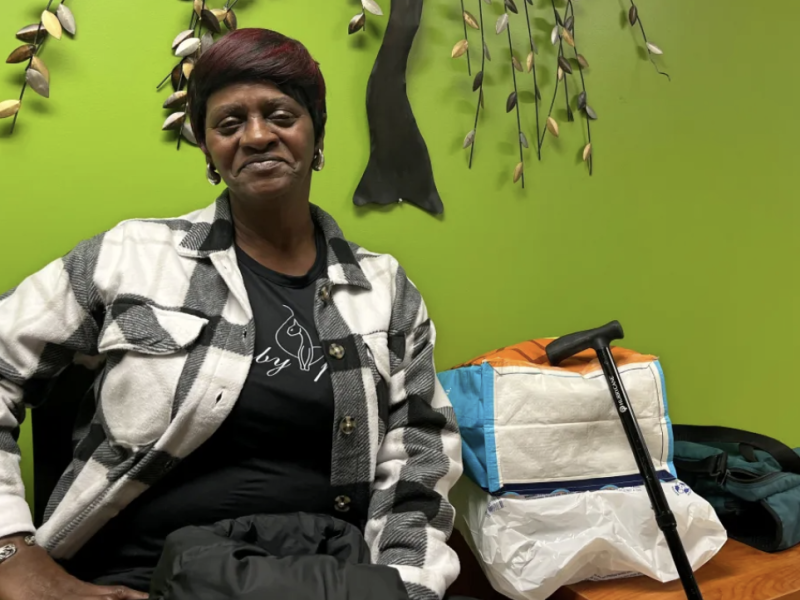
As overdose deaths rise among older adults, Baltimore's REACH Health Services offers groundbreaking addiction care for seniors that combines medication with intensive peer support. Plus a look back at a historic fight against solitary confinement. And more.
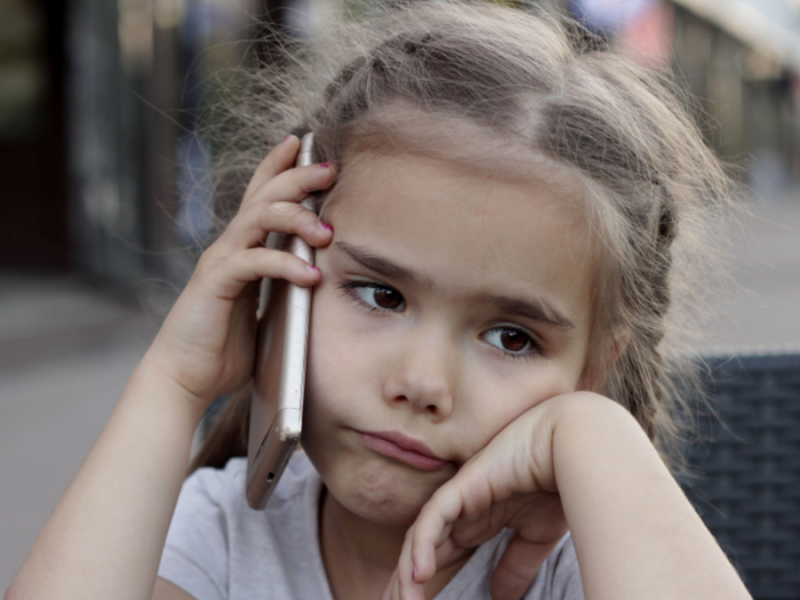
As families connect virtually, it's becoming easier for kids to play online. That makes it harder to organize real-life playdates.
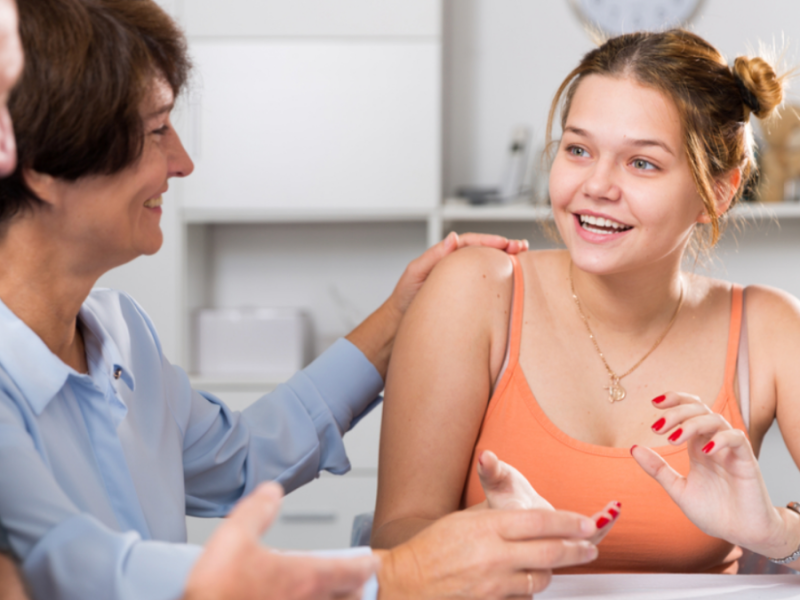
New research finds that close relationships with parents during middle and high school can predict a strong social life two decades afterward.
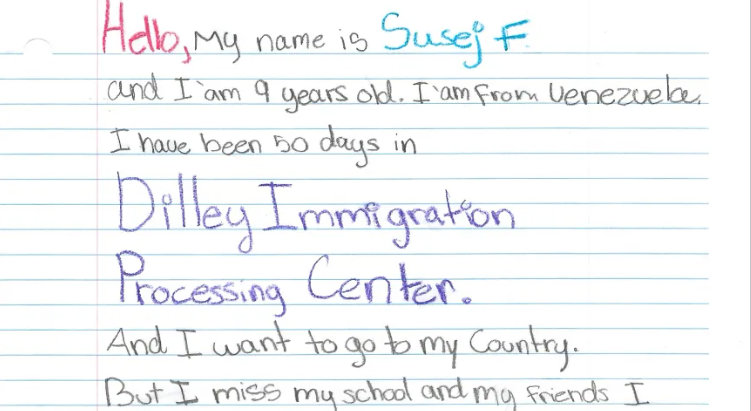
According to letters from children living in an ICE detention facility, living conditions are inhumane and their mental health is suffering.
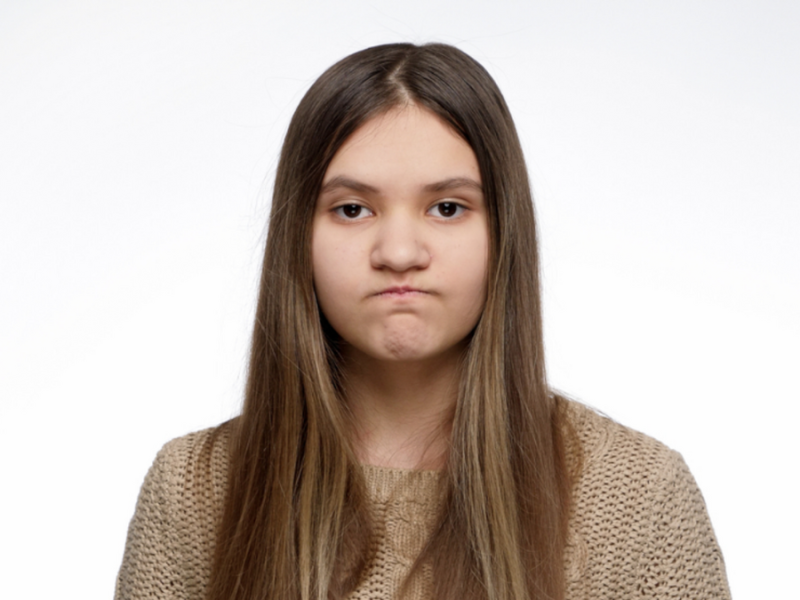
A study finds that some teens' aggressive behavior may be due to social anxiety, not straightforward reactivity.
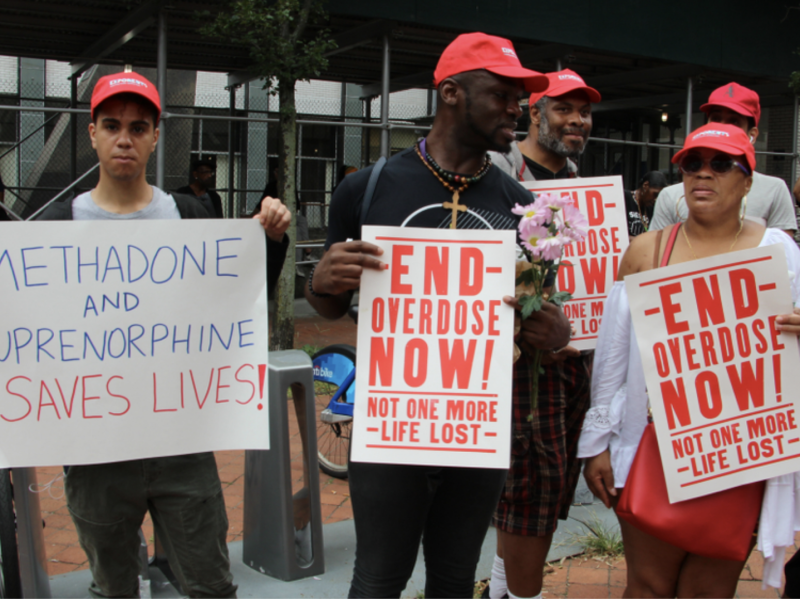
As the Trump administration pulls funding from harm reduction, an expert on the overdose crisis says it's the best way to save lives.
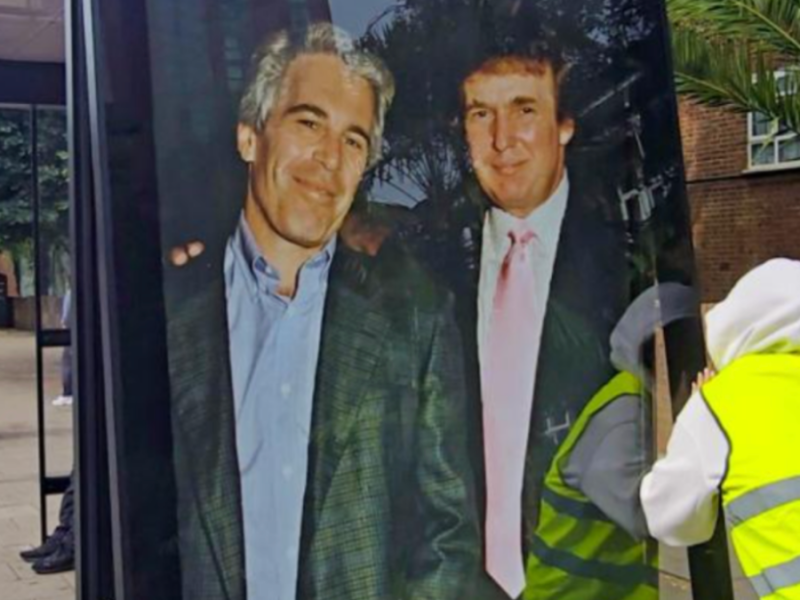
The millions of Epstein files included thousands of mentions of Donald Trump as well as identifying information about Epstein's victims.

Neurodiverse burnout can leave children stuck in a "cocoon." Learn how scaffolded parenting helps them move back to the world.
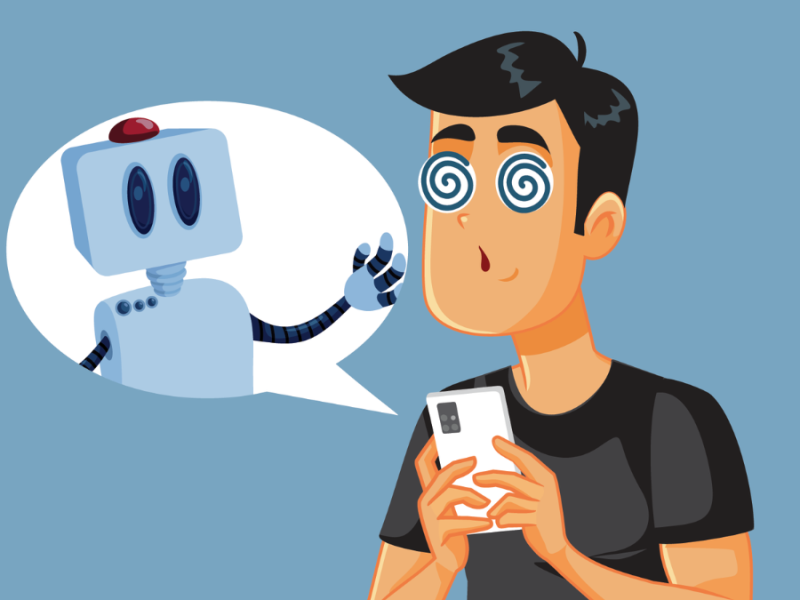
Psychologists say AI chatbots have led people to experience delusions, warning that more of us are at risk than we might think.
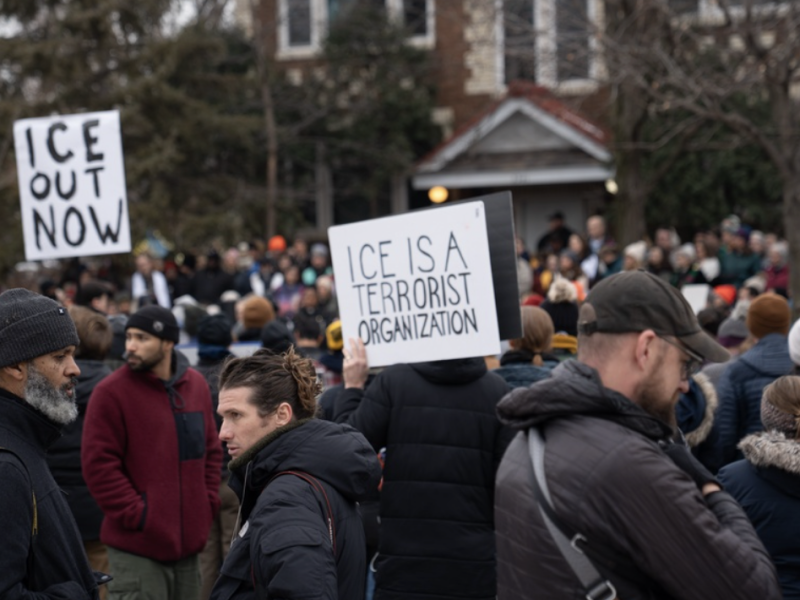
We look at another ICE killing of a US citizen in Minneapolis, and the federal government’s ensuing firehose of lies and propaganda.
A major policy shift in Pennsylvania now allows opioid settlement funds for public defenders, a move that could transform how counties address addiction and the legal system.

A new study from the Brookings Institution finds that generative AI does more bad than good in today’s classrooms.
Take our reader survey and help shape MindSite News reporting
