Author

Don Sapatkin

Don Sapatkin is an independent journalist who reports on science and health care. His primary focus for nearly two decades has been public health, especially policy, access to care, health disparities and behavioral health, notably opioid addiction and treatment. Sapatkin previously was a staff editor for Politico and a reporter and editor at the Philadelphia Inquirer, and is a graduate of the Pennsylvania Gestalt Center for Psychotherapy and Training. He earned a bachelor’s degree from Haverford College and is based in Philadelphia. He can be reached at info@mindsitenews.org

Don's Latest Articles

New Kaiser Report: The Pandemic Hammered our Mental Health –
Especially for People of Color

The Covid-19 pandemic has taken a steep toll on the mental health of many people but have struck hardest at communities of color. A new analysis by the Kaiser Family Foundation makes this clear.
“It’s not just you,” says the NY Times

Mental health is political. The term mental health is a euphemism. Exhausted musicians are canceling tour dates. And a conservative writer says the mental health crisis is a spiritual one.

Nursing a vulnerability hangover

The intense regret, shame and anxiety people tend to feel after oversharing is usually unwarranted. Atypical depression in women is common. Plus: The risks of using cannabis while pregnant.

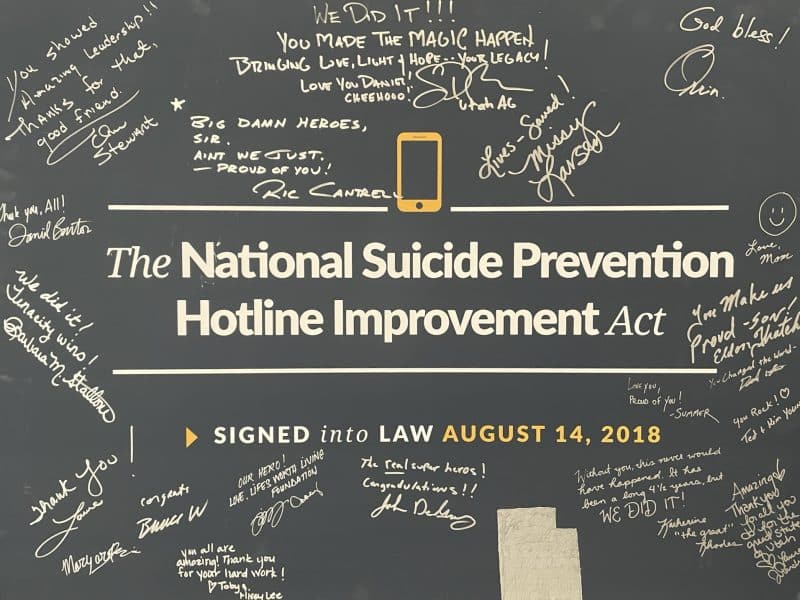
Calls to 988 crisis line jump in 1st month

Calls answered by the new 988 crisis line increased by almost half. Personal tragedies helped motivate policymakers to start a new mental health caucus. And a disturbing look at the mental health toll of climate change in Texas.

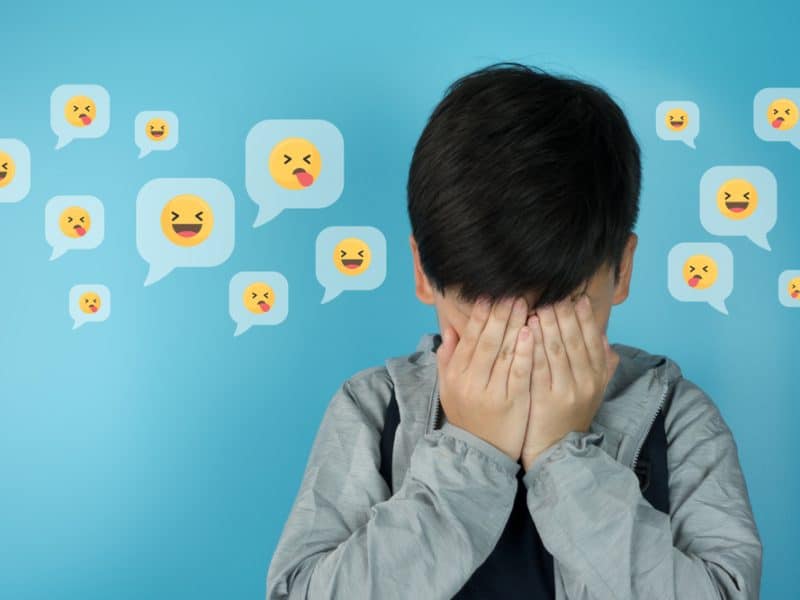
Kids who bully themselves online

Kids who post mean comments about themselves online are more likely to attempt suicide. A homeless woman in LA gets comfort and cheer from her emotional support duck. And more.

Can psilocybin therapy help curb heavy drinking?

A small study finds two doses of psilocybin (and talk therapy) dramatically reduced heavy drinking. Plus, how sleep, light and circadian rhythms offer new hope for depression, along with novel research about oral microbes and suicidal thinking.

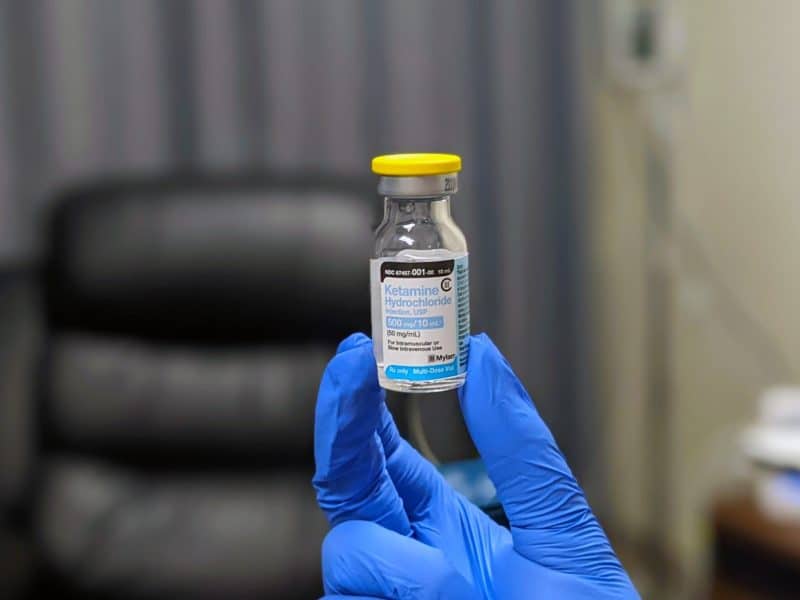
Take-home ketamine?

Ketamine clinics are growing rapidly, and some are dispensing the drug for take-home use. Plus, a series of articles on new insights into depression and a critical look at wilderness programs for troubled teens.

Computer Simulations Reveal Communities’ Mental Health Needs

How a virtual world simulation is helping estimate how many psychiatric beds our communities need. Plus, what PowerWash simulators and teaching rats to drive tells us about our own mental health.

Big decision for Gavin Newsom

Governor Gavin Newsom must decide whether to let three California cities set up sites where drug users can inject themselves under care and supervision. Seep pods on campus let college students take power naps. And more.

Will California limit solitary confinement?

California's legislature considers a bill that would greatly limit solitary confinement in prison. A Canadian city has dramatically reduced chronic homelessness. And a giant genomic database raises privacy concerns alongside hopes of cures.

As school resumes, mental health worries grow

As kids return to school, the schools they're going back to are hard-pressed to meet their mental health needs. Critics take to social media to express fears about the impact of calling 988. And super-heroes with mental health challenges.

The unraveling of Go Ask Alice

Discover the hallucinogenic backstory of Go Ask Alice. Plus, the disturbing experience of a 15-year-old boy stuck in an abusive Texas juvenile prison and the problems of screening for a genetic risk of mental illness in embryos produced by IVF.

Alleged fraud rocks Alzheimer’s research

New investigation asks a striking question: Is a key hypothesis about the causes and potential treatments for Alzheimer's built on fraudulent science?

Predicting suicide by gun

Restrictions on methadone treatment could be safely lifted, opening access to far more people. An AI-derived algorithm predicts which handgun buyers will die by suicide.

Michael Pollan Docuseries Explores the World of Psychedelics

Michael Pollan’s 2018 book How to Change Your Mind, a No. 1 New York Times bestseller, premieres as a four-part Netflix docuseries on Tuesday, with each episode devoted to a different hallucinogen.

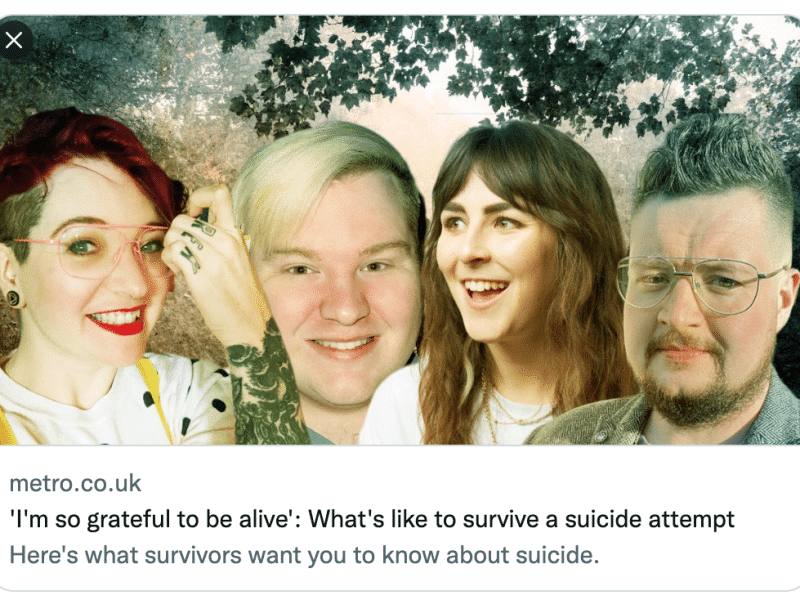
Voices of suicide survivors

People who have attempted suicide share how they felt – and their work to help others. Black nursing home residents are sent to hospitals more often than whites. And the healing power of strength training.

The business case for neurodiversity

Hiring more autistic workers can be a win-win. Mental health advocates react to the Supreme Court ruling on abortion. Plus, a love letter to Ordinary People.

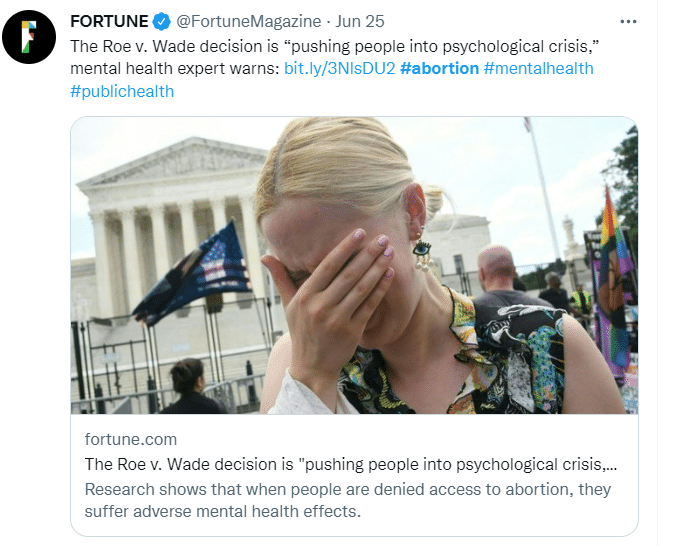
SCOTUS ruling “pushing people into a psychological crisis”

In today's newsletter, we discuss the mental health impact of the Supreme Court's decision to ban abortion and loosen gun control laws. Plus, MindSite Originals on one man's journey through a dark era for LBGTQ people -- the sixties -- and a pair of stories on the new Ken Burns Presents documentary on the youth mental health crisis.

A new transgender divide

Providers of transgender care debate upcoming guidelines. Red states reject Medicaid expansion– but seek postpartum Medicaid coverage. A researcher in Kenya uses musical call and response to reduce the stigma of mental health disorders.

Scam alert for mental health professionals

Learn about the latest phone scam targeting therapists and other mental health professionals. Plus: mental health days for students, uplifting news about Denver's mental health crisis teams, and advice on what to tell your teens about suicide.

Pandemic deaths soared for mentally ill

Why your primary care doctor can treat the flu in-network but might be out-of-network for depression. The great potential of the vagus nerve. And the striking rise in deaths among the mentally ill during Covid.

Death rates increased the most during pandemic for people with mental illness and brain disorders, Medicare data shows

The death rate for people with schizophrenia increased more than any other group during the pandemic, along with many excess deaths from other mental illnesses and brain-related disorders.

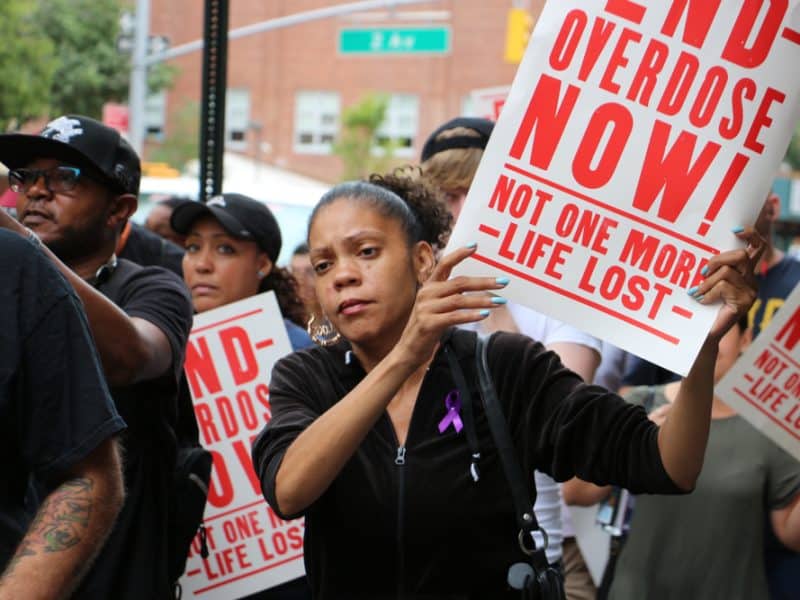
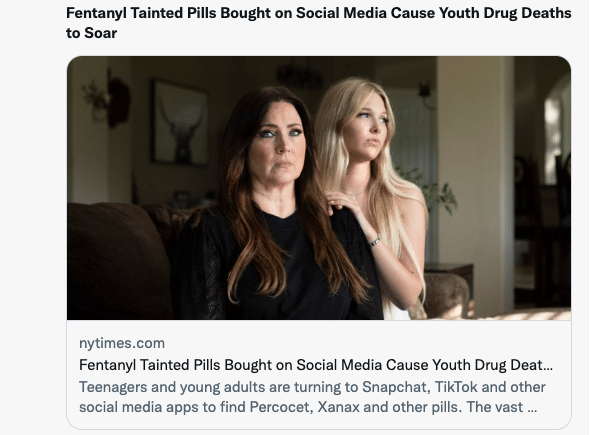
Selling fentanyl by Snapchat

Drug dealers are using social media channels to market fentanyl-laced knockoff pills. A bipartisan effort to improve mental health services. The growing push to write prescriptions for people to get out in nature.

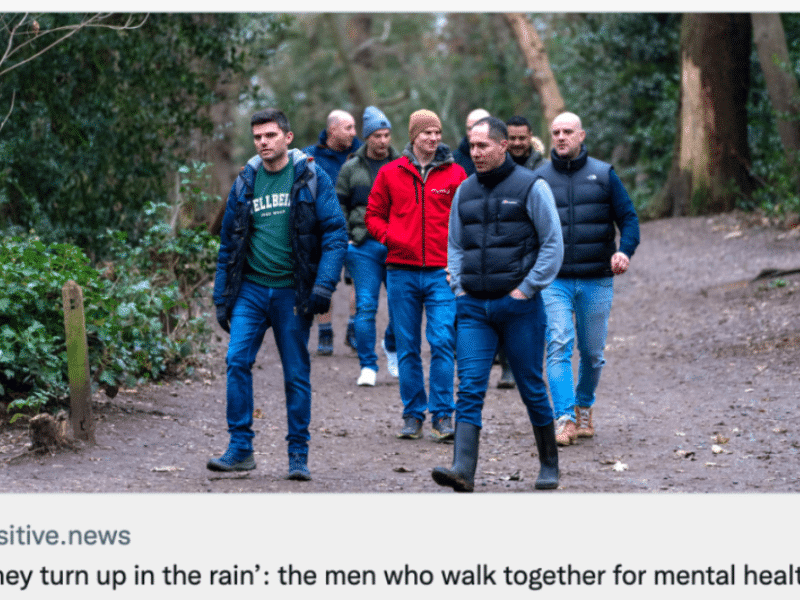
Walking and talking for mental health

A British firefighter walks with other men to share feelings and get support.. Singer-songwriter Carla Morrison talks about how she reclaimed her mental health. And two news organizations look at state bureaucracies that have failed troubled children and incarcerated adults.

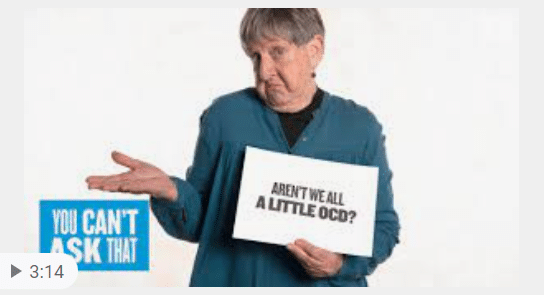
A cultural mindshift on OCD

Thinking about OCD has changed, as reflected in popular culture. Which might help you most: a therapist or coach? And a multimedia package helps teens talk about their mental health.

Take our reader survey and help shape MindSite News reporting

Close the CTA