Solutions Lab

Making churches more welcoming for members with dementia: ‘We don’t want them to think they’re forgotten’

A nurse-led program based in Atlanta equips Black churches across the country with funding and support to make their services more welcoming to people living with dementia and their families, challenging the stigma that often accompanies the disease.

Latest in Solutions Lab
Shootings, Lockdowns, Anxiety: Kids Are Not Alright – But They’re Working On It

America's children are living in a time of anxiety, climate change, lockdown drills and school shootings. Yet some kids are fighting off the worries by spreading kindness, taking action and talking about their feelings.

Breaking Away From Hate

Trauma, abuse, and mental health problems can make people more vulnerable to violent extremism. Here’s how a movement founded in part by former white supremacists is helping extricate Americans from violent hate groups.

Peer Court Keeps Youth Accountable, Removes Shame and Stigma

Marin County's Peer Solutions program works to keep young people out of the criminal justice system, encouraging responsibility and transformation.

Therapy as Reparations: Working for Free Mental Health Access for Black Americans

Black Americans are descendants of people who have experienced unprecedented trauma for generations. Dr. Brian Dixon is calling for free psychotherapy as reparations.

Pets Rx: How Furry Companions Can Help Protect Kids Against Stress 

Research suggests that pets can promote mental health and resilience in children.

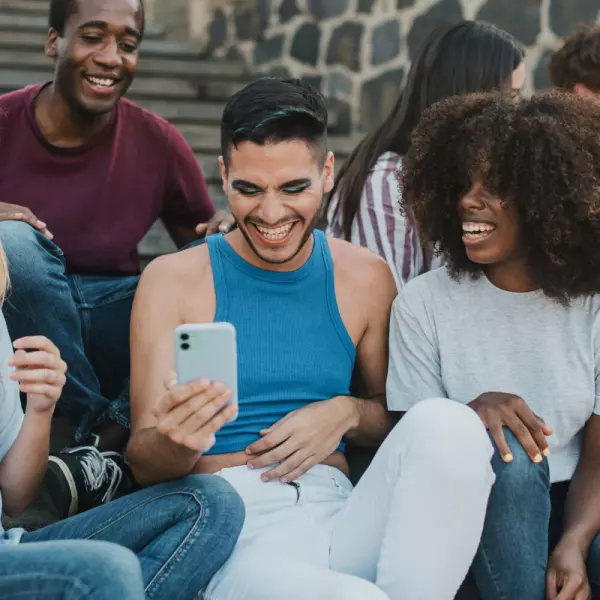
Can the Right Kind of Tech Help Address the Mental Health Crisis Among LGBTQ+ Youth?

Increased visibility of LGBTQ+ people and progress in policy change has allowed young people to define themselves and feel more confident expressing their identity. But here’s the downside: Most LGBTQ+ adolescents still come out to a hostile and rejecting world. Today, kids who don’t get support at home can connect with online supports and resources – if we continue to create and support those tools.

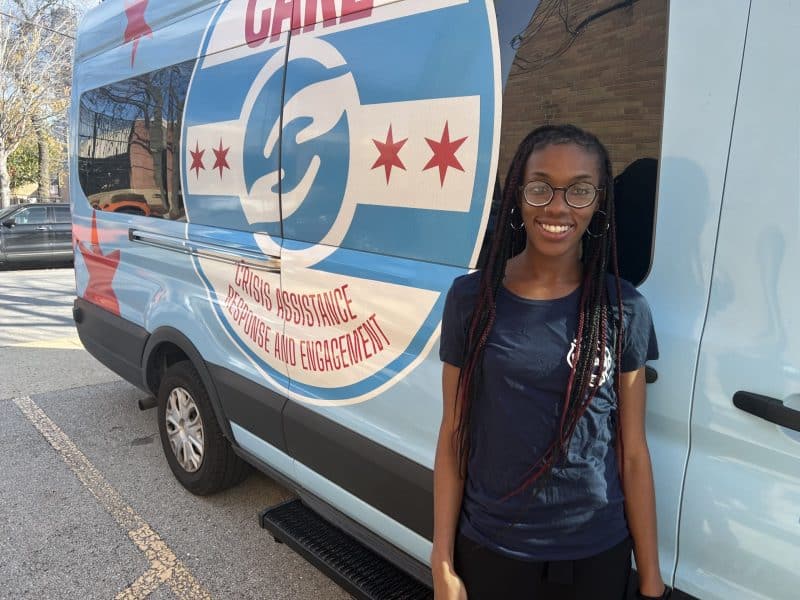
Chicago Experiments with Crisis Response Units, Grapples With Dilemma: Include Police or Not

Chicago has been rolling out a pilot program testing alternative ways to respond to mental health-related 911 calls. The program is meeting with success, but handles only a fraction of those calls. The effort has kicked off a debate about the role of police.

It Takes a Village to Tackle the Teen Mental Health Crisis

Since 2020, middle school and high school students who are members of the Gonzales, California Youth Council, a parallel city council for the young have created a new mental health strategy for the city and its schools, and secured resources to enact it. In the process, Gonzales teens offered a model of do-it-yourself pandemic response.

In New York, ‘Housing First’ Approach Helps Unhoused People Find Stability

After a childhood spent in foster homes and three years living in a New York City shelter with her son, Ronnie Hodge was able to move into her own apartment two years ago. The apartment is leased by a nonprofit, HousingPlus, that helps parents with children get into housing – and then helps them tackle other problems. “It’s not housing only, but housing first,” said one researcher, who views the housing-first approach as vital.

An Oklahoma Home Is Filling A Major Gap In Child Mental Health Services

A lack of treatment options for children with significant mental health needs means that if they get treated at all, they are often separated from their families. Grand Lake Behavioral Health in Oklahoma has developed a new alternative: a short-stay home for the whole family.

Can Financial Rewards Help Meth Users Kick the Habit?

Next year, California will become the first state in the country permitted to use Medicaid funds to pay for a controversial approach: paying meth users with a negative urine test small amounts of money to reinforce their abstinence. Research shows the approach – used in combination with other therapy – works.

Can Peers Power the Mental Health Workforce of the Future?

As communities across the country set up new ways to respond to mental health emergencies and the federal government increases funding for mental health programs, the shortage of clinicians looms as a major barrier. One potential solution: training and hiring large numbers of peer support providers.

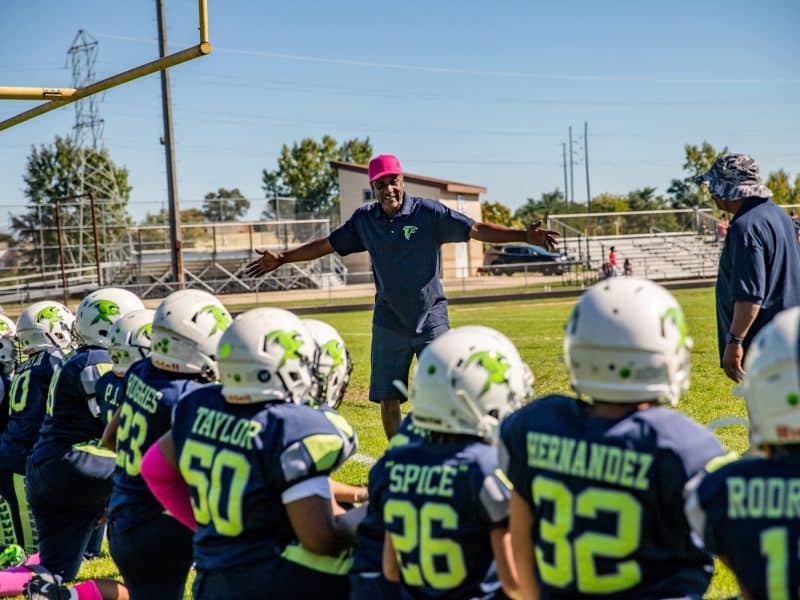
Out of bounds: Coaching alliances call foul on abusive sports parents

As abusive parents threaten players’ mental health and put coaches in danger, nonprofits aim to put fun and sportsmanship back in the game.

How a Colorado Community Put Mental Health First After a Wildfire

Every time there's smoke or a strong wind, therapists are getting calls from wildfire survivors who've been retraumatized.

Dial 988: California’s new mental health crisis hotline debuts

Starting Saturday, people experiencing mental health crises in California and around the country need to remember just three numbers to dial for help: 988. Compared with many other states, California appears to be in relatively good shape to receive an influx of new callers as news of 988 spreads, according to some mental health leaders. 

Combating veteran suicides with peers, therapy, housing – and a little horse sense

Since 1974, Swords to Plowshares has helped veterans with PTSD or other problems find jobs, benefits and a place to live.

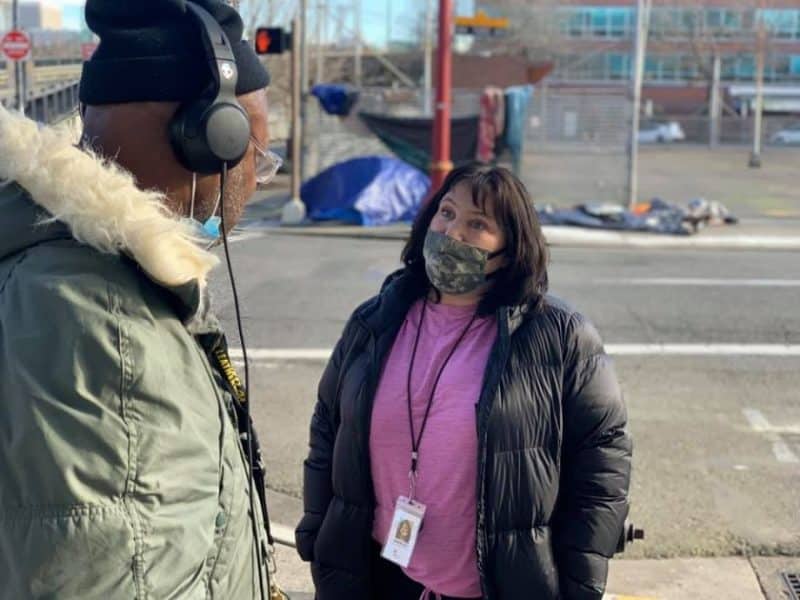
Can Peer Support Help Unhoused Portlanders in Crisis?

Service organizations in Portland, Oregon, hope to expand a program that supports unhoused locals living with substance use or behavioral health challenges. The plan: employ six to eight peer support specialists to provide counseling services.

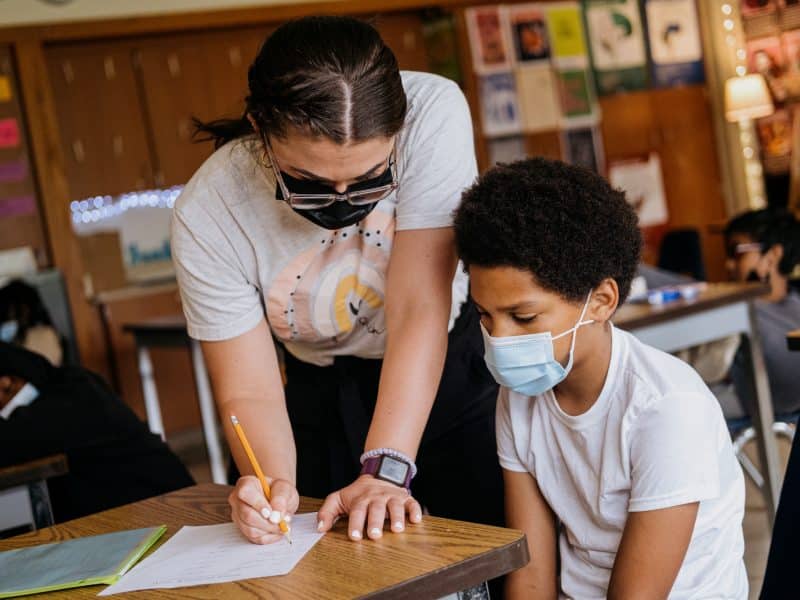
As Youth Mental Health Crisis Rages, Michigan Schools Work to Bolster Students’ Sense of Connection 

The pandemic intensified a long-festering youth mental health crisis and left schools searching for answers. In Michigan, 600 schools have adopted a social-emotional learning curriculum known as TRAILS – Transforming Research into Action to Improve the Lives of Students. It is poised to grow further – if the legislature approves new funding.

Young Advocates Take the Lead to Curb Campus Suicide

Suicide is now the second leading cause of death on college campuses. Peer support, trainings and suicide prevention programs aim to reverse this deadly trend.

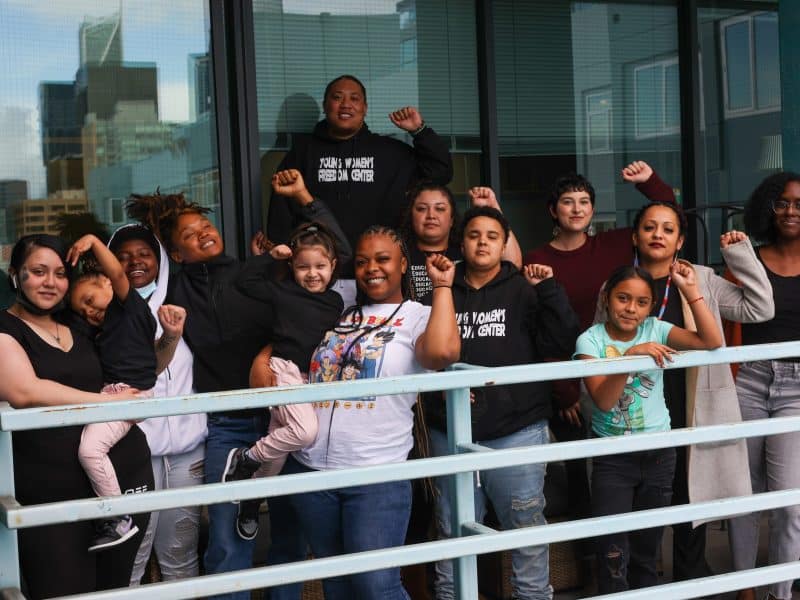
Revolution From the Inside Out  

A new generation of activists from the Young Women's Freedom Center is working to change the system while struggling to heal from their own traumas. In the process, they are pioneering an organizing model based on the premise that personal healing and political transformation go hand in hand.

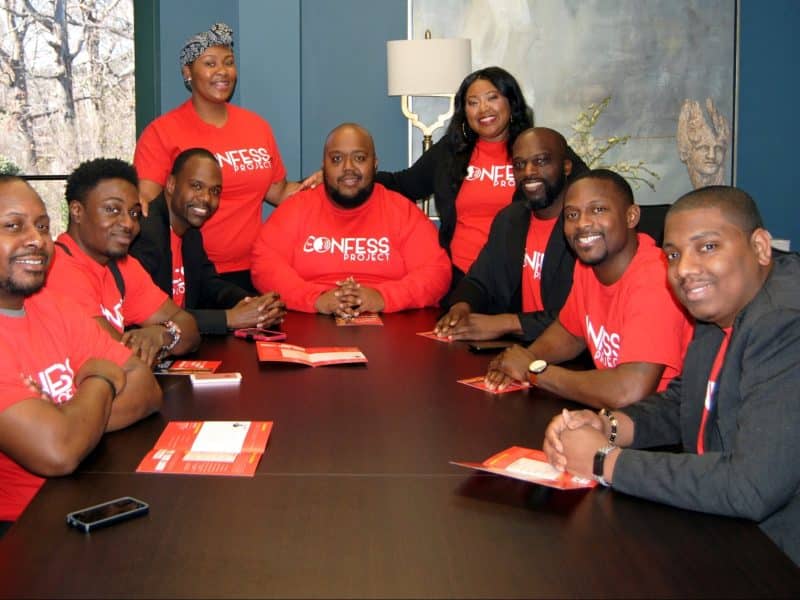
The Confess Project: Barbers Help Black Men Talk About Mental Health

The barbershop is the cornerstone of the Black male community. What better place to offer mental health counseling?

High school seniors struggle to catch up after pandemic remote learning

High school seniors are behind in their race for college after losing much of their in-school support system during quarantine.

Black-Owned Hospice Seeks to Bring Greater Ease in Dying to Black Families
Spare the Child: Why School Paddling Is Legal Child Abuse

I first became acquainted with school corporal punishment my first week at Fitzhugh Lee Elementary in Smyrna, Georgia. Out of nowhere, the principal charged into our classroom at a run and yanked a boy near me out of his seat, dangling him in the air with one arm while beating him viciously with a wooden paddle as we watched in horror. It seemed to go on for an eternity: the sounds of the blows, the man panting and seemingly crazed, the boy screaming and crying hysterically.

Join us Tuesday, Dec. 9 at 10:00 am PT for our next free webinar.


Some therapists who had trouble connecting with youth turned to another source of connection: Minecraft therapy, which follows the approach of play therapy. In this webinar, we’ll talk with two leading experts in the promising genre.

Close the CTA

How Minecraft Therapy Is Transforming Child and Teen Mental Health Care