
No Proof That This Expensive Autism Treatment Is Better Than a Placebo
No large scientific studies show the expensive, off-label MeRT treatment works for autism, and parents’ reviews are mixed. Plus: mental health help for Apalachee High. And more.
September 19, 2024
By Courtney Wise
Greetings, MindSite News Readers. In today’s Daily, expensive MeRT treatment, which isn’t covered by insurance, is marketed to families with autistic children as a miracle solution. Unfortunately, there are no large scientific studies that show it works. In other news, experts urge parents to help children select extracurriculars based on their true interests rather than college applications.
Plus, how Kentucky is helping its college students struggling with mental health. Parenting freedom in Paris. School nurses on the frontlines of mental health. A college student who produces a podcast on life with schizoaffective disorder. And therapy dogs make room for a therapy tortoise.
Finally, MindSite News correspondent Michele Cohen Marill of Atlanta visits Winder, Ga., to report for us on the mental health aid for students and faculty in the aftermath of the tragic school shooting there.
Beyond thoughts and prayers at Apalachee High School
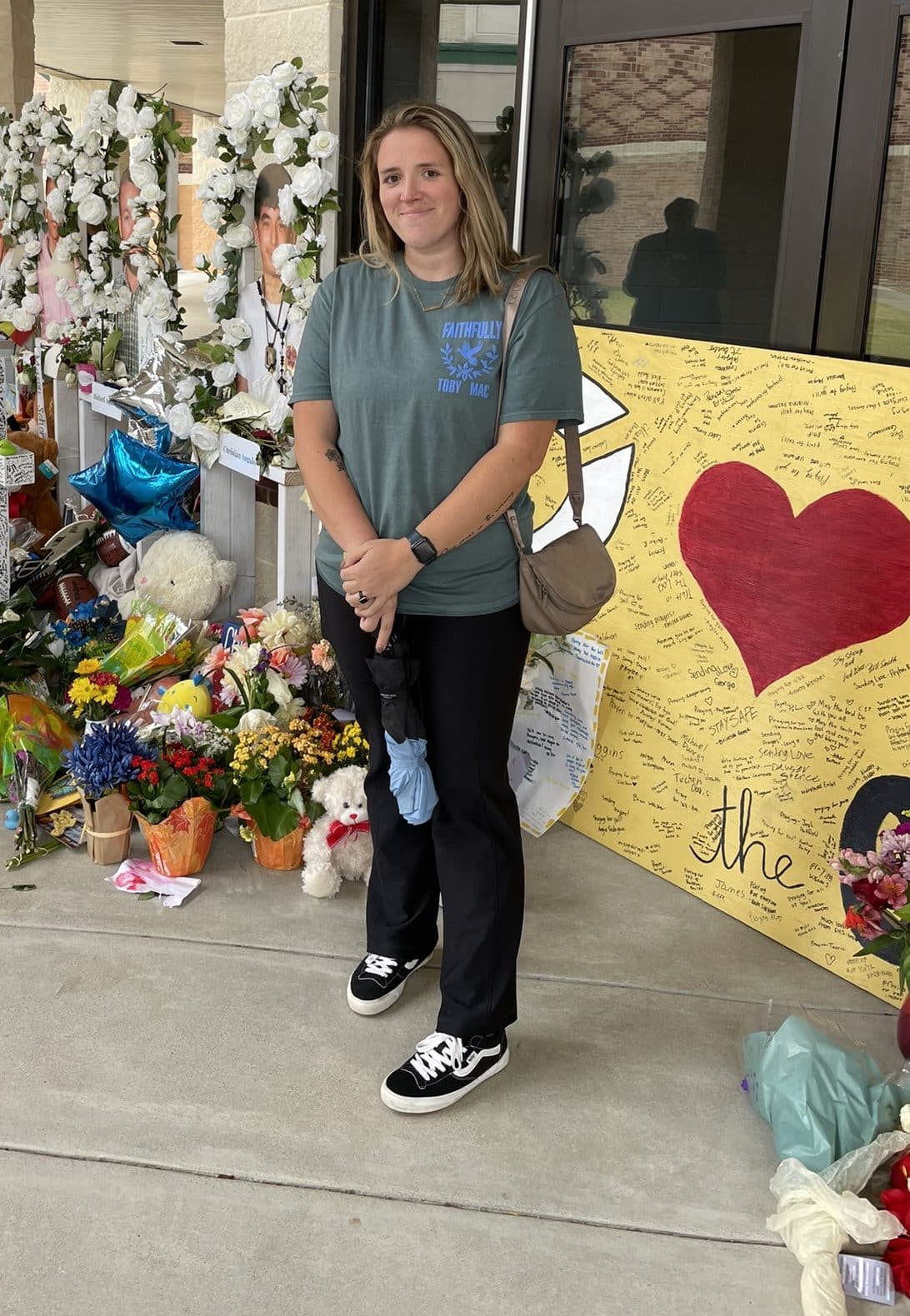
MindSite News correspondent Michele Cohen Marill of Atlanta visited the town of Winder, Ga., where a 14-year-old killed two teachers and two students and wounded nine others wih an assault-style rifle on September 4.
In her story for us, she talks with nonprofit leaders and others, including David Schonfeld, MD, a trauma expert who is training Apalachee faculty and staff on how to support their traumatized students and help the school community move forward. Read our story here.
Expensive MeRT treatment marketed as invaluable to parents with autistic children, despite little evidence of its efficacy
Thomas VanCott wants little more than to hear his son Jake’s voice. Like many parents of children with autism, he’s sought out numerous speech and behavioral therapies over Jake’s 18 years to support the development of the social and communication skills that autism can mute or delay. So when he learned of magnetic e-resonance therapy, or MeRT, a treatment developed and trademarked by Wave Neuroscience, he jumped at it. Describing his son’s experience with autism as “life on a tightrope,” VanCott was encouraged by the possibilities MeRT presented for Jake: improved sleep, better social skills, and speech. Not even the $9,000 out-of-pocket price tag could deter him, he told the Los Angeles Times. “It’s too much for most things,” VanCott said, “but not for the potential of my child speaking.”
Clinics licensed by Wave offer MeRT at private clinics throughout the country, marketing its results as “miraculous.” The thing is, though MeRT is an FDA-approved treatment for major depression, obsessive compulsive disorder, and cigarette smoking, it is not FDA-approved for autism due to the scarcity of scientific evidence to support its efficacy in treatment. In fact, nine different psychologists and neuroscientists with expertise in the condition told the Times that zero large scientific studies exist to show that MeRT is any better than a placebo. Wave’s application of the treatment for autism is considered “off-label,” a common practice in medicine.
VanCott said the confidence of a doctor he consulted with in selling what the treatment could do for his son made him believe “tomorrow Jake’s gonna wake up and say a sentence.” That still hasn’t happened. Though the Times spoke with families who said MeRT sparked noticeable and sustained improvements to their autistic children’s sleep, communication and concentration, others, including VanCott, saw few or no changes at all. A small number of families even reported extended behavioral regressions after treatment.
Experts say far more research is needed—and Wave hasn’t conducted any studies to verify its claims on whether or not MeRT works for autism. But a Wave exec argues the company can’t wait for conclusive evidence of the effectiveness of its $9,000 therapy—which can’t be covered by insurance—when growing numbers of families need help now. “Academics pointing towards insufficient evidence for clinical adoption may not represent a true reflection of clinical utility in a population where there are very few therapeutic options, great suffering, and a willingness of physicians and patients to seek innovative treatment choices with diligent clinical care and oversight,” said Erik Won, Wave’s chief medical officer.
Help your kids explore extracurriculars for themselves, not college admissions
Thirteen-year-old Savana Smart has finally found her passions—coding and playing guitar—but it took trying a lot of activities that weren’t the right fit. She hates piano, but she first had to play it to learn that “it’s just not my instrument,” she said. Coding, on the other hand, is something she enjoys so much she has to stop herself from doing it. “At first I had a hard time going to Code Ninjas, because I’d want to stay so long,” she told Vox. “I’m juggling my want to invigorate myself and know more things, but I still have to eat dinner and get my homework done.”
Having the opportunity to explore extracurriculars is critical for many kids, especially because they can have fun while discovering who they are and what’s important to them. “As we grow older, we’re developing our own understanding and perspective of the world,” said Fedjounie Philippe, a high school counselor who also teaches a summer college admissions course at Princeton University. “These experiences help us grow into people, because we start to articulate our own skills and interests.”
A note for parents: If you model this behavior by pursuing your own passions, experts say you can be sure your children are watching and will likely be inspired to follow suit. Your love for volunteering, playing cello or running the bases at softball won’t soon be forgotten, said Harpreet Kaur, a board-certified clinical pediatric psychologist. “The hope is that they go on to maintain the process and have a healthier, happier adult life, where they aren’t so tied to their achievements and accomplishments but to who they are as people,” she said.
You can also support your children by listening to them and letting your kids lead. If, by chance, your children don’t know what they’d like to try, you can help them get clear on their values and then make suggestions from there. Avoid attempts at forcing kids into activities, said Philippe. “This is an individualized process, and everyone finds the right answer in their own time.”
In fact, when kids are allowed to lean into activities that serve their natural interests, they have a chance to pursue them more deeply, become more skilled and confident, and grow into leadership—which college admissions officers and scholarship review committees like to see, said Courtney Agyeman, a high school college and career advisor and former admissions officer at Rider University:“Leadership, dedication, and time management…are transferable to what you’ll be doing on a college campus.”
What Kentucky universities are doing to support students struggling with their mental health
This past spring, universities across the nation graduated a class of early 20-somethings who missed out on practically every marker of celebration many high school seniors look forward to: Senior Spirit Week, Senior Prom, or even a graduation ceremony. “That traumatized every single student that came in that freshman class,” Kentucky State University (KSU) Mental Health Counselor William Mynk told the Lexington Herald Leader. “Their entire world was turned upside down. I’m a believer that COVID didn’t necessarily cause mental health issues, but it exposed a lot of things that were not at the surface.”
It also increased the challenge of helping students address their mental health needs, as growing numbers of students need support. The issue is more nuanced on the campus of KSU, the only historically Black public university in the state, said Kelly Ruff, Director of Student Wellness and Experience. “There’s still a great deal of stigma as it relates to Black people getting behavioral healthcare. We’re hoping to move away from that…There is still a barrier when it comes to men, Black men in particular, seeking clinicians (and) seeing it as a weakness.” Mynk said that he and the other counseling staff have been purposeful about increasing their visibility on campus as a result, so that students know who they are and feel more comfortable approaching them about anything, not just therapy.
Many colleges also send out screeners to students, to help them privately assess whether or not they have issues that campus counseling could support. That’s how Samuel Cotthoff, a student at Centre College, learned he had an eating disorder. He reached out to his resident advisor who gave him the number to the school’s counseling center. “Since it is a free resource for students, I think it’s pretty invaluable,” he said. “Especially, in my case, the crisis moments, but I know a lot of people who went for multiple years, built really close relationships with their therapists and felt they could really talk to someone about anything.”
Besides traditional supports like counseling, student organizations and campus centers are offering more mindfulness and well-being activities, like yoga on the yard, and professors are getting in on the act, too. Aaron Godlaski, associate professor of psychology and behavioral neuroscience at Centre now has a Mindful Living course on his docket. And in his other classes, like Health Psychology, he’s added “well-being” into the syllabus.
In other news…
School nurses on the front lines of student mental health crisis: Tara Cliff, health services supervisor at Eastern Carver County schools in Minnesota, is navigating new hires after high turnover. “I think I had 8 staff members this school year starting out, so making sure that they’re well-supported and trained coming into the job — that’s my primary focus here.” And much like teachers and school counselors, they’ve all got a good idea of the breadth of the mental health crisis facing youth, since it walks into their offices every day. Many students showing up with stomach aches and headaches, she explains in this 4-minute story for MPR News, are actually experiencing the physical symptoms of stress and anxiety.
Earlier this year, 22-year-old Michael Vargas Arango, won NPR’s College Podcast Challenge for The Monsters We Create, a show exploring his experience living with schizoaffective disorder. This month, just in time for his return to campus, NPR featured the winning episode on one of their hit programs, Code Switch. Click here to listen to the 8-minute show. It’s highly recommended to listen with headphones for the best experience.
An American mom in Paris shares 5 ways it’s easier to be a parent there than here. She said the change was refreshing, especially because parents simply took toddlers and young kids with them in their daily activities and felt no pressure to stick them in “enrichment” classes. “I felt that French culture was a lot more laid back and that French society put less pressure on moms to be or act a certain way,” she told Newsweek.
Billy, the Leicestershire-based therapy tortoise: There’s a dog on staff at my daughter’s Detroit school; her name is Molly. She has a lot in common with Billy, a tortoise who offers emotional support to students at England’s Gartree High School. But unlike Molly, Billy gets to wander the hallways without a leash. Instead, he’s often seen walking with a heart-shaped balloon or sparkling bow tied to his shell. The circumstances of his employment were a bit serendipitous.
Helen Collins, head of learning support and Billy’s guardian, told the BBC that she originally brought him to school one day when time was tight and he had a vet appointment. After seeing the joy and calming presence he brought to students, she decided to keep bringing him in. “When a student comes and sees Billy, they don’t have to worry about how Billy may react to them,” she said. It’s an important support to neurodiverse students especially. “They don’t have to worry about starting a conversation; they don’t have to worry about unpredictable human behavior…He’s a lovely, fun, cute tortoise that kids just enjoy seeing.”
If you or someone you know is in crisis or experiencing suicidal thoughts, call or text 988 to reach the 988 Suicide & Crisis Lifeline and connect in English or Spanish. If you’re a veteran press 1. If you’re deaf or hard of hearing dial 711, then 988. Services are free and available 24/7.
Recent MindSite News Stories
Beyond Thoughts and Prayers: Counselors Step Up to Help a Georgia Community After Deadly School Shooting
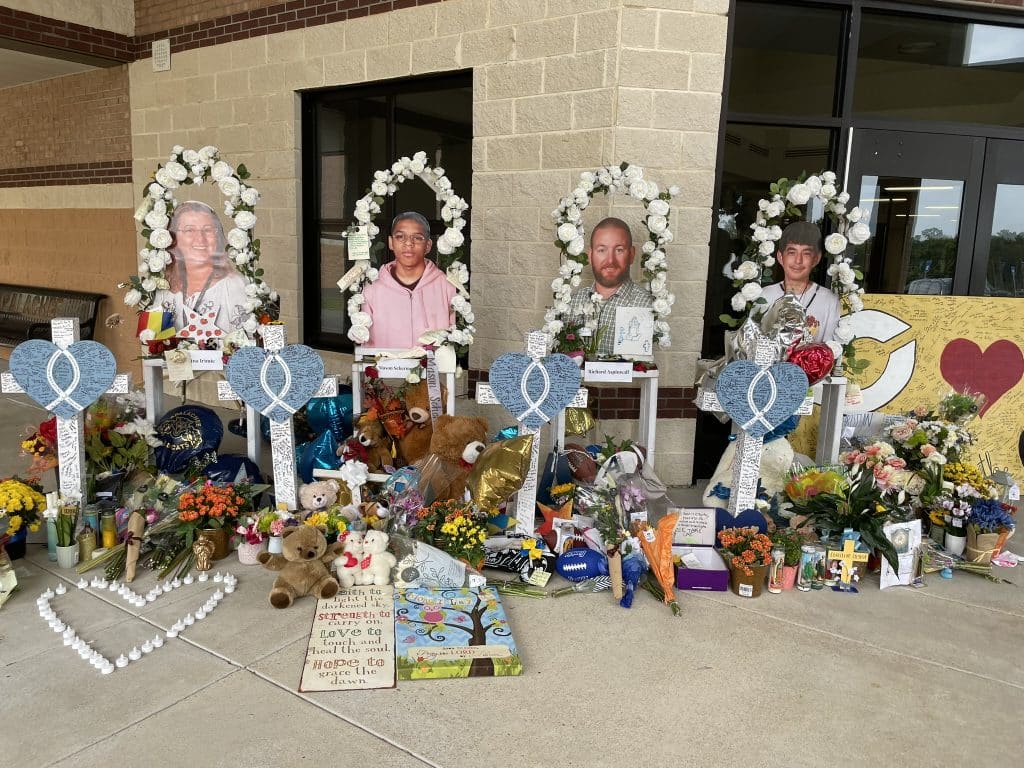
A grim ritual is playing out in Winder, Georgia, in the aftermath of another school shooting. The state has set up a recovery center, churches and health providers are offering therapy and emotional support dogs offer solace. Continue reading…
House, Senate Committees Release Dueling Mental Health Spending Bills

Senate and House committees have put forward two sets of fundings bills for mental health and addiction services. The results won’t be decided until the lame-duck Congress meets after the November elections. Continue reading…
How Paris Hilton and Other Survivors of the Troubled Teen Industry Unleashed a Movement
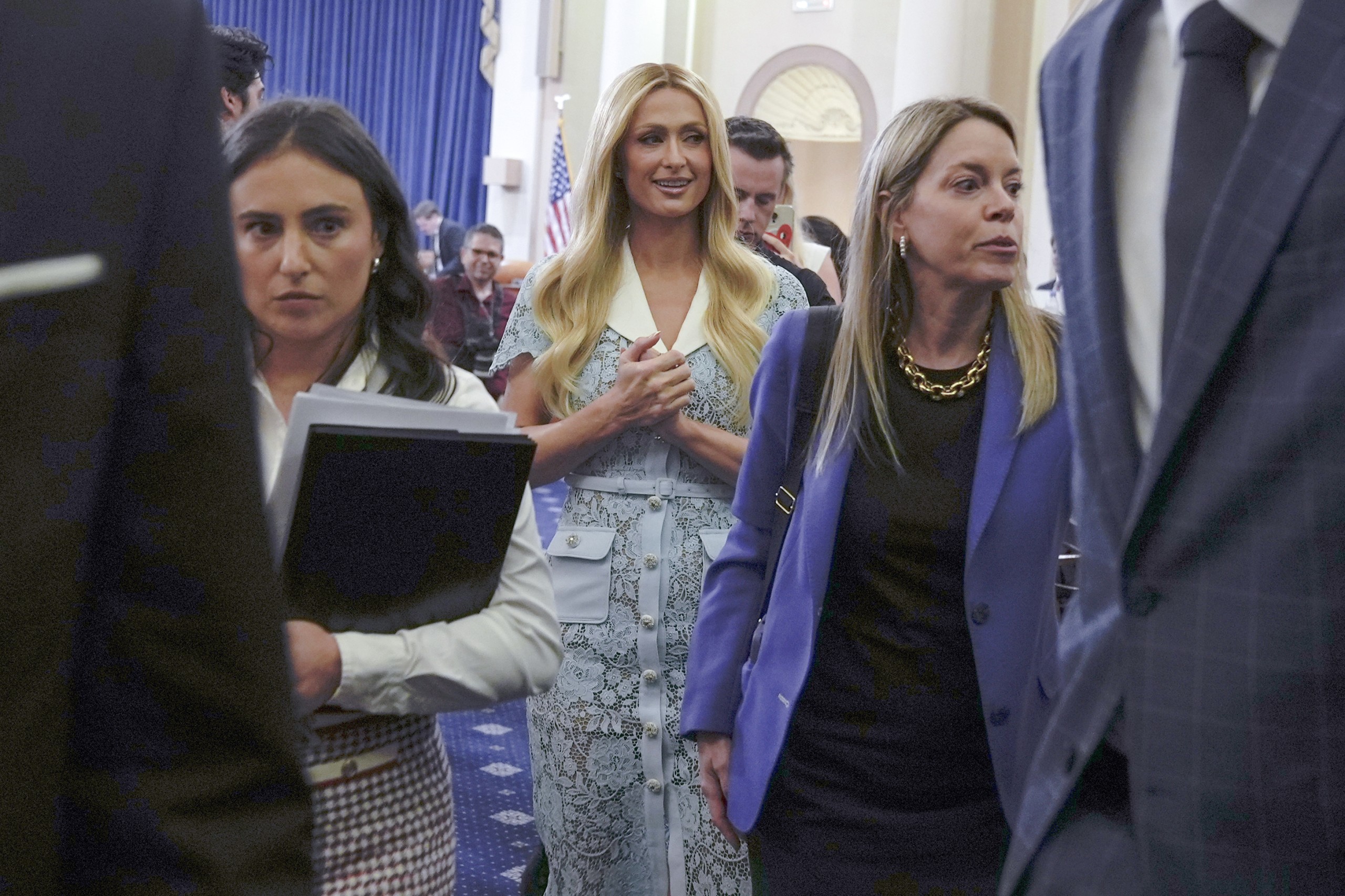
Meet Five True-Life Avengers Who Are Holding the Troubled Teen Industry Accountable. Continue reading…
If you’re not subscribed to MindSite News Daily, click here to sign up.
Support our mission to report on the workings and failings of the
mental health system in America and create a sense of national urgency to transform it.
For more frequent updates, follow us on Facebook, Twitter and Instagram:

The name “MindSite News” is used with the express permission of Mindsight Institute, an educational organization offering online learning and in-person workshops in the field of mental health and wellbeing. MindSite News and Mindsight Institute are separate, unaffiliated entities that are aligned in making science accessible and promoting mental health globally.
Copyright © 2021 MindSite News, All rights reserved.
You are receiving this email because you signed up at our website. Thank you for reading MindSite News.
mindsitenews.org

The name “MindSite News” is used with the express permission of Mindsight Institute, an educational organization offering online learning and in-person workshops in the field of mental health and wellbeing. MindSite News and Mindsight Institute are separate, unaffiliated entities that are aligned in making science accessible and promoting mental health globally.


Author

Related Articles

Parents Rethink How to Raise Boys Who Will Stand Up for Women
Parents can raise boys to respect consent, challenge peer pressure, and stand up against sexual assault and harmful masculinity.

Youth Well-Being Has Plummeted Since Its Height in 2010
Fewer than half of Americans are thriving, with young adults suffering the most.
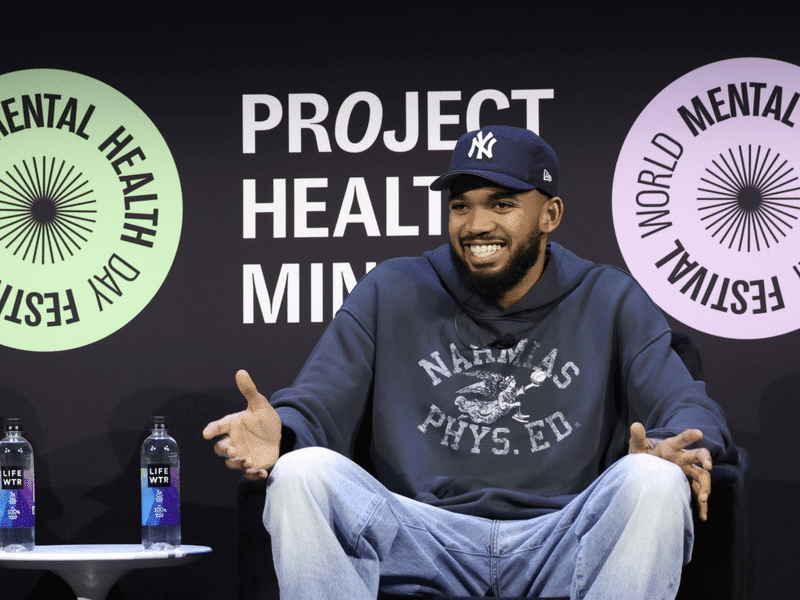
Star Athletes Open Up About Mental Health at Healthy Minds Festival
Athletes shape how Americans picture strength, which puts them in a unique position to show that male vulnerability belongs in that picture.