
When Immigrant Teens Forego College to Protect Parents from Deportation
The Trump administration is seizing private data that could identify undocumented parents for deportation.
Greetings, MindSite News readers.
In today’s Daily, as the Trump Administration extends its anti-immigration campaign, would-be college bound seniors with undocumented parents face an agonizing choice: seek financial support for college or protect their parents from deportation. A new study finds that elevated stress and BMI are linked to earlier puberty in girls. And free phone calls improve wellbeing for incarcerated people and their families.
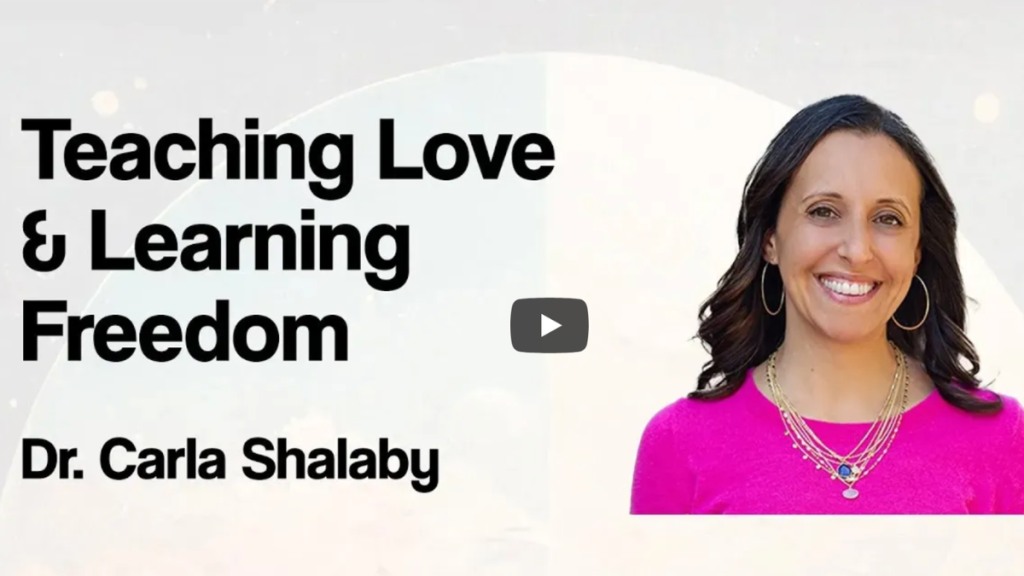
But first, with one more day left in this official Teacher Appreciation Week, consider this keynote talk from Carla Shalaby, a phenomenal educator at the University of Michigan.
For some students from mixed status families, fear is the biggest barrier to college

It didn’t occur to Ryan that his dream of attending college might not be possible until he began filling out his FAFSA.
The Free Application for Federal Student Aid is required for anyone planning to apply for federal financial support. For many students from low-income backgrounds, it’s the only way that college can be a real option.
Completing the FAFSA unlocks access to federal grants, loans and work-study, and many states and colleges require students to fill it out for their own need-based funding.
But as President Donald Trump’s administration disregards both existing law and precedent, students like Ryan who come from mixed-status families — where a child is a U.S. citizen but a parent is not — confront an excruciating choice: Fill out the FAFSA and risk family separation or forgo college altogether.
“I don’t want to sacrifice my family for my possible success,” he told the Hechinger Report.
Ryan’s dilemma shouldn’t exist because the Department of Education isn’t supposed to share FAFSA information with agencies responsible for immigration enforcement. In fact, the Higher Education Act of 1965 prohibits the use of FAFSA information for any purposes other than determining and awarding federal assistance.
But the Trump Administration has seized or demanded data from voter registration rolls, tax filings, public housing, and low-income food assistance programs to support deportation, leaving some students from mixed status families afraid to apply for federal financial aid even though they’re eligible.
“I can’t look them in the eye anymore and say federal law prohibits them using your data in other ways,” said Ryan Fewins Bliss, executive director of Michigan College Access Network. “It also could be the pathway to getting your family detained.”
The psychological toll is real and largely invisible. Even as FAFSA completions have risen nationally, the numbers tell a different story in immigrant communities.
In California, students from mixed status families completed nearly 3,000 fewer applications this year — an 8% drop from 2025 — even as overall state applications increased.
The pattern extends beyond California, with similar declines reported in Texas border communities, Chicago, Minneapolis and parts of Michigan.
“What we’re seeing is that fear, and not academics or finances, is becoming a barrier to college access,” said Sean Robins, director of advocacy at the National Association for College Admission Counseling.
One high school counselor in southwest Michigan, who asked to remain anonymous to avoid attracting government attention to her school, described parents too frightened to attend workshops to learn about the college application process.
Others refuse to complete their portion of the FAFSA, fearing the risk is too great. In other cases, students have left school for employment to support their family after a parent was deported or became too afraid to leave the house.
One teen enlisted in the military after his mother received a deportation order because a lawyer told him his military service might delay it. In other instances, students simply disappear.
“Students are leaving the country to be with their families because their parents are self-deporting—for them we can’t even talk about FAFSA,” the counselor said.
Reluctant to burden their parents with yet another worry, counselors across the country describe students carrying this weight largely alone. Ryan grappled in silence for more than two months before voicing his concerns to his mother. She told him to apply anyway.
“This is what I want for your future. I want you to succeed, even if it costs me something. I want you to do the best you can,” she said. “The risk is worth the future you could have.”
Free prison calls are improving lives and saving families millions
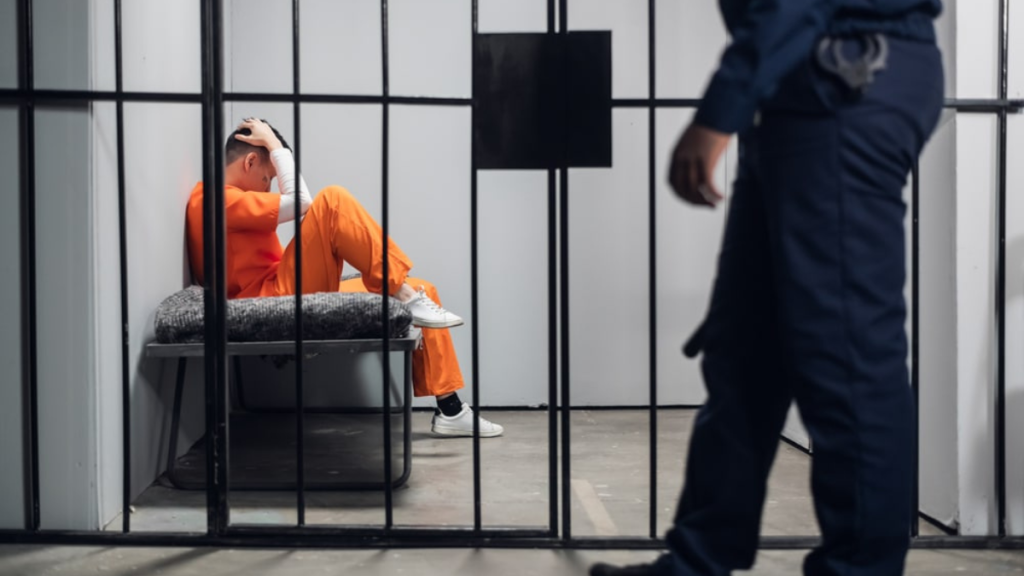
For most families with incarcerated loved ones a phone call is a necessity, not a luxury. But every minute on the phone has a price tag, making communication rushed, transactional and short on connection.
Angel Rice knows the feeling: conscious of the strain on her bank account with every call to her incarcerated husband, she learned how to maximize efficiency in their conversations over the years.
But on January 1, 2023, thousands of California families, including hers, got a little relief: On that day, the state joined a small but growing movement of prison systems that have made prison calls free.
“Now we can talk,” Rice told The Nation. “We can have in-depth conversations about finances, about how my day was, how his day was, what’s going on in our communities, with our children… We’re not cramped into [just] 15 minutes, trying to get life in that one moment. Now we have extended time to talk and be present with each other.”
The shift was first sparked by Martha Wright-Reed, who sued a private prison company in 2001 over the cost of calls with her grandson, a case that eventually led to federal rate caps under President Obama’s Federal Communications Commission.
Though those caps were challenged in court and later weakened under subsequent federal administrations, Congress passed the Martha Wright-Reed Act in 2023, affirming the FCC’s authority to regulate the industry.
But advocates want to see efforts go further, arguing that state and municipal free-calling mandates offer more durable protection than federal regulation, which remains vulnerable to legal challenges and political shifts.
Beyond California, five other prison systems — the Federal Bureau of Prisons, Connecticut, Minnesota, Massachusetts, and New York, as well as dozens of jail systems — have eliminated the cost of calls for incarcerated people.
These policies benefit more than 330,000 incarcerated people and represent one of the most significant shifts in correctional policy in recent years.
According to a report from the nonprofit Worth Rises, which advocates for free calling, the policy shift has generated an additional 600 million phone calls and 6.4 billion more call minutes across the free call systems.
Families have collectively saved more than $620 million — with 70% of prison savings and 82% of jail savings going to Black and brown families, who have historically been hardest hit by the cost of incarceration.
At the same time, those savings reflect decades of exploitation. Prison and jail phone services are operated by private companies like Aventiv or ViaPath which control nearly 80% of the $1.5 billion correctional communications industry.
They historically shared profits with facilities, creating a kickback structure that disincentivized systems from negotiating lower rates because they didn’t pay for the calls — call recipients did.
As recently as 2021, a 15-minute call from a U.S. jail cost an average of $3.15, and an in-state prison call cost an average of $1.20. To talk, call recipients had to load a prepaid account with money.
But systems that began footing the bill directly renegotiated rates, which dropped 62% for prisons and 68% for jails, suggesting that families had been overcharged for years.
Excessive costs most hurt those who have the least: “nearly two-thirds of families with an incarcerated member are unable to meet basic needs, like food or housing,” The Nation reported.
Studies find that regular family contact reduces anxiety and depression among incarcerated people, improves self-esteem and increases compliance with prison rules — effects that compound over time with consistent contact.
“It’s brought a calming effect to the [incarcerated] population.… Any way that we could make the job less stressful for our staff is a priority for us,” Connecticut Deputy Warden Justin Oles said.
Worth Rises goes further, casting the research findings as a public safety argument. Incarcerated people who maintain strong family ties are significantly less likely to reoffend after release and more likely to secure stable housing and employment. Free calling, the organization argues, makes that connection possible at scale in a way almost no other single policy can.
For Rice, the free calls have meant her husband can be more present for their 12-year-old’s homework help and bedtime routines — the work of life that incarceration previously made impossible.
“Having these regular conversations allows him to be a part of her upbringing and make sure she has her father there,” Rice said. “Every time he says, ‘I spoke to my daughter today,’ you can hear it in his voice. You can just hear him light up.”
“This is a win for everybody,” said Bianca Tylek, executive director of Worth Rises. “It is better for the folks who are inside… It is obviously incredibly powerful for the families who are saving important resources, but also connecting to people who love them. It is changing the work environment for correctional officers who are in these spaces. And obviously in doing all of that, it’s returning multitudes to us as the general public, in reentry and public safety results.”
In other news…
It’s not just estrogen: Girls with higher levels of other hormones, alongside an elevated BMI and stress, enter puberty an average of seven months earlier than their peers, according to a new study from researchers at Columbia University and published in the Journal of Clinical Endocrinology & Metabolism last month.
Previous research has observed that the age of puberty onset has declined, but focused narrowly on estrogens due its association with female puberty. This study is distinct for its examination of estrogens as well as a panel of steroid metabolites – glucocorticoids, androgens and progesterone. At elevated levels, these hormones combined with higher body mass indexand stress were linked to earlier onset puberty in girls. Elevated estrogen metabolites, meanwhile, were linked to a delayed onset of puberty, and not acceleration.
“Our objective was to identify the full set of hormonal patterns linked to accelerated puberty and test whether BMI and stress modify this relationship,” study co-author and Columbia professor Lauren Houghton said in a press release. “While stress and BMI have long been recognized as independent predictors of puberty, few studies have examined how they interact with a girl’s hormones. Our findings challenge conventional research that has largely focused on estrogen and body size, highlighting instead the role of stress and androgens – typically thought of as male hormones – in shaping pubescent development.”
The study drew on data from the LEGACY Girls Study tracking 327 pre-pubescent girls across the U.S. and Canada with clinical assessments every six months. Stress was measured through standardized behavioral assessments completed by mothers, capturing anxiety, depression, and related factors.
The study’s implications extend beyond childhood. Early puberty is a known risk factor for breast cancer later in life, making these findings relevant to both pediatric care and long-term public health planning. Researchers say the findings also point toward actionable prevention. Stress-reduction interventions and healthy lifestyle support could potentially help delay early puberty and improve health outcomes for girls later in life.
A new survey report from Hopelab and Data for Progress paints a stark picture of mental health among LGBTQ+ young people: More than 60% of LGBTQ+ respondents rated their mental health as “fair” or “poor,” compared to 40% of their straight, cisgender peers.
Family conflict, loneliness and lack of direction weighed heavily, with more than half saying anti-LGBTQ+ sentiment directly harmed their wellbeing. Gaps in professional support are just as wide, with fewer than half of LGBTQ+ students saying that they have adequate school-based mental health resources, and many report lower self-acceptance and less emotional support from their parents and trusted adults.
The good news: 97% of LGBTQ+ young people can name at least one source of hope. While nearly half pointed to the people who love them or the strength drawn from their own resilience as a primary source, 44% said Generation Z activism and advocacy efforts make a difference. “Seeing classmates make eco-friendly tools with 3D printers — this creativity of the younger generation makes me think there will always be solutions to future problems,” one respondent noted.
The name “MindSite News” is used with the express permission of Mindsight Institute, an educational organization offering online learning and in-person workshops in the field of mental health and wellbeing. MindSite News and Mindsight Institute are separate, unaffiliated entities that are aligned in making science accessible and promoting mental health globally.

Author

Related Articles

The Lindsey Clancy Murder Trial
Women nationwide watch the Lindsay Clancy trial and see themselves in her story, plus an investigation into hospitals that fail patients with addiction.

Grief and Rehabilitation in a California Prison
This month: a DUI offender’s path to rehabilitation, Lindsay Clancy revisited, Illinois prison protests, a fatal cell fire, and Missouri’s competency crisis.

Meta Pays $17 Billion Settlement for Lawsuit Over Child Harm
Meta will pay up to $17.1 billion and reshape how its platforms operate after 47 states argued that they are harmful and also addictive to children by design.