
Some Relationships Feel Draining, But “Hasslers” Might Actually Be Aging You
A new study from the National Institute on Aging has found that “hasslers” might be biologically aging you, shortening your lifespan.
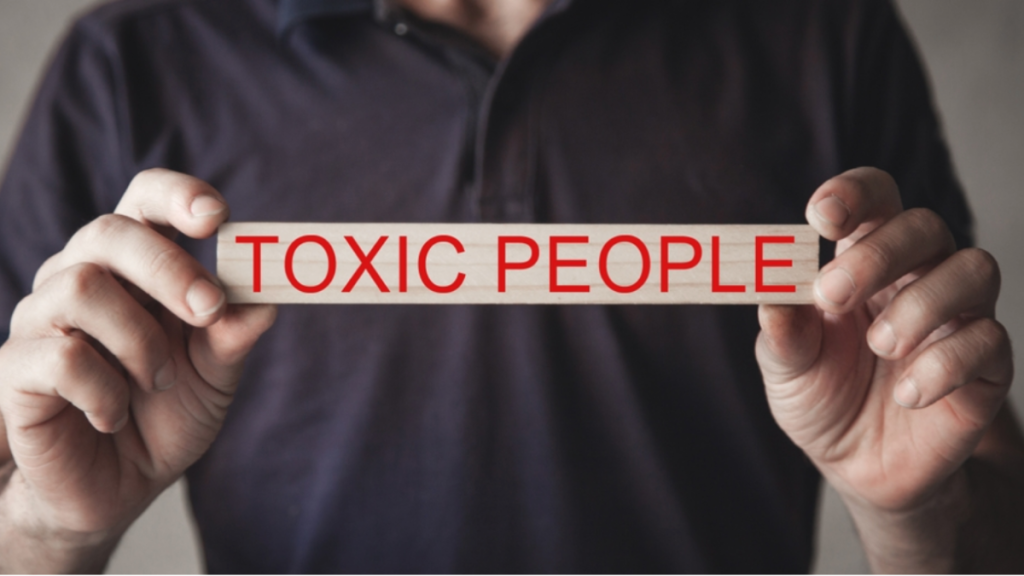
A new study from the National Institute on Aging has found that “hasslers” (people who regularly make your life a bit difficult) may do more than simply stress you for a few hours here and there. Rather, their shenanigans might be biologically aging you, shortening your lifespan.
The study also notably found that some people are more likely to report having hasslers in their lives, including women and those in poorer health. But this wasn’t too surprising, researchers told the Washington Post.
“Women tend to be disproportionately affected both positively and negatively by things that are happening in relationships and by their relationship with other people,” said study co-author Brea Perry. “So it wasn’t that surprising to us that women might have more people who cause problems in their lives, in part because they are probably more likely to perceive the problems that others are having and to feel them and to sort of take those on as stress.”
People in worse health were more likely to have hasslers, researchers said, because much-needed caregivers can hold power that’s “difficult to negotiate.” So were people who had experienced more adverse childhood experiences, perhaps as part of heightened overall vulnerability to chronic stressors and negative life events.
For the study, researchers surveyed more than 2,000 adults in Indiana and analyzed their saliva samples, looking at their reported social life and DNA changes indicative of biological aging. Data showed that each additional hassler in someone’s regular social circle saw their biological aging rate increase by 1.5%.
So, instead of aging one chronological year with each birthday, a person with one hassler would age slightly faster biologically, about 1.015 years. Perry said this might contribute to an earlier onset of chronic disease, because “even small effects in terms of biological aging can accumulate.”
The researchers were careful to note that this is an association, not proof of cause and effect. Still, the findings reinforce existing practical guidance: limit time with people who chronically stress you where possible, set firm boundaries and invest heavily in relationships that genuinely support you. Those folks might actually help offset the impact hasslers have on your aging.
The name “MindSite News” is used with the express permission of Mindsight Institute, an educational organization offering online learning and in-person workshops in the field of mental health and wellbeing. MindSite News and Mindsight Institute are separate, unaffiliated entities that are aligned in making science accessible and promoting mental health globally.

Author

Related Articles
Profit-Driven Dementia Care Leads to Violence and Even Death
Violence between residents is a frequent occurrence in dementia and memory care facilities, sometimes resulting in death.
For Black Families in California, Grief After Infant Loss Often Comes With Nowhere to Turn
Black parents in this country experience twice the rate of infant loss faced by their white counterparts. In California, the outcomes are even worse, Observer Group reports, with Black babies dying at nearly triple the rate of white babies.

ADHD in Women Looks Different — As Do The Long-Term Health Risks
Long seen as a childhood condition affecting mostly boys, girls were excluded from ADHD research. Now that science understands that girls get it too, studies show symptoms differ between genders.