
The Rise of “Loneliness Influencers”
The popularity of these videos is indicative of a larger emotional crisis.
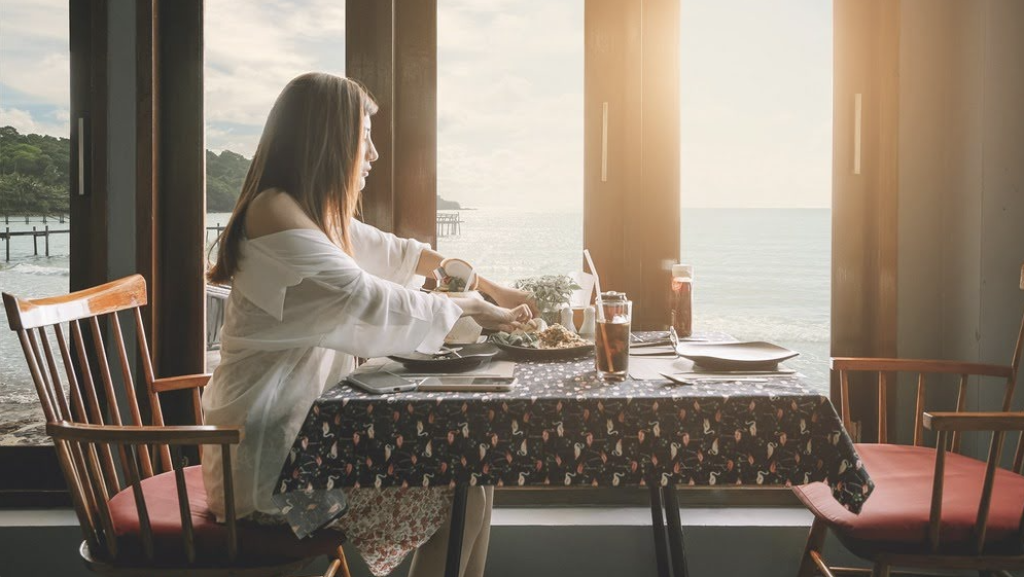
A new corner of social media has emerged, focused less on aspirational luxury or a perfect social life and more on having no friends at all. “Loneliness influencers,” as they’re called, are predominantly young women who post brief clips of solo moments from their quiet private lives. These include brief videos of them arriving home from work, plating a simple dinner or even watching TV alone. Captions like, “You’re single, have no friends, live alone and won’t be having kids so this is your Friday night,” have drawn hundreds of thousands of viewers who see themselves in the content.
Lana Isa (@lanasololife), a 24-year-old Toronto-based software-sales manager with nearly 200,000 Instagram followers, told The Cut that she stumbled into loneliness influencing after a breakup and cross-country move left her feeling isolated. “My only texts were with my mom, my sister, and my phone company letting me know that my bill is ready,” she said. The authenticity of her approach made her first video go viral. “I was never trying to romanticize having no friends. I was just trying to romanticize making the most of the current stage of life that you’re in,” Isa said. “I don’t think anyone wakes up one day and decides they want to have no friends,” she added.
Still, the comments left on her posts demonstrate that there’s a strong audience for “loneliness” focused content. ’“I lost a huge group of my friends in the last couple of years,” a viewer wrote on one post. “It feels good not to feel FOMO because I know I’m not missing out anymore.” Another comment reads, “I spend my Friday nights like this too. Humans have caused lots of pain in my life.”
The popularity of these videos is indicative of a larger emotional crisis. A 2021 study published in Psychological Bulletin found that loneliness among young adults climbed every single year between 1976 and 2019. Three years ago, then-U.S. Surgeon General Vivek Murthy called loneliness a public health issue. Last year, a survey from the American Psychological Association found that more than half of U.S. adults report feeling isolated often or some of the time.
But as the trend continues to spread online, the irony of creators building careers and massive followings for posting about intense loneliness isn’t lost on viewers. Some have even begun to suggest that “loneliness influencers” aren’t truly lonely, but rather exploit viewers who are, racking up followers while their audience struggles with real isolation. Isa rejects that idea, saying that her platform opened up pathways for real-life connections. “Making videos brought out these people that live the same life,” she said. “We’re making the choice to be alone but not feeling lonely. Social media and the world never really used to make you feel like that was normal.”
The name “MindSite News” is used with the express permission of Mindsight Institute, an educational organization offering online learning and in-person workshops in the field of mental health and wellbeing. MindSite News and Mindsight Institute are separate, unaffiliated entities that are aligned in making science accessible and promoting mental health globally.

Author

Related Articles
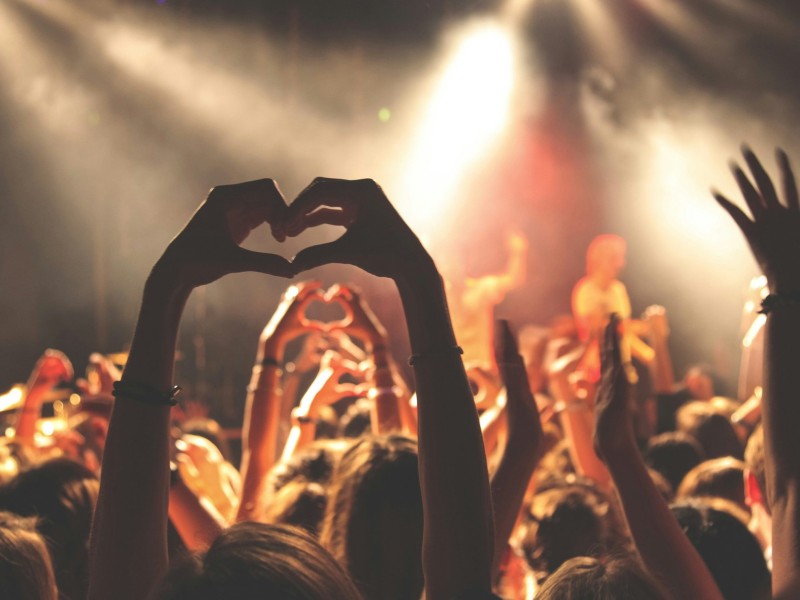
Future Friends, a Concert Series to Reduce Loneliness and Increase Belonging
The Future Friends concert series pairs live music, phone-free social events, and mental health resources to fight loneliness on college campuses.