Better Screening for Postpartum Psychosis Is Critical
An expert in perinatal psychiatry makes the case for changing the health system’s process of screening for postpartum psychosis.

Greetings, MindSite News readers. In today’s Daily, an expert in perinatal psychiatry makes the case for changing our health system’s process of screening for postpartum psychosis. Experts make the case that, though a parent’s job is never done, we can do a little less. And Penn State Extension is providing suicide prevention training online one Tuesday per month for the rest of the year, beginning in August. Visit their website to register, if you can.
But first, watching dogs get picked up for “Pawtrips” with their friends has become one of my favorite ways to quickly tap into joy.
Our health system screens for postpartum psychosis too late
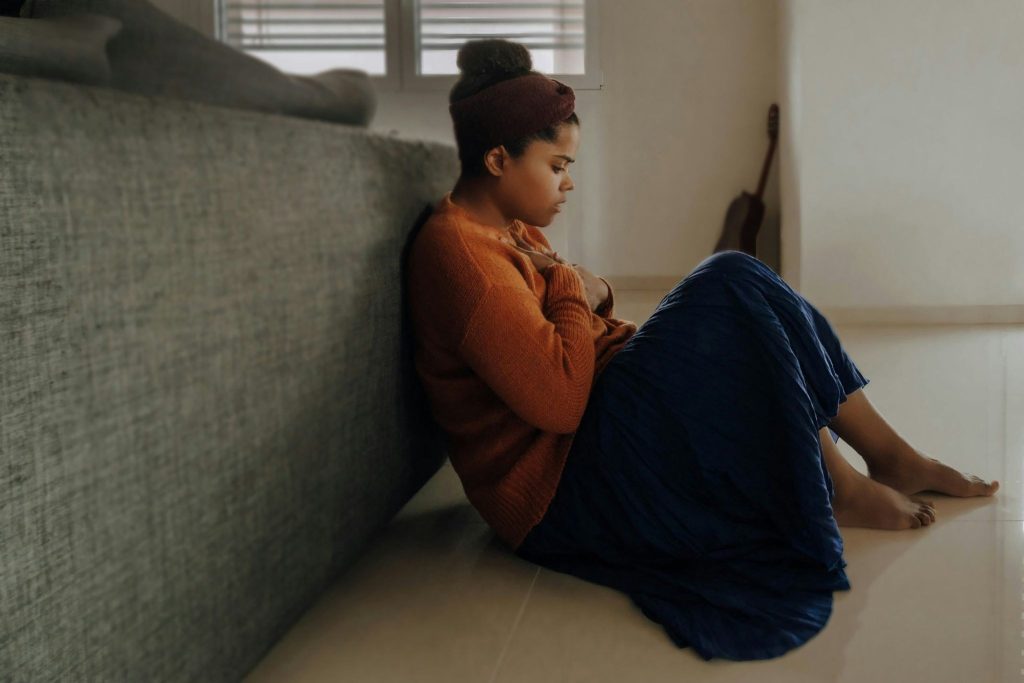
Most of us learn the phrase “postpartum psychosis” from a headline, after a horrible and irreparable tragedy has already happened. Looking back to when I first heard the term, during media coverage of the trial of Andrea Yates, I remember thinking that these mothers were already severely ill and lived lives that looked nothing like mine. Writing in TIME, however, perinatal psychiatrist Uruj Kamal Haider says that any birthing person is susceptible. Though we increasingly know who is most at risk and possess the tools to help them, our health system lacks the urgency to apply those solutions, medically and legislatively, before the next tragedy.
In one recent eight-week stretch, an astonishing 6% of Dr. Haider’s postpartum patients met criteria for a psychotic disorder — almost six times the rate reported in the published literature. While the condition historically affected fewer than 1% of new mothers, a national study of more than 12 million deliveries found that diagnoses climbed between 2016 and 2019. Most alarmingly, postpartum psychosis carries an estimated 4% risk of infanticide, and 5% risk of suicide — and about half the women who develop it have no psychiatric history at all. Parents with the condition can also appear dangerously ordinary. A mother can seem happy and functional in the morning and be transformed by evening as psychosis comes and goes. While bipolar disorder has long been the most significant risk factor, intense and sudden sleep deprivation is also a major driver.
Then there’s how our health system often mismanages peri- and postnatal care. Roughly two-thirds of perinatal mental health conditions begin before birth: One-third begin before conception and one-third arise during pregnancy itself, and only a third arise postpartum. For this reason, the standard six-week postpartum checkup arrives too late to catch most of them in time. Screening for psychiatric and family history, planning medication in advance and protecting a new parent’s uninterrupted sleep all work as prevention — but only if they happen before delivery, and ideally while a family is still planning for mom and baby’s return home.
Three changes can make a swift and positive impact, Haider says:
1) Equip pediatricians, doulas and therapists with standardized screening tools and clear referral pathways to help mothers in crisis. They see new mothers during the first month postpartum – the highest-risk window – more often than obstetricians.
2) Give families and friends – who are usually the first to notice when irritability, confusion or paranoia get stacked on top of exhaustion – plain-language guidance on things to look out for and where to turn for help. Combine this with a national campaign like the one that reshaped our conversations about postpartum depression.
3) Require lawmakers to fund psychiatric access programs and decriminalize the illness itself. MCPAP for Moms, the Massachusetts program that Haider directs, covers 72,000 deliveries a year and was cited in the White House’s 2022 Blueprint for Addressing the Maternal Health Crisis. It has since been replicated in 29 states. Massachusetts advocates are now pushing legislation that would treat a postpartum psychosis diagnosis as an illness rather than a crime. “Punishment should be reserved for the guilty, not the sick,” Dr. Haider writes.
To best serve our kids, we must slow down in a world that won’t let us
If you’ve ever tied your kid’s shoes because you had four minutes to get out the door, this one’s for you (and me too, having used the morning rush as an excuse to not teach my daughter how to tie her shoes until the start of second grade). Last month, Jo Frost, a parenting specialist and star of the internationally known reality TV series Supernanny, posted an Instagram video politely dragging parents everywhere with one line: “We are slowly disabling our children.” How? We keep our toddlers in strollers and on pacifiers too long. Scores of 7-year-olds can’t effectively brush their teeth with a manual toothbrush. Legions of 8-year-olds can’t manage a knife and fork. Too many 9-year-olds haven’t mastered their own bathroom hygiene. And none of it is their fault. We parents have stopped teaching our children basic life skills, and it’s hurting their growth. We don’t do these things because we want our children to fail to blossom into their full, independent selves, but rather because we’re burdened by a world that is more stressful and demanding than ever.
Parents magazine points to former Surgeon General Vivek Murthy’s 2024 “Parents Under Pressure” advisory, which found that 48% of parents said that their stress is completely overwhelming on most days — nearly double the 26% of other adults who said the same. Meanwhile, both parents now work full time in 52% of two-parent heterosexual households with kids under 18, up from 31% in 1975, according to a recent report from the Pew Research Center. “Our mental load is much greater today because of screens and social media and life in general,” said therapist Nathalie Savell. “We’re all pretty much at capacity all the time.” In an attempt to sidestep added stress, we lengthen the time that our children will go from doing something badly to doing it well by simply doing it ourselves.
The costs are real. Ana Homayoun, an academic advisor with 25 years of experience and the author of “Getting In Is Not Enough: The New Blueprint for Success Beyond Grades, Test Scores, and College Admission,” says the eroding skills are invisible but critical: planning, prioritizing, managing time, regulating emotions and adapting when things get tough. “I’m seeing students arrive at college unable to schedule their own appointments, manage a to-do list without a parent’s help, or recover from a setback without falling apart. These aren’t personality traits,” she says.
Homayoun doesn’t blame parents. The problem is systemic, she says. We’ve “organized childhood around performance and outcomes rather than process and independence,” and the consequences show up early. A recent EdWeek Research Center survey of more than 1,000 educators teaching kids from preschool through third grade found that they struggle more with following instructions and tying their shoes than their peers two years earlier. The report names both screen use and pandemic disruption to schools as likely contributing factors. The fix, mercifully, costs nothing but patience. “We guide, we repeat, we expect,” Frost says. “Not perfectly; consistently.” So if tying shoes is your child’s mountain, take some deep breaths and let them take 20 minutes to master the loops. Give them room to get it right.
In other news…
Free online suicide prevention training: QPR training saves lives — and now Penn State Extension is offering free virtual trainings in the method. Question, Persuade and Refer training, developed by the QPR Institute, is an emergency intervention intended to interrupt suicidal behaviors and connect someone in crisis to help. Designed for adults and older adolescents who want to help others in need, the course provides evidence-based training aimed at saving lives and reducing suicidal behaviors. Participants can expect to discuss potential scenarios and engage in active listening and persuasion techniques. Though the two-hour webinar is free to attend, interested participants must register by 11:59 p.m. the day before their desired event to receive a link. There’s one training session every month. Visit the Penn State Extension website or call 877-345-0691 for more information.
Detroit’s teens aren’t violent, they’re bored: In a guest column for the Detroit Metro Times, writer Eli Day makes a pointed argument: The region’s media coverage of “teen takeovers” pulls from a long-standing racist playbook, particularly the “superpredator” myth of the 1990s. As such, the large gatherings of Black teens across the city don’t represent “a troubling trend” of explosive violence led by Detroit’s adolescents, but rather, the failure of Detroit’s adults to prioritize safe, welcoming third spaces for adolescents to gather. They also highlight the city’s refusal to address the well-known drivers of violence: entrenched poverty, inequality and community disinvestment.
A handful of fights did occur at several of the events, two of them escalating into shootings — but media reports cite no evidence that these overwhelmingly peaceful gatherings pushed violence past the city’s daily rate. In fact, Detroit and the rest of the country are experiencing a historic drop in violent crime, including homicides. Perhaps we adults need to change how we ponder and discuss adolescent behavior while we also take care with the news articles and police accounts we uncritically share. The kids are bored, with nothing to do. Instead of curfews and arrests, it’s time to lead with what we already know keeps young people safe: Let’s offer them places they can WeTgather for unstructured connection, and ensure there are adults in their lives who love them and can teach them how to navigate conflict.
The name “MindSite News” is used with the express permission of Mindsight Institute, an educational organization offering online learning and in-person workshops in the field of mental health and wellbeing. MindSite News and Mindsight Institute are separate, unaffiliated entities that are aligned in making science accessible and promoting mental health globally.


Author

Related Articles
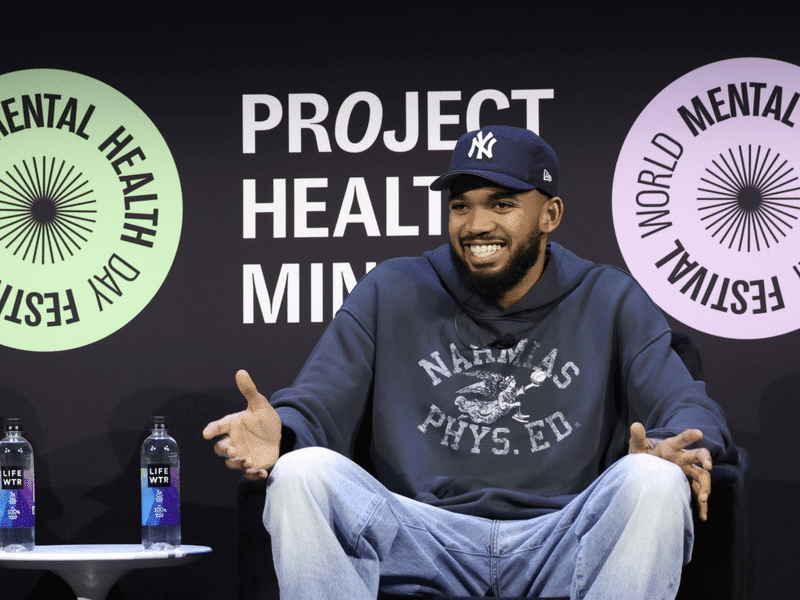
Star Athletes Open Up About Mental Health at Healthy Minds Festival
Athletes shape how Americans picture strength, which puts them in a unique position to show that male vulnerability belongs in that picture.
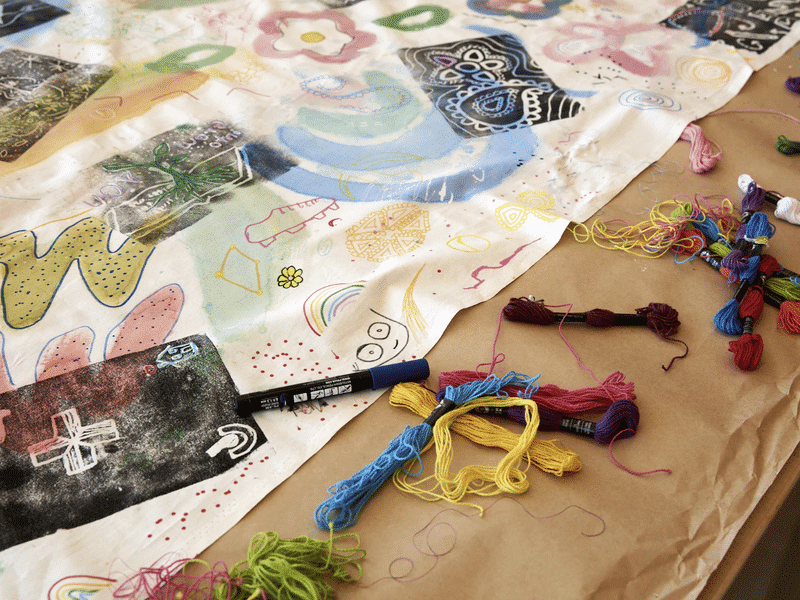
Nature Rx: A Prescription That May Save Your Life
A healthcare movement that “prescribes” time outdoors and in community to people struggling with their mental health.

Cornell Assault Prompts Parents to Talk With Their Sons
Sexual assault on campuses nationwide is still a grave problem.