
‘I Can’t Focus on My Schoolwork’: A High School Student Agonizes That Her Parents Will Be Seized While She’s in Class
As Trump and the Supreme Court dismantle the system that protected millions of immigrant families who fled danger, children wonder: Will we be next?
Text by Cora Cervantes. Photos by Julie Leopo for MindSite News/CatchLight
This is the second part of When ICE Ruptures Families, a three-part series reported by MindSite News and produced in partnership with CatchLight as part of its three-year Mental Health Visual Reporting Initiative.
Haz clic aquí para leer este artículo en español en el sitio de palabra.
Navigating 10th grade is hard enough, but Janet Gonzalez,* 16, a San Bernardino resident and U.S. citizen has a lot more to worry about than geometry and biology. She’s afraid that she and her three siblings will be ripped away from their parents. Her father, Marcos, is a 50-year-old construction worker who fled the violence of El Salvador and has lived in the U.S for 25 years.
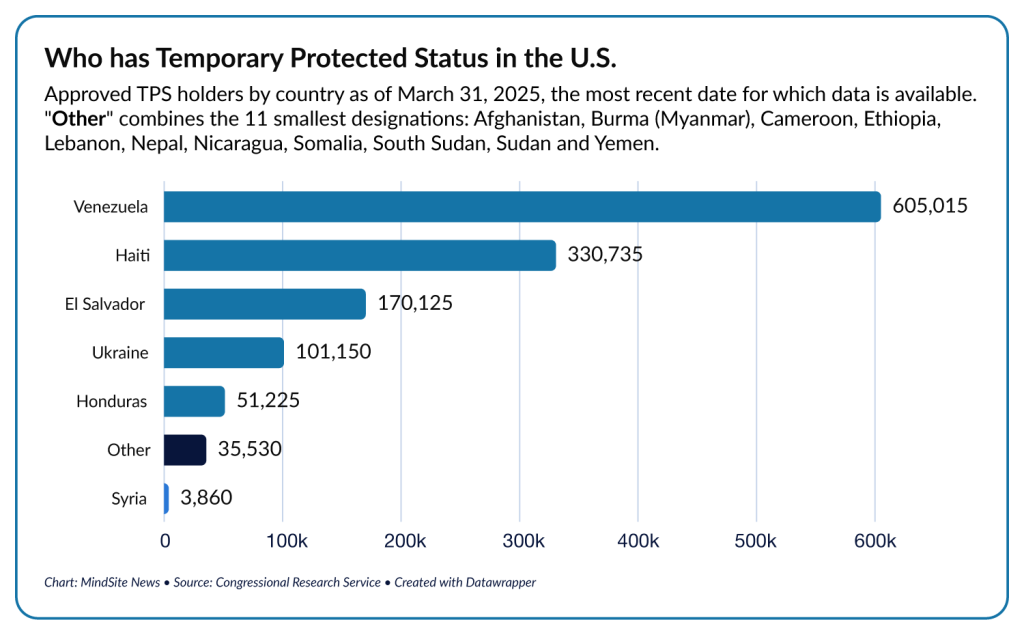
Marcos obtained a work permit and humanitarian protection from deportation when he was granted Temporary Protected Status (TPS), a program established by Congress in 1990 to provide deportation relief and work permits to migrants who can’t return safely to their home countries. The Trump administration, in its first and second terms in office, has pushed to end the program.
On June 25, the Supreme Court’s conservative majority ruled 6-3 that the Trump administration may end TPS for immigrants from Haiti and Syria, potentially clearing the way for the government to strip protections for a larger group of 1.3 million people – including Marcos. He and 170,000 other Salvadorans could lose their protected status as soon as September 9, and the uncertainty of their situation is affecting the whole family.
“At times, I am at school, and I can’t focus on my work because I am thinking about my parents and wondering if they are still home or if they have been taken away,” says Janet. Her family has begun discussing their “plan B” if they are forced to separate.
The same worries are felt by students across Los Angeles, the nation’s second-largest school district. Last November, the district reported that attendance fell by about 7,000 more than anticipated, as children from immigrant families stayed home from school and fewer new migrants registered. Current LAUSD enrollment figures show a 4% decline in 2025-2026 from the previous school year.
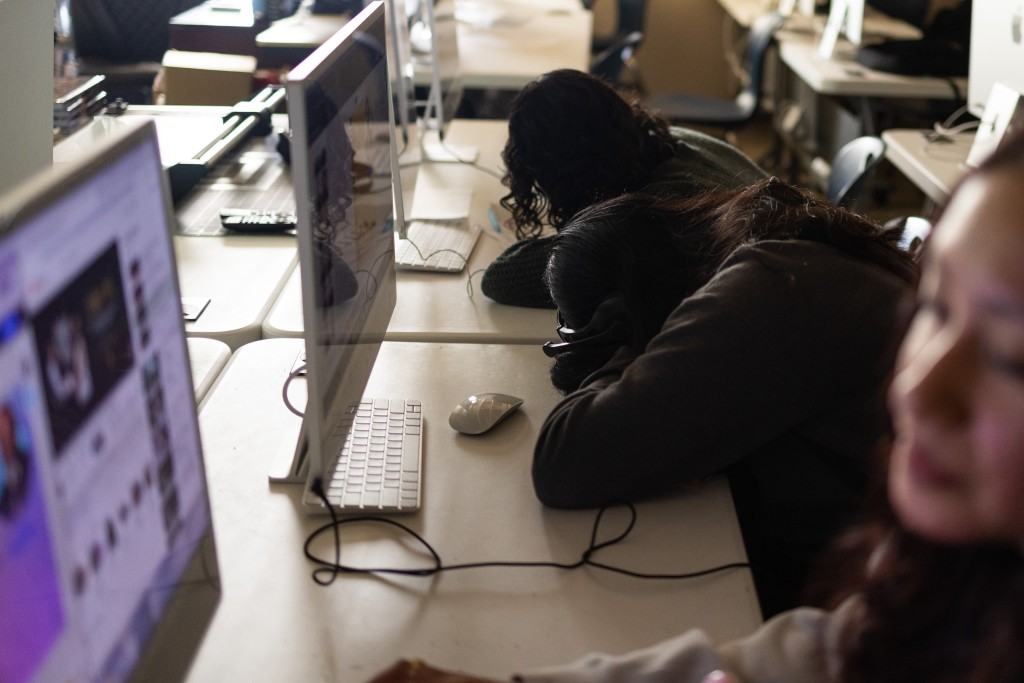
But even those students who do stay in school may not be fully present or able to concentrate. Previous research has found that in areas where immigration raids and other forms of enforcement took place, academic achievement declined and rates of post-traumatic stress disorder (PTSD) rose, as did anxiety, and depression.
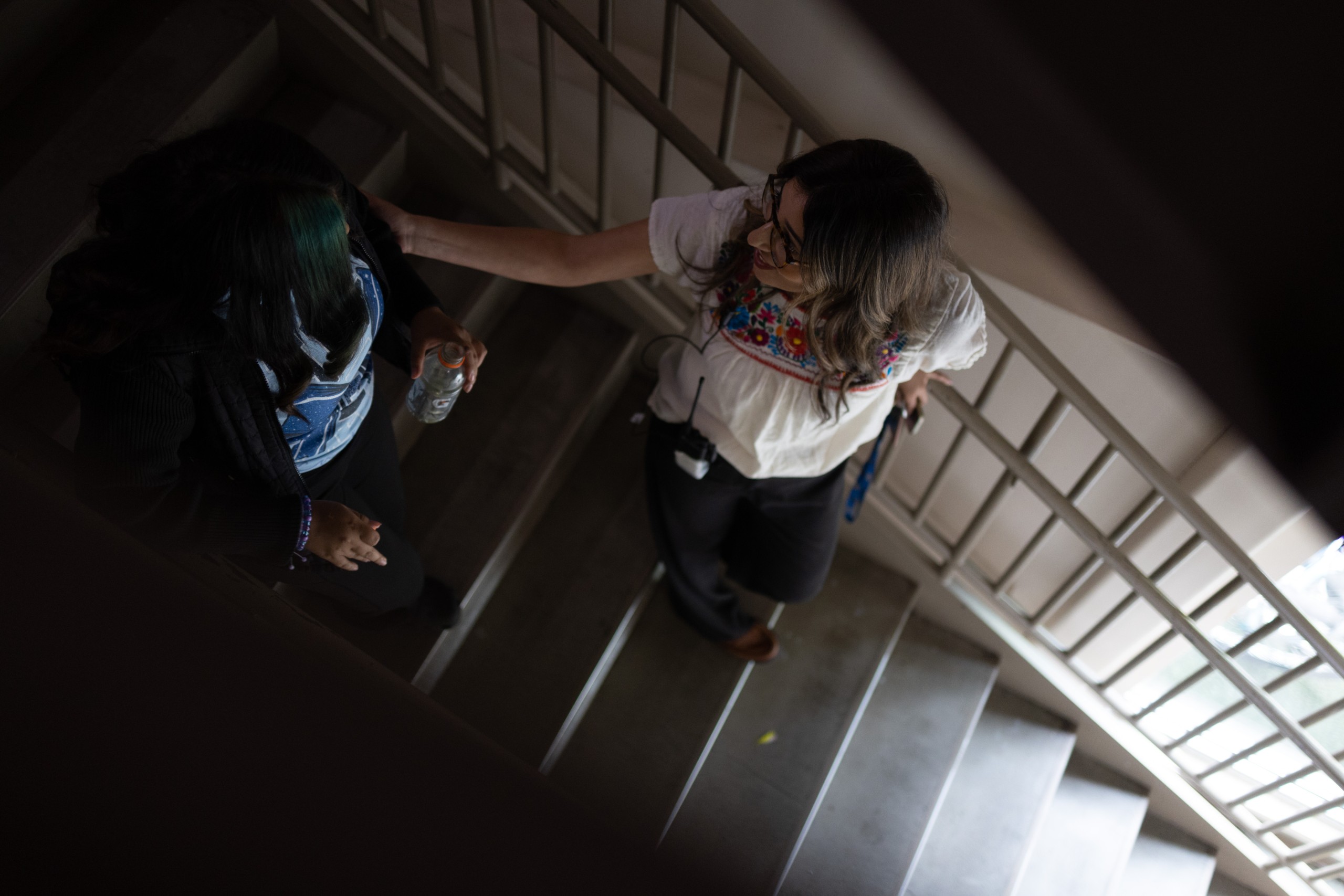
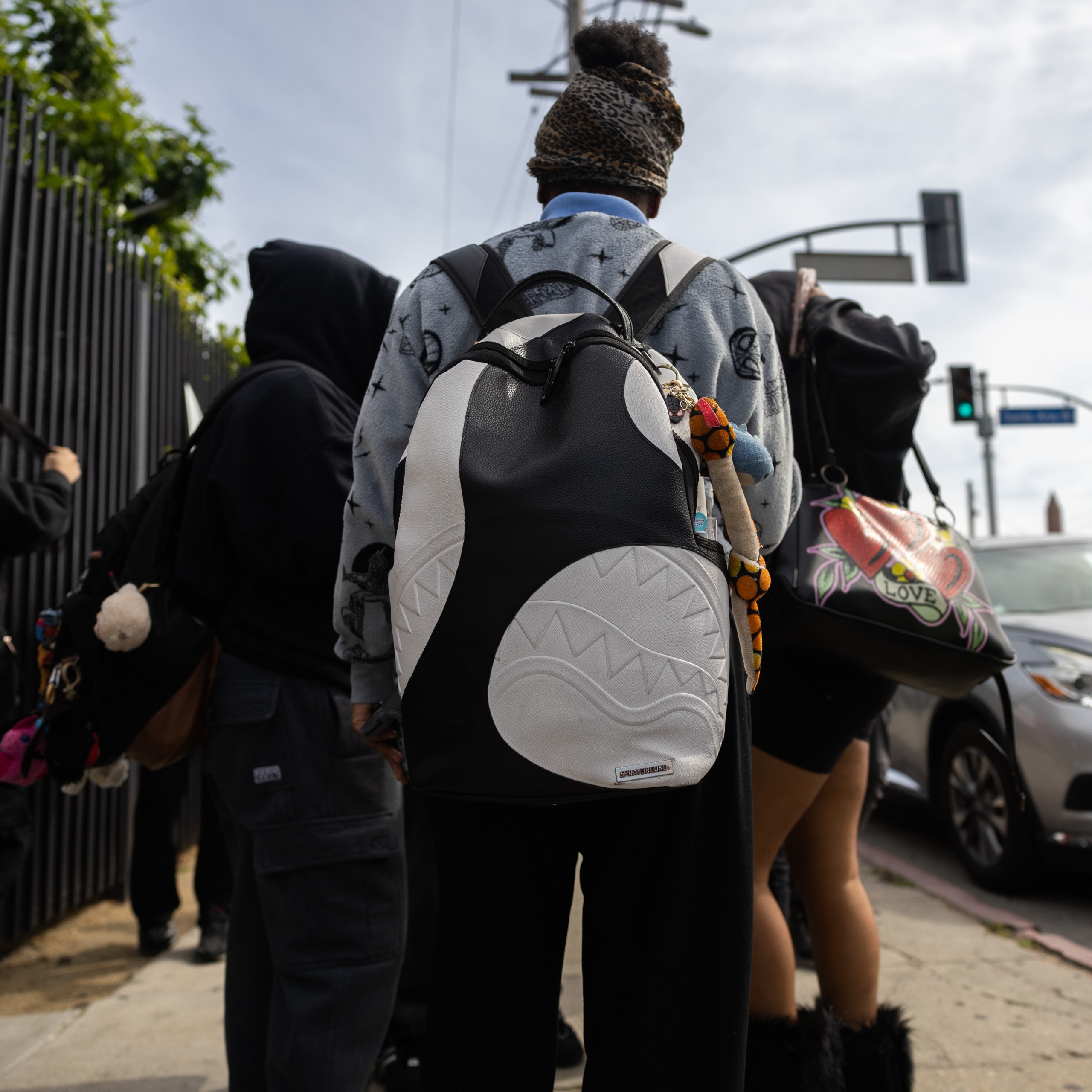
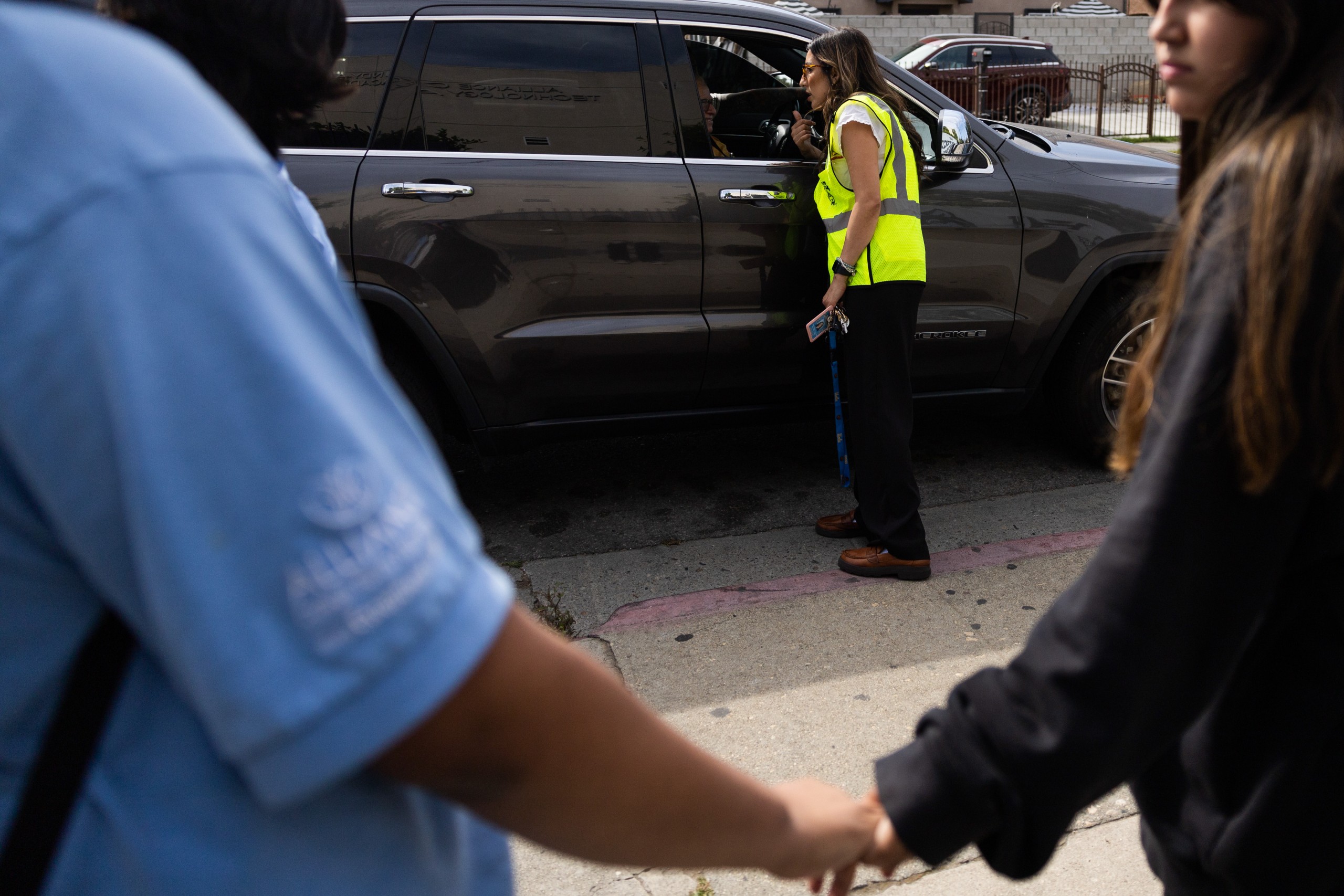
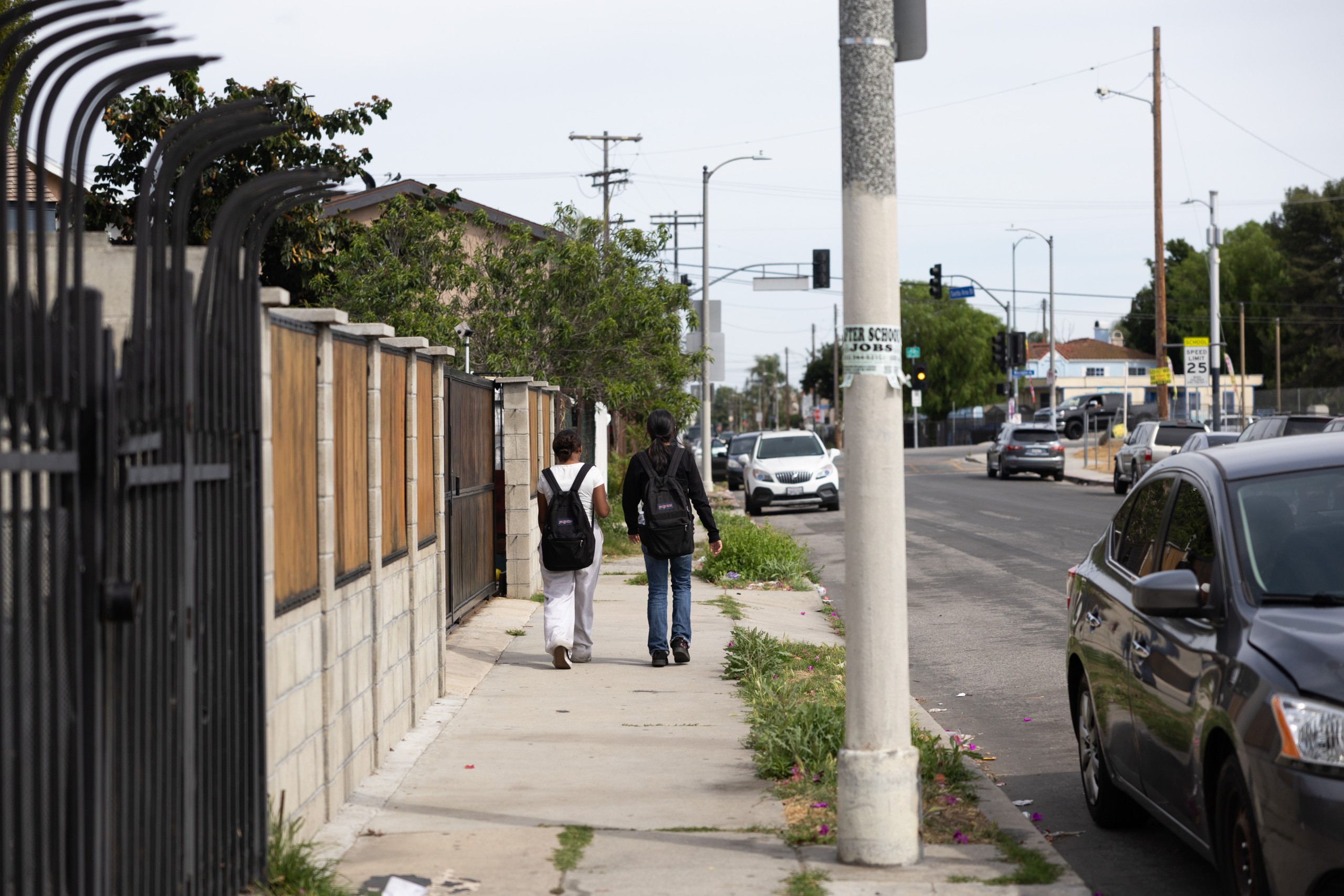
A national survey by the Urban Institute conducted in December 2025 found that “more than 1 in 5 adults in immigrant families with children reported their families did not engage in essential activities like attending school because of immigration concerns.” The survey also found that “over 1 in 7 adults in immigrant families with children reported their children experienced increased emotional distress because of immigration-related worries.”
In this environment of fear, many immigrants are also avoiding contact with U.S. government programs because they don’t want to draw attention to their immigration statuFins. A survey last year by KFF and the New York Times found that the number of immigrant adults who said they avoided applying for programs that help pay for food, housing or health care in the previous 12 months rose to 12% in 2025 from 8% in 2023.
“Folks are seeking care reactively when they absolutely need it – when they can’t hold out any longer,” said Dennis Dacarett Galeano, a psychiatrist and assistant clinical professor at UCLA. “That means everything from not going for well visits to delaying needed care, and even not going to the emergency room.”
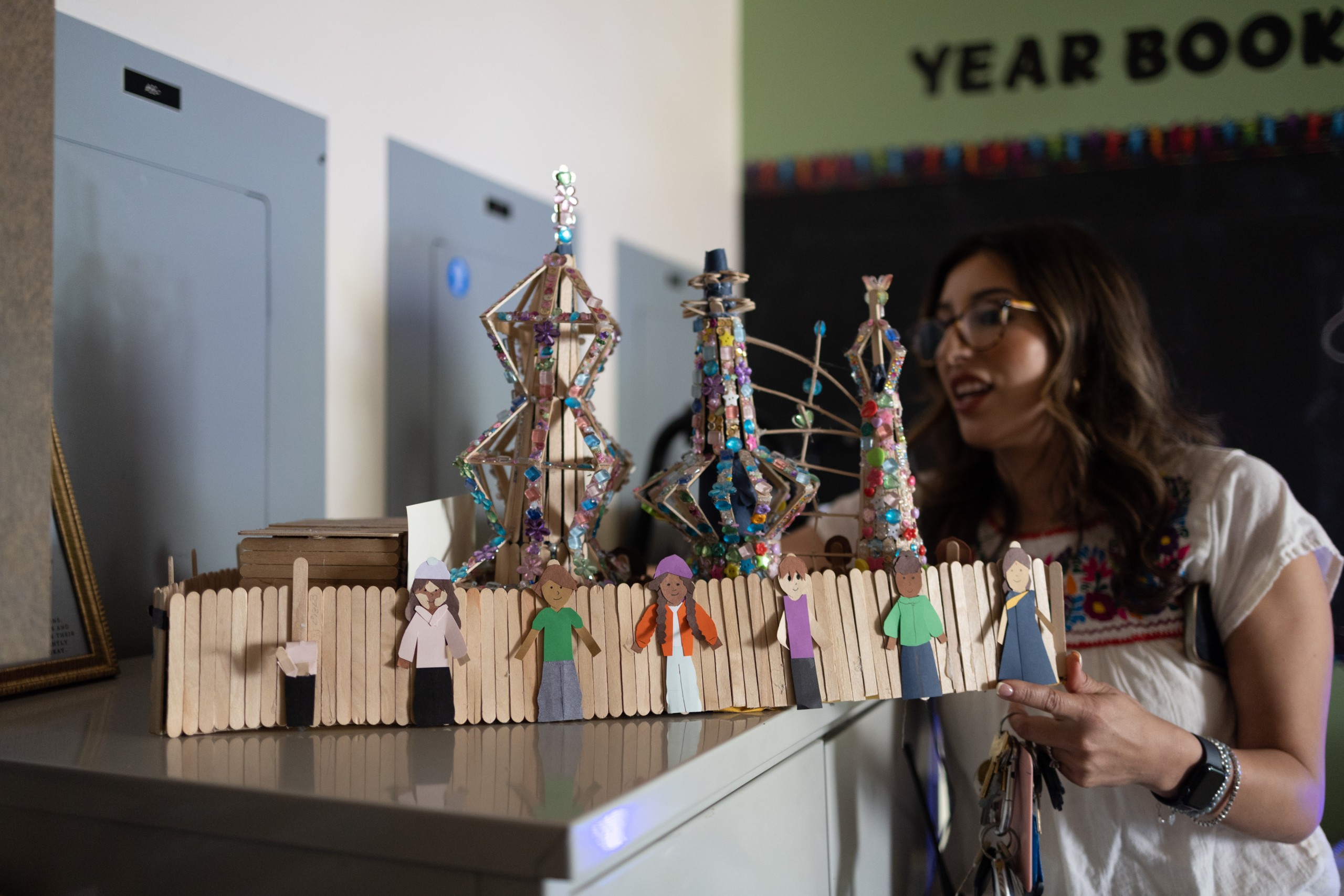
Marcos Gonzalez avoids talking about the near future with his younger children. He is preparing his eldest son, who works, and his eldest daughter, who is in college, to care for his younger daughters, who are in high school and middle school, if he and his wife, who also has TPS, are forced to leave.
“We are living in a state of uncertainty,” said Gonzalez. “We are anticipating a worst-case scenario. It is tough because my children should be focused on their studies and their future, and instead, their lives can take a full turn.”
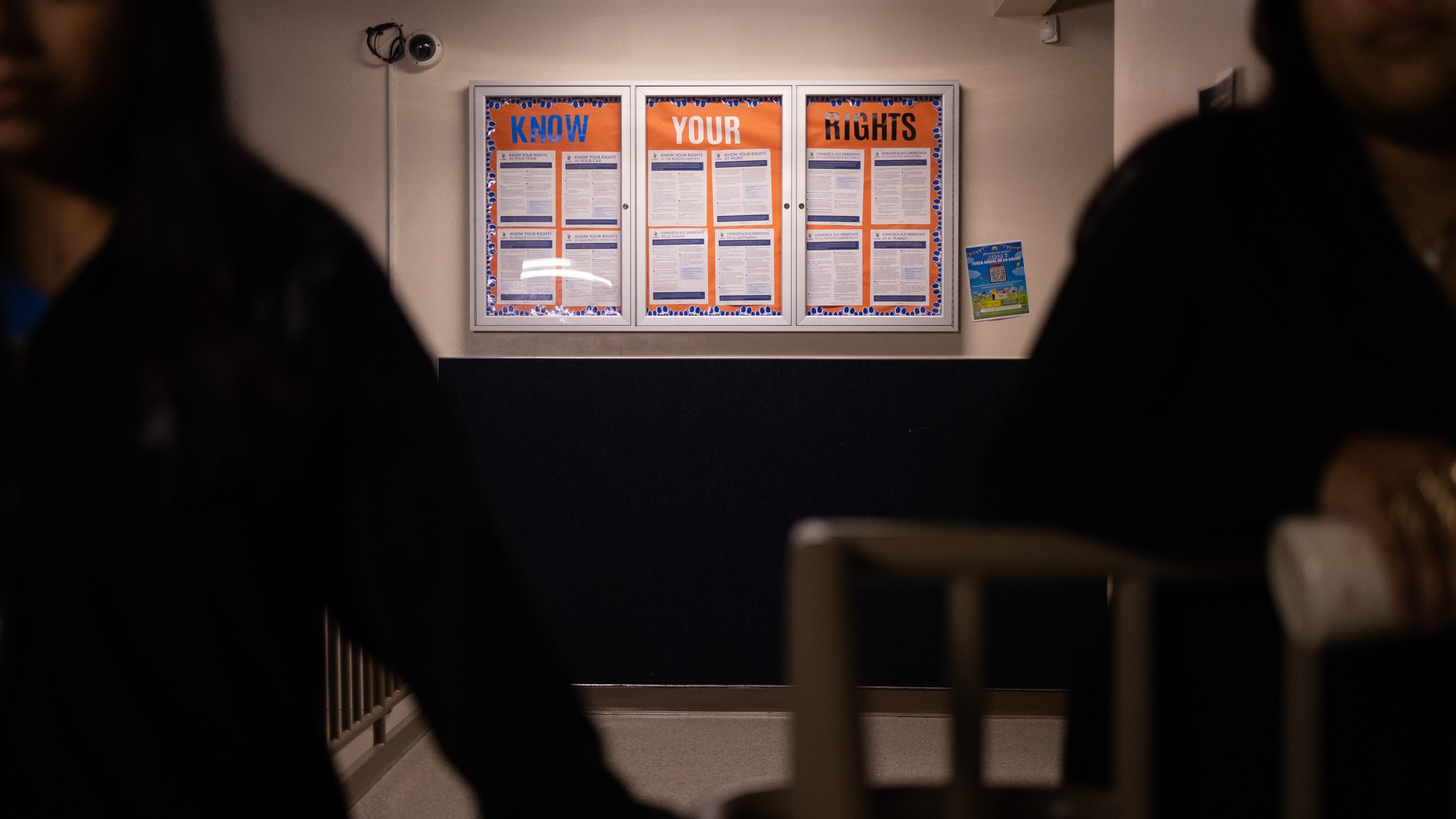
Adding to their stress is hearing about or seeing neighbors being snatched up in roving immigration raids on the streets and at homes, workplaces and even places of worship. Gonzalez says his family feels targeted, and he has made an effort to teach his children their rights.
“Speaking Spanish or the color of our skin flags us for interrogation,” he says. “My youngest daughters don’t feel safe. They feel a moment will arrive when they will be questioned. I’ve told them to stay quiet, say they are citizens, and not to offer any information about their parents.”
Janet and her family have stopped going out unless they have to, and she spends most of her afternoons playing board games and sitting with her parents in the backyard. She tries to spend as much time with them as possible and to care for them while she still can. When they go out, she says, her anxiety rises.
“Sometimes when I talk to my friends, we talk about how worried we are for our parents, and how we really don’t know how they are doing,” Janet says. “I can’t focus on school or just living my daily life anymore. Sometimes my little sister will say, ‘Mom and Dad aren’t home yet, do you think they are OK?’”
Her sister is just 10, so Janet feels responsible for her, too. She tries to distract and keep her sister calm, but it’s hard because she is also trying to calm herself.
“I try to think of good things, and tell her all we can do is wait. That if something goes wrong, it will be OK. But mostly,” she says, “we try not to think of things.”
Janet wants to finish high school in two years and attend college. She dreams of becoming a nurse and plans to get a job while in college to support her parents financially. She knows how tired they are, and she doesn’t want them to worry.
“I want to see them at my graduation,” she says. “They are the reason I am here.”
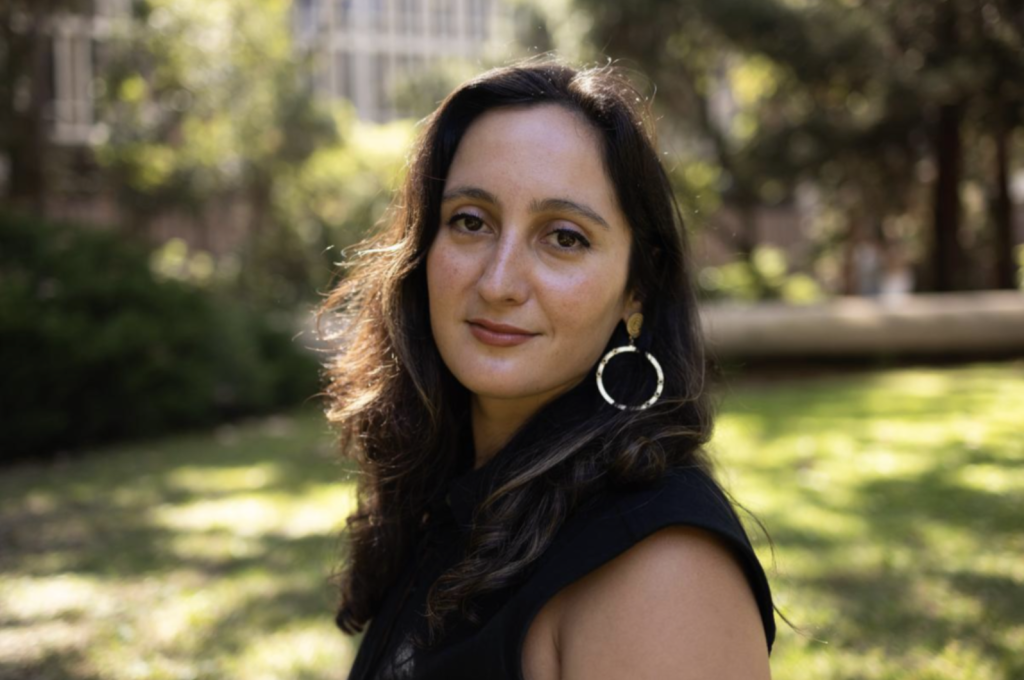
Tatiana Londoño, an assistant professor of social welfare at UCLA’s Luskin School of Public Affairs, says Janet’s responses are typical of youth in immigrant families.
“What we see is emotional parentification,” Londoño said. “They become almost like a parent for their parents. And it’s not that their parents are making them do this; they do it naturally, out of care, and also cultural values they hold. Long term, having to be a young child taking on those roles for their parents, for their siblings – it’s a lot to carry.”
The name “MindSite News” is used with the express permission of Mindsight Institute, an educational organization offering online learning and in-person workshops in the field of mental health and wellbeing. MindSite News and Mindsight Institute are separate, unaffiliated entities that are aligned in making science accessible and promoting mental health globally.


Authors


Related Articles
A Three-Year-Old Tries to Cope Without his Beloved Papi
When a parent is taken away by ICE, a child’s world implodes. The long-term consequences include depression, anxiety and post-traumatic stress disorder.
‘Remembering Is a Form of Protest’: Japanese Prison Camp Survivor Satsuki Ina on the Trauma of Detention
Satsuki Ina on Japanese American imprisonment, the legacy of cultural trauma,
and speaking out against detention centers.