
The Less Visible AI Harm That No One is Measuring
Researchers warn that AI chatbots may contribute to loneliness and social isolation by replacing human relationships
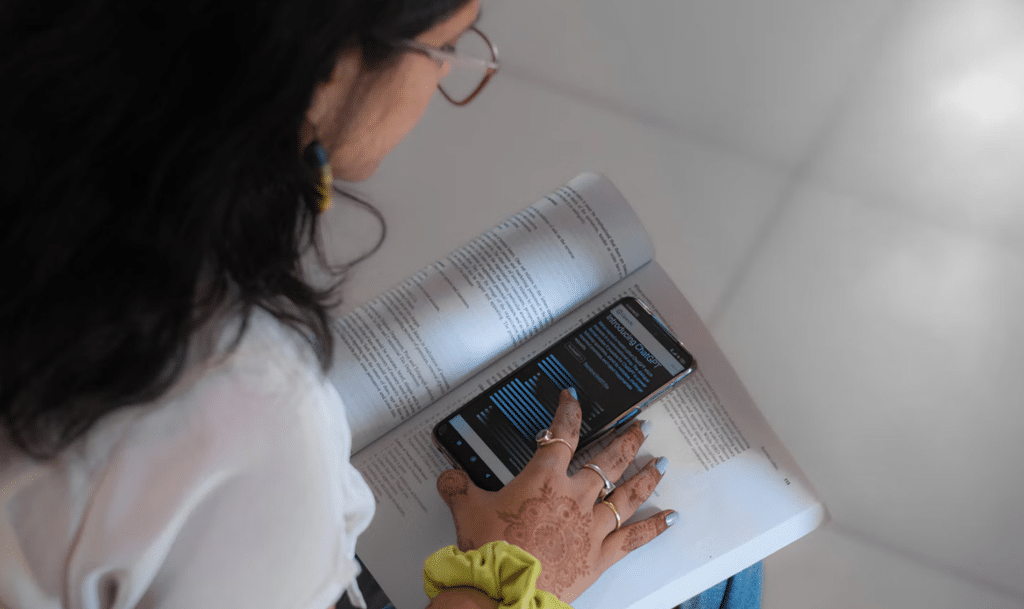
AI chatbots may be quietly pulling people away from the human relationships that keep them well and almost no one is measuring this dangerous shift, three Cornell researchers specializing in different fields argue in an op-ed for STAT.
The alarming finding comes from Qian Yang, who directs the university’s DesignAI group; Ned Cooper, a postdoctoral researcher in the DesignAI group; and Ibrahim Emara, a public policy graduate student. They note that existing safeguards target acute crises like psychosis and suicide — including OpenAI’s new tracking of user distress across sessions, parental controls, break reminders, crisis referrals — and that laws in a dozen states requiring companion chatbots to disclose that they aren’t human. But, important as they are, they aren’t enough on their own. The creeping, less visible risk is that people could gradually, without noticing it, swap out their friends and family for AI bots.
“A chatbot could be safe in every single conversation with a user and still, across months of use, displace the human relationships that keep people healthy,” the authors write. Early research suggests that emotional support use is concentrated among a subset of heavy users, and tied to less socializing and more loneliness, though that finding is still preliminary and debated.
The harm can also be hard to spot. Someone pulling away from loved ones may show few signs of distress and may even find each chat with the AI helpful, masking the underlying problem. Right now, researchers have neither a universal way to measure such withdrawal nor access to the data they need.
The authors stop short of accusing AI companies of bad faith in instituting safeguards, but the history that they cite is pointed. Tobacco companies leaned on warning labels to dodge liability for decades. Meta has cited its “Take a Break” and parental supervision tools before Congress even while denying a causal link between social media and harms to teen mental health. Per-chat reminders that users are “not talking to a human” could someday help AI companies avoid responsibility, the authors warn.
But tobacco’s story also offers a road map. What finally made its harms actionable was states showing what those products were costing their Medicaid budgets. No such accounting exists for AI, as of now. Companies hold their usage data close and public systems know what isolation costs them, yet “there is scant connection between the two” due to a lack of research, the authors write.
To build the bridge between cause and effect, the authors call for a three-step change. Researchers should develop tools that separate chatbot use from other causes of isolation. Public agencies should tally what loneliness already costs them in everything from school counselor time to primary care visits. And state lawmakers should use pending companion chatbot bills to open company data to independent evaluators. None of these shifts require first proving that chatbots cause isolation, they argue. The debate over social media and teen mental health has dragged on for more than a decade without consensus, partly because no one was measuring its effects. The goal is to avoid repeating those mistakes, and to start measuring now, “while the answer can still make a difference.”
The name “MindSite News” is used with the express permission of Mindsight Institute, an educational organization offering online learning and in-person workshops in the field of mental health and wellbeing. MindSite News and Mindsight Institute are separate, unaffiliated entities that are aligned in making science accessible and promoting mental health globally.


Author

Related Articles

Therapy for Mom May Give Baby a Solid Emotional Head Start
Treating depression during pregnancy with talk therapy may improve infant brain development and benefit mother and baby.

6 Tips for Welcoming Trick-or-Treaters With Autism This Halloween
Make Halloween more inclusive with six tips for welcoming trick-or-treaters with autism.
Research on “Circadian Depression” May Lead to Tailored Treatment for Sufferers
A new study identifies circadian depression, suggesting that disrupted sleep patterns and body clocks may influence depression symptoms and antidepressant response.