
Go Fish! The Rise of Youth Social Prescribing
A UK-born healthcare movement that “prescribes” community activity to struggling young people is spreading to Canada, Australia, and the US.
This is the first part of a two-part series on social prescribing. Part 2 can be seen here.
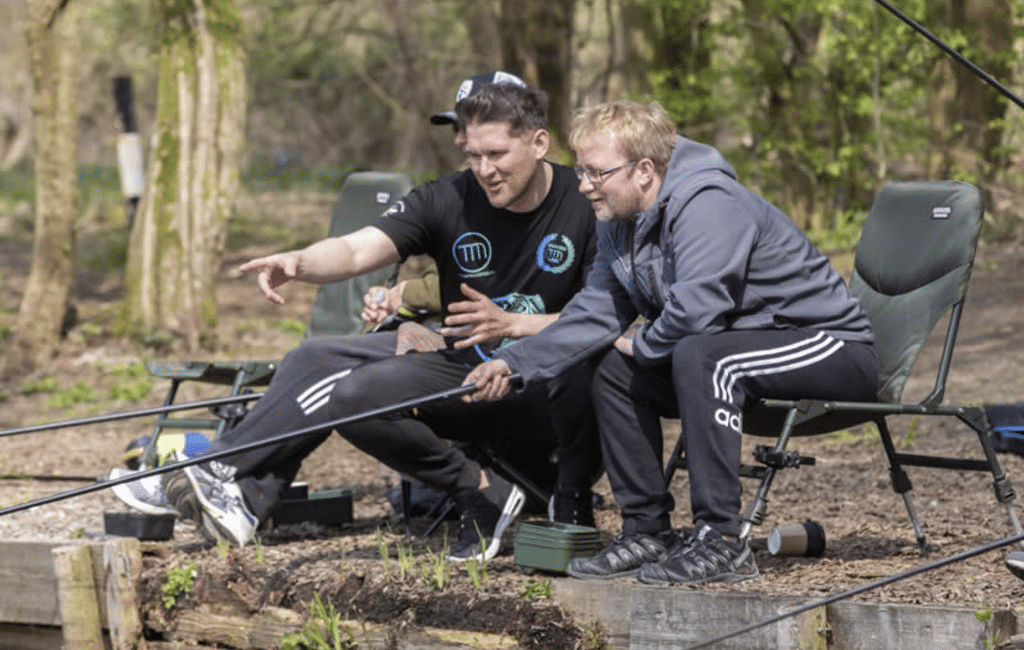
Dave Lyons has always been the life of the party. When I meet him on a riverbank in Irlam, a village near Manchester, England, I find him doing exactly that — smiling, laughing, chatting up schoolkids, veterans and strangers alike.
But six years ago, after a long battle with alcohol addiction and mental health struggles, Lyons found a new kind of party when he quit drinking and started fishing.
“I started watching these YouTube videos about fishing and joining these Facebook groups,” he says of the early days of his recovery. “Something just came over me — it was the first time my mind felt active again.”
What started as Lyons’ own fishing ritual soon became a standing Thursday riverbank gathering, attracting fishing lovers of all ages. Eventually, the young angling coach created a charity for it, called Tackling Minds. “When you’re out fishing, you’re not concentrating on internal conflicts, your mind is elsewhere,” he says, explaining the group’s name.
Research suggests that’s true. A survey of nearly 2,000 UK adults found people who fish reported significantly lower rates of anxiety, suicide attempts, and self-harm than those who don’t. Another recent – albeit small – study finds fishing can boost overall wellbeing. Fishing “just gives you time to think and sometimes, it gives you time not to think,” explains John, a veteran with PTSD and one of the regular attendees at Tackling Minds.
For young people in particular, some research even suggests fishing sessions can also improve concentration and impulsive behavior. It mirrors larger research results on young people and nature: One landmark study of children with ADHD found that just a 20-minute walk in a park improved their concentration significantly more than an identical walk through a downtown or residential area.
Another study of children with autism — based on interviews with 22 parents — found that time in nature offered emotional and social benefits, including a calmer mood and improved interaction between children and their parents. John says he’s seen this firsthand, in a boy with autism who hadn’t left his house or spoken to another person in 12 months before an afternoon on the bank.
“In just five minutes on the bank fishing with us, he was chatting up a storm — we couldn’t shut it off,” John says. “His mother was in floods of tears, saying that ‘You’ve actually brought my son back to me, in just five minutes here with you guys.'”
In 2021, to help more people experience such mental health benefits, Tackling Minds partnered with the National Health Service (NHS) to become the first organization in the world to offer fishing on prescription. It’s part of a larger movement called social prescribing — a practice through which a health professional refers a patient to a community-based activity, typically involving movement, nature, art or service, to improve their health.
Instead of focusing on what’s the matter with a person, social prescribing asks what matters to a person – and then connects that person to an activity. Because many doctors and therapists are stretched thin, forced to work in 15-minute appointments, that connection usually happens through another appointment: in a 60-minute session with a link worker — a community professional tasked with “linking” a person and their interests to a community’s offerings, whether that’s an art class, a swimming lesson, or a fishing session.
Though social prescribing began with a focus on older adults, a growing number of clinics are now focusing on young people, from teens to college students.
The rationale is clear: Among 16-to-24-year-olds in the UK, rates of anxiety climbed from 17.5% in 2007 to 25.8% by 2024 — the steepest increase of any age group. Nearly one third of 17-to-24-year-olds have self-harmed or attempted to at some point. And in 2024-25, more than 1 million children in England had an active mental health referral — almost double the number recorded just six years earlier.
At the same time, the current mental healthcare system is struggling to keep up with demand. In 2024–25, over a third of young people referred were still waiting for clinical treatment — including more than 60,000 children who had been waiting over two years.
Recent data suggests social prescribing can help. In a trial following the initial referral of 558 young people aged 11 to 18 to the NHS mental health care program for children, those offered social prescribing while they waited for care showed modest improvements in relationships, resilience, and greater confidence and self-esteem. A separate observational study of a youth social-prescribing service found that participants’ mental wellbeing scores rose 20% after they completed the program, based on pre- and post-referral assessments of 203 young people.
Daniel Hayes, a principal research fellow at University College London who co-authored both studies, says one key to social prescribing’s success is simply asking young people what matters to them.
“A lot of the time, their parents have just told them, ‘Oh, you need to do this extracurricular activity,’ but they’ve never had those conversations where it’s like, well, actually, what do I want to do?” Hayes says. When an activity is specifically tailored to their interests, Hayes says, “young people, and actually adults as well, are much more likely to be empowered to take them on and actually stick with them.”
‘No one’s ever actually asked me what’s important to me’

The growing field of youth social prescribing began with StreetGames — a UK-based charity focused on getting young people from disadvantaged communities to play sports. In 2016, after seeing the growth and impact of adult models of social prescribing, “we were just kind of curious about how this would work for children and young people,” says Dawn Foster, who worked as a health and wellbeing consultant for the organization.
Backed with £750,000 from the Department of Health and Social Care, StreetGames and the University of East London launched a two-year pilot that offered different kinds of activities to young residents of four English cities.
An evaluation of the program suggested promise: For young people who had participated in the program, mental wellbeing improved significantly, reliance on primary care and emergency visits dropped, and the pilot returned £5.04 for every £1 spent. The effects were strongest among the most disadvantaged young people, and those who started with the lowest levels of wellbeing to begin with.
Foster credits the success to the combination of the socially prescribed activity, as well as the attention and interest of a trusted adult. She remembers one of the beneficiaries, a self-described bookworm, who told her link worker she loved going to the local library. With the link worker’s support, the library created a volunteer position for her, and later gave the girl a paid summer job there. “No one’s ever actually asked me what was important to me,” Foster remembers the girl saying.

That initial pilot helped to legitimize and shape youth social prescribing — a practice now adopted by other UK charities. The Music Works, based in Gloucestershire, offers teens dealing with anxiety, depression, and involvement in the criminal justice system the chance to learn to play an instrument and even to develop professionally as an artist. An independent evaluation of one Music Works program found statistically significant improvements in mental wellbeing among the 245 young people it studied.
Like Tackling Minds and StreetGames, The Music Works also receives referrals through NHS clinics. But their goal isn’t to make sessions feel like clinical treatment or therapy — perhaps for good reason: One recent study found NHS talk therapy is less effective for 16-to-24-year-olds than for older adults, with young people showing smaller symptom improvements. As such, instead of a clinical environment, The Music Works strives to create an educational and recreational environment — a “hub” where young people have the same access to musical equipment that a professional would, says Lyndsay Davies, director of national programmes.

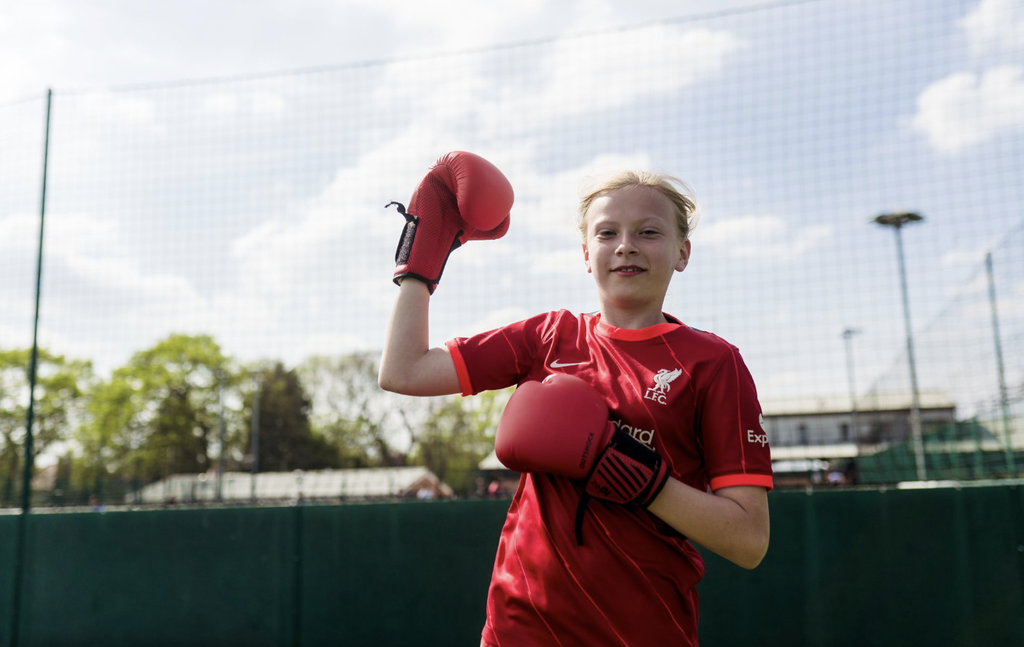
The same focus on building a nonclinical environment is true of GreenHub, a charity in Surrey that brings young people to experiences in nature. Instead of asking what’s wrong, GreenHub’s intake form asks parents “what makes your teen happy?” — a starting point that founder Vanessa Lanham-Day says shapes the whole referral. “A kid might be in class and struggling to concentrate, but that’s a very different thing to them hanging out with the goats, choosing what they want to do, and if necessary, choosing to do nothing at all,” she says.
Still, social prescribing only works if people know about it, and at least at GreenHub, referrals from general practitioners have been slow, says Lanham-Day. “The doctors were incredibly interested and enthusiastic about the whole thing, but when we went to them and said, send us some teenagers, that’s kind of where the conversation ground to a halt, and they continue to be our lowest performing referral route.”
Hayes’ research points to a related problem: Young people are less likely than adults to engage with primary care in the first place. To see if a different referral environment could make a difference, Hayes is now leading INACT, a randomized controlled trial testing whether schools can be an effective source of referrals to help reduce loneliness among young people compared with simply pointing a young person toward existing resources.
‘It takes more than an amazing study to change behavior’
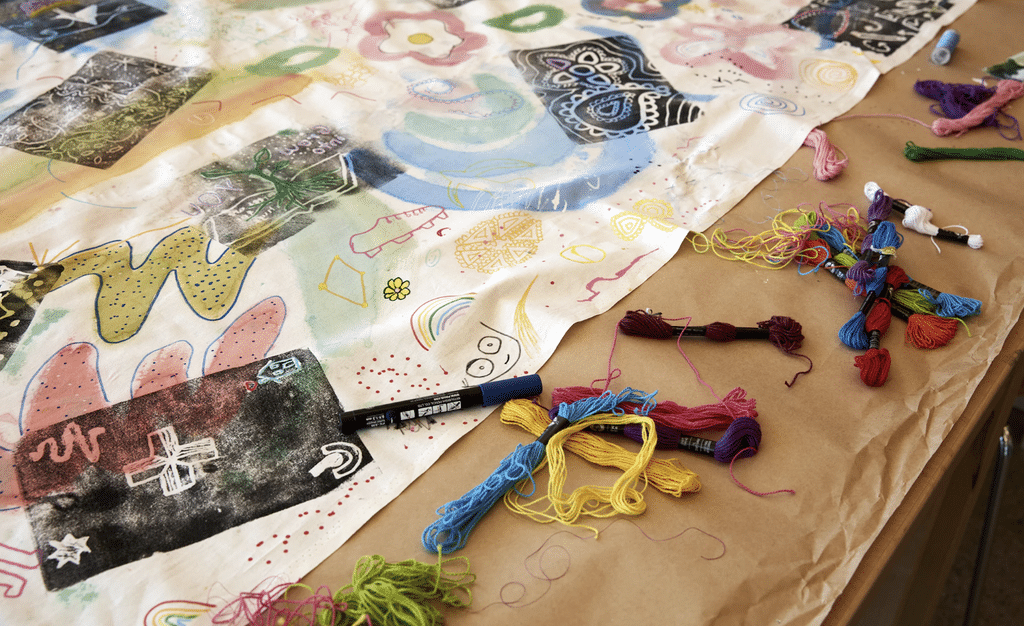
Though the UK has led the way in providing and researching social prescribing for young people, other countries are trying the approach, too, including the U.S. In 2020, Massachusetts launched the nation’s first statewide arts-prescription program through its Mass Cultural Council, partnering, among others, with MACONY Pediatrics in Berkshire County to let young patients and families choose “prescriptions” offered by local cultural organizations.
Nonprofits like Park Rx America help doctors write “park prescriptions” — formal referrals to a specific park or green space — and for-profit companies like SocialRx (formerly Art Pharmacy) are working with private insurers to make arts and culture prescribable.
But without a centralized health system and shared set of incentives, scaling youth social prescribing in the U.S. remains a challenge. Park Rx America’s founder, Dr. Robert Zarr, is currently running a randomized controlled trial tracking children ages 6 to 16 who’ve received a park prescription, a “gold-standard” study in terms of research quality, he says. But Zarr also acknowledges, “it takes more than an amazing study to change the behavior.”
Scaling may come easier in countries where healthcare is more centrally funded. In Ottawa, Canada, Drs. Susan Bennett and Caitlin Muhl led a child and youth social prescribing pilot that provided 148 social prescriptions for community activities to 43 young people. In a recently published study, Muhl and Bennett found the process itself — not just the activities — mattered to kids.
“What really stood out was how meaningful it was for children to have someone sit down with them and ask about their interests, strengths and dreams,” Muhl says. “It showed us that the value of social prescribing isn’t just in connecting children to activities — it’s also in giving them a voice in shaping what support looks like for them.”
In Australia, the Black Dog Institute, a Sydney-based mental health research institute, runs a promising youth social prescribing program called Culture Dose for Kids. Developed with the Art Gallery of New South Wales, the eight-week program guides children as they “slow-look” at a single painting for up to 20 minutes. Prompts built around the opposite of whatever is causing their anxiety.
“You’re not necessarily talking about the big issue you’re worried about, but you’re exploring your feelings around it by focusing on the positives,” says Dr. Diane Macdonald, who manages the program. Since launching, the program has reached more than 500 children and parents and continues to expand, moving beyond Sydney into regional galleries across New South Wales. A 2026 evaluation based on parent reported scores found a statistically significant reduction in anxiety among children in the intervention group—roughly a 29 percent drop in anxiety scores from baseline, compared to 8 percent among children on the waitlist.
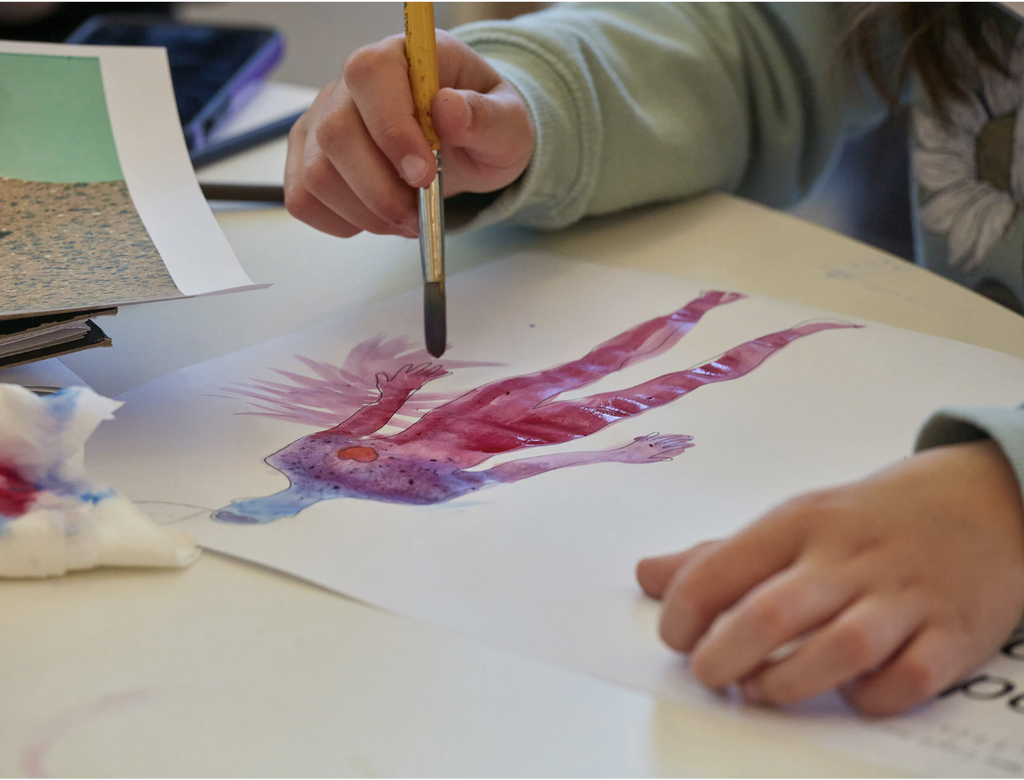
Emma Elder, a former art teacher who serves as the program’s lived-experience advisor, knows that relief firsthand. “Art is the perfect way for people to safely explore emotions in their own chosen way at their own pace,” she says. “Because art has got visual stimulants, it can really help us think about things in a different way, or feel things in a different way — it’s a journey into the soul.”
Dave Lyons of Tackling Minds knows that journey, too, even if he wouldn’t put it in those words. Despite the many different medications and therapies he tried in his younger years, fishing has been “hands down better than any of them,” he says. “If it wasn’t for fishing, I don’t think I’d be here.”
This article was supported by The Carter Center for Mental Health Reporting. The writer, Julia Hotz, is a 2025-2026 Carter Center Mental Health Fellow. See part two: ‘This Is the First Time I’ve Touched Grass’: Inside the U.S. College Campuses Pioneering Social Prescriptions
The name “MindSite News” is used with the express permission of Mindsight Institute, an educational organization offering online learning and in-person workshops in the field of mental health and wellbeing. MindSite News and Mindsight Institute are separate, unaffiliated entities that are aligned in making science accessible and promoting mental health globally.


Author
Related Articles
‘This Is the First Time I’ve Touched Grass’: Inside the U.S. College Campuses Pioneering Social Prescriptions
As a mental health crisis overwhelms college students and counseling departments, universities are creating programs that prescribe nature, arts and belonging.
‘I Had to Get My Mind Right’: The Challenges to Loving Relationships After Being Laid Off by DOGE
After the federal firings, Black women felt betrayed and disillusioned. One longtime federal worker learned from experience the importance of community — that people who have experienced collective trauma need collective resilience.
Recovering From a ‘Gut Punch’: Black Women Fired by Trump and Musk Work to Overcome Shame and Self-Blame
Black women working for the federal government did what they were supposed to do. They got their degrees. They excelled at their jobs. They received awards for excellent performance. Yet their achievements could not protect them from the political winds.