
A daughter laments Canada’s indefinite suspension of Medical Aid in Dying for mental illness

“Sometimes, mental illness is terminal,” STAT News First Opinion editor Torie Bosch asserts in a deeply personal essay. Reflecting on the many times her mother attempted to end her life — so many that she lost count — Bosch makes the case for a hotly debated policy that Canada just shelved: Medical Aid in Dying for people whose terminal condition is mental illness.
On October 7, Canada indefinitely suspended the long-delayed expansion of its MAiD program to cover mental illness, which had been set to take effect in March 2027. The country’s Justice Minister Simon Fraser cited gaps in mental health access and a recent report questioning whether mental illness can be deemed incurable. Only Belgium, the Netherlands, Switzerland and Luxembourg currently allow MAiD on mental illness grounds.
Bosch makes clear her understanding of the objections to MAiD for mental illness, including pressure from families, wide gaps in access to quality mental health care, the risk that depression or other ailments can distort a person’s judgment and even reports questioning whether mental illness can be deemed incurable.
But she argues that those concerns don’t account for patients like her mother — a Wharton MBA graduate who spent nearly two decades cycling through bipolar disorder, a traumatic brain injury, hallucinations, chronic pain and punishing medications. Repeated assurances that things would be OK became a lie that she and her mother both recognized. Decades of trying to keep her mother alive only denied her a gentler death while leaving the family to navigate a more complicated grief, she says.
“She was never going to be OK,” Bosch bravely writes. “It must have been maddening — so much in her life was literally maddening — to keep being told, “It’s OK, you’re fine.” She was always going to die this way. If she was going to die by suicide — a phrase I hate for how it removes her agency from the most important decision she ever made — then it should have been better…And her physicians could have said: ‘Yes, you’re right. We’ve done all that medicine can offer you at this point, and it hasn’t worked. You’re an intelligent woman with the insight to make this decision. If you want to die, we support you.’”
The name “MindSite News” is used with the express permission of Mindsight Institute, an educational organization offering online learning and in-person workshops in the field of mental health and wellbeing. MindSite News and Mindsight Institute are separate, unaffiliated entities that are aligned in making science accessible and promoting mental health globally.


Author

Related Articles

After Deadly Oregon School Shooting, Experts Offer Advice to Grieving Families and Advocates Renew Call for Stronger Gun Laws
Following the tragic shooting in Bend, Oregon, grief experts share advice for families while the debate over federal and state gun laws re-emerges.

‘Going Into the Tunnel’: Doomscrolling Steals Sleep and Takes a Toll – But Prompts Some Youth to Action
New CDC and Hopelab reports show that late-night doomscrolling severely disrupts sleep and worsens mental health among young people.
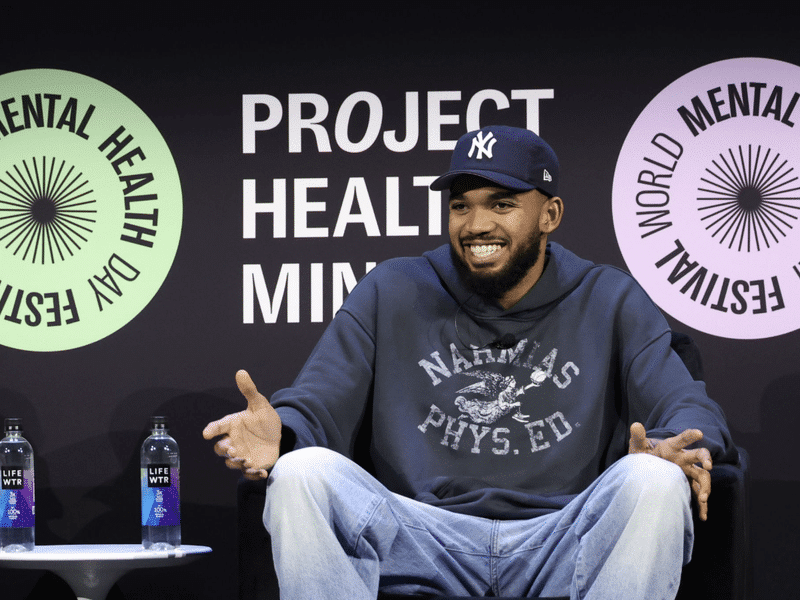
Superstar Athletes Open Up at Project Healthy Minds 5th Annual World Mental Health Day Festival
Bringing together athletes, entertainers, and mental health experts, the 5th Annual World Mental Health Day Festival featured candid conversations on identity, screen time, and emotional resilience.