
Recovered addicts help revive Kentucky towns
Recovered addicts are helping small town Kentucky rebuild from the ravages of the opioid epidemic. New research finds Viagra may help aging brains. And more.


Wednesday February 28, 2024
By Courtney Wise

Greetings MindSite News Readers! In today’s Daily, recovered addicts are helping small town Kentucky rebuild from the ravages of the opioid epidemic. New research finds Viagra may help aging brains, and the Washington Post offers tips on reducing stress. Plus, a podcast from UC Berkeley’s Greater Good Science Center teaches listeners how to plan a break for happiness.
Recovered addicts help resurrect small-town Kentucky decades after it was left for dead
Hazard, Kentucky – and its nearby cousins – Prestonsburg, Pineville, and Corbin – thrived for generations due to their proximity to the coal mines. Some 700,000 men and boys built lives, fed families and lived comfortably for decades on the income yielded by the mines.
Life was good, journalist and author Sam Quinones writes in The Free Press, and drugs weren’t a major problem. Then everything changed. Coal was left behind – as was economic stability. And by the early 2000s, the region had become the epicenter of the opioid epidemic. As downtown emptied out and buildings were shuttered, the only truly vibrant businesses left were the pill mills that prescribed massive amounts of painkillers. Hazard, Quinones writes, “took on a haunted feeling” that lasted for most of the next two decades. Then – “weirdly and unexpectedly,” he says – things started to get better as addicts who had recovered began helping their communities do the same.
“When somebody gets clean, they want to change the world, and have ideas of how to change the world,” said Stephanie Callahan, a former addict and current business owner in Hazard. “You do something just to prove you can do it.” Today, recovering addicts represent 25 percent of new employees in Hazard. Ninety minutes away in Pineville, that number reaches 33 percent. It’s tenacity of spirit, a belief that those there now have to save themselves, said Les Stapleton, the mayor of nearby Prestonsburg. “Too many have come in to try to save us, and they don’t,” he said.
Mandi Fugate Sheffel is part of the effort. The Hazard native was introduced to OxyContin as a teenager and struggled with addiction for a few years. Eventually, she left home, got sober, and began a family. When she returned home, she saw new life. “When you don’t have industry, you’re having ecological disaster and a drug epidemic – you would think all those things would get us to a place where the town would be uninhabitable,” Fugate Sheffel said. “But that’s not what I’m seeing at all. I’m seeing a lot of people rally.”
In early 2020, Fugate Sheffel opened a bookstore, Read Spotted Newt. It flooded days after opening, and weeks later, mandatory pandemic shutdowns made her wonder if she’d soon have to shut the business down for good. But local media spread the word about her shop’s trouble and orders poured in from all over. “I was shipping books everywhere – Boston, Florida, Texas, L.A. Anybody who had any tie to eastern Kentucky who knew this was going on were like, ‘We gotta make sure she makes this work.’”
By year’s end, she’d done better than that. Read Spotted Newt ended 2020 in a larger space, once home to Hazard’s tourist welcome center. The city renovated it for her. It’s the right recipe for every small town making its way, said Jeff Siegler of Revitalize, or Die, an advisory firm that helps small towns rebuild. Success “has to be about small, incremental victories – one business at a time.”
Can Viagra also boost the brain?
As far as I know, Viagra’s success has always been about organs other than the brain. But now new research suggests the little blue pill may actually benefit aging brains, the Washington Post reports. Researchers at University College London followed the medical records of 270,000 middle-aged men in Britain who were diagnosed with erectile dysfunction between 2000 and 2017, with a median follow-up time of about five years. Over the course of the study, 1,119 study participants were diagnosed with Alzheimer’s disease.
But within the data, researchers found a pattern. Subjects prescribed Viagra or a similar drug had an 18% percent lower risk of developing Alzheimer’s than men who didn’t, and frequent users had the lowest risk – 44% lower. “I’m excited by the findings but more excited because I feel this could lead to further, high-quality studies in a disease area that needs more work,” said lead investigator Ruth Brauer.
Perhaps it’s not really surprising. Pfizer originally developed Viagra as a heart medicine to treat hypertension and chest pain called angina. But during clinical trials, some men noticed an unexpected side effect – erections. The company pivoted and marketed the drug for erectile dysfunction. Today, sildenafil, the generic name for Viagra, is also used to treat pulmonary arterial hypertension – a vascular condition – in men and women. Since vascular conditions have been linked to certain types of dementia, researchers have wondered whether drugs like Viagra might also affect brain health. “There is an idea that if we can help with improving blood flow in the brain, maybe we can also reduce the risk for Alzheimer’s disease,” said Sevil Yasar, co-author of an editorial that accompanied the study.
The study’s findings are only preliminary and researchers must do more work to rule out other factors. “There’s too many confounding variables to make a definitive statement that it’s the pills or it’s the patients that are taking the pills that are less likely to be neurologically impaired,” said Stanton Honig, a Yale professor of urology who wasn’t part of the study. Next steps are to test the drug in men without erectile dysfunction, as well as in women.
A psychologist offers tips on how to reduce stress
Stress doesn’t just affect the mind; it impacts the whole body. For me, it’s in the tightening of my neck muscles or the way I unconsciously hold my breath. It’s almost as if my brain sends my body a message that reads, “Brace for impact.” The physical stress exacerbates mental stress – and relieving one helps relieve the other. Our bodies are wired with all we need to calm down and face what’s causing us anxiety, clinical psychologist Jenny Taitz wrote in a Washington Post advice column. All we have to do is tap in.
First, Taitz writes, relax your face with a half smile. I read this and laughed out loud. My default under pressure is the nervous smile or that raised-eyebrow look The Rock is always sporting. Maybe the trouble is I’ve been going all the way, when I should be easing in. But Taitz explains that our facial expressions can influence our real-time emotional experiences. So, intentionally easing your face into a smile may affect your response to the stressor you’re facing.
Step two: Comfort yourself with touch. Snuggles are effective on babies and small children; a warm touch to your own heart can have a similar effect. In fact, Taitz refers to a study that found that placing your right hand above your heart and your left hand on your belly can reduce levels of cortisol, your body’s main stress hormone. It’s also a good way to offer yourself compassion.
Do not underestimate the power of a walk outside in fresh air or of breathing intentionally through your nose. In moments of calm, you can also practice how to manage stress and welcome panic. Mounds of research shows that spending time in nature offers a great (and free) mood boost. Breathing through your nose is also great. The nose filters the air, and nose-breathing pulls in oxygen more efficiently and improves blood pressure and heart rate variability.
But about practicing panic – huh? Well, Taitz says that when you train your body to recognize and respond to stress signals with mindful drills, it will learn that stress is temporary. It will also help your body and brain to categorize stress appropriately – noticing what is actually happening rather than the catastrophe you fear. If trying these techniques seems scary, Taitz suggests practicing with a licensed professional. “If you know how to lean on it,” she says, “your body can be your best pharmacy.”
In other news…
Beware of life coaches masquerading as therapists: Utah state officials tell KUTV they have nothing against the life-coaching industry, but they urge residents to be certain of who they’re turning to for mental health advice. Some life coaches are offering therapy, even though they’re not licensed to do so. Formerly licensed mental health professionals are also turning to life coaching after having their legal right to provide therapy revoked. Nanci Klein of the Utah Psychological Association, says some life coaches misrepresent what they are able to do. “I would be very concerned about life coaches who are using diagnostic [terminology] in their interactions with clients,” she said.
Portugal treats addiction as an illness rather than a crime. Might that be the answer to resolving the opioid epidmic in the United States? According to reporting in a recent episode of NPR’s Consider This, overdose deaths are rare in Portugal. Drug treatment programs are provided at no cost to addicts, paid for by taxpayers through the country’s national healthcare system.
Plus, the police in Portugal are trained to nudge people into treatment, rather than place them under arrest. Click here for the 10-minute listen. Or read this article from a few years ago by our own Rob Waters.
Take a 7-minute happiness break! In this short podcast episode from UC Berkeley’s Greater Good Science Center, listeners are guided through a meditation on playfulness to help people manage conflict, navigate tough emotions in a healthy manner, and be more creative.
If you or someone you know is in crisis or experiencing suicidal thoughts, call or text 988 to reach the 988 Suicide & Crisis Lifeline and connect in English or Spanish. If you’re a veteran press 1. If you’re deaf or hard of hearing dial 711, then 988. Services are free and available 24/7.
Recent MindSite News Stories
How psychedelic drug therapy became a rare bipartisan issue in California
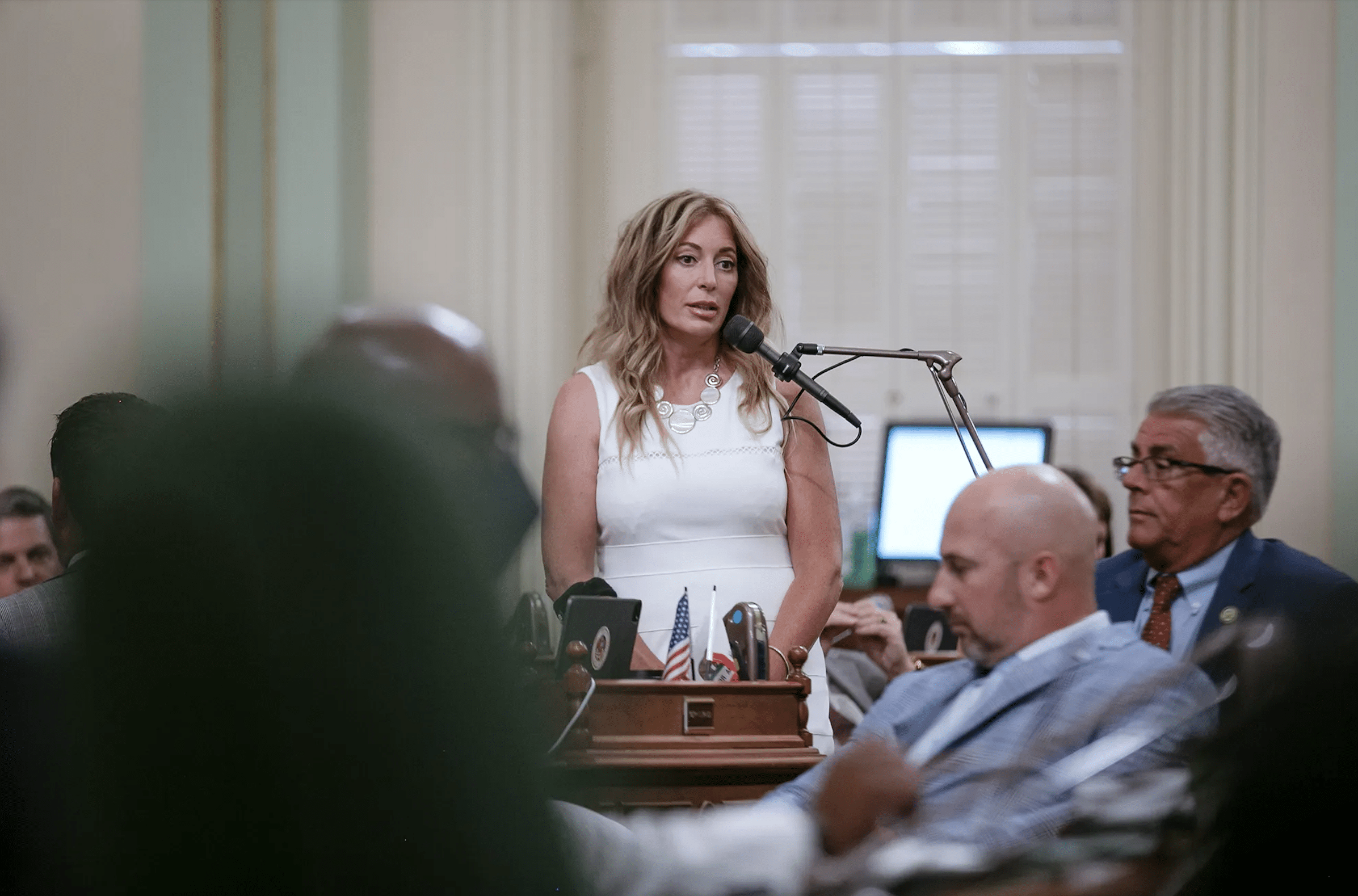
Republican Marie Waldron and Democrat Scott Wiener may seem to have little in common. But they have formed an unlikely partnership on an unusual issue: legalizing psychedelic drugs to treat mental illness.
California Voters Will Decide on Newsom’s Mental Health Overhaul. How Did We Get Here?
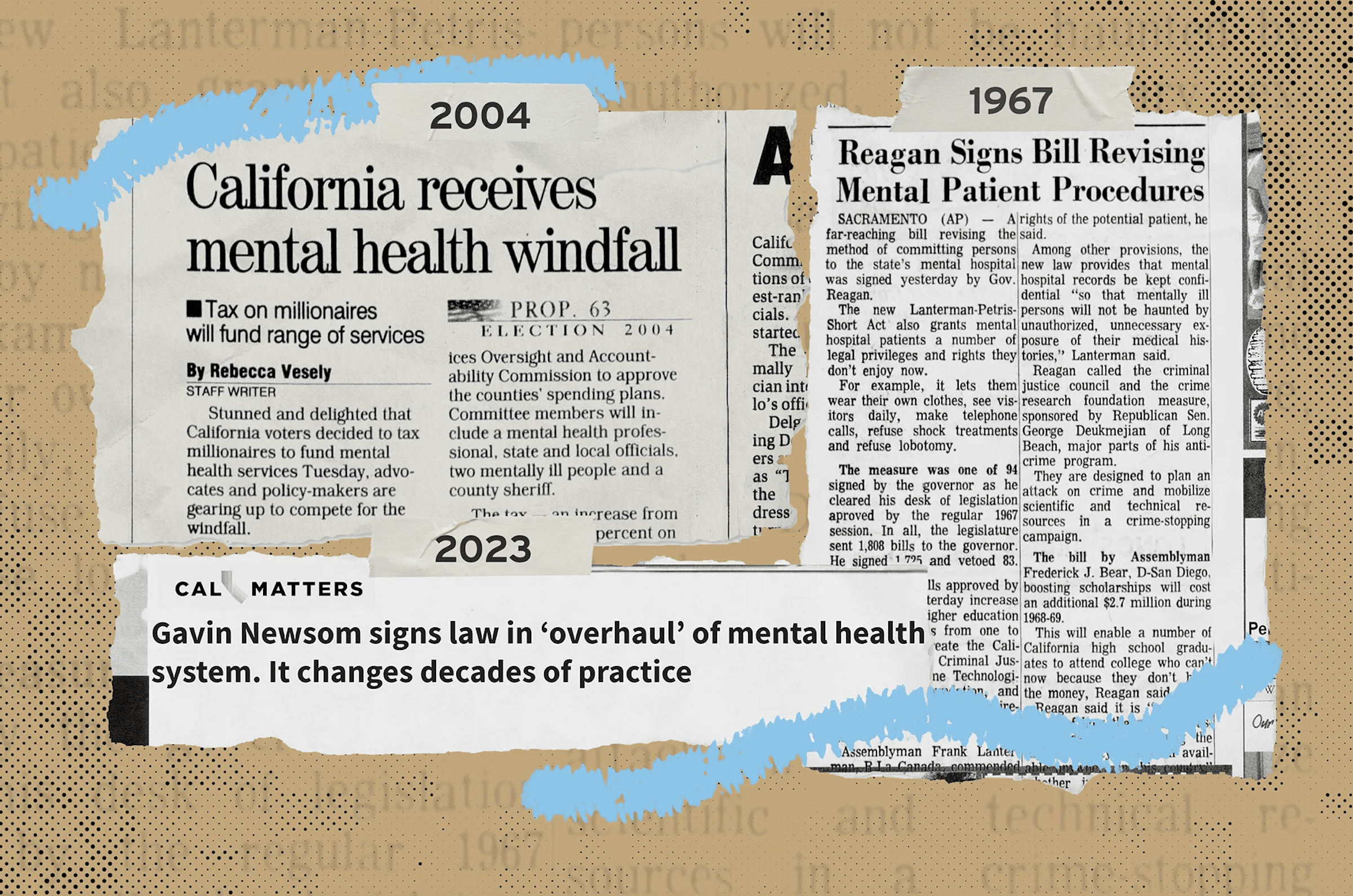
Proposition 1, a March ballot measure in California, is the latest state proposal that aims to make major changes in mental health policy. Here’s a look at some of the others over the past 75 years.

An Initiative Promised 20,000 Homes for Mentally Ill Californians. It Delivered Far Less
Proposition 1, a March ballot measure in California, promises to build 4,350 supportive housing units for homeless people with chronic mental illness. Can it succeed where previous measures fell short?
If you’re not subscribed to MindSite News Daily, click here to sign up.
Support our mission to report on the workings and failings of the
mental health system in America and create a sense of national urgency to transform it.
For more frequent updates, follow us on Facebook, Twitter and Instagram:

The name “MindSite News” is used with the express permission of Mindsight Institute, an educational organization offering online learning and in-person workshops in the field of mental health and wellbeing. MindSite News and Mindsight Institute are separate, unaffiliated entities that are aligned in making science accessible and promoting mental health globally.
Copyright © 2021 MindSite News, All rights reserved.
You are receiving this email because you signed up at our website. Thank you for reading MindSite News.
mindsitenews.org

The name “MindSite News” is used with the express permission of Mindsight Institute, an educational organization offering online learning and in-person workshops in the field of mental health and wellbeing. MindSite News and Mindsight Institute are separate, unaffiliated entities that are aligned in making science accessible and promoting mental health globally.


Author

Related Articles

Rumors of Kids Quitting College En Masse Are Exaggerated
This week: what the data says about Gen Z students quitting college, and why postpartum mental illness is more than depression.

Why Is Georgia Blocking Recovery Homes for Substance Abuse?
Georgia towns are using zoning loopholes to shut recovery homes down, even as addiction and mental illness surge statewide.

Why Are Mothers Punished for Parenting?
Those of us who roamed freely as kids can be arrested for letting our kids do the same.