How Neighbors Are Saving Lives Through Overdose Reversal
How many community people transition from life savers to ‘super savers.’

Greetings, MindSite News readers.
In today’s Daily, community responders are making the difference in stopping overdoses. Social media encourages narcissism in travel. And poor dementia care can lead to violence and even death.
But first, CBS News aside, a four-year-old boy is inspiring the neighborly behavior our whole world needs. Let’s do our part to follow his lead.
How ordinary people “get good” at reversing an overdose
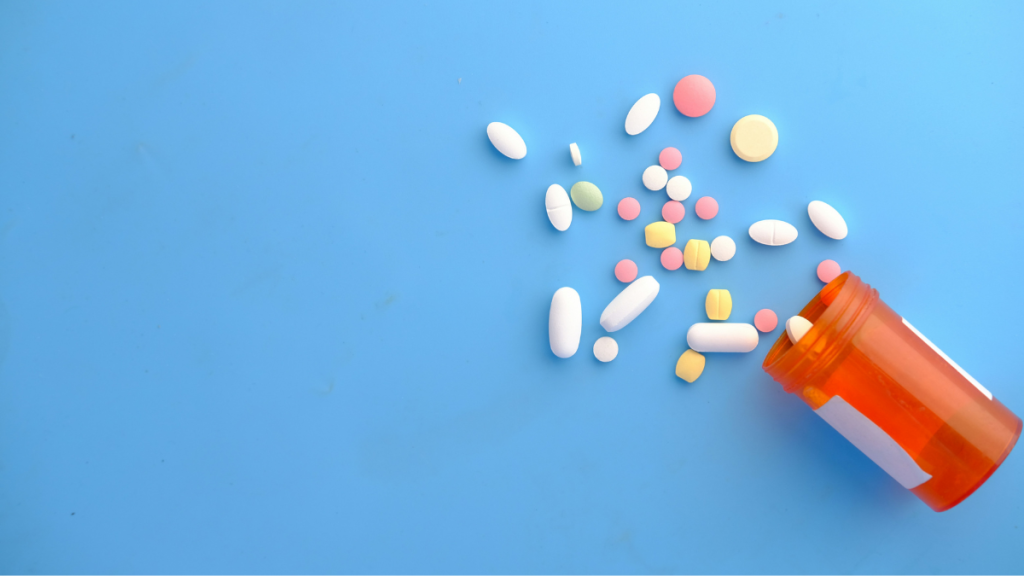
Most Americans who bring someone back from an opioid overdose aren’t paramedics or medical professionals — they’re friends, partners and neighbors at the right place at the right time. Some people become especially good at those interventions, transitioning from life savers by chance to super savers by repetition. Now, a qualitative study from the Opioid Data Lab produced through in-depth interviews with 74 people who administered naloxone over the past year in western Pennsylvania, western Michigan, and central California. The paper, published in Social Science & Medicine, examines how everyday responders are essential to harm reduction, and considers what mental and emotional supports these heroes need after helping so many people on the brink of death.
While those interviewed did receive some training, it was brief, like the training I received at a local community center in Detroit: over about 90 minutes, a harm reduction worker explained the signs of an overdose and how to spot them. They then demonstrated how to administer naloxone, also known by the brand name Narcan. Participants asked questions, all of which were answered, before being given some supplies – one or two doses of the medication and a CPR barrier mask. And that was all. The researchers, affiliated with the University of North Carolina at Chapel Hill, found that expertise comes almost entirely from repetition, not instruction.
Thirty-four of the 74 people interviewed had reversed more than 10 overdoses. Four had done so hundreds of times. Those figures echo the researchers’ analysis of 17 years of data from Prevention Point Pittsburgh, which found emergency medical services present in just 8% of 5,521 community reversals.
The importance of practice is apparent in how non-expert responses evolve over time: early reversals tend to be shaky and deliberate. One participant, Marie, recalled second-guessing every step of her first save as she moved through it. But with repeated exposure, responders shifted from consciously following steps to acting on instinct.
“The more experience you get under your belt, it’s better,” said Molly, who’d done more than 200 reversals when she was interviewed. “I’m fast-acting instead of delaying my reactions. I used to freeze up.” Another participant, Pat, described it more simply: “It’s like second nature.”
Veteran responders learn to distinguish a nod from an overdose without checking a pulse, judge whether someone needs a second dose based on their tolerance and run compressions while calming a panicked crowd. These are the same kind of rapid, pattern-based judgments that researchers see in firefighters and combat medics.
That level of skill is only useful, though, if the person also has naloxone on hand. How many doses a harm reduction program distributes is as important as who receives them, the authors argue. To be most effective, naloxone should be issued swiftly where opiates are being used, so sharing the medication with specific high-risk networks in bulk is more effective than trickling doses out to people who may never administer it.
But conducting such a high volume of reversals comes at a cost for these ordinary people. Unlike paramedics, who receive counseling, paid leave and legal protection through their job, community responders get no such thing. Interviewees described the weight of watching someone turn blue — most often someone they know and love — and the pain of not knowing whether their efforts would work.
“It takes a toll on somebody, it really does, seeing somebody OD,” Molly said. People cope by compartmentalizing. “I try not to remember a lot of things for my own health and wellbeing,” said Cathy, a Michigan resident who has done three reversals. Closing the gap between experts and community responders is a public health imperative, researchers say.
“Debriefing, mental health care, legal shielding, and actual compensation are not extras,” study co-author Adam Sibley writes. “They are what we already give everyone else who does this job.”
See also: Addiction Is a Chronic Disease. Let’s Treat it That Way – MindSite News
Profit-driven dementia care lead to violence and even death
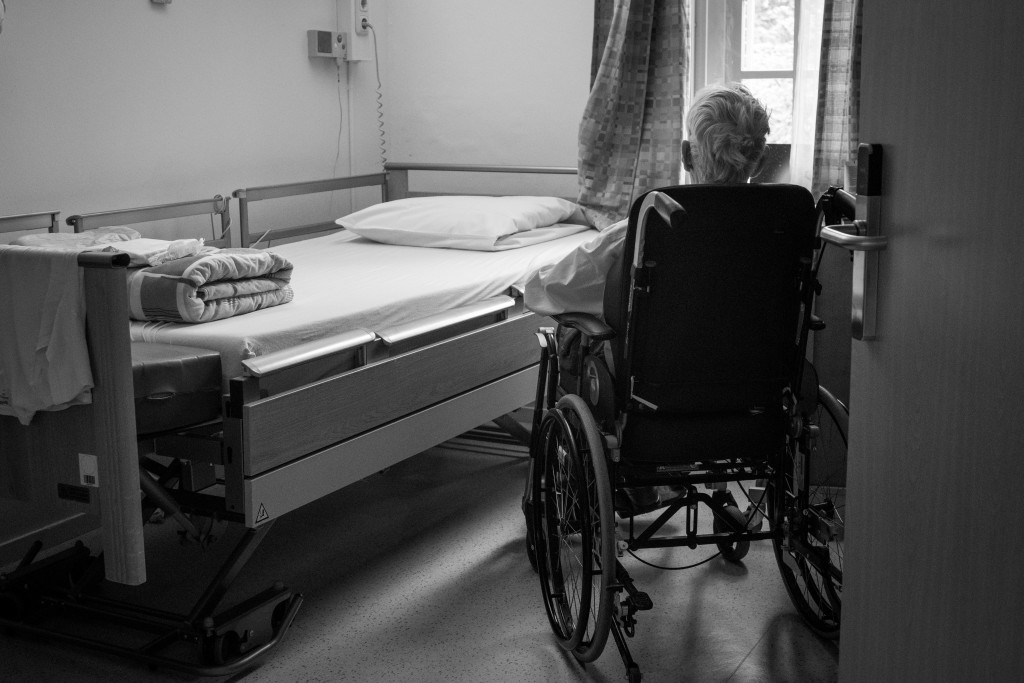
Violence between residents is a frequent occurrence in dementia and memory care facilities, sometimes resulting in death, according to a KFF Health News investigation drawing on an in-depth study of 14 assisted living facilities and 10 nursing homes in New York state led by Cornell University researchers. The nationwide scope is unknown, but the New York analysis found an estimated 1 in 7 assisted living residents experienced assault — verbal, physical, or sexual — within a month, compared to 1 in 5 in nursing homes. Perpetrators, like those they harm, usually have dementia too.
While verbal clashes were the most frequent type of conflict the Cornell researchers documented, physical assaults reached an estimated 4% of assisted living residents and 5% of nursing home residents each month. A separate Cornell study found Connecticut police were summoned to nursing homes for resident-on-resident clashes more often than for staff abuse, theft, and unsupervised wandering combined, while a national analysis of CDC survey data put the share of assisted living residents involved in physical aggression or abuse toward residents or staff at nearly 8%.
In one case, Attilio Cecchetto, 92, died after his roommate at a California nursing home, agitated by noise, punched him in the face. In another, Gladys Lynch, 96, died after a fellow memory-care resident pushed her, causing her to fall and fracture her skull, despite multiple warnings from staff over weeks that, without additional support and a change in medication, the woman would hurt someone. Neither death was an isolated event. Since 2024, the federal Centers for Medicare & Medicaid Services has cited nursing homes more than 700 times for failing to protect patients from resident-on-resident abuse.
People with dementia are most often the aggressors, an unfortunate symptom of the disease itself. As Alzheimer’s and related conditions damage brain circuits governing impulse control and threat perception, residents lose the ability to interpret their surroundings or put distress into words. Pain, infection, medication side effects, and fear can all surface as shouting, grabbing, or hitting instead. The environments themselves often make things worse: care facilities can be disorienting and frightening for dementia patients, with unfamiliar aides coming and going in close quarters amid constant noise. Still, experts say most altercations are preceded by identifiable warning signs, sometimes for months, that go unaddressed.
What would help is well known: Individualized care plans, staff training to recognize triggers, closer supervision or relocation of high-risk residents, more thoughtful roommate assignments, and structured activities that reduce agitation. Antipsychotic medications, though commonly prescribed, carry other risks, including falls and death. Dedicated one-on-one supervision would help even more, but it’s costly, and many facilities lack the staff to sustain it. Worse yet, aides are often “woefully undertrained” in basic dementia care, according to Camille Russell, Kansas’ former long-term care ombudsman, a gap she tied to facilities prioritizing profit over patient care.
The name “MindSite News” is used with the express permission of Mindsight Institute, an educational organization offering online learning and in-person workshops in the field of mental health and wellbeing. MindSite News and Mindsight Institute are separate, unaffiliated entities that are aligned in making science accessible and promoting mental health globally.

Author

Related Articles

Trump’s Student Loan Changes Cause Anxiety and Panic
Borrowers face rising payments under the Trump administration’s student loan changes. Plus: teaching emotional literacy to teen girls, and why the new CDC youth mental health report is facing criticism.
Rumors of Kids Quitting College En Masse Are Exaggerated
This week: what the data says about Gen Z students quitting college, and why postpartum mental illness is more than depression.

Why Is Georgia Blocking Recovery Homes for Substance Abuse?
Georgia towns are using zoning loopholes to shut recovery homes down, even as addiction and mental illness surge statewide.