
How to Save a Life: Lessons From 2 Bridges, 15 Years Apart
David Bartley, a suicide prevention expert who survived an attempt himself, on what saves lives.
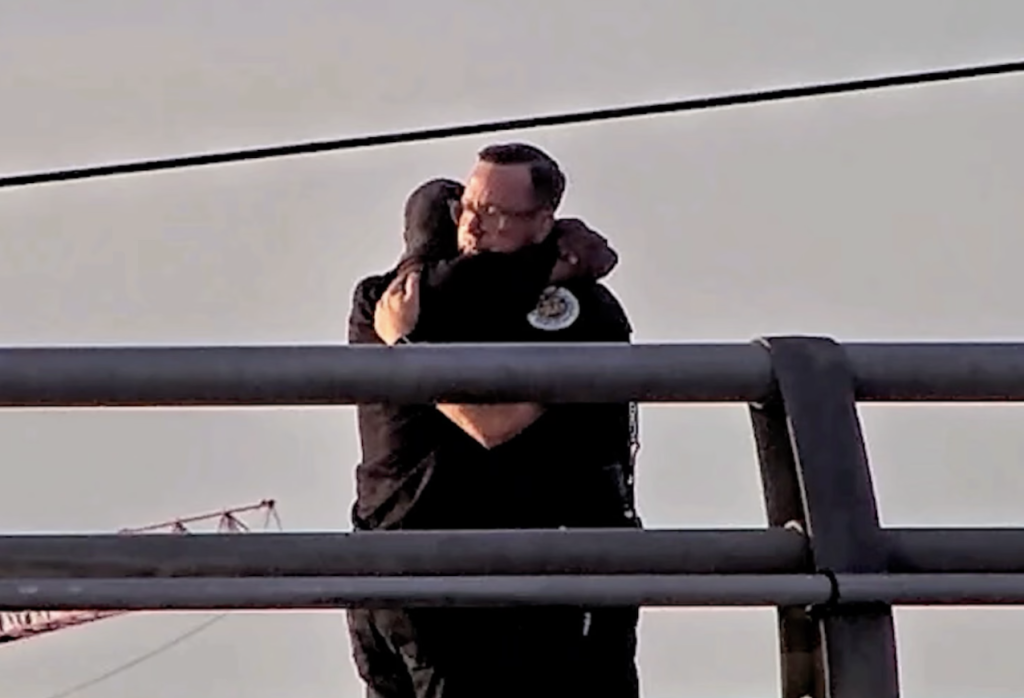
Fifteen years ago this month, David Bartley walked onto the tallest bridge in California, planning to jump 730 feet to his death. Last month, another man climbed onto the Victory Memorial Bridge in Nashville with the same intention. In both cases, law enforcement officers engaged the men in deep, earnest conversation, and used the power of connection to light a spark of hope and inspire both men to live another day.
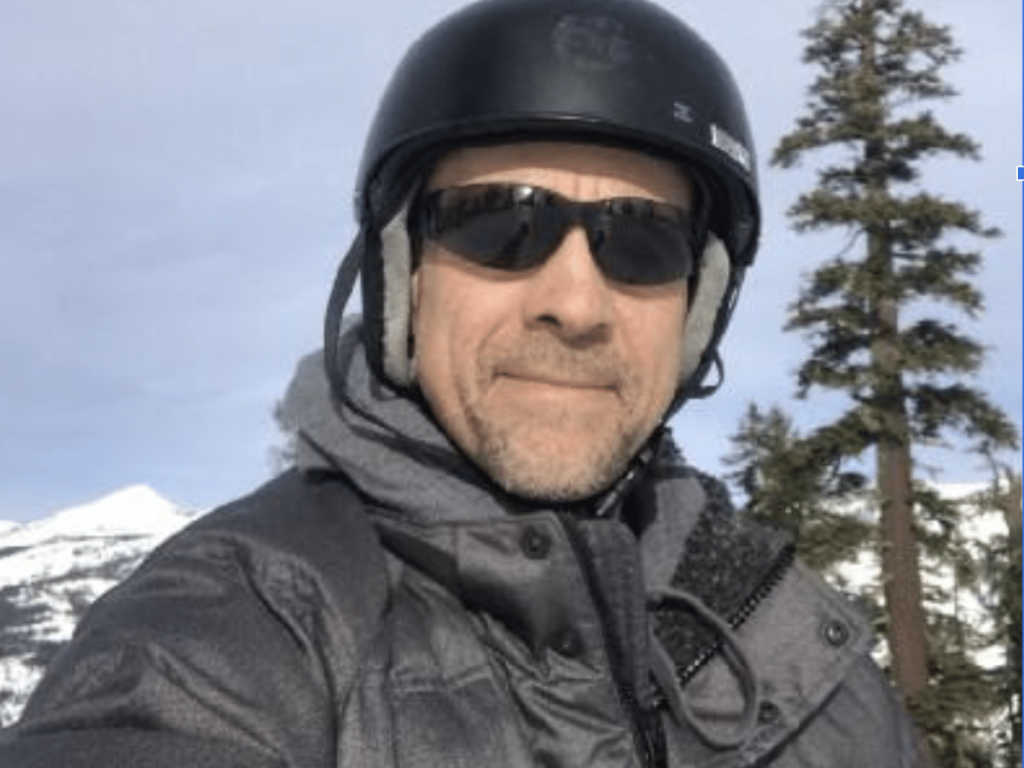
A passerby’s 911 call alerted a sheriff’s deputy that Bartley needed help walking back from the precipice of his pain. Approaching with patience and caution, the deputy allowed him to “hurt out loud,” Bartley told MindSite News by asking curious yet counterintuitive questions and really listening to his answers. “The first was, ‘David, what does it feel like to be depressed?’ At that point, everything decelerated — and the key to keeping people safe is to slow things down,” Bartley explained. In the years since, he has become a suicide-prevention advocate, sharing with adults and children the lessons that he’s learned to save lives.
When Bartley read how Metropolitan Nashville Police Department Lt. Mike Hotz talked a stranger off the Victory Memorial Bridge, he recognized those same instincts at work. “Always avoid ‘What doesn’t kill you makes you stronger’ kind of language, which is never helpful,” Bartley told MindSite News in an e-mail. Hotz instead named the man’s pain outright, telling him that “this was the worst day of your life” and acknowledging “not only the reality of the situation at hand but also the hidden and debilitating suffering” that the man was trying to navigate. That refusal to minimize or rush past a person’s pain is significant, an important part of intervening effectively in moments of crisis.
Hotz also approached the man with a level of unexpected humility, Bartley told us. As a military veteran with two combat tours behind him, Hotz might have claimed to know the man’s pain — but he didn’t. “We never truly know how another person feels,” Bartley said. “We can relate. We can empathize. We can imagine. But we cannot know exactly.” Saying otherwise, he warns, can quietly close a door: “If we already know how someone else feels — which we don’t — what is left for them to share?” Leaving space for others to unveil the truth of their experience is the basis for lifesaving connection.
Genuine connection allows one to be seen, heard and valued, Bartley wrote, “and from that delicious, soul-satisfying, heart-pumping experience, hope is born.” Hope, he added, is far more than a feeling, it is “an experience of knowing; a strong expectation that recognizes current circumstances, but faces them confidently with a certainty that comes from the adjacent experience of connection.” In such critical cases, one’s willingness to witness and respect another’s pain and vulnerability opened a pathway to true connection, and a “hope that revealed itself high above the water.”
The name “MindSite News” is used with the express permission of Mindsight Institute, an educational organization offering online learning and in-person workshops in the field of mental health and wellbeing. MindSite News and Mindsight Institute are separate, unaffiliated entities that are aligned in making science accessible and promoting mental health globally.

Author

Related Articles
Nature Rx: A Prescription That May Save Your Life
A healthcare movement that “prescribes” time outdoors and in community to people struggling with their mental health.
Cornell Assault Prompts Parents to Talk With Their Sons
Sexual assault on campuses nationwide is still a grave problem.
The Unseen Toll: Depression, Anxiety Plague Black Women a Year After Being Fired by DOGE
When Trump cut DEI programs and allowed DOGE to gut the federal workforce, hundreds of thousands of Black women lost their jobs. Many are still reeling.