
The Unexpected Difficulties of Adoption Trauma
Even though they feel blessed by adoption, some families are blindsided by their children’s pain. Reader response to our WWII fathers article. And more.

July 11, 2024
By Courtney Wise
Greetings, MindSite News Readers. In today’s Daily, adoptive families of foster children and others discuss the unexpected difficulty of navigating adoption trauma. In other news, LGBTQ+ college and university students in Texas discuss the impact of DEI bans and the subsequent shutdown of centers on campus designed to give them a sense of belonging.
And for readers who may be inadvertently alienating their friends, clinical psychologist Barbara Greenberg explores research on how to become more appealing.
Plus, reader response to our editors’ story on World War II fathers, mental health and the shocking Supreme Court decision on presidential immunity.
For many, adoption is both a blessing and trauma
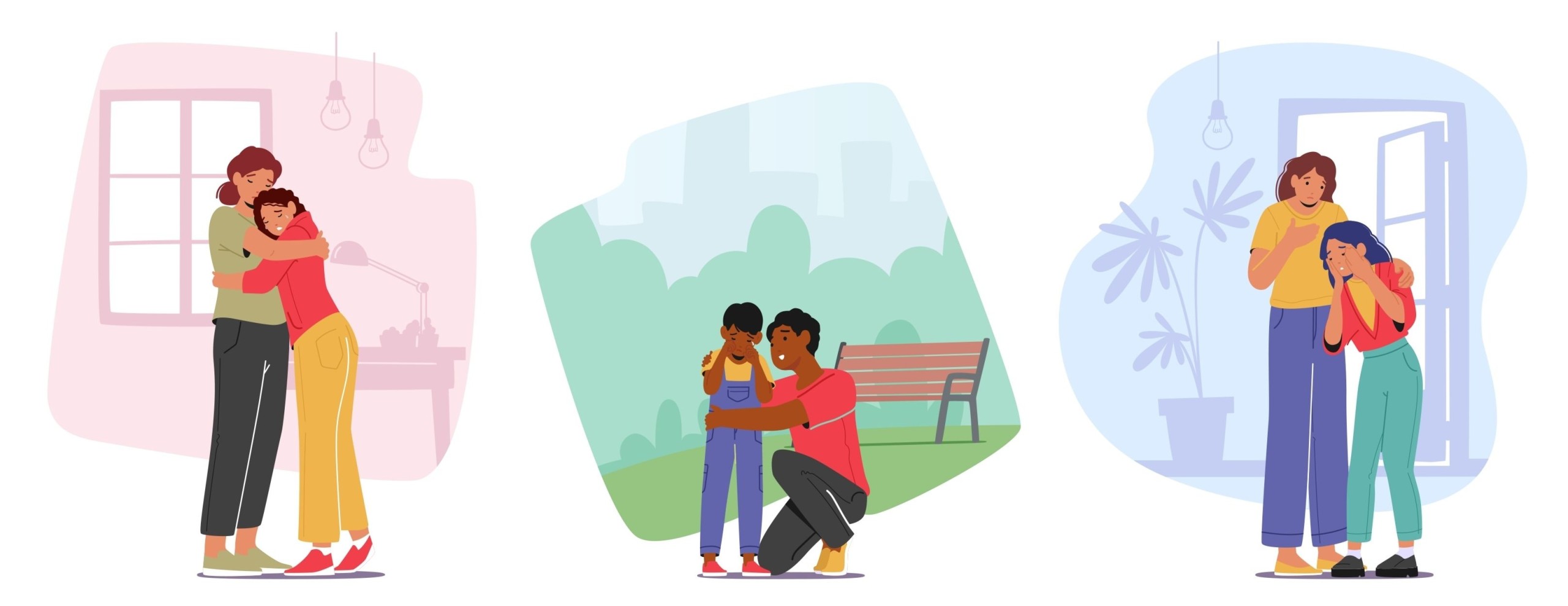
For families who adopt, finally signing the paperwork that morphs a child into their very own son or daughter can be joyous and rewarding for everyone. Simultaneously, it can mark the beginning of a challenging journey to guide a child through the impact of trauma that comes from adoption in the first place. Some families feel blindsided, they told the Detroit Free Press, unprepared for a challenge they never expected.
This can be especially true for families with children adopted from foster care or whose birth parents had substance use disorder or mental health issues of their own. April Beaton didn’t anticipate the day she would have to replace her coffee table with a 6-foot bean bag to accommodate her adopted son’s trauma-induced behaviors, many of which are symptoms of mental and physical health issues he developed due to exposure to alcohol in utero. Despite being with Beaton since birth, the damage from fetal alcohol exposure and the trauma her young son has already survived rewired his brain. That includes the very fact of the adoption itself, said author and licensed professional counselor Jessica Sinarski. “When we’re thinking about adoption from foster care, we know that there has been significant relational attachment-system trauma for those kids, even if it was in utero, or in infancy.”
It’s the kind of trauma that edits a child’s physiology, prompting them to expect stress and uncertainty, thus complicating their behaviors and emotions. In more extreme cases, acting out might look like fighting with siblings, destroying property or even attempting suicide. “These big behaviors are coming from a brain in protection mode that doesn’t know how to get the help it needs,” Sinarski said.
The swift pace of child development is partly to blame. From birth to 3 years old, the brain forms 1 million neural connections every second. When those pathways are forged in a pool of stress, neglect, or uncertainty, some children adapt to always expecting to fight to survive. “We have this naive notion that a child is a passive recipient of experiences; the brain sits there just waiting for experiences to happen,” said Charles Nelson III, professor of pediatrics at Harvard Medical School. “But it’s an interaction. So, when experience changes the brain, the brain then interacts with the world differently.”
Longtime foster and adoptive parents said that training for what to expect has improved, but it’s still lacking. The best information for prospective foster and adoptive parents comes from families who have already undergone the process themselves. And what they find is that it takes more than love to overcome trauma.
Janet Sanford of Albion, Michigan pays it forward as a parent coach to prospective foster and adoptive families. Over 29 years of fostering children, she has had 223 kids come through her home, adopting 10 of them. At times, she wanted to give up on her adopted daughter, Audrey, she said. There was the time Audrey punched Sanford’s coworker, and another, when the then teen launched an expletive-laden rant at Sanford because other people’s children weren’t following the rules on the basketball court. She held on because she knew Audrey’s life depended on it.
“You have to learn to advocate and advocate and advocate and go crying to your bed and get up the next day, even though you wanted to quit yesterday, and you’ve got to keep going,” Sanford said. Her determination led her to the pediatric mental health professional who helped change Audrey’s life. She also built a community of supportive and committed women to help sustain them both. “I needed people to love her,” Sanford said. “And I needed people to love her when I was struggling to love her.” These days, Audrey is thriving. Sanford’s efforts to reestablish security and attachment are a testament to her commitment to Audrey and the brain’s ability to be rewired for nurturing and support after surviving trauma.
Reader response to our story on WWII dads, the Supreme Court and mental health
Last week we carried my story about my World War II father (and founding editor Rob Water’s dad, who also served in France during the war) and what they would think about the Supreme Court decision giving U.S. presidents the power of kings, able to break the law and execute political enemies without fear of prosecution.
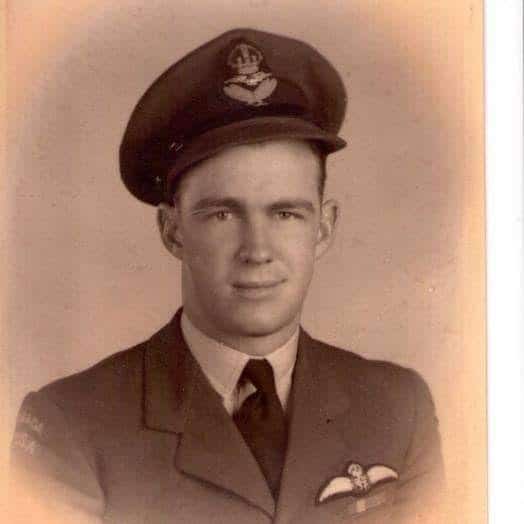
On social media, readers shared the shock, anxiety, and rage they felt about the court’s decision, with some recounting personal stories about their World War II parents. Among them was attorney Katie Wood, a friend and former high school classmate in Fulton County, Georgia, whose father was shot down over Belgium. She shared this story with MindSite News:
“In 1940, my father hitchhiked from Dallas, Texas to Canada to enlist in the Royal Canadian Air Force. His plane was shot down between August 31 and September 1, 1941, over Belgium. He became a German POW until shortly before Victory in Europe Day, when his prisoner of war camp was liberated.
“Three men on the plane were killed. Three survived. Two were taken in by the Belgian Underground and made it back to safety through the Pyrenees—like the aviators in The Nightingale book. My father was too injured to be taken in by Underground because his legs were shot full of bullets.
“I remember my father’s pock-marked legs, entry scars from the bullets, which were never removed. They seemed to me to float around in the meat of his legs. He’d tell me, feel this—that’s where the bullet is, and it was nowhere near the bare spot where no leg hairs would grow. My father died in 1969 at the age of 48 from emphysema linked to cigarette smoking. Because that was a relatively young age to die from that disease, my family wondered if it had been exacerbated by the hardships he suffered as a POW.
“When I traveled to Europe in 2018, I went to the site of my father’s plane crash in Boxbergheide near Genk, Belgium. There I met a man whose mother had seen the damaged plane crash into the side of a mountain. She told him that some people from the plane had gotten away, he said, confirming that ‘in this region there was an underground movement to help pilots escape.’ What I find amazing is there is an annual memorial ceremony at the site. The Royal Air Force does a flyover and school kids place flowers there.
“My father wrote his parents and sister on July 8, 1940, about why he had decided to enlist:
“I have only done what every young man should do. I have joined the fight to see which element will rule the world. The free, peaceful, democratic people or the cruel, merciless, bloodthirsty, aggressive people who are ruled by dictators. I don’t want you to feel bad about it. I want you to feel proud that your son is fighting in the battle to save the world from the curse of dictatorship.”
“I imagine that he would be appalled that the U.S. Supreme Court has paved the way for our country to be turned over to the ‘curse of dictatorship’ which he bravely fought to stop.”
— Diana Hembree and Katie Wood
Texas ban on diversity initiatives undermines LGBTQ+ students’ mental health
Despite Texas state Sen. Brandon Creighton (R-Conroe) insisting that the law he wrote banning diversity, equity, and inclusion, or DEI, in Texas doesn’t inhibit LGBTQ+ students from getting the necessary support they need to stay healthy and in school, actual LGBTQ+ students say otherwise. Ryan Hoffman, who once served as a “pride peer” at the University of Texas at Arlington, promoting events to foster community among LGBTQ+ students and directing students to mental health resources, told the Dallas Morning News that the shuttering of the school’s LGBTQ+ Program gutted the center of the community’s on-campus support.
It’s the same story at another half dozen schools across the state, where LGBTQ+ programs were shut down within the past academic year following legislative opposition to any programs designed to help historically marginalized groups, including people of color and LGBTQ+ communities. Advocates of such programs said the ban impacts students who rely on resource centers for a sense of belonging on campus, which keeps them from dropping out and lowers the risks of self-harm. Students with LGBTQ+ campus services reported 44% lower odds of attempting suicide when compared to those without such services, according to data from the Trevor Project, a nonprofit organization that focuses on suicide prevention for LGBTQ+ people.
Creighton claims that “traditional student support” remains and that student-led organizations “are not impacted in any way.” But Brittanie Ash, an Irving, Texas native and former professor at the University of Texas at Austin, said that she felt compelled to leave her job and the state because of the DEI ban and “the general climate” for LGBTQ+ people. “As a queer person who does queer and trans research, it was a rough environment to be in,” she said. The ban “makes your identity controversial. When we close this office, it sends a message that you’re bad, you’re wrong. We know that has devastating impacts on young people.”
In other news…
If you feel an uncomfortable distance between you and your friends, teen and parent psychologist Dr. Barbara Greenberg explores research on how you might fix that in her most recent post for Psychology Today. In “13 Ways to Become More Appealing,” Greenberg examines research from Apostolou and Vetsa (2023) that found what others wanted most in friends was honesty, kindness, and being ethical and available. The least attractive qualities, researchers found, were dishonesty (including being exploitive), impatience (including grouchiness and irritability) and competitiveness (including being easily offended).
Recent research shows that some men undergo postpartum depression, too. In an essay published in Fortune Well on Father’s Day of this year, Peter Saalfield wrote about being shocked that it hit him. “I knew there would be stress—midnight wake-ups, early mornings—but balanced by joy and discovery,” he wrote. “What I was not prepared for was the listless mental fog that enveloped me. When I returned to the office, it was nearly impossible to concentrate. At home in the evenings, all I wanted was to play video games and be left alone. And after the pandemic hit a few months later, I plunged into a pit of emptiness and self-loathing like nothing I had ever experienced, even after a lifetime struggling with depression.” Here’s the rest—along with how he got through it, ICYMI.
After struggling with suicidal thinking and self harm, 17-year-old Nadia Thomas is helping others confront their mental health needs through her small business Nadia’s Truth. “My business is my way of telling my story,” Thomas told the Macon Telegraph. “I don’t want to see another teenager go through what I went through. I tell them to embrace their mental health and know that they don’t have to go through it alone.” Her line of hoodies, journals and other items promote mental health awareness in youth. Thomas was also recently awarded the Mentor Georgia Youth Leader Award for the efforts her business makes to encourage youth to speak up about mental health issues instead of coping in unhealthy ways. “I feel like a lot of people get judged because they seek help, and when they don’t seek help, then they’re called crazy,” Thomas said.
If you or someone you know is in crisis or experiencing suicidal thoughts, call or text 988 to reach the 988 Suicide & Crisis Lifeline and connect in English or Spanish. If you’re a veteran press 1. If you’re deaf or hard of hearing dial 711, then 988. Services are free and available 24/7.
Recent MindSite News Stories
“How Not to Kill Yourself”: A Writer’s Advice
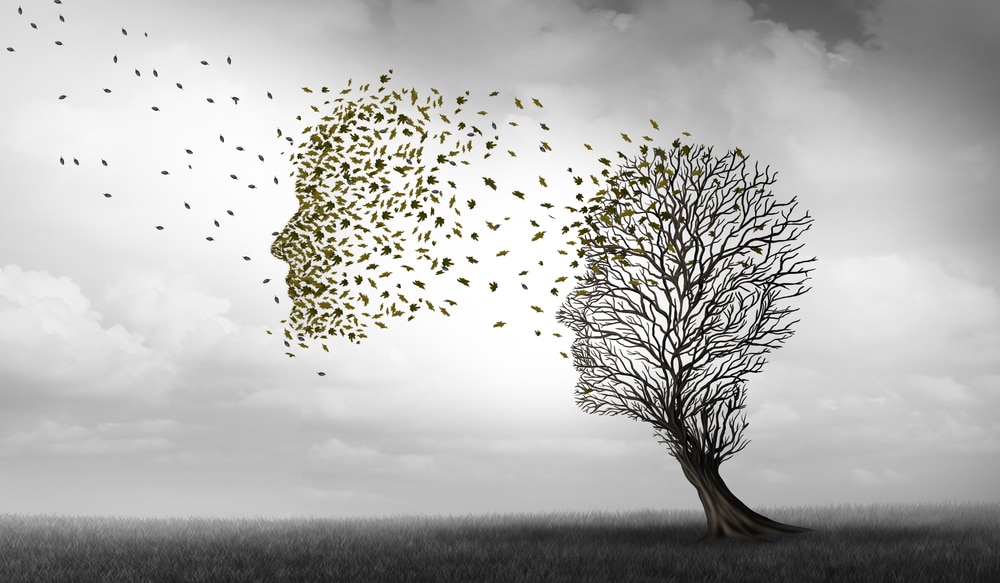
Author Clancy Martin writes about his own struggles with attempted suicide and includes his best reframing advice– live another day, and then another.
To Heal from Trauma, Women Sexually Abused by Prison Guards Are Seeking and Sometimes Winning Compassionate Release
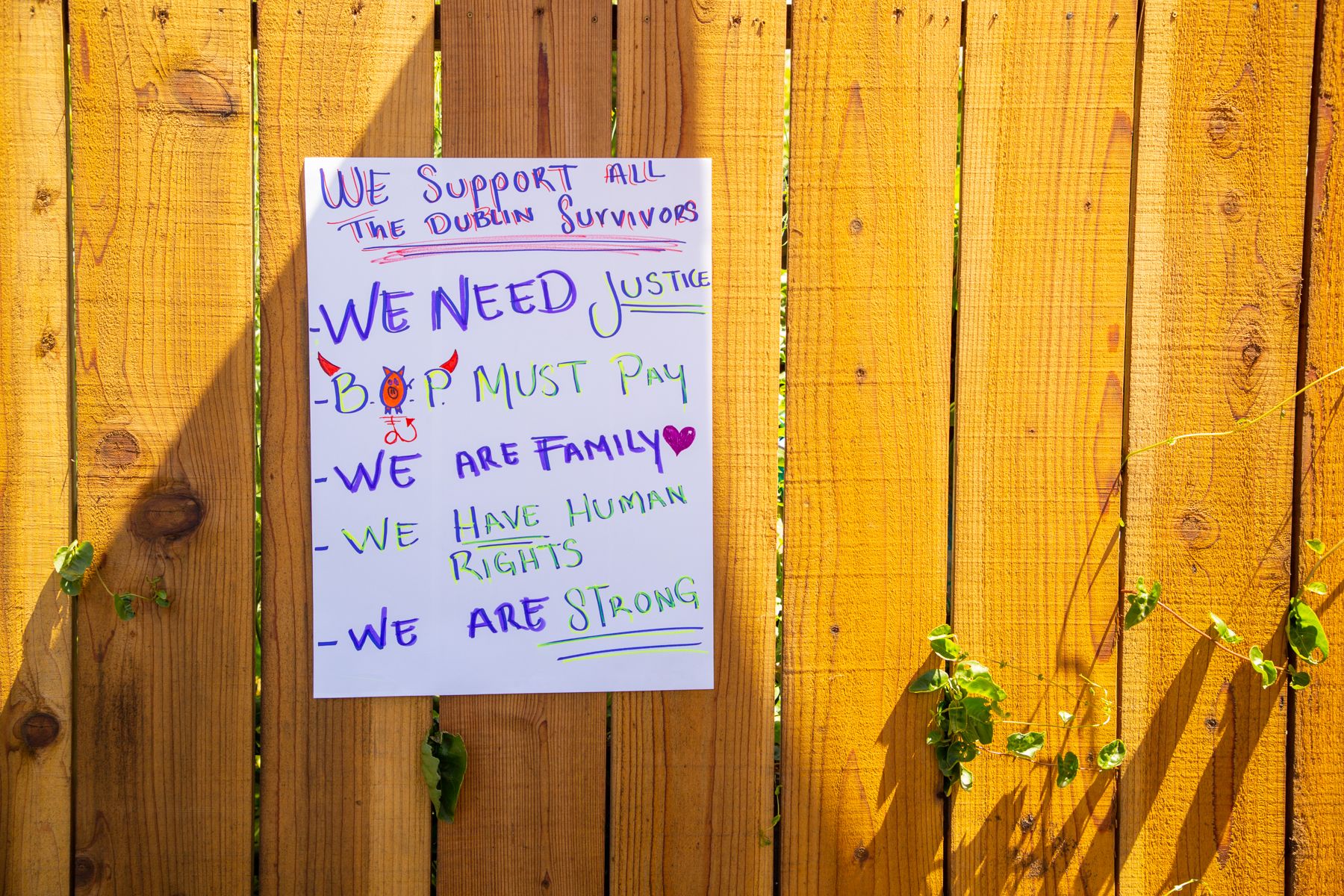
Lawyers representing survivors of sexual abuse at an infamous federal prison in Dublin, California, are trying a novel strategy: compassionate release. Continue reading…
Our World War II Dads, the Supreme Court and Our Collective Mental Health
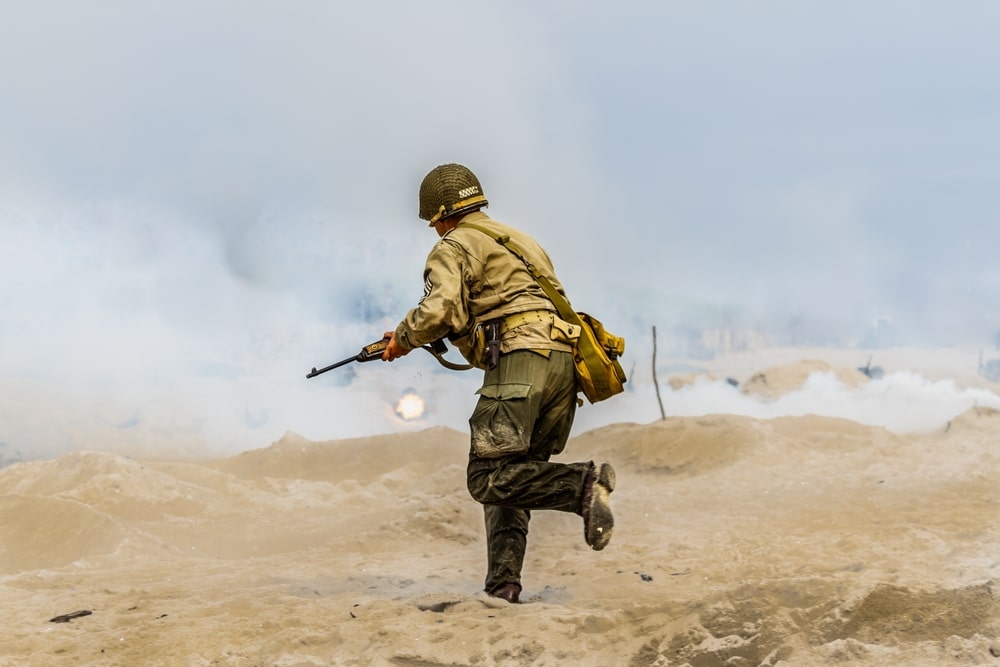
Our World War II parents would be outraged and not rest till the courts’ presidential immunity decision was overturned, and so should we. Continue reading…
If you’re not subscribed to MindSite News Daily, click here to sign up.
Support our mission to report on the workings and failings of the
mental health system in America and create a sense of national urgency to transform it.
For more frequent updates, follow us on Facebook, Twitter and Instagram:

The name “MindSite News” is used with the express permission of Mindsight Institute, an educational organization offering online learning and in-person workshops in the field of mental health and wellbeing. MindSite News and Mindsight Institute are separate, unaffiliated entities that are aligned in making science accessible and promoting mental health globally.
Copyright © 2021 MindSite News, All rights reserved.
You are receiving this email because you signed up at our website. Thank you for reading MindSite News.
mindsitenews.org
The name “MindSite News” is used with the express permission of Mindsight Institute, an educational organization offering online learning and in-person workshops in the field of mental health and wellbeing. MindSite News and Mindsight Institute are separate, unaffiliated entities that are aligned in making science accessible and promoting mental health globally.


Author

Related Articles

The Lindsey Clancy Murder Trial
Women nationwide watch the Lindsay Clancy trial and see themselves in her story, plus an investigation into hospitals that fail patients with addiction.
Grief and Rehabilitation in a California Prison
This month: a DUI offender’s path to rehabilitation, Lindsay Clancy revisited, Illinois prison protests, a fatal cell fire, and Missouri’s competency crisis.

Meta Pays $17 Billion Settlement for Lawsuit Over Child Harm
Meta will pay up to $17.1 billion and reshape how its platforms operate after 47 states argued that they are harmful and also addictive to children by design.