
Can Healthcare-Funded Housing Be Sustainable?
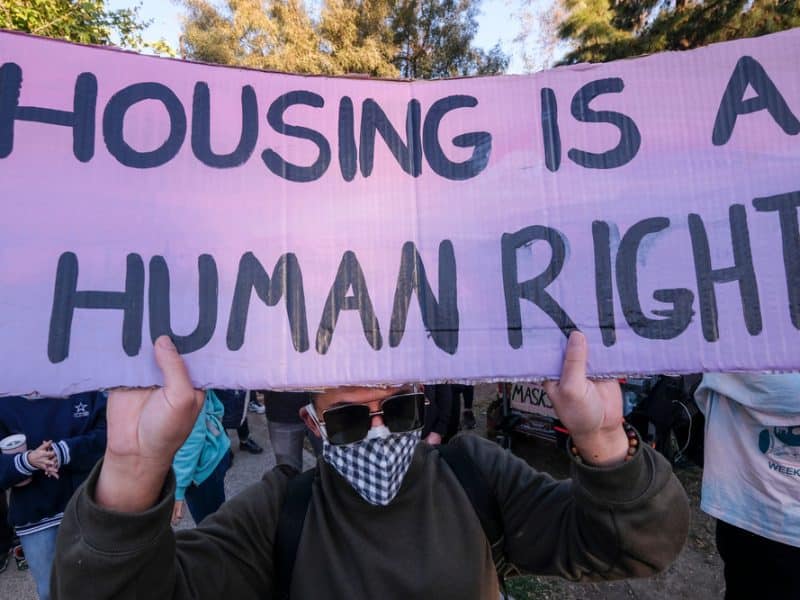
Housing is medicine for California’s homeless residents, but does MediCal-funded housing come with an expiration date?

August 7, 2024
By Courtney Wise

Greetings, MindSite News Readers. In today’s Daily, find out more about California’s overhaul of the state’s Medicaid system, which has made it possible for health care providers to invest in residential housing for patients who are homeless. Though exciting, some researchers wonder what’s needed to ensure the efforts are sustainable.
Also in today’s edition, meet Abdul Jalloh, once the lone practicing psychiatrist across the entire nation of Sierra Leone. Six years later, he leads a team of three psychiatrists and many other professionals in the country’s only mental health hospital, with highly promising results. And New York Magazine published a very readable essay on “Silicon Valley’s latest hack:” Coaching in lieu of therapy (or in writer Daniel Duane’s case, a coaching certificate instead of a therapy license). Plus, after leaving the 2020 Tokyo Olympics to focus on her mental health, U.S. gymnast Simone Biles makes a dazzling comeback in the Paris Olympics.
With state support, California healthcare providers invest in housing for the unhoused. But is it sustainable?

California-based health care company Akido Labs recently entered the housing business. After learning that a Bakersfield residential development for the unhoused was dangerously close to falling apart, the company carried it to the finish line, closing a 10 percent funding gap to complete the 16-unit building. “For the unhoused, housing is medicine,” Karthik Murali, head of public health at Akido Labs, told CalMatters. “Providing stable housing can alleviate more health conditions than taking them to the ICU and the hospital and providing street medicine…Knowing that fact, we wanted to be part of the solution.”
The benevolent action is boosted by Gov. Gavin Newsom’s massive overhaul of the state’s Medicaid system. Via CalAIM, a multi-year plan to transform healthcare in the state, Medi-Cal can fund indirect or non-traditional modes of health care, and has done so in many cases by covering security deposits or providing funds to halt evictions for unhoused people. An additional influx of $1.3 billion to benefit Medi-Cal’s Housing and Homelessness Incentive Program came from the American Rescue Plan. It encourages health care companies like Akido Labs, Anthem Blue Cross, and LA Care to invest in solutions to end homelessness to gain one-time access to those funds. Their ideas have led to the development of new housing.
Though more housing is, ultimately, a good and necessary thing, some researchers and advocates are cautious of getting too excited about this particular moment. The system is clunky and confusing right now, said Carolina Reid, faculty research advisor at the UC Berkeley Terner Center for Housing Innovation. Many health care providers aren’t any more trained to identify the best housing partners than housing providers are knowledgeable about patient privacy laws. Besides, housing in California is expensive, and the ARPA funds – though sizable – are limited. “One question I have that I can’t answer is: Are these efforts sustained after the HHIP funds run out?” Reid asked. “There needs to be a sustained source of funding to help managed care plans do this type of work.” Murali of Akido Labs hopes to replenish funds through private equity, but it’s unclear how viable investors view such projects.
In less than a decade, Sierra’s Leone’s desert-like mental health care landscape shows promising signs of new life
Six years ago, people confined to Sierra Leone’s Psychiatric Teaching Hospital might spend days chained to their beds. It’s how the “Crase Yard” was known; the nation’s sole psychiatric facility existed simply to house the “crazy.” Then Abdul Jalloh took over. In 2018, he was Sierra Leone’s only licensed psychiatrist in practice. Today, he’s forging a new culture and transforming the nation’s reputation for how it treats mental illness. “We have been able to change the face of this infrastructure,” Jalloh told the Associated Press. “From a place that people were ashamed to bring their family members, a place that even health workers were afraid to come and work…to a place that the country is proud of.”
Medical students in Sierra Leone long avoided specialization in psychiatry because of the lack of psychiatric infrastructure, training in the field, and low pay. Jalloh’s own friends thought he was joking when he told them he would become a psychiatrist. But since taking the lead of the hospital, staff has expanded to include three fully qualified psychiatrists and seven doctors in a new residency training program—the first in the country’s history— along with nine mental health nurses and multiple addiction professionals, clinical psychologists and occupational therapists for a total of 135 staff.
Jalloh’s efforts are supported by Partners In Health, a U.S.-based nonprofit that has invested millions to provide mental health training, equipment, and services. It has also helped to renovate the hospital, launch a mental health hotline, and open a rehabilitation facility for substance use disorder. Still, there is much work to be done. Though the tide for treating mental health has changed in Freetown, where the Sierra Leone Psychiatric Teaching Hospital sits, little is different elsewhere.
The nation’s laws don’t yet align with efforts from Jalloh and others, said Joshua Abioseh Duncan, head of the Mental Health Coalition of Sierra Leone. The country’s 1902 Lunacy Act that stigmatizes mental health issues is still on the books. “The current law treats people with mental health issues as deviants in society who should be kept out of sight,” he said.
But a tough struggle was anticipated, said Giuseppe Raviola of Partners in Health. “Transforming mental health is a long game; it takes time,” Raviola said. “Part of what takes time is not only building local capacity, but also making sure services are aligned with cultural beliefs and practices, and that things are driven locally.”
In other news…

Champion gymnast Simone Biles, who withdrew from the 2020 Tokyo Olympics to take care of her mental health, made a joyous return to earn three gold medals and a silver medal in the 2024 Paris Olympics, propelling the U.S. gymnastic team to bring home the gold. With her 11 Olympic medals and 30 World Championship medals, Biles is now the most decorated gymnast of all time.
Philly opens its first-ever urgent care walk-in clinic for mental health: The City of Philadelphia partnered with mental health services provider, Merakey, to provide urgent mental health care to the city’s residents. Beginning September 3, people can visit the white brick building on North Broad Street and West Allegheny Avenue for psychiatric evaluations, quick counseling sessions, prescription refills, and referrals, WHYY reports. It doesn’t provide emergency crisis services, like those directed to the 988 hotline or Crisis Response Centers, but it’s there for a reset if you have mental health problems. “Sometimes you don’t need long-term therapy,” said Nicole Connell, Merakey senior executive director for adult behavioral health services in Southeastern PA.“Something happens and you just need a reset, you need a place to come so that you can talk through whatever challenges you’re having.”
NAMI Minnesota resumes statewide listening tours after pandemic: As the height of COVID becomes a memory, NAMI Minnesota Executive Director Sue Abderholden told the MinnPost she felt it was time to get back into communities to share how the organization supports people with mental illness. “We go through what passed this last [state legislative] session and the implications for people with mental illness and their families,” Abderholden said. “There were a lot of things that passed that people need to know about.”
Some of the legislative gains for Minnesotans this year: Protecting renters who call for 911 during a mental health crisis from eviction; $3 million in additional funding for school-linked mental health care; and $1.75 million to connect people to voluntary mental health treatment when their needs are urgent, rather than safety and psychiatric emergencies. “People don’t always know that change happens. It is hard to hang on to hope, hard to keep doing good work, when you think nothing’s happening,” Abderholden said. “Change happens every day and you can be part of it.”
Perhaps you want to be a therapist, but can’t afford school? Try coaching. That’s where Daniel Duane recalls his therapist directed him, in this feature for New York Magazine, when he expressed interest in becoming a therapist. “It goes without saying that you’d be a wonderful therapist,” Duane’s analyst Peter Carnochan told him. But, the investment of money and time wouldn’t be worth it at his age, 56, and life stage. As Carnochan saw it, Duane’s life experience and decade-plus of therapy already qualified him as a novice coach. Best of all, the lack of regulation in the field meant he could jump in right away and get started.
“My unease was obvious,” Duane wrote. “Carnochan added: “Yes, in some ways it’s weird. Coaches are radically undertrained and self-anointed, so why would someone who spent 10 years becoming an analyst” — he meant himself — “want to do the crass, shallow, manic coaching gig? I’m going to help you crush it!” (Duane may turn out to be a great coach, but the lack of regulation in the therapy coaching field isn’t necessarily a good thing, as seen in an earlier MindSite News series by Astrid Landon, “How I passed a test to be a grief therapist without really trying.”
If you or someone you know is in crisis or experiencing suicidal thoughts, call or text 988 to reach the 988 Suicide & Crisis Lifeline and connect in English or Spanish. If you’re a veteran press 1. If you’re deaf or hard of hearing dial 711, then 988. Services are free and available 24/7.
Recent MindSite News Stories
Sending Unarmed Responders Instead of Police: What We’ve Learned
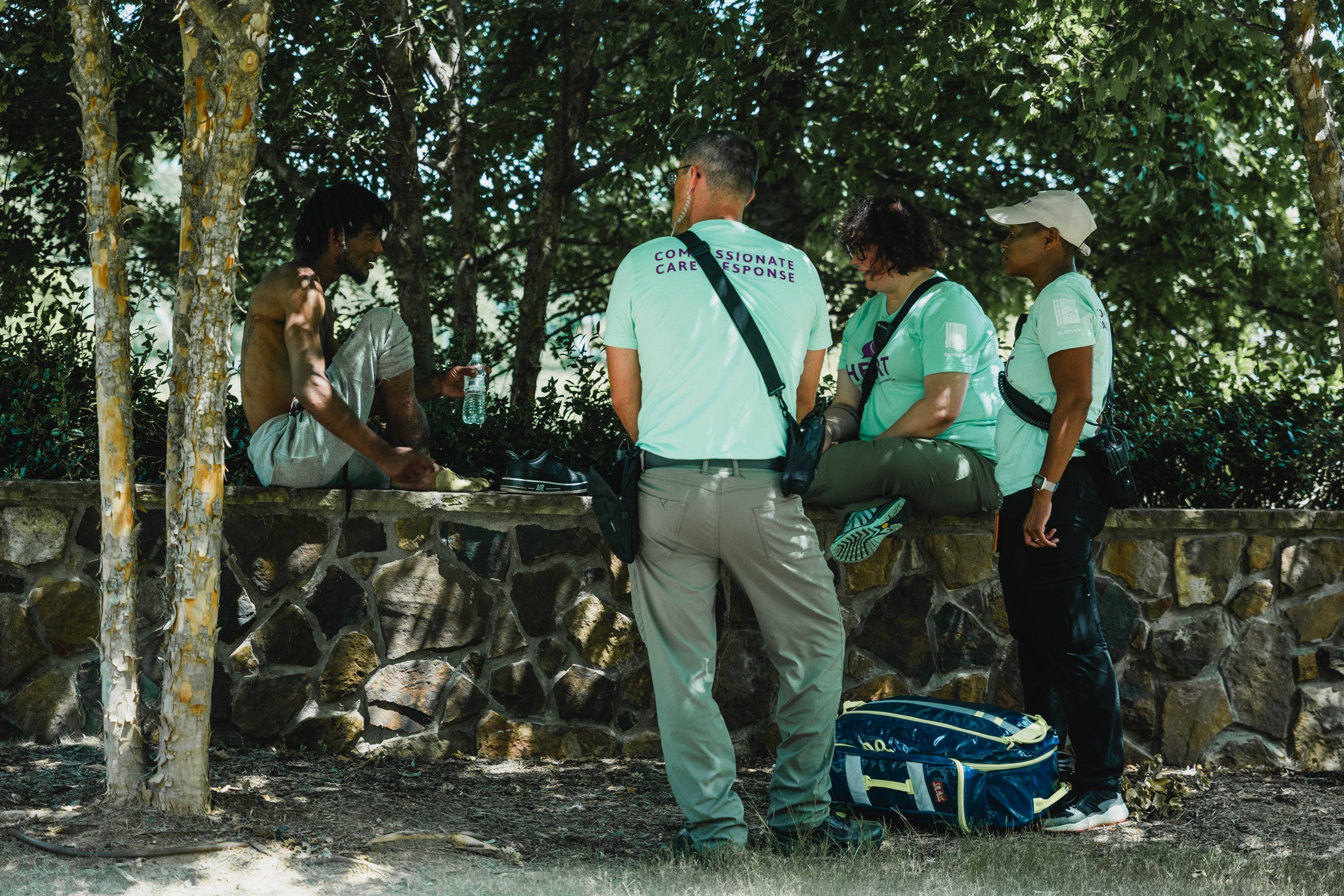
In the four years since George Floyd’s murder, many sweeping attempts to reform policing have faltered. But one proposal that has taken hold across the country, and continues to spread, is launching alternative first response units. Continue reading…
If Mental Health Responders – Not Police – Had Come to Marquis Rivera’s Home, Would He Be Alive Today?
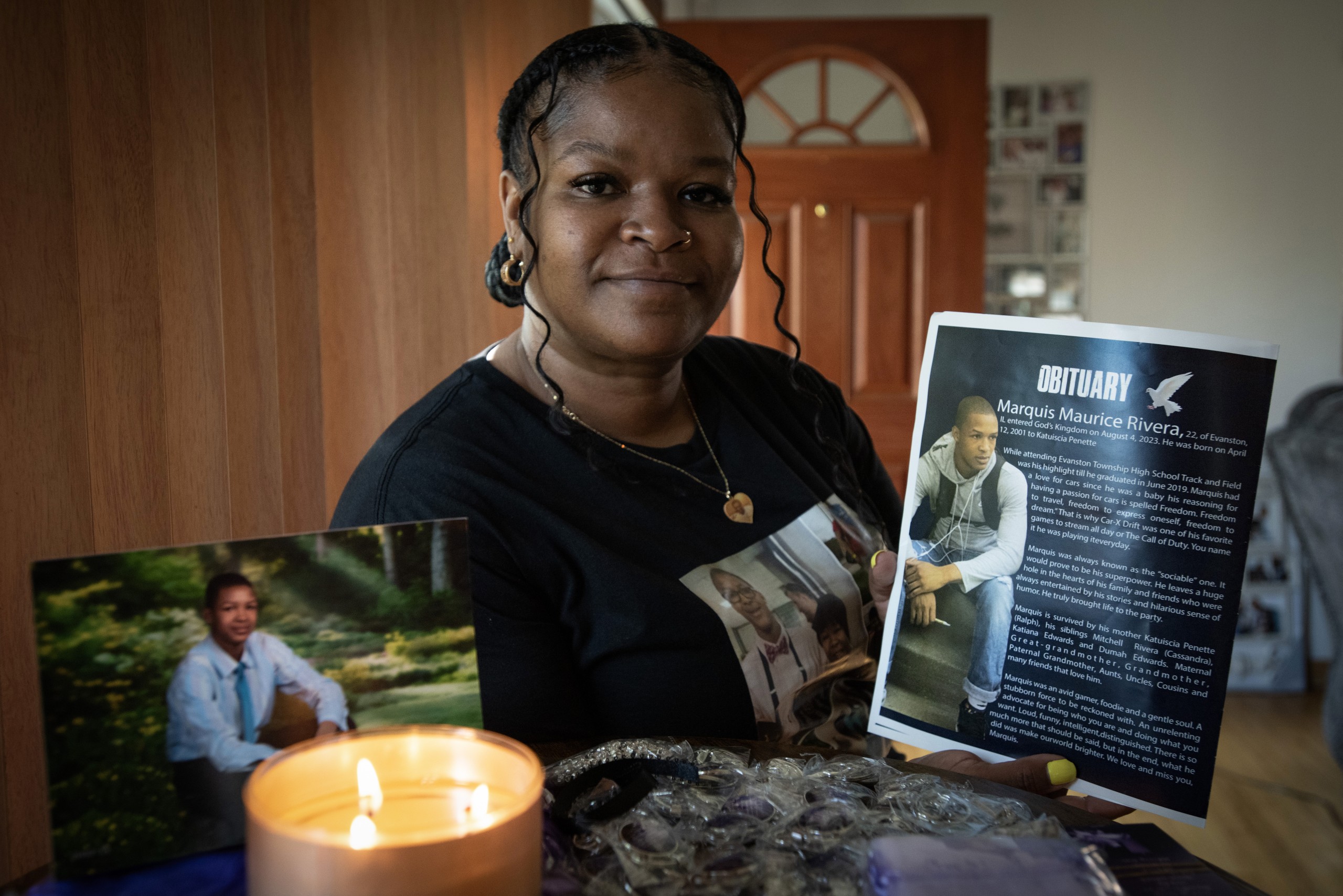
One year ago, a 22-year-old man who was feeling lost and suicidal in the aftermath of a break-up was killed by police. His father, a crisis mental health worker, still wonders: What would have happened had he gotten a different response? Continue reading.
Meet the New Generation of Unarmed Responders in this New Podcast Series
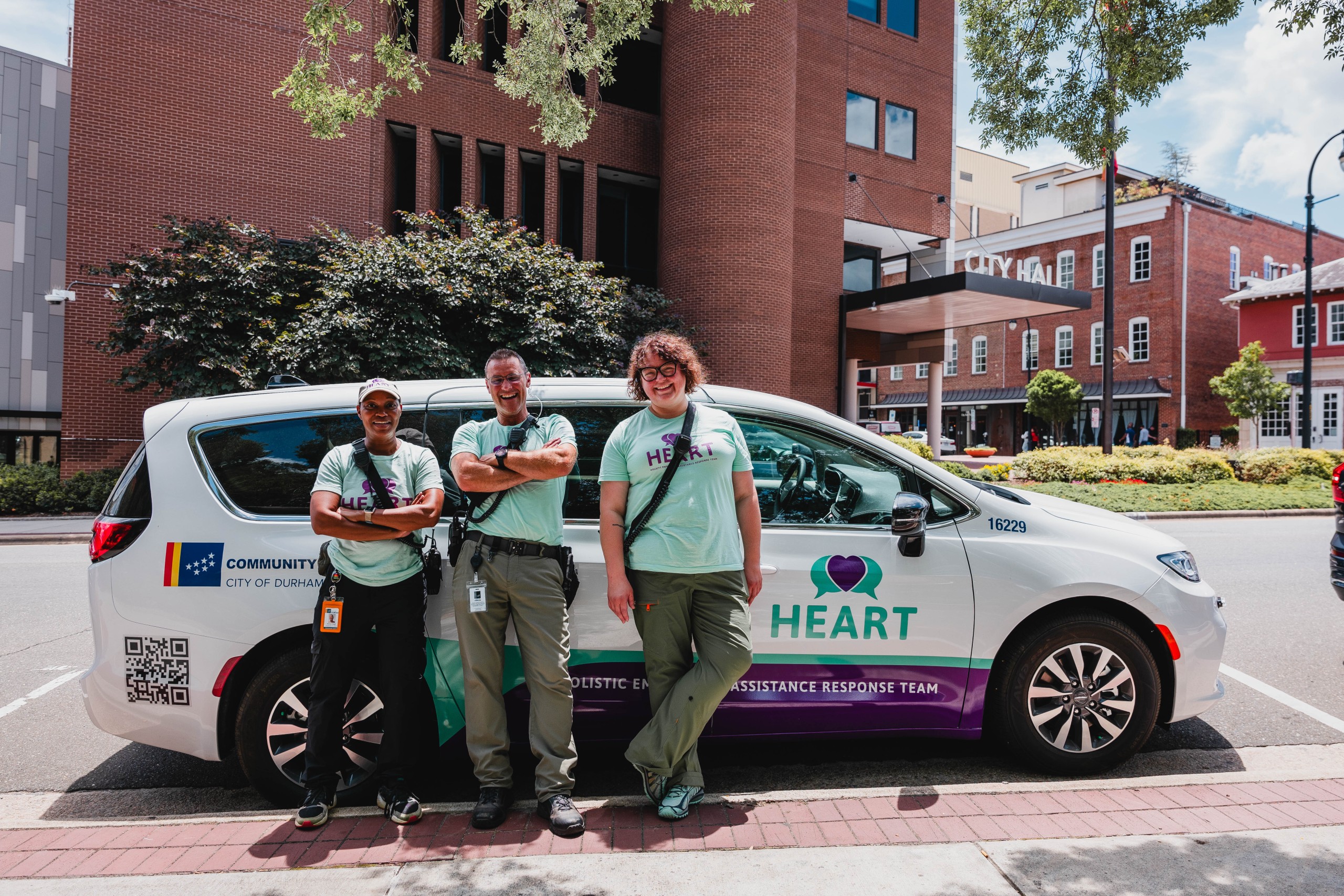
This three-part podcast looks at efforts across the country to deploy first response units that use unarmed civilians, instead of armed officers, to mental health emergencies.
If you’re not subscribed to MindSite News Daily, click here to sign up.
Support our mission to report on the workings and failings of the
mental health system in America and create a sense of national urgency to transform it.
For more frequent updates, follow us on Facebook, Twitter and Instagram:

The name “MindSite News” is used with the express permission of Mindsight Institute, an educational organization offering online learning and in-person workshops in the field of mental health and wellbeing. MindSite News and Mindsight Institute are separate, unaffiliated entities that are aligned in making science accessible and promoting mental health globally.
Copyright © 2021 MindSite News, All rights reserved.
You are receiving this email because you signed up at our website. Thank you for reading MindSite News.
mindsitenews.org

The name “MindSite News” is used with the express permission of Mindsight Institute, an educational organization offering online learning and in-person workshops in the field of mental health and wellbeing. MindSite News and Mindsight Institute are separate, unaffiliated entities that are aligned in making science accessible and promoting mental health globally.


Author

Related Articles

The Lindsey Clancy Murder Trial
Women nationwide watch the Lindsay Clancy trial and see themselves in her story, plus an investigation into hospitals that fail patients with addiction.
Grief and Rehabilitation in a California Prison
This month: a DUI offender’s path to rehabilitation, Lindsay Clancy revisited, Illinois prison protests, a fatal cell fire, and Missouri’s competency crisis.

Meta Pays $17 Billion Settlement for Lawsuit Over Child Harm
Meta will pay up to $17.1 billion and reshape how its platforms operate after 47 states argued that they are harmful and also addictive to children by design.