Biden to Insurers: Cover Mental Health On Par With Physical Health
Mental health policy went undiscussed at last night’s presidential debate, but on Monday, the Biden administration issued new rule on parity for mental health. coverage.


Wednesday, September 11, 2024
By Courtney Wise

Greetings, MindSite News Readers. Last night, Kamala Harris and Donald Trump held their first – and perhaps only – debate. Despite requests by us and others, there were no questions or discussion about mental health (except for Trump’s false claim that millions of mentally ill people and criminals are illegally flooding into the country). Sigh.
In today’s Daily, we look at the Biden administration’s new rule on parity for mental health coverage. In other news, the city of San Francisco has been quietly distributing “chill packs” to unhoused methamphetamine users at risk of psychosis over the past two years — and their trips to the ER dropped by nearly a third in the space of two months. Plus, a new paper finds overlap between psychedelic trips and near-death experiences, and a brief feature on a Paralympian who thrives despite mental health struggles, disability and surviving severe childhood trauma.
Biden administration releases new rule to enforce mental health parity

The Biden administration released yesterday a long-awaited set of rules that define how health insurers are expected to comply with long-standing legislation that aims to force them to cover mental health care on par with physical health care.
The final rule comes more than a year after the administration released a draft proposal last summer and 28 years after Congress first passed a bill, the Mental Health Parity Act back in 1996. That law was largely replaced by new legislation in 2008, the Mental Health Parity and Addiction Equity Act.
The new regulations are intended to help address the enormous difficulty that millions of Americans with health insurance have getting access to the mental health and addiction services they need. A key feature of the new rules is that they prohibit health insurers from imposing prior authorization requirements for mental health services that are more restrictive than what’s required for people seeking medical or surgical treatment.
“The final rules are critical steps forward to making sure that people in need of services can get the care they need without jumping through hoops that they don’t face when trying to get medical or surgical care,” Lisa Gomez, assistant secretary for employee benefits security for the Department of Labor, said in a statement. “Simply put, getting care for anxiety should be as easy as getting medical help for an injured shoulder, and getting medication to treat depression should be as simple as getting medication to treat high cholesterol.”
In a joint statement, President Biden and Vice President Harris said the new rules represent one of many steps they have taken to address the mental health crisis in the U.S. by helping more Americans access care.
“Today, we are building on this lifesaving and life-changing work by announcing the finalization of a historic rule that will expand mental health care across our nation so more of our loved ones, neighbors, coworkers, and classmates receive the care they deserve,” Harris said.
Contributing writer Don Sapatkin will have more on the new rules and their potential impact next Monday in his MindSite News Daily newsletter.
Hoping to reduce the strain on local emergency departments, San Francisco distributes “chill packs” to meth users
Two years ago, San Francisco quietly launched a program that distributes “chill packs” to methamphetamine users who live on the streets. The packs contain 4 doses of the antipsychotic medication Olanzapine, which is commonly used to treat schizophrenia and bipolar disorder and can reduce meth-induced psychosis. The goal: To reduce the occurrence of users’ visits to the emergency room for psychiatric care due to the side effects of the drug which can include psychotic symptoms, like paranoia and hallucinations.
Supporters of the program told the San Francisco Chronicle that it’s an innovative approach to manage a growing crisis. FDA-approved drugs to treat methamphetamine use do not exist and meth-related hospital visits and deaths have climbed to record levels, according to a 2019 city-published report. Nearly half of all patients using San Francisco General’s psychiatric ER between 2017 and 2018 visited due to their meth use, the report found, as the number of people in treatment programs due to meth use grew by 30% from 2013 to 2017.
“We’re in a really bad spot for simple pharmacologic interventions for people who have stimulus-induced psychosis,” said Michael Ostacher, a Stanford psychiatry professor who is not involved in the city’s program. “And there’s a tremendous need for it.”
In the case of meth users, Olanzapine has been found to decrease the frequency and severity of meth-induced psychosis. Patients take the medication when any psychosis-related side effects take place, including excitability and irritability. So far, the practice is showing promise. After analyzing the records of 92 methamphetamine users who received chill packs between January 2022 through May 2023, researchers at the San Francisco Department of Public Health found that the rate of psychiatric ER visits dropped 32% in the first two months after someone got a pack, as compared to the two months prior. A 13% reduction remained after six months.
Still, while the medical director for the city’s Center on Substance Abuse and Health described the chill pack program as potentially “the next Narcan,” others were more cautious with their praise. Brian Chan, an associate professor in addiction medicine at Oregon Health & Science University, said the program is a good thing but stops short of providing meth users with individualized or long-term care. It also expects people who are compromised by meth use to self-manage their symptoms.
“I see this more as a tool for engagement,” Chan said. “We need new interventions and programs that can overcome barriers getting to people who do use stimulants — an often highly stigmatized population.
Vermont works to rebuild as residents face mental health problems following severe summer floods

Rain in the forecast triggers fear for many survivors of this summer’s floods in the northeast. One Vermont community has been hit especially hard, weathering severe storms that brought flash flooding, the last blasts of Hurricane Beryl, and the sheer force of Hurricane Debbie. Bridges and roads were severely damaged, along with hundreds of homes and businesses, as winds and water forced more than 100 people into rescue emergencies, and at least two people lost their lives. To help manage the devastation, President Biden declared a major disaster in the area. In the meantime, therapists told the Boston Globe that survivors are on edge. “They’re asking: ‘Why me?’” said Patty Collins, a therapist who volunteered at a flood recovery center late last month.
In response, the state has expanded its mental health support, even extending its “Starting Over Strong Vermont” outreach program, an initiative that provides anonymous and free mental health referrals and education.
As a volunteer, Collins provides survivors with information to help them connect with a counselor while also teaching them grounding techniques to aid in stress reduction. But, said Megan Mathers, a volunteer relief coordinator for Kingdom United Resilience & Recovery Effort, plenty of people still shudder at the sound of thunder. “Not having that feeling of safety is really, really hard for people,” Mathers said.
It’s not just their physical safety that people worry about, but also the loss of personal items that hold great emotional and familial value, struggling with insurance companies for compensation, and managing the unexpected financial distress left behind. Depression, anxiety, and post-traumatic stress disorder, characterized by nightmares and flashbacks, are common among survivors of natural disasters, said Betty Lai, an associate professor of counseling psychology at Boston College who has researched the impact of disasters. Survivors should take care and pay attention to themselves in these months, as the mental effects of surviving a disaster don’t show up until months later for some people, she added.
Lai encourages survivors to reach out to others for support. Spending time with friends and family can help one’s mood—and reduce the isolation that might encourage substance use. Drinking is a common way for some survivors to cope, she said, but it rarely helps. In addition, Lai encourages parents and caregivers to be mindful of their children, checking in and asking how they’re doing.
In other news…
The Paralympic Games just concluded in Paris, with Oksana Masters front and center. The multisport medalist repeated gold in both of her para cycling events—and is expected to shine in cross-country skiing come winter. But in addition to getting attention for her athletic achievements, eyes and ears are also turned her way for how she’s used her platform to amplify awareness about mental health, disability, and thriving despite trauma. “When I got into sport, it was my therapy,” she told the Washington Post. “It was my way of processing everything. I think it is what makes me, in some ways, the athlete that I am.
What’s the connection, if any, between near-death experiences (NDEs) and psychedelic drug trips? Researchers in Belgium explored the question in a paper recently published in Neuroscience of Consciousness. For the study, they conducted a small survey with people who tried psychedelic drugs and had near-death experiences. Findings revealed that, while the two experiences are distinct, there is overlap. “For the first time, we have a quantitative study with personal testimony from people who have had both of these experiences,” Charlotte Martial, a neuroscientist at the University of Liège in Belgium co-author of the paper, told the New York Times. “Now we can say for sure that psychedelics can be a kind of window through which people can enter a rich, subjective state resembling a near-death experience.”
The complexities of grieving a sibling’s death: Late last month, singer-songwriter Mariah Carey lost her mother and sister on the very same day. News reports stated her relationship with them both was complicated; at the time of their death, Carey and her sister were estranged. Those facts got NPR thinking: Grief on its own is hard to navigate; what complexities is one left to grapple when the loss is that of a sibling? They spoke to Annie Sklaver Orenstein, author of Always a Sibling: The Forgotten Mourner’s Guide to Grief. Her brother was killed while serving the country in Afghanistan. Though Orenstein and her brother were close, she explained that it was still hard to grieve because, since he was “just a sibling,” and her parents were still alive, people treated her grief as if it didn’t matter.
“It’s through a lot of small actions. It’s things like people asking how your parents are doing, but they don’t ask you how you are doing,” she said. “Or if they find out you lost a sibling, the first question might be, “Were you close?” as if your answer to that will determine whether or not you’re allowed to be grieving or the extent to which you’re allowed to be grieving. But we grieve imperfect people. We grieve imperfect relationships, sometimes even more so or more complicated than if you were really close.”
If you or someone you know is in crisis or experiencing suicidal thoughts, call or text 988 to reach the 988 Suicide & Crisis Lifeline and connect in English or Spanish. If you’re a veteran press 1. If you’re deaf or hard of hearing dial 711, then 988. Services are free and available 24/7.
Recent MindSite News Stories
How Paris Hilton and Other Survivors of the Troubled Teen Industry Unleashed a Movement
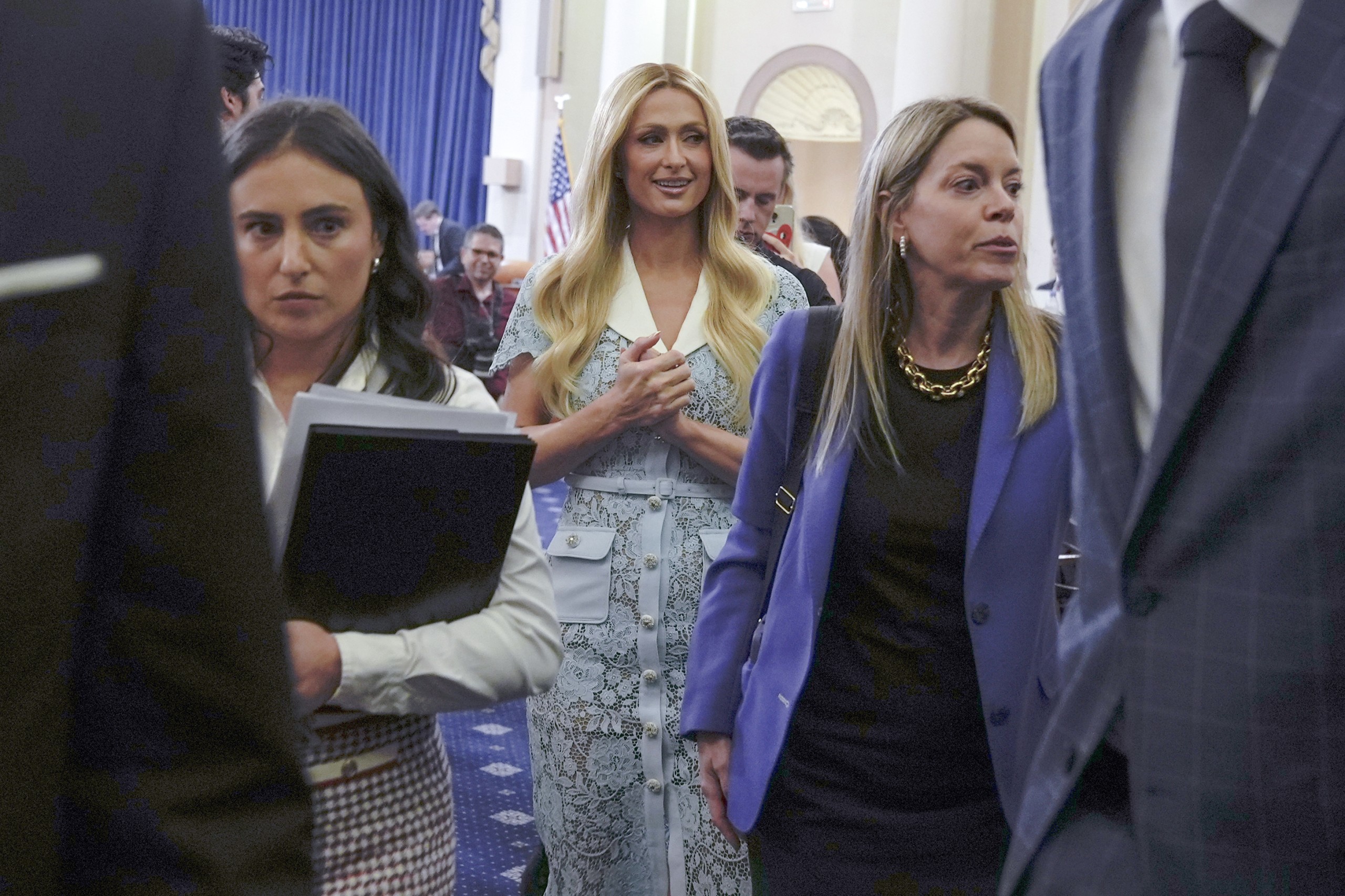
Meet Five True-Life Avengers Who Are Holding the Troubled Teen Industry Accountable Continue reading…
Troubled Teen Industry Is ‘Taxpayer-Funded Child Abuse,’ Senate Report and Paris Hilton Say. Where Are the Government Regulators?
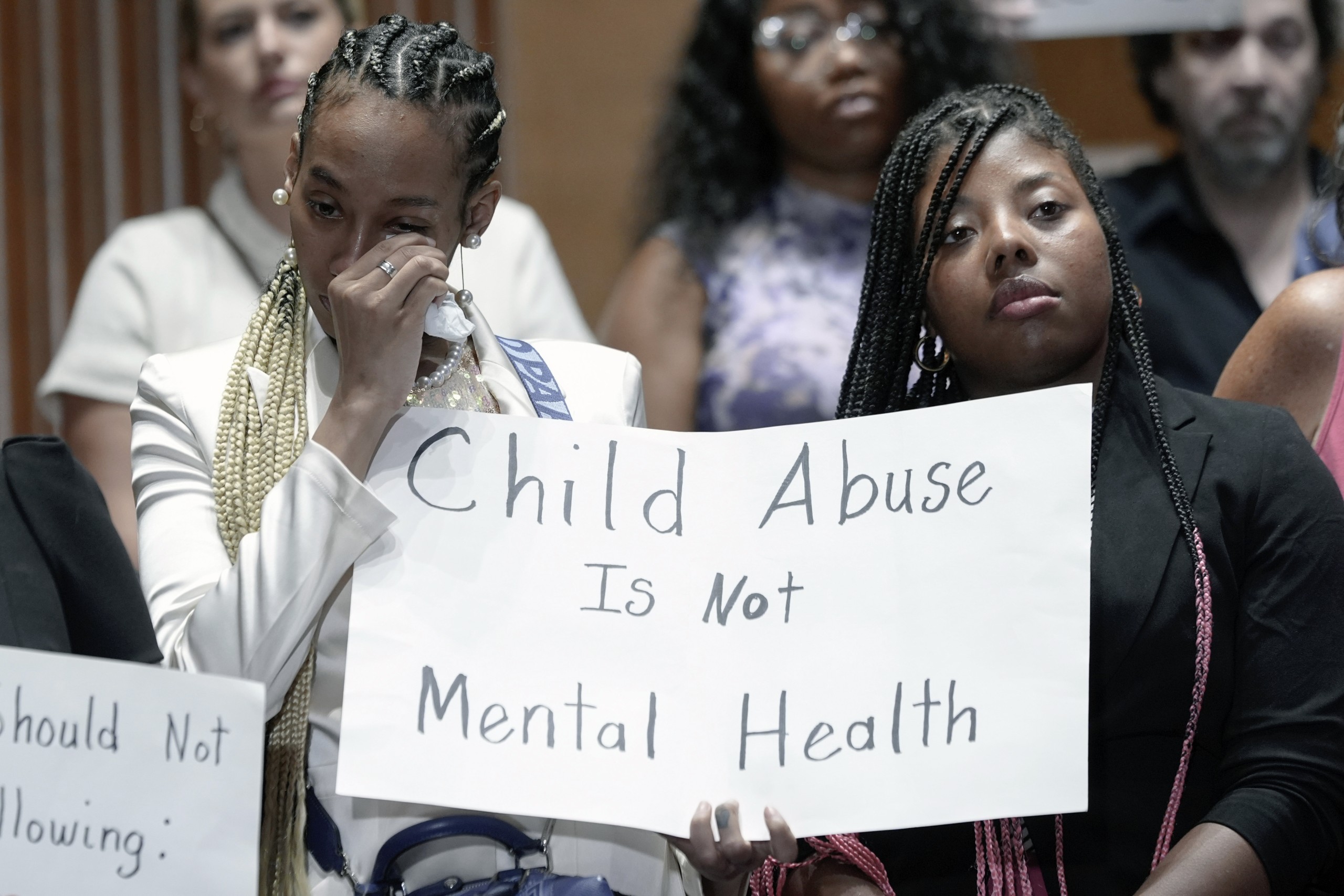
Physical abuse, rape, and emotional trauma is endemic to psychiatric residential treatment centers for kids and youth nationwide. Continue reading…
That Crisis of Mentally Ill People Languishing in Jail? It’s Even Worse Than We Thought

The number of mentally ill people held in jails for weeks or months awaiting competency hearings is rising. Experts call it a crisis. Continue reading…
If you’re not subscribed to MindSite News Daily, click here to sign up.
Support our mission to report on the workings and failings of the
mental health system in America and create a sense of national urgency to transform it.
For more frequent updates, follow us on Facebook, Twitter and Instagram:

The name “MindSite News” is used with the express permission of Mindsight Institute, an educational organization offering online learning and in-person workshops in the field of mental health and wellbeing. MindSite News and Mindsight Institute are separate, unaffiliated entities that are aligned in making science accessible and promoting mental health globally.
Copyright © 2021 MindSite News, All rights reserved.
You are receiving this email because you signed up at our website. Thank you for reading MindSite News.
mindsitenews.org
The name “MindSite News” is used with the express permission of Mindsight Institute, an educational organization offering online learning and in-person workshops in the field of mental health and wellbeing. MindSite News and Mindsight Institute are separate, unaffiliated entities that are aligned in making science accessible and promoting mental health globally.


Author

Related Articles

The Lindsey Clancy Murder Trial
Women nationwide watch the Lindsay Clancy trial and see themselves in her story, plus an investigation into hospitals that fail patients with addiction.
Grief and Rehabilitation in a California Prison
This month: a DUI offender’s path to rehabilitation, Lindsay Clancy revisited, Illinois prison protests, a fatal cell fire, and Missouri’s competency crisis.

Meta Pays $17 Billion Settlement for Lawsuit Over Child Harm
Meta will pay up to $17.1 billion and reshape how its platforms operate after 47 states argued that they are harmful and also addictive to children by design.