
The Mental Health Battles of Sickle-Cell Disease
Even a cure may not erase a llifetime of mental havoc. Autistic youth with other mental health problems may have a hard time finding treatment. And more.

September 12, 2024
By Courtney Wise
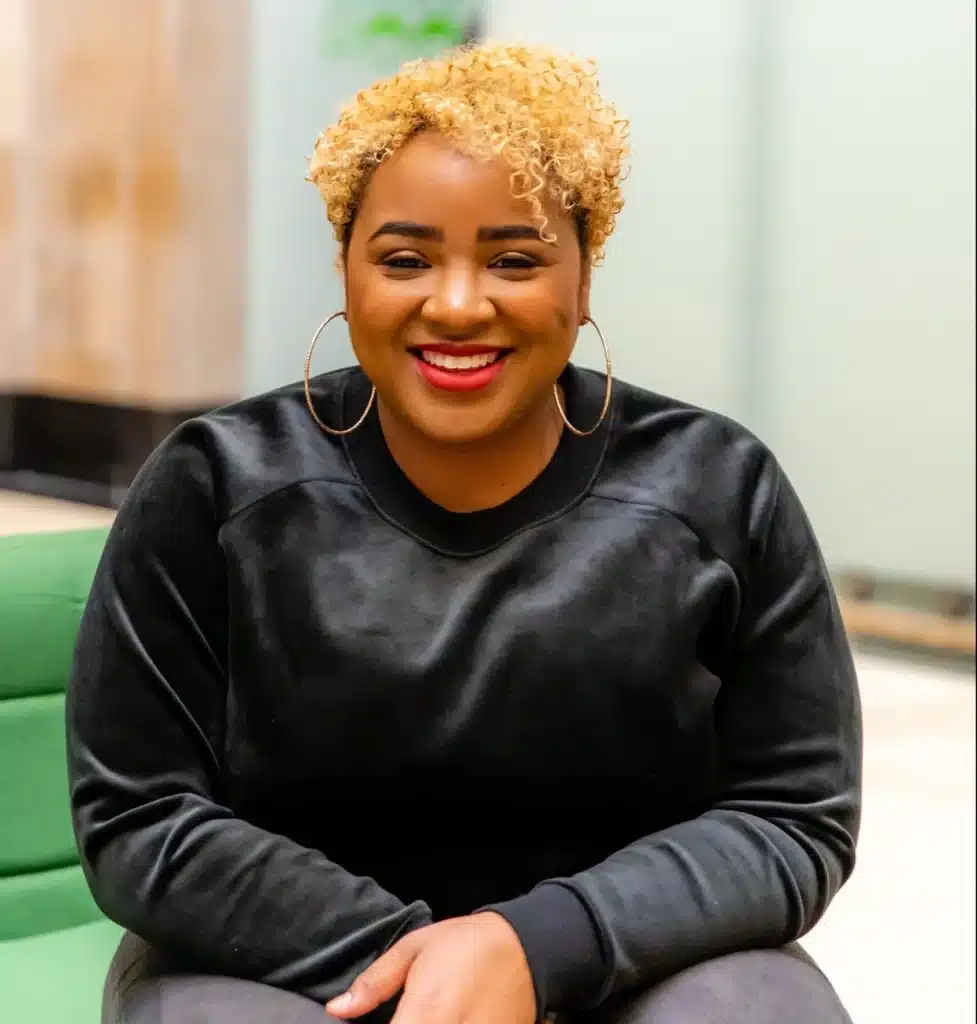
Greetings, MindSite News Readers. In today’s Daily, a feature from Outlier Media on the mental health battles people with sickle cell disease face each day—even those fortunate to be effectively cured from the painful disease. Autistic youth with multiple mental health diagnoses struggle with finding support in California and elsewhere.
And, believe it or not, kids told researchers that one of the best ways their parents can support them and their mental health is by talking to them—and actually listening when they talk back.
Also in this edition: Teen and family therapist Dr. Barbara Greenberg discusses how single parents (and others) can flirt successfully, according to researchers. A beautifully written and wrenching essay by an ER doctor who was powerless to keep her mom off the streets when she was at her sickest. And more.
His sickle cell disease was cured, but a lifetime of mental havoc was left behind

The day before Larenz Caldwell graduated from high school, his mother—and closest friend and confidant—died. Multiple organ failure related to sickle cell disease (SCD) took her—and continued to threaten Larenz’s life every day. “I remember I walked off stage, and as soon as I hit my seat I started bawling,” he told Outlier Media. “My contact fell out, that’s how hard I was crying. I was like, ‘Everybody’s looking at you.’” But then, he remembered what his mother—and their shared illness—taught him: Any level of pain can be managed. “I caught my contact, I spit in it and I put it right back in my eye. ‘You’re gonna be fine.’” Months later, after surviving the grueling and experimental stem cell transplant his mother dreamt would save his life, Caldwell was horrified to discover that he was not.
Having sickle cell disease was torture. The disease is characterized by indescribable, excruciating pain; frequent hospital stays; and treatment from medical professionals who, more often than reasonable, are ill-equipped, unqualified, or unwilling to treat it. It also meant that Caldwell had no fear of death; no need when his own body was trying to kill him. But then, his SCD was cured and that “knowing” went away. Fear replaced it.
“I was scared of not knowing how I was going to die. That comfort was taken away from me,” Caldwell said. “I had irrational fears, like I could fall down the stairs, I could eat the wrong piece of lettuce. Or somebody could sneeze. I didn’t have an immune system at that time and I was just really frail.”
Sickle cell advocates have long argued that mental health care is critical to high-quality management of the disease. But the clinical trial that cured Larenz wasn’t concerned with his mental health outcomes. That reality is one SCD patients face every day.
“I consider myself still to be a sickle cell warrior, because the battle for me hasn’t ended. I’m still dealing with it mentally,” said Victoria Gray, who in 2017 became the first person to be effectively cured of SCD through new gene editing techniques. A cure for Caldwell meant something similar.
Faced with the potential of a long life, he now has to face the trauma, isolation, grief, anxiety, and depression SCD left behind. The bigger challenge is doing so without his mother, the one person who would really understand. “After seven years, I think I’m finally in the anger stage of grief. I don’t know which one comes after that. I’m not angry she died, I’m angry she’s not here.”
Autistic youth with other mental health diagnoses find little recourse for treatment in California
Orange County, California mom Christine LyBurtus loves her adolescent son Noah so much, she placed him in the care of a state-run psychiatric facility for the next year. It’s a decision she never wanted to make, but the lack of care available to keep him stable and safe left her no choice. Noah is autistic and navigates other mental health issues as well. The cycle of 911 calls and emergency hospitalizations they’d been riding had become too much. At a conference hosted by Disability Voices United, she pleaded for help, emphasizing three issues to state officials and reporters from the Los Angeles Times who were also in attendance.
Those issues are the scarcity of mental health care for children with developmental disabilities, the mad maze of governmental bureaucracy offering little help but lots of confusion, and the gaps in availability of day-to-day caregiving support.
“Families are being forced to give up their children to group homes and treatment centers over 12 hours from their homes…or out of the state of California entirely,” LyBurtus told the crowd. “I beg you to hear us.”
Her experience is shared by a growing number of parents, as more children are diagnosed with autism and the gap to provide them with services to meet their mental health needs widens. The Times reports that upwards of 90 percent of autistic youth also have anxiety, depression, or ADHD. Worse yet, many autistic youth are also survivors of trauma.
“There are very few specialized facilities in the country that meet the unique needs of individuals with autism and co-occurring mental health conditions,” especially in crisis situations, said Cynthia Martin, senior clinical psychologist at the Child Mind Institute in New York. It’s incredibly expensive care. The STAR home (Stabilization Training Assistance Reintegration) where Noah currently resides sets aside $1 million per resident per year for treatment. It’s likely why the state could only allot 15 spots for teens this summer. California is working to build more facilities, but according to state data, the amount of new people in need of such help is ever increasing, as the number of former residents returning for treatment grows too.
Experts argue that the ideal scenario would stabilize children in their homes. It’s far more beneficial to the child—and less costly to the state. Unfortunately, so few resources are currently available in communities, that as of last year, nearly 5 dozen California youth were receiving out-of-state care, with another 5 dozen at risk of the same fate.
Single parents looking, are you on top of your flirting game?

This advice is for anyone interested in a relationship, but it certainly applies to single parents interested in finding a loving partner. As teen and parent psychologist Dr. Barbara Greenberg of Fairfield, Connecticut, says, “It would be very helpful for therapists to help clients learn effective dating strategies. The emphasis here is on the word effective. Some flirting approaches work beautifully, while others are ineffective and off-putting.”
Among the strategies that work, according to Greek researchers Apostolou and Christoforou (2020): “The three most important factors were having good non-verbal behavior, which included making good eye contact; being smart and funny; and having a gentle approach, which included respect and not moving too fast,” Greenberg writes.
In other news…
In this essay published by the HuffPost, “daughter-doctor” Anne Aspler tells the story of her failed efforts as a emergency room physician to prevent her mother from falling into homelessness, caused by her unmedicated schizoaffective disorder.
“I’ve always wanted Mom to enjoy her life and be free,” Aspler wrote. “But the question I always ask myself is: What would Mom want if she weren’t delusional? And generally that answer is that she would want reliable shelter, to be able to shower and to be able to have a relationship with her grandchildren. Off medication, none of these things were possible.
Then again, during those two years, she never harmed anyone and never harmed herself. And she was free to explore wherever she wanted. So who was I to suggest she be forced into treatment and locked up?” Find out what happened here.
Rx Kids gives money to expectant Michigan moms: In a program unlike any other before, expectant moms in Michigan will be given $7500, dispersed from mid-pregnancy to the end of baby’s first year. “Income plunges right before babies are born,” said Mona Hanna, director of Rx Kids and associate dean of public health at the Michigan State University College of Human Medicine, at a press conference attended by Bridge Michigan. “Moms often have to come out of the workforce and poverty is at its highest spot in the life course at childbirth.”
The program has already given $2.7 million to nearly 1,000 families in Flint. Plans are in place to reach another 840 moms in Kalamazoo next year, with additional expansion intended for Detroit and other areas in Michigan. Funded with $20 million from the state, the initiative aims to ease financial strain during pregnancy and early parenthood. It is hoped that by helping families afford essentials like food, baby supplies, rent, and medical care, they can avoid the financial hardships that often peak around childbirth, achieving reduced stress and increased well-being.
Last spring, the US Surgeon General Vivek Murthy issued a public health advisory on youth social media use and followed it up this June, with a pointed op-ed in the New York Times, directly calling for a warning label to be placed on apps to raise awareness about the risk of behavioral and mental health harm associated with their unmonitored use in kids and teens. Earlier this week, 42 state attorney generals responded to his call, reports CNN.
“As state Attorneys General, we sometimes disagree about important issues, but all of us share an abiding concern for the safety of the kids in our jurisdictions — and algorithm-driven social media platforms threaten that safety,” they wrote in a letter to Congress. “In addition to the states’ historic efforts, this ubiquitous problem requires federal action — and a surgeon general’s warning on social media platforms, though not sufficient to address the full scope of the problem, would be one consequential step toward mitigating the risk of harm to youth.”
The joys of a get-away with kids: In Business Insider, one young parent talks about taking her toddler on vacation without her partner: She and her son had lots of fun just throwing pebbles in a lake, while her partner got to relax at home. “I was surprised by how easy parenting was on vacation, and it helped us bond,” she said.
If you or someone you know is in crisis or experiencing suicidal thoughts, call or text 988 to reach the 988 Suicide & Crisis Lifeline and connect in English or Spanish. If you’re a veteran press 1. If you’re deaf or hard of hearing dial 711, then 988. Services are free and available 24/7.
Recent MindSite News Stories
If you’re not subscribed to MindSite News Daily, click here to sign up.
Support our mission to report on the workings and failings of the
mental health system in America and create a sense of national urgency to transform it.
/
House, Senate Committees Release Dueling Mental Health Spending Bills

Senate and House committees have put forward two sets of fundings bills for mental health and addiction services. The results won’t be decided until the lame-duck Congress meets after the November elections. Continue reading…
How Paris Hilton and Other Survivors of the Troubled Teen Industry Unleashed a Movement
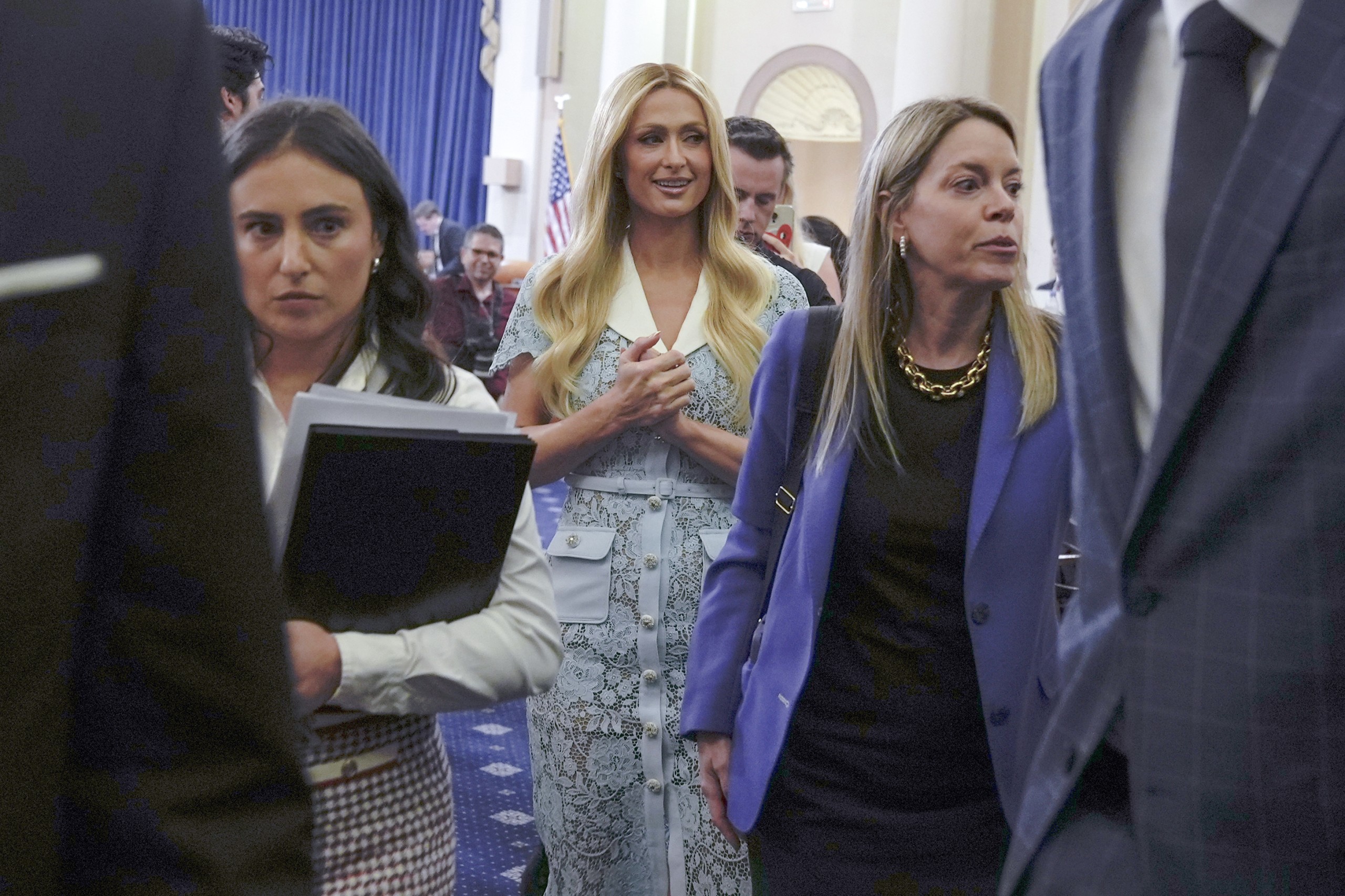
Meet Five True-Life Avengers Who Are Holding the Troubled Teen Industry Accountable. Continue reading…
Troubled Teen Industry Is ‘Taxpayer-Funded Child Abuse,’ Senate Report and Paris Hilton Say. Where Are the Government Regulators?
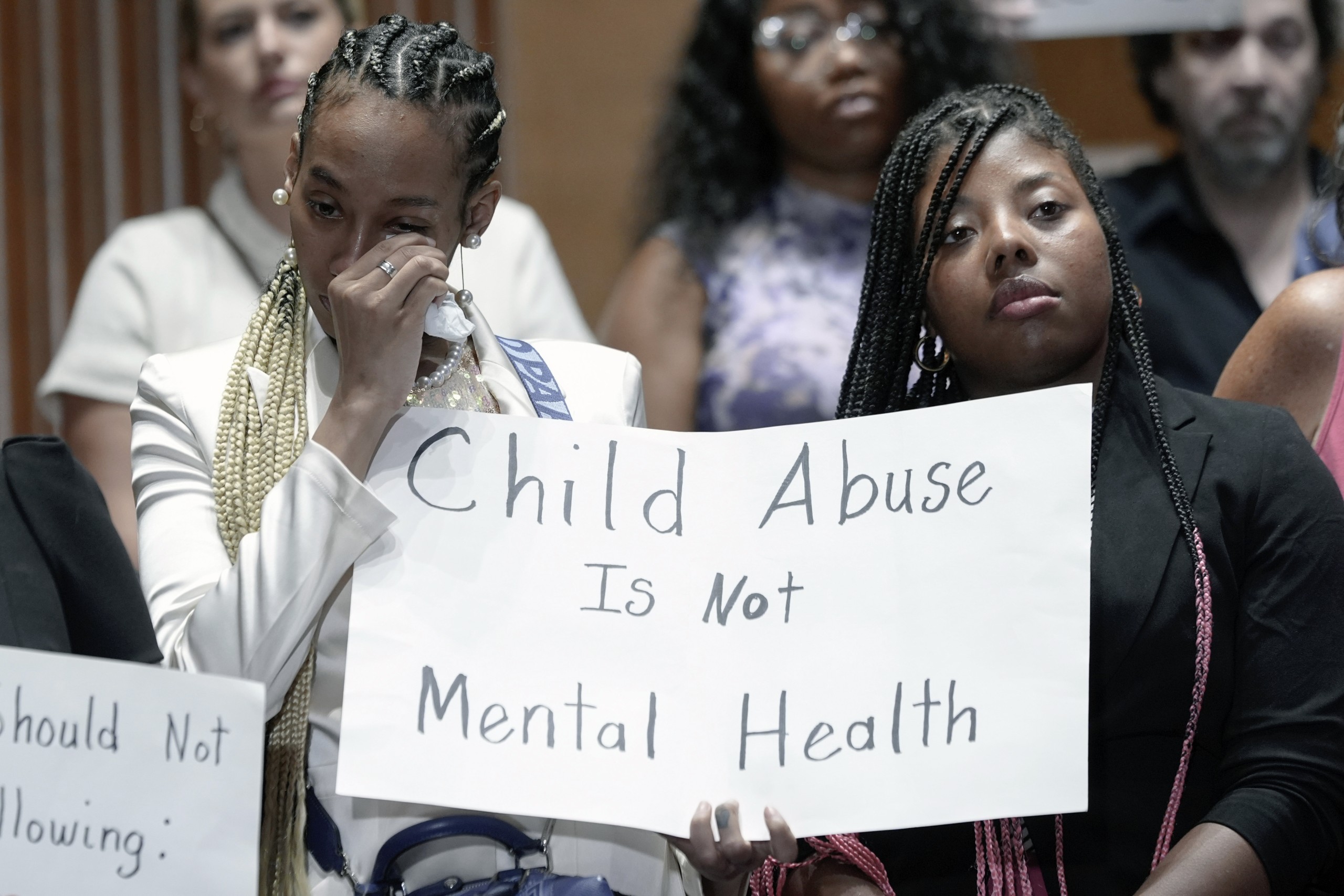
Physical abuse, rape, and emotional trauma is endemic to psychiatric residential treatment centers for kids and youth nationwide.Continue reading…
For more frequent updates, follow us on Facebook, Twitter and Instagram:

The name “MindSite News” is used with the express permission of Mindsight Institute, an educational organization offering online learning and in-person workshops in the field of mental health and wellbeing. MindSite News and Mindsight Institute are separate, unaffiliated entities that are aligned in making science accessible and promoting mental health globally.
Copyright © 2021 MindSite News, All rights reserved.
You are receiving this email because you signed up at our website. Thank you for reading MindSite News.
mindsitenews.org

The name “MindSite News” is used with the express permission of Mindsight Institute, an educational organization offering online learning and in-person workshops in the field of mental health and wellbeing. MindSite News and Mindsight Institute are separate, unaffiliated entities that are aligned in making science accessible and promoting mental health globally.


Author

Related Articles

The Lindsey Clancy Murder Trial
Women nationwide watch the Lindsay Clancy trial and see themselves in her story, plus an investigation into hospitals that fail patients with addiction.

Grief and Rehabilitation in a California Prison
This month: a DUI offender’s path to rehabilitation, Lindsay Clancy revisited, Illinois prison protests, a fatal cell fire, and Missouri’s competency crisis.
Meta Pays $17 Billion Settlement for Lawsuit Over Child Harm
Meta will pay up to $17.1 billion and reshape how its platforms operate after 47 states argued that they are harmful and also addictive to children by design.