
Men in Leadership Less Able to Control Emotions Than Women: Study
Women leaders tend to be less abusive and more supportive at work, says a new study. Plus, high doses of Adderall can trigger psychosis. And more.


September 17, 2024
By Courtney Wise

Greetings, MindSite News Readers. In today’s Daily, a recent study debunks a long-held stereotype about women in leadership. In other news, experts remind us that even mild concussions are serious. High doses of Adderall can sometimes trigger psychosis. End-of-the-day meltdowns in adults. Plus, a social platform that seeks to help folks improve their mental health.
Study finds that men – not women – are more driven by their emotions in leadership positions

Despite the centuries-old stereotype that women are less fit for leadership due to an inability to control their emotions, researchers report in the Harvard Business Review that it’s actually men who struggle in that regard. Their findings, published in Britain’s Journal of Occupational and Organizational Psychology, show that women leaders are not only less likely to allow their emotions to influence their choices, but they engage in less abusive and more supportive behaviors regardless of their emotions at work.
Setting out to learn which leaders’ behaviors would be influenced by the heightened stress of the moment, researchers examined 137 pairs of leaders and their direct reports during the onset of the pandemic in 2020.
All study participants were based in Europe, mostly in the Netherlands, and work largely in the service, public, or information and technology sectors. Of the leaders, 56% were men, while 56% of direct reports were women. The overwhelming majority of all participants were white and heterosexual. For the study, leaders reported to researchers their emotions – anxious or hopeful – during the pandemic, and their reports later rated leaders’ behaviors. Researchers predicted that feelings of anxiety would incline leaders to behave poorly, in an attempt to exert control over their environment during an uncertain time. Those who felt hope were predicted to already feel a sense of agency in their environment, and thus be less likely to engage in abusive behaviors.
They found that men were more likely to act on their emotions, engaging in abusive supervision when anxious and more family-supportive behavior when hopeful. In contrast, women leaders were less abusive and more supportive overall, regardless of their personal emotive state. Researchers attribute Western socialization and gender roles to the differences in behaviors between men and women leaders. The gender role for women emphasizes communal care and responsibility for others to the degree that they are expected to put others’ needs before their own. In the context of work during the pandemic, researchers saw women’s socialization in action, as they applied their sense of responsibility for others to their direct reports.
Moreover, while the study’s findings challenge a long held stereotype about women being “too emotional” as leaders, in contrast to men’s “rationality,” researchers pointed to previous research that found people’s leadership behaviors are influenced by their personal emotional tendencies—and that’s not necessarily a bad thing. Positive emotional tendencies are associated with good leadership, according to one 2015 meta-analysis.
The real issue, researchers found, is how a leader’s emotions are judged, depending on their gender. Women who refrain from showing emotion are penalized for not submitting to the societal expectation that they’ll be openly warm and nurturing. Likewise, they’re negatively perceived for exhibiting anger or pride. In all, the researchers encourage further study with more racially- and gender-diverse populations, in Western and non-Western nations. More research can help uncover gender bias at work and, perhaps, eliminate some of the systemic inequalities that hold people back.
All concussions are serious brain injuries, experts say

Make no mistake: Every concussion is a big deal. Though a “mild” concussion is defined as a mild brain injury, John Leddy, director of the Concussion Management Clinic at the University at Buffalo, told the Washington Post that “the word “mild” is a misnomer.” It’s trauma to the brain that’s called ‘mild’ only because the brain images taken by a standard MRI or CT scan look relatively normal when compared to more severe brain damage like a visible brain bleed. In reality, the major blow of a concussion can cause immediate, potentially ongoing damage to axons, which are cable-like neuronal offshoots that connect neurons and the brain’s regions.
What that can look like in the immediate aftermath of a concussion – and even for weeks afterward – is confusion, mood changes, headaches, nausea, fatigue, the involuntary contraction of muscles (as in the case of football star Tua Tagovailoa), and even the dysregulation of the body’s autonomic nervous system which controls your blood pressure, heart rate, and breathing. Most people do recover from concussions in a couple of weeks, but roughly 15% of people experienced prolonged symptoms. Moreover, repeated concussions increase the risk of serious neurodegenerative diseases including Alzheimer’s, Parkinson’s, and chronic traumatic encephalopathy (CTE), especially in athletes and others whose professions put them at risk for concussive events.
Tagovailoa’s latest concussion is his third in as many years, drawing attention again to the serious concerns over athletes returning too quickly to the game, despite the risk of severe and lasting outcomes from repeated brain injuries, including “second impact syndrome,” where a second injury shortly after the first can lead to brain swelling or death. Doctors who spoke to the Post encourage people to choose being physically active over worrying about getting a concussion, because every sport carries concussion risk. However, should you take a major blow to the head, don’t think twice about taking the break needed to heal. Just do it.
Adderall taken in higher doses may trigger psychosis in some people, study suggests
When Julianna McLeod began having delusions last year, she assumed she was developing a psychotic disorder. Her brother is diagnosed with schizophrenia, she told the New York Times; here was proof she had it too. But, it turns out, the high-dose of Vyvanse she took each day to manage ADHD sent her into psychosis. It would take months for McLeod to get back to herself, even following a brief hospitalization and stint on anti-psychotic medication.
Late last week, researchers published the findings of a new study that suggests taking high doses of prescription amphetamines, including Vyvanse and Adderall, is associated with a 5-fold increased risk of developing psychosis or mania for the first time compared with those not taking stimulants. High doses were defined as more than 40 milligrams of Adderall, 100 milligrams of Vyvanse or 30 milligrams of dextroamphetamine. Medium doses (20 to 40 milligrams of Adderall, 50 to 100 milligrams of Vyvanse or 16 to 30 milligrams of dextroamphetamine) were associated with a 3.5 times higher risk. Notably, methylphenidate drugs like Ritalin were not associated with an increased risk.
Unsure of why some people are more inclined to develop psychosis on prescription stimulants than others, researchers said that the patients who experienced psychosis and mania often had a family history of bipolar disorder or psychosis, they used cannabis daily, or they took stimulants that had not been prescribed. Given that 79 million people (and counting) use prescription stimulants each day, researchers emphasized the need for further study, along with regular monitoring and screening for symptoms of psychosis and mania in those who use them.
In other news…
The Cadre App: Cadre is a social app geared toward neurodiverse people and their communities. App co-founder Shannon Stauff told CBS News that, as the mother of a child with autism, she understands that plenty of social media platforms leave much to be desired. But in contrast, Cadre is packed with useful information to connect people to information they can trust, livestream workshops, and even Q+As with experts so that the algorithm is more of a partner than an app. Available for iOS and Android systems, it offers plans ranging from $0 to $4 per month.
Growing numbers of older Americans live alone, with serious implications for their current and future health, the Washington Post reports. Nearly 4 in 10 seniors living alone struggle in some way, be it with vision or hearing loss, another disability, issues with cognition, or even loneliness, as noted by the surgeon general in a public health advisory last year. Loneliness in particular increases the risks of isolation and depression, which may cause people to neglect their health. That lack of full attention to their well-being can lead to accidents, hospitalizations, and even early death.
End-of-day meltdowns: Now in her second full week of first grade, there hasn’t been one day that my daughter hasn’t come home ready for a meltdown. It’s totally because she’s exhausted. And since she’s six years old, my willingness to be patient as I help her regulate her behavior due to the exhaustion is pretty solid. But what about us grownups?! I’ve got little strategy there, even for myself – which is where this New York Times article comes in. It’s a good reminder that we adults tend to be kind to kids who don’t always know what they need to settle down after a long day –but we need to also be mindful of and kind to ourselves.
If you or someone you know is in crisis or experiencing suicidal thoughts, call or text 988 to reach the 988 Suicide & Crisis Lifeline and connect in English or Spanish. If you’re a veteran press 1. If you’re deaf or hard of hearing dial 711, then 988. Services are free and available 24/7.
Recent MindSite News Stories
House, Senate Committees Release Dueling Mental Health Spending Bills

Senate and House committees have put forward two sets of fundings bills for mental health and addiction services. The results won’t be decided until the lame-duck Congress meets after the November elections. Continue reading…
How Paris Hilton and Other Survivors of the Troubled Teen Industry Unleashed a Movement
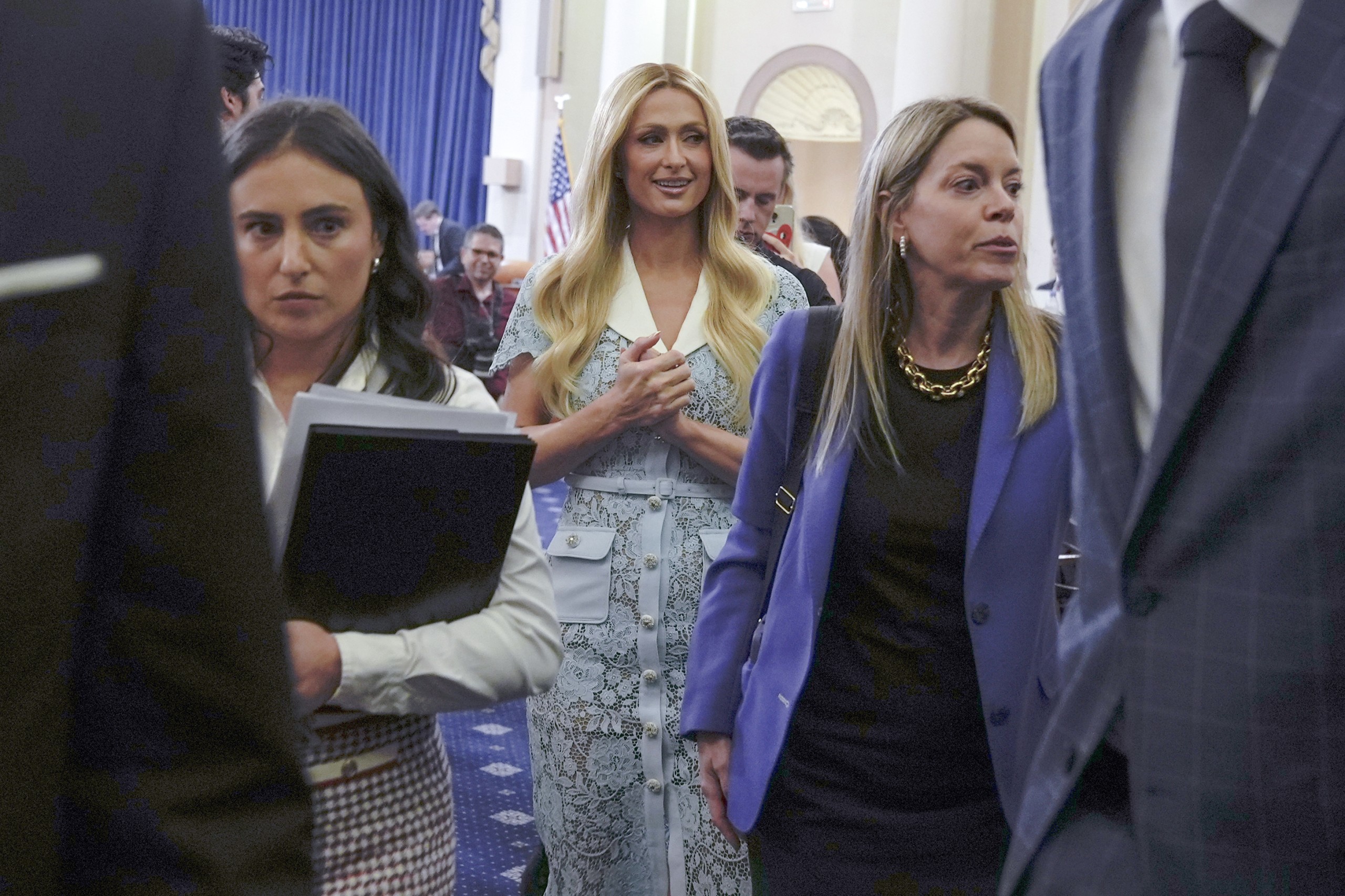
Meet Five True-Life Avengers Who Are Holding the Troubled Teen Industry Accountable. Continue reading…
Troubled Teen Industry Is ‘Taxpayer-Funded Child Abuse,’ Senate Report and Paris Hilton Say. Where Are the Government Regulators?
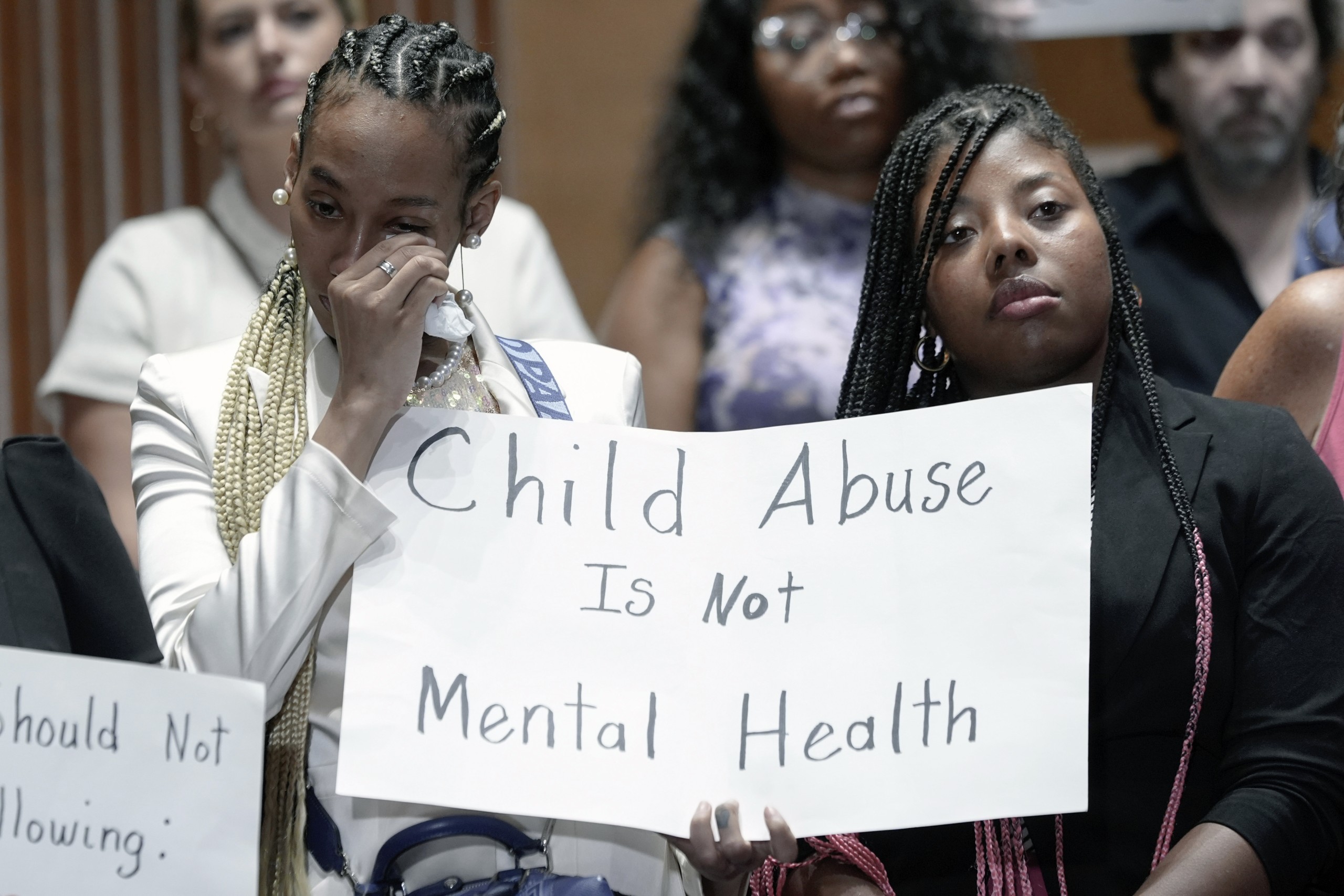
Physical abuse, rape, and emotional trauma is endemic to psychiatric residential treatment centers for kids and youth nationwide.
If you’re not subscribed to MindSite News Daily, click here to sign up.
Support our mission to report on the workings and failings of the
mental health system in America and create a sense of national urgency to transform it.
For more frequent updates, follow us on Facebook, Twitter and Instagram:

The name “MindSite News” is used with the express permission of Mindsight Institute, an educational organization offering online learning and in-person workshops in the field of mental health and wellbeing. MindSite News and Mindsight Institute are separate, unaffiliated entities that are aligned in making science accessible and promoting mental health globally.
Copyright © 2021 MindSite News, All rights reserved.
You are receiving this email because you signed up at our website. Thank you for reading MindSite News.
mindsitenews.org

The name “MindSite News” is used with the express permission of Mindsight Institute, an educational organization offering online learning and in-person workshops in the field of mental health and wellbeing. MindSite News and Mindsight Institute are separate, unaffiliated entities that are aligned in making science accessible and promoting mental health globally.


Author

Related Articles

The Lindsey Clancy Murder Trial
Women nationwide watch the Lindsay Clancy trial and see themselves in her story, plus an investigation into hospitals that fail patients with addiction.
Grief and Rehabilitation in a California Prison
This month: a DUI offender’s path to rehabilitation, Lindsay Clancy revisited, Illinois prison protests, a fatal cell fire, and Missouri’s competency crisis.
Meta Pays $17 Billion Settlement for Lawsuit Over Child Harm
Meta will pay up to $17.1 billion and reshape how its platforms operate after 47 states argued that they are harmful and also addictive to children by design.