
Police and school discipline don’t mix
Michigan schools that allow handcuffs on autistic and emotionally impaired students who act out deserve an ‘F,’ critics say. The need for outdoor recess. And more.
October 3, 2024
By Courtney Wise
Greetings, MindSite News Readers. In today’s Daily, a critical look at Michigan’s public schools for students with emotional impairment. The case for shade on playgrounds to save outdoor recess. And the number one rule for talking to your kids about mental health (and any other squishy thing).
Plus, California lawmakers enact legislation to put greater power for legal recourse in the hands of moms and other incarcerated people who are sexually assaulted by prison staff.
Finally, it’s National Hispanic Heritage Month! We want to salute the incredible contributions of Latinos to the United States and the hard and grueling work that Latino immigrants have done to put food on our table, maintain our railroads and work our mines, among many other things. We’d also like to celebrate the contributions of Latino scientists, writers, artists and other famous U.S. Latinos, including Cesar Chavez, Dolores Huerta, Sonia Sotomayor, and Lin-Manuel Miranda.
We also want to recognize that the present states of California, Nevada, Utah, most of Arizona, the western half of New Mexico, the western quarter of Colorado, and the southwest corner of Wyoming were all part of Mexico and were taken by force in the Mexican-American war and subsequent treaty in 1848.
Michigan’s specialized schools that refer ‘discipline’ problems to police are failing students
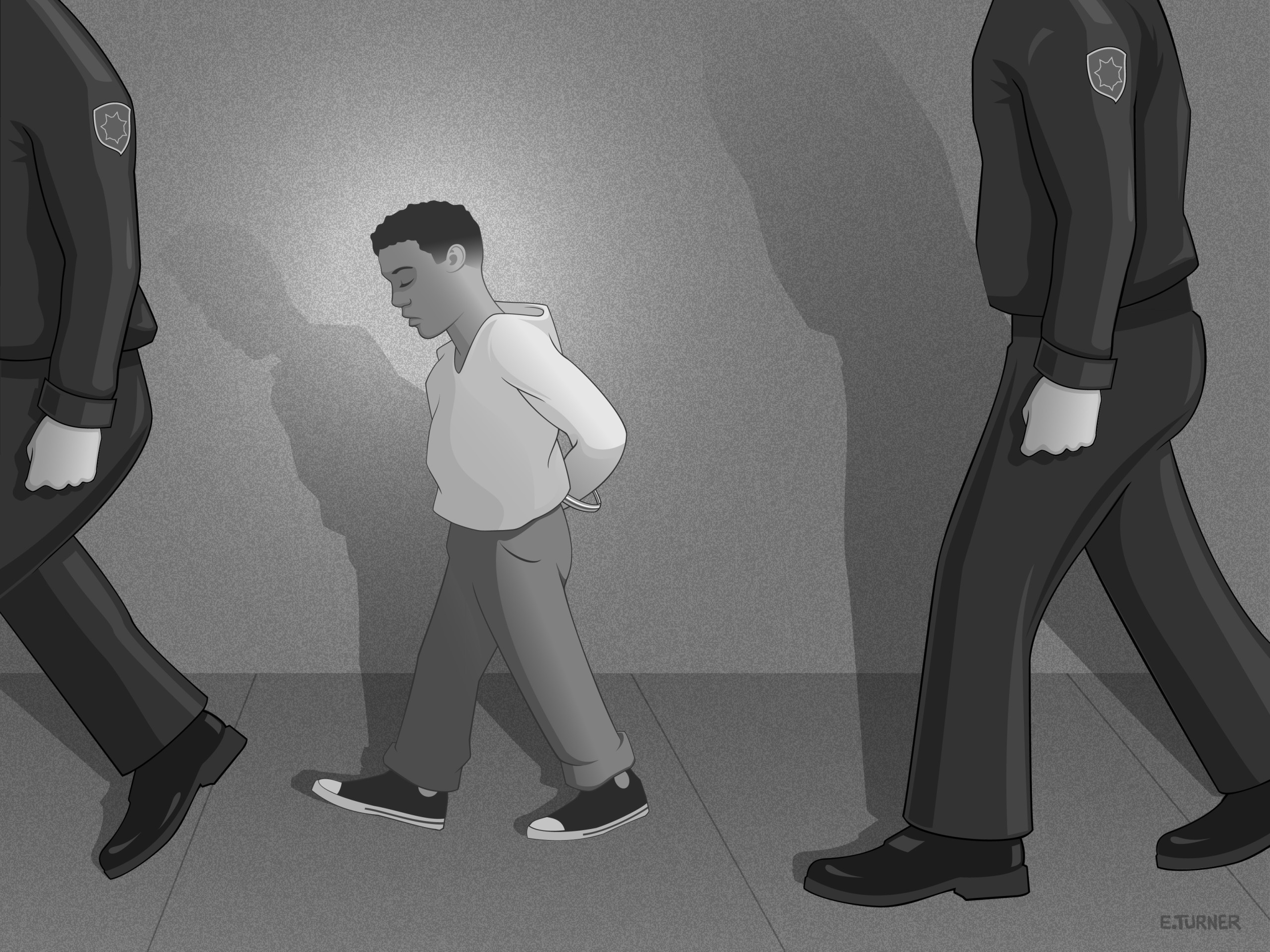
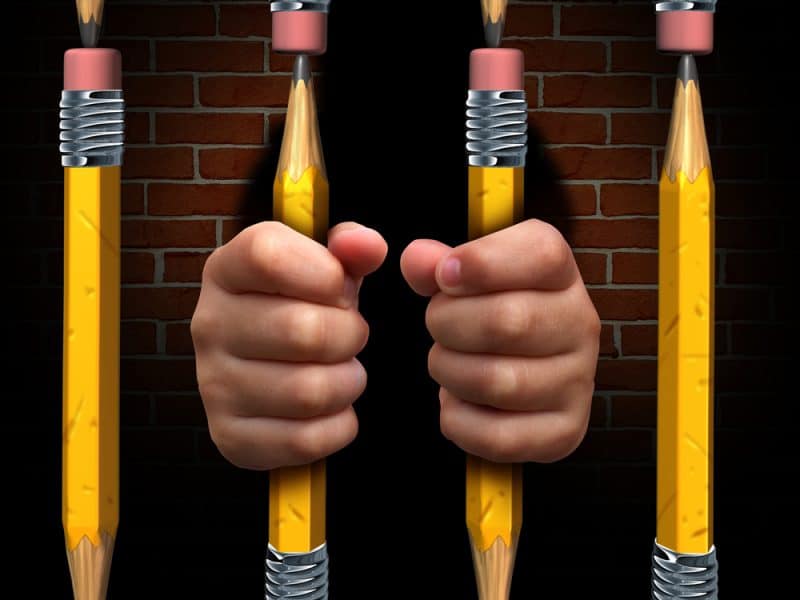
The primary strategy Michigan’s schools employ to resolve behavioral challenges in students with emotional impairment is less aligned with building up scholars and more with treating them like future criminals. Rather than address the root causes of behavioral issues with school staff, families who spoke with the Detroit Free Press for their investigative report said students who are emotionally challenged are more likely to be restrained and handcuffed by police. Christina Rivera-Killingsworth and her husband, Anthony Killingsworth, said it happened to their son, Caleb, a middle schooler with autism, twice in one week.
“No one can make it make sense to me,” Rivera-Killingsworth said. “And if I feel the way I feel, what is happening to my son who can’t vocalize for himself? … What is he feeling? What is this doing to him?”
It was especially unnecessary for police to use the arm bar technique to restrain him, they said. When Pine Tree Center in Lake Orion called police to stop Caleb from walking away from school, he stood under 5 feet tall and weighed less than 90 pounds. The second incident left him with scrapes on his face. A trained military officer herself, Rivera-Killingsworth said she respects and understands police protocol, and knows it was important to stop Caleb from possibly running into traffic to get away. “But we’re not talking about a grown person,” she added. “We’re talking about a child.”
Their family’s experience highlights a growing concern about how schools with emotional impairment programs handle students in crisis, relying on police intervention far more than traditional schools. They serve students with complex behavioral challenges, largely associated with conditions like autism and trauma, but interventions that can work without police aren’t being applied. With students being handcuffed, restrained, or in the worst cases, subdued with stun guns, parents and child advocates express fears about the long-term impact such “discipline” may have on the emotional and psychological wellbeing of vulnerable children.
Moreover, students with autism are frequently miscategorized as having emotional impairment in order to receive school services – something that an autism designation alone should make possible, said Heather Eckner, director of statewide education with the Autism Alliance of Michigan. “Kids with autism…are being warehoused in these restrictive placements, and because they’re wholly inappropriate for kids with autism specifically, then we’re going to see escalated behaviors,” Eckner said. “To have to turn to law enforcement, it’s like they’re turning to these crisis, emergency kind of approaches, because they fundamentally lack the skills and supports and knowledge to prevent it.” It amounts to failure for students.
Of the 12 disability categories tracked by the state, emotional impairment has the third-lowest graduation rate. Taken alone, the graduation rate for students with emotional impairment was 53% for the 2022-23 school year, compared with 66% overall for students with disabilities, according to the Michigan Department of Education. Without the mental health and educational services they need, students with emotional disturbance are twice as likely to drop out as their peers with other disabilities.
For another look at the enormous problems and child trauma that result from involving police in school discipline, read our story on schoolchildren and the Baker Act in Florida.
For the mental health of our kids, save outdoor recess

Outdoor recess is at risk. Temperatures are rising and staying high, for longer stretches than before. “In many parts of the country, you are going to see school districts that are spending the first two weeks—even up to a month—with indoor recess,” Paul Chinowsky, the director of the environmental-design program at the University of Colorado at Boulder, told The Atlantic. “I don’t think we’re far away from that at all.” It’s an astonishing thought for a midwesterner like me, but remains the case for us, as much as it is for people living in warm climates year round. Students in Chicago spent their first week of school indoors for recess—for the second year in a row—after the heat index reached 114 degrees.
It’s a torrid reality, but one with a workable solution: Build shade. (Playgrounds across the nation lack shade by design; concerns for child safety in the 1980s prompted city planners to remove trees to reduce injuries in tree climbers. Risk of climate change, obviously, didn’t make the agenda.) Anyway, throw up some shade! Sounds simple, right? It is simple, but a frustrating lack of funds for public school districts across the nation complicates the matter. Replanting trees on playgrounds would help … the next generation’s kids. In the meantime, children today could benefit from shade structures, like canopies or UV-resistant tarp, that can be installed in just days. Shade structures are costly, though, with a district in Prosper, Texas needing $95,000 to cover one elementary-school playground.
That makes the reality tougher to face for students in urban districts, especially. Researchers in St. Louis found that, as they drove from the suburbs to the heart of the city, shade progressively disappeared from school playgrounds. Moreover, as the share of a school’s students on subsidized lunch increased, shade cover decreased. Another 2024 study in Austin, Texas found similar results. Finding funding for the issue is hard too, Chinowsky said. “It’s very difficult to get heat-related issues covered at all, but the wealthier a district, the easier it is.”
Federal programs do exist to help schools adapt to climate change, but they cover energy efficiency and the cost of planning projects. There are no federal programs, at present, that pay for actually building or installing structures. And while the American Academy of Dermatology offers grants up to $8,000 to build shade structures, as part of its commitment to limiting lifetime sun exposure, its coffers are limited. The group funded just 4 schools this year.
But with climate change in full swing, we’ve got to do something. Recess matters. A lot. Studies show that the freedom and movement of unstructured play increases students’ level of physical activity, positively impacts memory, attention, and concentration, helping them stay focused in class, reduces disruptive behaviors, and nurtures their social-emotional development as children practice skills like sharing, disagreeing, and negotiating when we adults aren’t all in their grill. They need appropriate spaces to do all of that. Indoor recess is a poor alternative, researchers say.
Though The Atlantic specifies areas that are warm year-round as places where school gyms are particularly sparse due to the expectation that outside will always be there, I can attest that plenty of schools don’t have gyms in my tiny section of the midwest, either. And, having been a kid myself at such a school in the long, long ago, I remember indoor recess being a nightmare or snoozefest, very little in between. (See our recent Parenting newsletters entitled “Free Play: Children Need It to Grow Up, Experts Say and The Real Cause of the Youth Mental Health Crisis? No Free Play, as well as our book review on The Connection Cure and nature therapy.)
In other news…
Kids, social media, and suicide: For now, I’m one of the lucky ones. My kid is a first grader who believes that age 18 is “super grown” and for that reason, determined that’s when she will get the cell phone we’ve refused to buy. She “won’t need our permission” then, she said. Because of the world we live in, it’s likely her father and I will have to consider a cell phone earlier than that. But the horrifying and tragic testimonies from parents, like the ones Andrew Solomon spoke to in this article for the New Yorker, stick with me. It’s a truly powerful story: Don’t miss it. (See also our earlier parenting newsletters on social media and kids, including New Warning on Teen Mental Health, The Pandemic’s Shocking Toll on Girls and Male Predators Stalk Teen Girls’ Instagram Accounts.)
Incarcerated moms, trans prisoners and other survivors of sexual assault by prison staff received a groundbreaking pathway to legal protections earlier this week. Authored by state Sen. Caroline Menjivar (D- San Fernando Valley), Senate Bill 1069 was signed into law by Gov. Gavin Newsom and will expand protections for incarcerated people by increasing oversight of the investigative process.
“For far too long, California has been derelict in our responsibility to incarcerated people when they are sexually assaulted by the prison staff entrusted to watch over them,” Menjivar said in a press release. “By reinstating some authority back to the Office of the Inspector General, we will be giving victims and survivors the power to safely report assaults, which will be reviewed by an entity independent of the California Department of Corrections and Rehabilitation…[another] step in our work to uproot the systems of incarceration that perpetuate cycles of trauma and hinder rehabilitation.” (See MindSite News’ earlier stories by Lee Romney on trans prisoners who’ve experienced and/or worked against sexual assault by prison guards and others, as well as her KQED story on California prisons’ failure to uphold transgender rights despite state law.)
Photos by Shutterstock
If you or someone you know is in crisis or experiencing suicidal thoughts, call or text 988 to reach the 988 Suicide & Crisis Lifeline and connect in English or Spanish. If you’re a veteran press 1. If you’re deaf or hard of hearing dial 711, then 988. Services are free and available 24/7.
Recent MindSite News Stories
Treatment Not Trauma: The Push to Transform Chicago’s Mental Health System Takes Some Big Steps
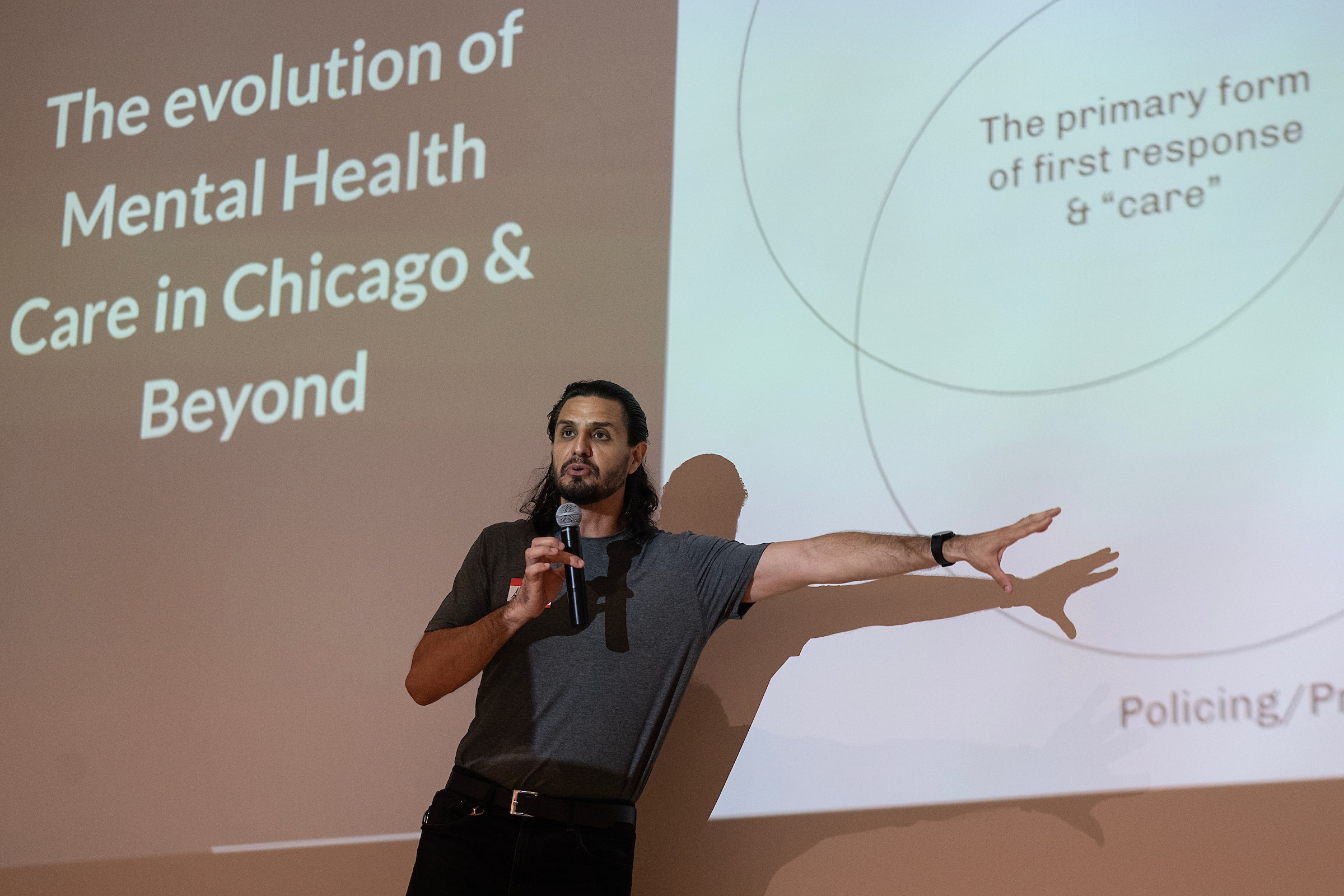
A coalition of community advocates and mental health professionals have been demanding change in Chicago’s mental health landscape for years. For the moment, at least, they’re taking a victory lap. Continue reading…
Docile: Memoirs of a Not-So-Perfect Asian Girl

Hyeseung Song tackles head on the expectations she faced growing up and the journey she had to make to find her self-worth. Continue reading…
New Report: Mental Health Philanthropy Inches Up, but Still Lags Far Behind the Need

Mental health giving is rising slowly, but it’s still a small percentage of overall giving.
If you’re not subscribed to MindSite News Daily, click here to sign up.
Support our mission to report on the workings and failings of the
mental health system in America and create a sense of national urgency to transform it.
For more frequent updates, follow us on Facebook, Twitter and Instagram:

The name “MindSite News” is used with the express permission of Mindsight Institute, an educational organization offering online learning and in-person workshops in the field of mental health and wellbeing. MindSite News and Mindsight Institute are separate, unaffiliated entities that are aligned in making science accessible and promoting mental health globally.
Copyright © 2021 MindSite News, All rights reserved.
You are receiving this email because you signed up at our website. Thank you for reading MindSite News.
mindsitenews.org

The name “MindSite News” is used with the express permission of Mindsight Institute, an educational organization offering online learning and in-person workshops in the field of mental health and wellbeing. MindSite News and Mindsight Institute are separate, unaffiliated entities that are aligned in making science accessible and promoting mental health globally.


Author

Related Articles
The Lindsey Clancy Murder Trial
Women nationwide watch the Lindsay Clancy trial and see themselves in her story, plus an investigation into hospitals that fail patients with addiction.
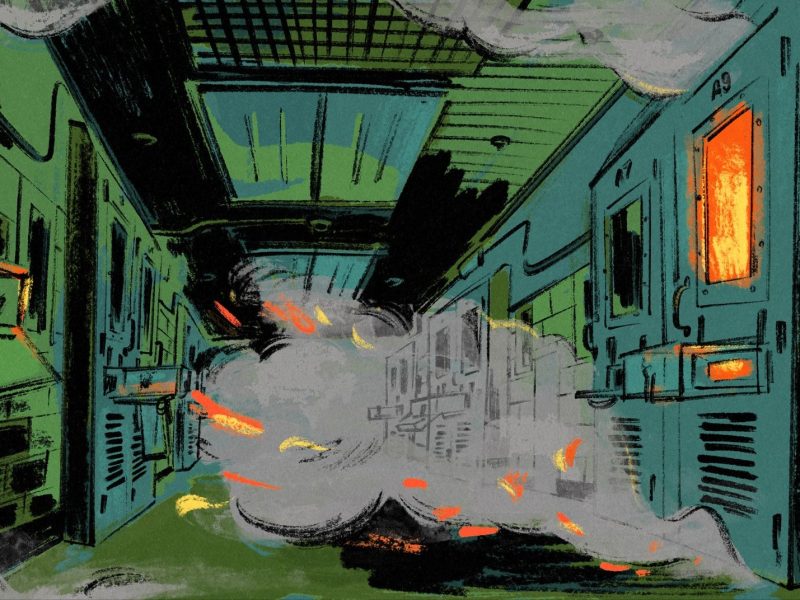
Grief and Rehabilitation in a California Prison
This month: a DUI offender’s path to rehabilitation, Lindsay Clancy revisited, Illinois prison protests, a fatal cell fire, and Missouri’s competency crisis.

Meta Pays $17 Billion Settlement for Lawsuit Over Child Harm
Meta will pay up to $17.1 billion and reshape how its platforms operate after 47 states argued that they are harmful and also addictive to children by design.