
Why Do Teens Love TikTok Content on Dissociative Identity Disorder?
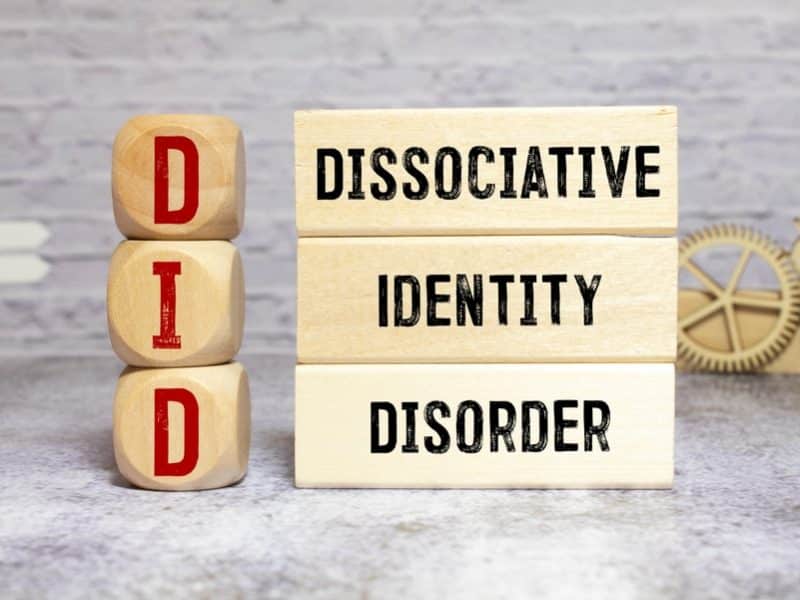
TikTok content on dissociative identity disorder (DID) is wildly popular with teens, many of whom think they have it. Why?

October 24, 2024
By Courtney Wise

Greetings, MindSite News Readers. In today’s Daily, we look at the explosion of TikTok content on dissociative identity disorder (DID), a rare mental illness that teens and youth are posting about on the platform’s #DID channels, which reap billions of views around the world. Astrid Landon looks at what’s behind DID’s enormous popularity among teens on TikTok.
And much has been written about elders who serve as caregivers to their spouses, but what about a younger person raising children whose spouse suffers a devastating illness? In a poignant and wrenching essay, Margaret Phillips writes about her experience for Months to Years, a must-read literary publication that covers the little-recognized grief and pain that upends the lives of young to mid-life caregivers.
Finally, we share an investigation by the New York Times and Reveal found that many unregulated maternity homes in Florida operate like halfway houses for formerly incarcerated people during re-entry. And, what to do if you’re worried that your child doesn’t have enough friends – or if all their friends are imaginary.
Tik-Tok’s fixation on dissociative identity disorder: Chronicle of a trauma foretold

MindSite News reporter Astrid Landon last brought us a story about the growing interest in ECT for children with catatonia and severe autism and a three-part investigation into the dark side of the grief counseling certification industry. Now she looks at the TikTok boom in content about dissociative identity disorder (DID), once known as multiple personality disorder, which rivals the platform’s uber-popular channels about narcissism disorders.
Read her compelling investigative/enterprise series on the enormous interest in dissociative disorders among teens and youth on TikTok in their own words, the craving for community that’s helping fuel it, the medical community controversies it’s stirred up and mental health experts’ take on why this relatively rare disorder is getting so much play. Although some researchers worry about misinformation on the channel, others see new potential for online education.
Caregiving when you and your spouse are on the younger side
Librarian Margaret Phillips never imagined her young husband would be struck by a life-threatening illness while their children were still teenagers. In a moving piece for Months to Years, an online publication devoted to young and middle-aged caregivers, she recalls the shock of his discharge from the hospital:
‘“Call this number to schedule the oxygen delivery,” the case manager instructed me, “and I’ve already arranged for a wheelchair.” She handed me a printout, several pages long, of discharge instructions. And the hospital pharmacy delivered two shopping bags of medication to take home. My husband was coming home, shaky after weeks of antibiotics, blood transfusions, and dozens of procedures, tests and blood labs. During his hospitalization, a team of doctors, RNs,nursing assistants, pharmacists, physical therapists, respiratory technicians and social workers, not to mention dining and custodial services, oversaw Keith’s care. The realization that those responsibilities were now mine engulfed me like a forest fire. I zipped and unzipped backpacks in a frenzy of packing. At the same time, dazed and overwhelmed, a single thought replayed in my mind: I did not sign up for this.”
In fact, I did sign up for this.”
Honest, painful and revelatory, Alone Together, In Sickness and In Health recounts her years-long struggle to keep Keith alive. “I mourn the life we could have had,” she says, writing of remissions where she celebrates the return of the “sweet, kind and funny guy” she married. She talks about their isolation and her near-constant anxiety over his health, along with her helplessness to stop his suffering. About the vows we make and keep.
Phillips’ husband died in his 50s. And one thing is certain, as one reads Phillips’ story and others in Months to Years: The burden that the United States places on family caregiviers is too high. We want to take care of our loved ones, but we need help. And in many other countries, we would get it.
See also “Crying in H-Mart Resonates in a Time of Endless Sorrow.”
Unlicensed maternity homes in Florida are more restrictive than halfway houses for people formerly incarcerated
In Florida, a state with rising housing costs and severely restricted abortion access, many pregnant women and teens turn to charity-run maternity homes for shelter. While those housing teens are subject to state regulation and oversight, an investigation from the New York Times and Reveal found that others housing only adults are often unlicensed, lacking oversight and tied to churches or Christian nonprofits that impose strict conditions on residents controlling their communications, finances and movements.
At Divine Mercy House in Jacksonville, outings longer than 30 minutes required written notice at least one day in advance and were subject to approval. At Mater Filius Miami, employees called police to report one 29-year-old resident as “disobedient and noncompliant” for walking to Starbucks. They further requested that she be placed on a temporary mental health hold, claiming she refused to eat. At Sunlight Home in Naples, residents were forced to download a tracking app on their phones and required permission to leave the house for any reason. Their phones were also confiscated at the end of the day and locked into a safe overnight.
“Everyone is being controlled there,” said Jessica Behringer, who left Sunlight Home after three “unbearable” months. “Not being able to just step outside and go for a walk was hard,” added Emily Colts-Tegg, who lived there for six months. “It did take a toll on me.”
Just months ago, Jenna Randazzo, a former director of operations at the house, posted an online review alleging that the current CEO, E.B. Yarnell, stopped providing mental health therapy and transportation at the property, transforming a “once nurturing environment into one resembling a strict boot camp.” Yarnell has since filed suit against Randazzo claiming libel. A statement from the facility’s lawyer said that Sunlight Home is a voluntary rehabilitative program with rules that all residents agree to before moving in, claiming the atmosphere at the home helped residents “survive and thrive.”
However, the investigation from the NYT and Reveal found more than 500 pages of police records showing at least eight homes that habitually called police when residents broke rules. While calls to law enforcement are generally common in group homes, staff should be equipped to manage many situations and limit calls to police for true threats to safety, said maternity housing researcher and associate professor of social work at Florida State University Shamra Boel-Stud.
Does your child have enough IRL friends?
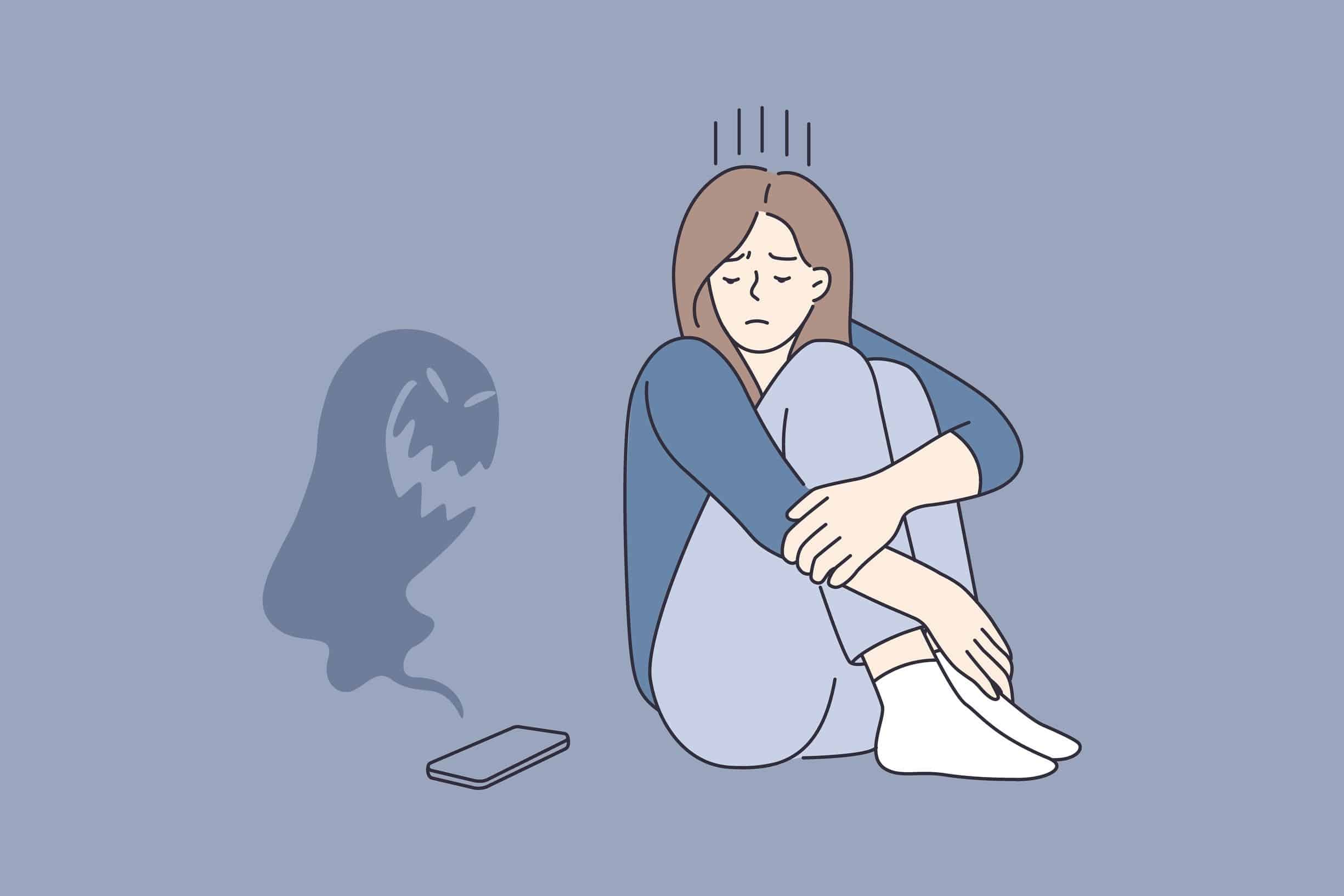
One in five parents worry that their child doesn’t have enough friends, according to a recent poll conducted by C.S. Mott Children’s Hospital at University of Michigan. They also feel responsible for helping their children facilitate friendships, but struggle in a social environment that’s digitally distinct from the one in which they came of age. “Friendships and the ways kids connect nowadays are very different than when current adults were kids,” clinical pediatric psychologist Becca Wallace told Parents magazine. “With the rise of technology, many parents don’t interact with their kids’ peers or their parents. Our children’s social circles [extend beyond] the neighborhood or school.”
This is an enormous problem, according to Freya India, writing on the After Babel substack. In the excellent essay “We Live in Imaginary Worlds: This Is Just One Big Hallucination,” she writes that “Since I was teenager, it seems like everyone has been selling a solution to Gen Z’s loneliness problem… But I’ve noticed that recently, the latest “solutions” have nothing to do with meeting in real life. They aren’t encouraging face-to-face friendships or trying to create new communities. They don’t even pretend anymore. At least friendship apps had the pretense of meeting up in person, even if it was always one more swipe or premium package away. Now these solutions have nothing to do with the real world. Now we are being invited into imaginary worlds.
“There are the imaginary boyfriends and girlfriends, of course. There are imaginary therapists, a “mental health ally” or “happiness buddy” we can chat with about our problems. And imaginary friends, like that AI necklace who is “always listening,” announced with the tagline: “introducing friend, not imaginary.’” Scary stuff indeed.
So what can concerned parents do? Find structured in-person activities where kids can interact with peers their age – and then let them make their own connections. Sometimes, the worry about friends and friendship is more of a parent’s personal issue than their kid’s concern. Most importantly, be sure to model how a good friend behaves and what healthy social interactions look like. Sit with your children to determine and discuss rules for connecting with friends online – and monitor their interactions and conduct, according to their needs. Also, remember that sometimes friendships end. Be available to listen when it happens to your kid. Friend breakups are rough, no matter one’s age.
In other news…
In a prolonged funk and have no idea how to climb out? NPR’s Life Kit ran this comic highlighting science-backed, quickish-to-implement strategies that can help.
If you’re pregnant or recently gave birth and are constantly worried about your baby, you are not alone. Many women experience perinatal and postpartum mood disorders, including some of your favorite celebrities, and me too. The great news is that the incredible overwhelm it leaves is not permanent and treatable. Depending on your specific needs, the Washington Post reports that help may look like cognitive behavioral therapy, medication, or a combination of the two. Other practical aids include exercise, mindfulness work, and support groups. Some postpartum support groups are even online, expanding access for people with limited mobility and transportation. Further, awareness about postpartum doulas is also growing. These maternal professionals provide invaluable, sometimes intangible, support. (See our earlier story on Black doulas).
If you or someone you know is in crisis or experiencing suicidal thoughts, call or text 988 to reach the 988 Suicide & Crisis Lifeline and connect in English or Spanish. If you’re a veteran press 1. If you’re deaf or hard of hearing dial 711, then 988. Services are free and available 24/7.
Recent MindSite News Stories
Dissociative Identity Disorder Through The Ages

From the Renaissance to the conroversial book Sybil and beyond, the existence of multiple personalities has been explored for centuries. Continue reading…
TikTok’s Fixation on Dissociative Identity Disorder: Chronicle of a Trauma Foretold

TikTok content on dissociative identity disorder (DID), a rare mental illness, exploded among teens and youth during the pandemic. Why?
In Chicago, Immigrants Who Fled Violence and War Struggle With Their Mental Health
Many immigrants suffer from trauma as a result of the persecution they fled and their perilous journey to the states. The city of Chicago is trying to help meet those needs.
If you’re not subscribed to MindSite News Daily, click here to sign up.
Support our mission to report on the workings and failings of the
mental health system in America and create a sense of national urgency to transform it.
For more frequent updates, follow us on Facebook, Twitter and Instagram:

The name “MindSite News” is used with the express permission of Mindsight Institute, an educational organization offering online learning and in-person workshops in the field of mental health and wellbeing. MindSite News and Mindsight Institute are separate, unaffiliated entities that are aligned in making science accessible and promoting mental health globally.
Copyright © 2021 MindSite News, All rights reserved.
You are receiving this email because you signed up at our website. Thank you for reading MindSite News.
mindsitenews.org

The name “MindSite News” is used with the express permission of Mindsight Institute, an educational organization offering online learning and in-person workshops in the field of mental health and wellbeing. MindSite News and Mindsight Institute are separate, unaffiliated entities that are aligned in making science accessible and promoting mental health globally.


Author

Related Articles

The Lindsey Clancy Murder Trial
Women nationwide watch the Lindsay Clancy trial and see themselves in her story, plus an investigation into hospitals that fail patients with addiction.
Grief and Rehabilitation in a California Prison
This month: a DUI offender’s path to rehabilitation, Lindsay Clancy revisited, Illinois prison protests, a fatal cell fire, and Missouri’s competency crisis.
Meta Pays $17 Billion Settlement for Lawsuit Over Child Harm
Meta will pay up to $17.1 billion and reshape how its platforms operate after 47 states argued that they are harmful and also addictive to children by design.