
Six Days Out, a Mix of Fear, Anxiety and Hope

Wednesday, October 30, 2024
By Courtney Wise

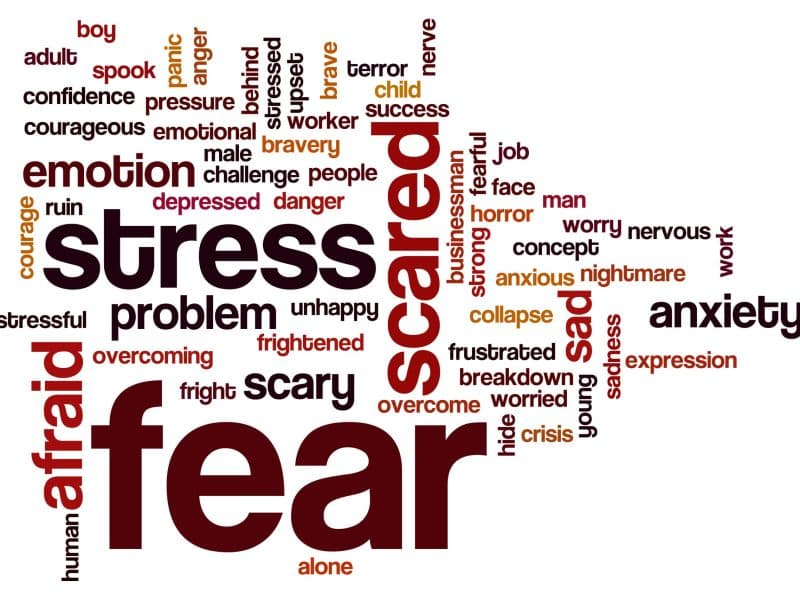
Greetings, MindSite News Readers. I’ll get right to the point and share my feelings about what’s coming next Tuesday: I’m as terrified as I am hopeful. As a working-class Black woman from Detroit, one of the major party’s candidates sees me as little more than a functional nuisance, devoid of utility or even true personhood.
I know this because I have listened to what he has said and I have seen what he has done. I believe him. His rhetoric aligns with the leaders who subjected my grandparents and my mother to a life under Jim Crow, our own American apartheid. Those among us who say he is pleased to take us back know of what we speak. I will not go.
I am but four generations removed from chattel slavery. My mother’s grandfather, William Clark, was born into the “peculiar institution” in North Carolina. His son, John, married a woman named Sally some years later in Florida. They had six children, one of whom is my grandmother Thelma. She birthed 13 children, and with her husband, my grandfather Joseph, raised 10 to adulthood. My mother Elaine is their youngest surviving child. Our nation’s original sins are not ancient history. The residue that slavery left behind is thick. As a native Detroiter, it is my way to hope for better things — and also to know that some stuff must perish in the ashes beneath my feet.
While doing what’s in my capacity to support the outcomes I want – like reading about what’s at stake and becoming an informed voter; sharing information about voter registration, early voting, and Michigan’s Election Day facts with my community; donating to the candidates I support; and even voter canvassing — which I haven’t done since my cousin ran for state representative 14 years ago — I remain anxious as heck about the November 5th election. So are many of you, as my colleage Don Sapatkin reported in yesterday’s Daily. According to a new report from the American Psychological Association, nearly 80 percent of adults surveyed said the future of our nation is a significant source of stress in their lives. The election itself wasn’t far behind, causing nearly 70 percent of respondents significant stress.
Vox provided some strategies on how to cope with election anxiety, my favorite of which is lean into community. Whichever way things go Tuesday night, I’ll need mine to help me remember how to breathe.
Antipsychotics continue to be overprescribed to nursing home patients with dementia
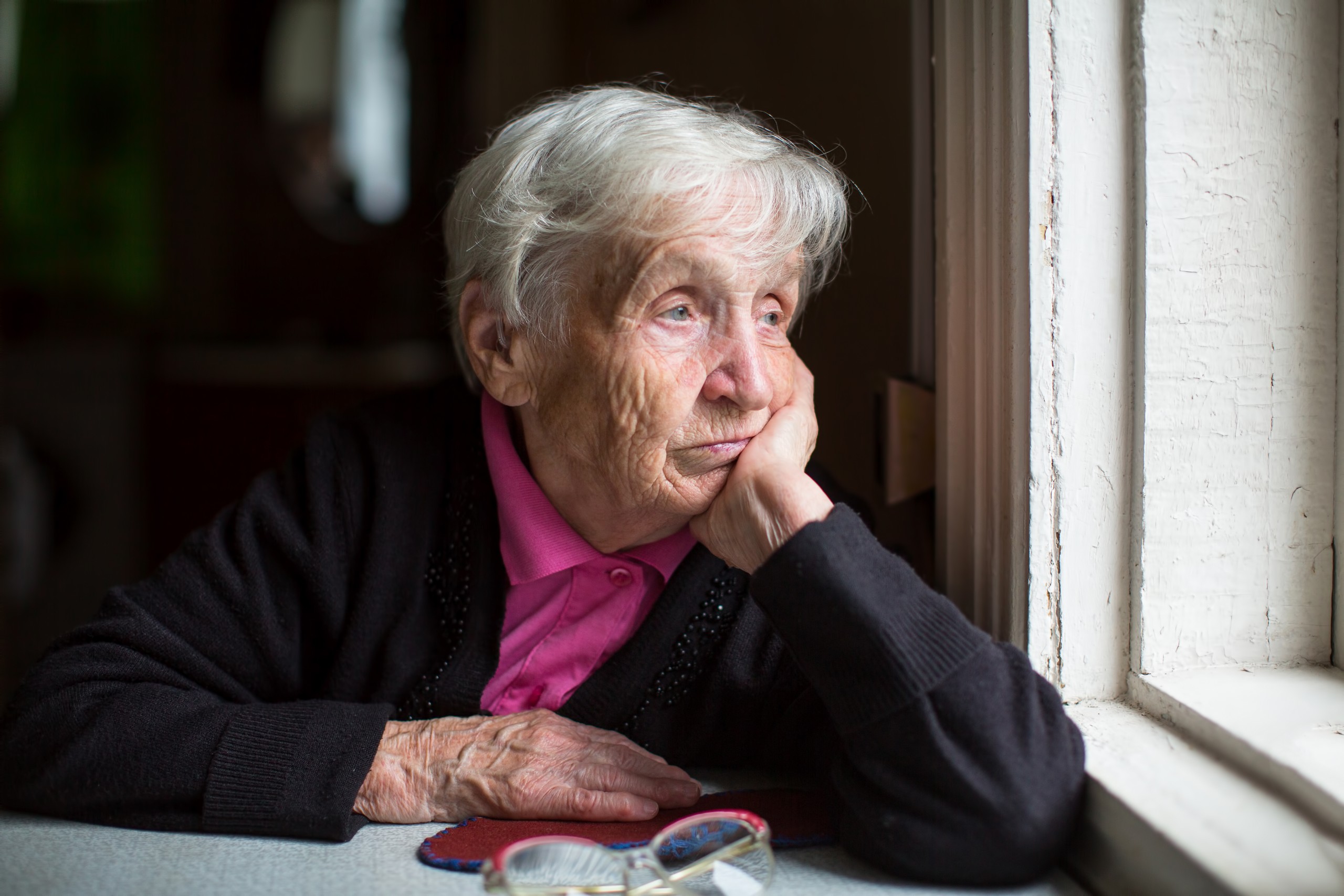
The long-standing problem of nursing homes using antipsychotics to chemically restrain residents got a new look in a disturbing story in Undark. It cited an analysis of more than 12,000 nursing homes by the Long Term Care Community Coalition, or LTCCC, which found that more than 20% of nursing home residents are prescribed antipsychotics. Staff use them hoping to tame behavioral symptoms of dementia, especially agitation, aggression or wandering, even when clinically inappropriate and despite the risk to the residents’ health. Some facilities have rates as high as 50% to 100%, raising “significant concerns about resident abuse and neglect,” said Richard Mollot, the LTCCC’s executive director.
That’s because of the drugs’ sedating effects, said Bruce Miller, a neurologist who directs the Memory and Aging Center at the University of California, San Francisco. Antipsychotics cannot be given to dementia patients at doses that would be required to provide psychiatric benefits, according to a 2019 review of 17 prior studies, making them essentially a muzzle and potentially masking unmet needs, frustrations, discomfort or pain. Using them without resolving the underlying cause of agitation is like, “putting a sock in their mouth and tying them down,” retired geriatrician Michael Wasserman said bluntly.
They also put dementia patients at greater risk of physical health challenges including heart problems and pneumonia; nausea, which can reduce appetite and cause malnutrition; and issues created or exacerbated by reduced mobility, like bed sores and loss of muscle tone, increasing the risk of falls.
These challenges aren’t new or unknown. Federal regulations such as the Nursing Home Reform Act of 1987 aimed to curb improper antipsychotic use, but they’ve done little to reduce off-label prescribing. Undark’s reporting suggests that staffing shortages and persistent cultural norms are largely to blame.
Notorious for staff turnover, most facilities replace about half of their nursing departments each year. But since the 2020 COVID quarantines, staffing shortages have exploded, making it harder for existing staff to meet the standards of quality care. These issues are especially prevalent in low-income neighborhoods.
A 2022 study of more than 10,000 US nursing homes found that increases in licensed staff were linked to decreases in improper antipsychotic use. “Optimal care for those conditions is more hands-on, spending more time with patients,” said Jason Falvey, a geriatric physical therapist at the University of Maryland School of Medicine. “When nursing homes are understaffed, the shortcut is you essentially use antipsychotics as a way to control those behaviors.”
That’s the long-term cultural problem nursing homes face, said Jonathan Evans, a geriatrician based in Charlottesville, Virginia. People have been doing the wrong thing for so long, it’s hard to convince them that they are wrong. “There’s a culture of prescribing, there’s an over-reliance on medication, and an under-appreciation of the risk,” Evans said.
Experts now see agitation and aggression in dementia patients as forms of communication, rather than as neuropsychiatric symptoms of dementia illness, said Wasserman. He’s been hit twice by patients who didn’t remember him and felt he was approaching them too closely in their space. “That didn’t necessitate an antipsychotic medication,” he said. Instead, staff need to employ better strategies, including time outs, said geriatrician Susan Wehry. A five-minute break can activate what she calls the mercy of dementia. “If you stop whatever has caused the person to strike out, offer reassurance and go away, you can return five minutes later and a new approach may work as the person with dementia has no recall of the event,” Wehry said.
Terrified of spiders? New exposure therapy techniques promise relief — without direct contact

Exposure therapy tries to help people get over fears and phobias by having them look at pictures of scary things – or even get up close with the actual source of their fear. It’s highly effective and remains the gold standard for the treatment of phobias – except for one problem: People get so scared that 45% of them drop out of treatment.
Now new research suggests you may not have to get up close and personal with the source of your fear to get over it. Unconscious exposure therapy is showing promise, working just as its name suggests. Patients are subjected to their fears, but with little or no conscious awareness. The approach reduces their stress and increases their compliance with treatment, Scientific American report.
“The unconscious exposure paradigm contradicts what’s considered sacred dogma in cognitive behaviorism and clinical psychology,” said psychologist Paul Siegel, “which is that if people are going to get over their fears, they have to confront them.” A comprehensive review led by Siegel and pediatric psychiatrist Bradley Peterson examined 10 different forms of unconscious exposure in 39 studies and found they were effective in 38 of them.
The new unconscious techniques such as Very Brief Exposure (VBE) and Decoded Neurofeedback (DecNef) seem to reduce automatic fear responses and physiological fear markers in patients – without the direct exposure. Studies suggest they’re particularly useful as complementary methods to traditional exposure therapy for conditions like PTSD, social anxiety, and specific phobias.
VBE uses a method called backward masking, where images of feared stimuli are flashed briefly and immediately followed by neutral images, preventing conscious recognition but still activating the brain’s fear pathways. Studies found that VBE significantly reduced fear in people with arachnophobia, with effects lasting up to one year.
DecNef, on the other hand, replicates brain activity patterns associated with fear without exposing patients to the actual feared stimulus. “We use (functional magnetic resonance imaging) to first figure out patterns of brain activity representing the perception of some animals, such as spiders and snakes,” said Hakwan Lau, a psychologist who led the team that developed DecNef. “Then we look for occurrences of these patterns while people are still inside the scanner.” While DecNef has been successful in reducing physiological fear markers, it has yet to impact conscious fear levels.
Other unconscious approaches include presenting fear stimuli via odors or sounds during sleep, or “spiderless arachnophobia therapy,” which has people view pictures of objects with spider-like features, such as a tripod with spider legs. Experts are so encouraged, they’re exploring how these techniques could be expanded beyond specific phobias to treat conditions like social anxiety disorder and PTSD. “The basic mechanisms of fear, as far as we know, work whether you’re afraid of heights, public speaking, blood, traumatic memories or interacting with strangers,” Siegel said.
Homeless shelters that preserve the bond between humans and their pets
Pets are family, and in times of crisis people don’t want to leave family members behind. That’s why places like Breaking Bread Community Shelter in Philadelphia are so important. They don’t just provide a place for the human members of an unhoused family to stay together; they welcome families’ pets too. Nearly 10% of people experiencing homelessness do so with pets that they often have to leave behind in exchange for shelter. But leaving behind a beloved companion or service animal is a choice many people simply won’t make, with some 50% of domestic abuse survivors refusing to leave an abusive home without their pet, according to the Urban Resource Institute. That’s only natural, veterinarian Biana Tamimi told Yes magazine..
“I have met so many unhoused people who say there’s no way on Earth they would give up their animal. (Their pet) is their reason to get up in the morning, a reason to go out and look for food,” Tamimi said. “We all know what it feels like to come home after a hard day and pet your cat or have your dog jump on your lap and give you licks. Imagine in the darkest time of your life, having a companion that’s been with you for years suddenly taken away. We never want that to happen to people.”
Midnight, Charles Jones’ black Labrador, is more than a companion. The canine is trained to help Jones during a medical emergency. Diagnosed with hypertrophic cardiomyopathy, Jones depends on Midnight to retrieve his medication and phone during cardiac episodes when he is unable to stand. Despite this, the pair were still evicted from a shelter that allowed service animals. It’s what makes Breaking Bread more of a godsend. “The first day we came, the staff called us by name, even Midnight,” Jones said. In addition to providing Jones with food and shelter, it also covers vaccines and medical care for Midnight, thanks to the support of volunteer veterinarians. “I owe this place everything,” said Jones. “We’ve got a whole new family here.”
Tamimi believes the well-being of the pet and the owner are inextricably linked. In addition to her role as director of shelter medicine at the Animal Care Center of New York City, she is co-lead at The Street Dog Coalition, which provides free vet care to pets of people experiencing or at risk of homelessness as well as social services and medical resources for the humans. It’s an approach that views the health of people as closely connected to the health of animals. Appointments often focus on the animal first because it’s the best way to gain trust with the humans.
“People want their animals to get the care they need,” Tamimi said. “We use that bond with the pet to facilitate the human getting care for themselves as well.” In one recent case, an examination of a cat with breathing issues prompted its owner to cut back on smoking. “Pets keep their owners grounded. They keep them well, especially in really dark times of isolation and stress,” Tamimi said. “Humans can get through the most challenging times of their lives because they have an animal there with them that relies on them.”
In other news…
Your next great mental health read: Memoirs published by two different Sarahs, Sarah LaBrie and Sarah Moss, received such stunning reviews in the Los Angeles Times that I’ve joined the request queue to read them in Hoopla, my library’s digital and audiobook lending app. Both navigated being raised by parents with mental illness and also battled mental struggles of their own, noted reviewer Lorraine Berry. She writes that the two “wrestle with the limits that rationalism imposes on emotional health” and “chronicle the ways in which mental illness carves canyons and chasms in a life.”
“Our conclusion is clear: gambling poses a threat to public health.” So says a recent report in Lancet Public Health. Fast rising gambling rates have prompted researchers from the World Health Organization and five other organizations to call for a substantial global “expansion and tightening of gambling industry regulation,” USA Today reports. Some 450 million adults worldwide are known to be engaged in “risk gambling,” or gambling to a degree that threatens, disrupts, or damages family, professional, or recreational pursuits. Another 80 million people are diagnosed with gambling disorder, or what’s called problematic gambling. Researchers say that’s an undercount.
“Anyone with a mobile phone now has access to what is essentially a casino in their pocket, 24 hours a day,” said Heather Wardle, professor of gambling research and policy at the University of Glasgow and a coauthor of the report. “Highly sophisticated marketing and technology make it easier to start, and harder to stop gambling,” as users are encouraged toward “repeated and longer engagement.”
If you or someone you know is in crisis or experiencing suicidal thoughts, call or text 988 to reach the 988 Suicide & Crisis Lifeline and connect in English or Spanish. If you’re a veteran press 1. If you’re deaf or hard of hearing dial 711, then 988. Services are free and available 24/7.
Recent MindSite News Stories
He attempted suicide. Peoria Jail restrained him in a chair for five days.

Peoria County Jail in Illinois has kept mentally ill charges in restraint chairs far past industry recommendations.

A mentally ill man was restrained in a chair for 68 hours at Franklin County Jail
The United Nations has declared that chair restraints are torture. But Illinois jails use them routinely, according to this story from the Illinois Answers Project.
Dissociative Identity Disorder Through The Ages

From the Renaissance to the controversial book Sybil and beyond, the existence of multiple personalities has been explored for centuries.
If you’re not subscribed to MindSite News Daily, click here to sign up.
Support our mission to report on the workings and failings of the
mental health system in America and create a sense of national urgency to transform it.
For more frequent updates, follow us on Facebook, Twitter and Instagram:

The name “MindSite News” is used with the express permission of Mindsight Institute, an educational organization offering online learning and in-person workshops in the field of mental health and wellbeing. MindSite News and Mindsight Institute are separate, unaffiliated entities that are aligned in making science accessible and promoting mental health globally.
Copyright © 2021 MindSite News, All rights reserved.
You are receiving this email because you signed up at our website. Thank you for reading MindSite News.
mindsitenews.org

The name “MindSite News” is used with the express permission of Mindsight Institute, an educational organization offering online learning and in-person workshops in the field of mental health and wellbeing. MindSite News and Mindsight Institute are separate, unaffiliated entities that are aligned in making science accessible and promoting mental health globally.


Author

Related Articles

The Lindsey Clancy Murder Trial
Women nationwide watch the Lindsay Clancy trial and see themselves in her story, plus an investigation into hospitals that fail patients with addiction.

Grief and Rehabilitation in a California Prison
This month: a DUI offender’s path to rehabilitation, Lindsay Clancy revisited, Illinois prison protests, a fatal cell fire, and Missouri’s competency crisis.

Meta Pays $17 Billion Settlement for Lawsuit Over Child Harm
Meta will pay up to $17.1 billion and reshape how its platforms operate after 47 states argued that they are harmful and also addictive to children by design.