Election Day De-Stressing
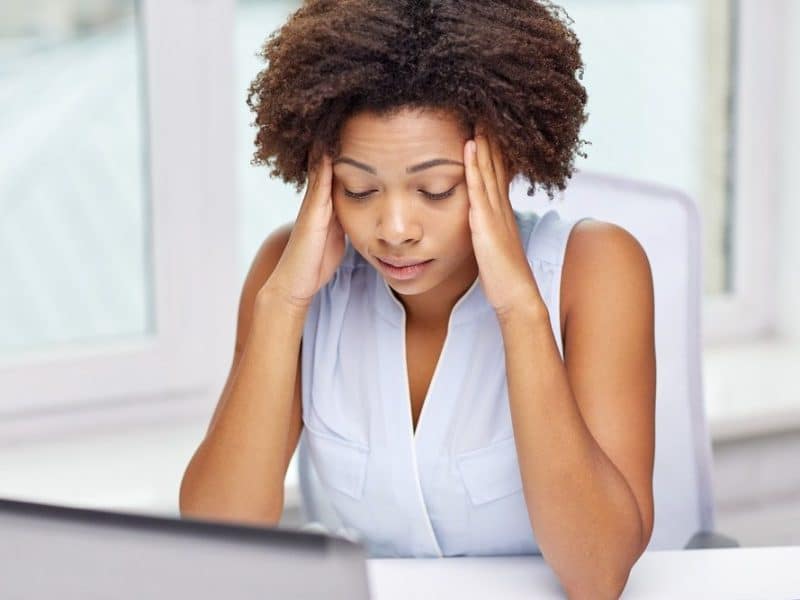
Election Day is finally here. We share some tips on how to get through it.

Tuesday, November 5, 2024
By Courtney Wise
Greetings, MindSite News Readers. Today’s a huge day in world politics! Let’s get through it together. And if you haven’t already, please go vote. Since we’re all stressed about the election, today’s Daily will share a few tips from Scientific American on how to rest after such a nerve-wrecking season.
In other news, a St. Paul nonprofit helps older adults maintain meaningful friendships. A writer manages grief and fear of death by writing fake obituaries. And one more bit of election news – with apologies and a warning that this one probably won’t reduce your anxiety: We look at the effort – continuing right up to the 11th hour – that a group of mental health professionals is making to warn the public of Donald Trump’s mental instability and the calamity they say could result if he is returned to power.
Mental Health Professionals Continue Their ‘Duty to Warn’ about Trump
A group of psychiatrists and doctors that first warned about the “unmistakable” signs of Donald Trump’s mental instability and cognitive decline back in the first year of his presidency has continued its effort to raise the alarm right up to the last day before the momentous election that could return him to office.
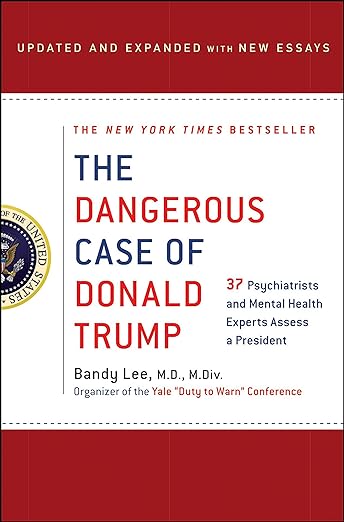
“We are a group of medical and mental health professionals with expertise in aging, mental fitness, and how these relate to the capacity for leadership and ensuring our national security,” the World Mental Health Coalition wrote yesterday in a statement on X (formerly Twitter). “We feel an obligation to express concerns about the manifestations of poor cognitive function in former President Donald J. Trump.”
The group’s efforts have led to conflict with the American Psychiatric Association, which, back in 2018, criticized their efforts as “armchair psychiatry.”
Read the full story here.
Blue, red, or otherwise: We’re all stressed
No matter who you’re voting for, you’re no doubt feeling the stress. The partisan divide runs so deep that some people are afraid to publicly admit their choice for president, fearing retribution. “My neighbor put up a couple [Harris-Walz] signs,” a voter from Union County, North Carolina, a longtime Republican stronghold, told NBC News. “The next morning, they were crushed, crumpled up,” she said.
Election stress is at the highest levels ever seen, said Vaile Wright, senior director of the office of health care innovation at the American Psychological Association, higher even than in the last two elections. As we noted last week, the APA’s Stress in America survey found that 77% of adults say the future of the nation is a “significant source of stress in their lives” – a concern shared by 80% of Republicans, 79% of Democrats and 73% of Independents.
Psychologist Bryan Sexton says this is because we’re overly tapped into what’s happening. “Our brains are basically threat detectors,” he said. In other words, we’re so wired to identify threats – like alarming campaign rhetoric from candidates and provocative political ads – that we’re missing almost everything else.
Thankfully, there are things we can do to manage or reduce election-related anxiety, including exercise, exploring nature, getting more sleep, and connecting with friends. Wright and Sexton also encourage focusing on one of the five senses to help you ground your overwhelmed brain. For instance, if the smell of homemade rolls brings you calm, turn on the oven and toast some flour to activate the feeling.
Suffering from elect-insomnia? Here are some tips on getting some sleep
In an effort to calm my Election Day anxiety, I took advantage of early voting in Michigan. And while I’m sure to surf the Internet and social media Tuesday, I’m intent on ignoring all election updates until Wednesday morning. My personal strategy is to employ as many of the tips offered up in this column in Scientific American as possible. As I type this, on Sunday evening, I’m especially focused on sleep. Throughout the season, it’s been harder for me to get more than two hours at a time, and I’m hoping to reach a stretch of 4 hours straight by the end of this week.
I know I’m not alone in feeling this kind of extreme stress, but I was surprised to learn how anxious our global neighbors may also be feeling. Tony Cunningham, a clinical psychologist and the director of the Center for Sleep and Cognition at Beth Israel Deaconess Medical Center and Harvard Medical School, led a study that tracked people’s moods, mental health, alcohol consumption and sleep in 2020, around the time of that year’s presidential election. He found that the election-related stress levels reported by people in other countries were similar to those felt by Americans. “This is a major socio-political event that is driving an acute stress response in a large proportion of the population,” he told Scientific American.
Still, there are things one can do to decrease stress and promote rest. They include placing strong boundaries around your news consumption and avoiding substances that discourage sleep, like caffeine, nicotine and alcohol. In a YouTube segment, Rachel Feltman, host of Scientific American’s Science Quickly podcast, tested out the “Sleepy Girl mocktail” just before going to bed. The spritzer includes soda water, magnesium and tart cherry juice – which naturally contains a small amount of melatonin. Feltman conceded her skepticism – then shared evidence of its effectiveness.
Other actions can be based on whatever brings you peace and joy. Make a physical list of the things you’re grateful for. Go for a walk or get some exercise. Play mental games that make you feel engaged and interested, not frustrated. (For me, this means I’ll be tackling the New York Times’ Connections and Wordle apps, rather than the primary daily crossword.)
I’m also adding yoga back into my routine. I’ve always loved the practice because of how relaxed I feel following a class. I love being in the room with other people during the practice, but I’ve avoided it for a while as neither my budget nor schedule allow me to go to a studio. For now, though, I’m following some great instructors on YouTube with Yin Yoga routines that are sure to keep me focused on my own breath and wellness.
Minnesota nonprofit Friends & Co promotes connection and friendship among older adults
For older adults, social connection is more than a way to overcome loneliness and isolation – it’s also a way to support mental health and decrease the risk of dementia and cognitive decline. It’s all part of the focus for Friends & Co, a St. Paul, Minnesota-based nonprofit dedicated to nurturing connections among older adults. As of late, the organization has expanded its outreach to place a special focus on the LGBTQ+ community, marketing director Dennis Glock told the MinnPost.

“We always focus on the beauty of friendship, the magic of friend connections,” Glock said. “We emphasize the mental health benefits.”
Friends & Co designs its programs to require low effort for entry, making it easy for people to participate without commitment. Programs like Visiting Companions and Phone Companions pair seniors with volunteers for scheduled one-on-one in-person visits or calls, providing companionship and preventing isolation. The Coffee Talk drop-in line lets people connect people with others more spontaneously – and helps staff identify people who may be in need of community.
“People can dial the number and talk about what’s on their mind. We don’t ask them any more than their first name,” said Glock. But when volunteers notice the same person called Coffee Chat a few times, they switch tactics. “We’ll say, ‘Did you know we have these other services?’ We’re trying to get them comfortable with trying some of our other free programs. We don’t want people to miss out on everything we have to offer.”
Other programs welcome LGBTQ+ seniors for bi-monthly meals and provide in-person support. Their success has caught the attention of other organizations, opening opportunities for Friends & Co to teach their strategies to others.
In other news…
Overwhelmed by the pandemic, writer Eden Robins attempted to wrestle back power over her mortality by hoarding and freezing chicken breasts. Then one day, she began to understand how meditation could help her confront the reality that death is inevitable for us all – and accept it. “During meditation, we focus on our breath, bringing this autonomic and unconscious function into consciousness. Not to control the breath, but to participate in and witness it. That attention affects systems of the body that we can’t consciously access. In this way, meditation really is like a magic trick, a secret portal to your mysterious insides,” she wrote in Slate. Thus began her practice of writing fictional obituaries. The act has tamed her fear of death and formed the basis of her latest novel, Remember You Will Die.
Jessi Gold never wanted to be a psychiatrist. It would be too much, she thought. She would always struggle to fill the shoes of her father, Mark S. Gold, a renowned addiction medicine specialist. But she struggled with the idea that she needed to distance herself from her patients, she wrote in her memoir, How Do You Feel?: One Doctor’s Search for Humanity in Medicine. She also realized something: “I wasn’t sure I wanted to (distance myself). Maybe that’s what drew me to psychiatry. Not only is it a field in which patients feel seen, but within it I felt seen, too.” Preview more of the book in this excerpt published in STAT News.
If you or someone you know is in crisis or experiencing suicidal thoughts, call or text 988 to reach the 988 Suicide & Crisis Lifeline and connect in English or Spanish. If you’re a veteran press 1. If you’re deaf or hard of hearing dial 711, then 988. Services are free and available 24/7.
Recent MindSite News Stories
Mental Health Experts Continue Their “Duty to Warn” About Trump’s Mental Unfitness Up to 11th Hour

Trump shows “unmistakable” signs of dementia and is unfit for office, according to a coalition of mental health experts.
‘The Fear Cut Through My Family’: Alarm Over Trump’s Potential Return Sparks Deep Anxiety Among Chicago Immigrants

As Election Day nears, immigrant-led coalitions provide support amid fears of mass deportations and violence.
He attempted suicide. Peoria Jail restrained him in a chair for five days.
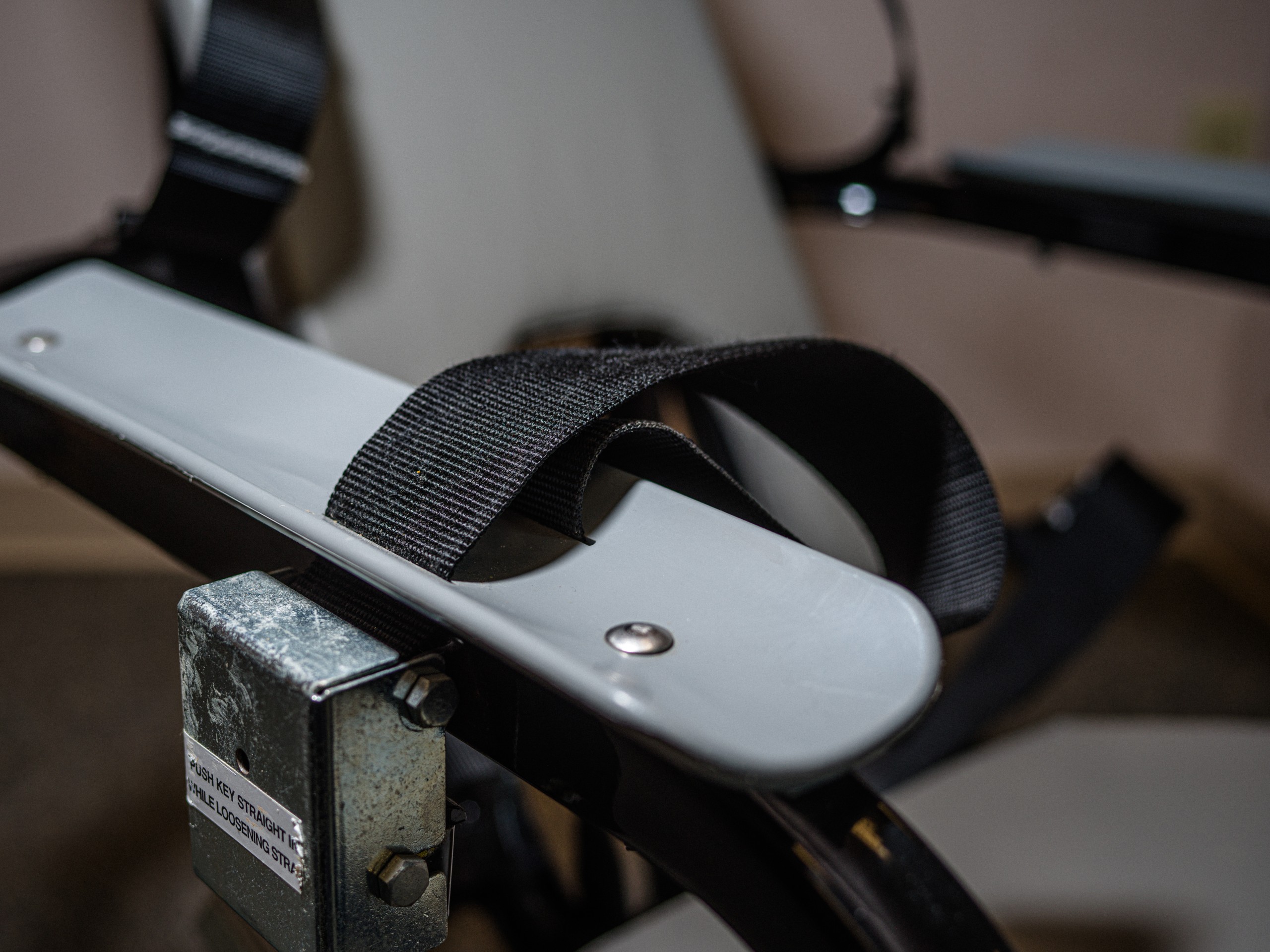
Peoria County Jail in Illinois has kept mentally ill charges in restraint chairs far past industry recommendations.
If you’re not subscribed to MindSite News Daily, click here to sign up.
Support our mission to report on the workings and failings of the
mental health system in America and create a sense of national urgency to transform it.
For more frequent updates, follow us on Facebook, Twitter and Instagram:

The name “MindSite News” is used with the express permission of Mindsight Institute, an educational organization offering online learning and in-person workshops in the field of mental health and wellbeing. MindSite News and Mindsight Institute are separate, unaffiliated entities that are aligned in making science accessible and promoting mental health globally.
Copyright © 2021 MindSite News, All rights reserved.
You are receiving this email because you signed up at our website. Thank you for reading MindSite News.
mindsitenews.org
The name “MindSite News” is used with the express permission of Mindsight Institute, an educational organization offering online learning and in-person workshops in the field of mental health and wellbeing. MindSite News and Mindsight Institute are separate, unaffiliated entities that are aligned in making science accessible and promoting mental health globally.


Author

Related Articles
The Lindsey Clancy Murder Trial
Women nationwide watch the Lindsay Clancy trial and see themselves in her story, plus an investigation into hospitals that fail patients with addiction.

Grief and Rehabilitation in a California Prison
This month: a DUI offender’s path to rehabilitation, Lindsay Clancy revisited, Illinois prison protests, a fatal cell fire, and Missouri’s competency crisis.
Meta Pays $17 Billion Settlement for Lawsuit Over Child Harm
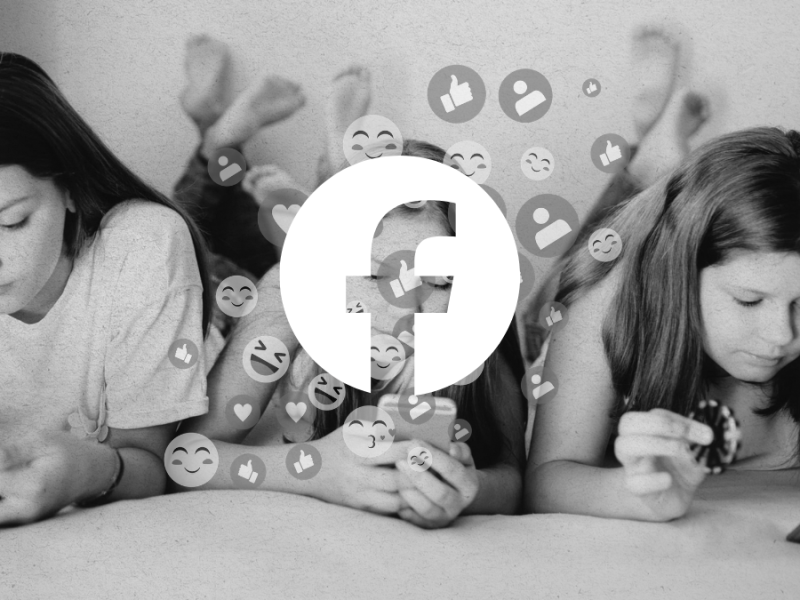
Meta will pay up to $17.1 billion and reshape how its platforms operate after 47 states argued that they are harmful and also addictive to children by design.