
When Making Amends Isn’t Enough
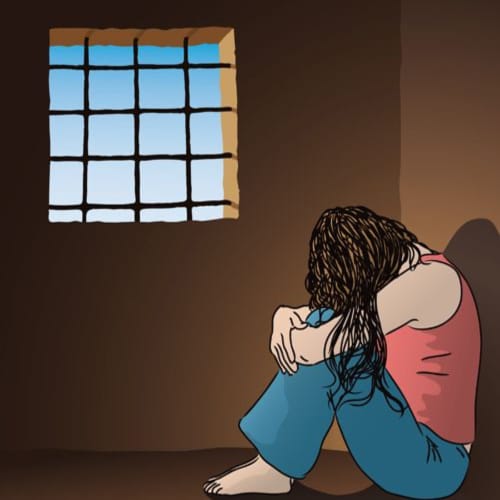
A Texas law is keeping two women who served their time and paid their dues from becoming social workers.


Wednesday, Nov. 20, 2024
By Courtney Wise
Greetings, MindSite News Readers. In today’s Daily, the state of Texas faces a lawsuit from two would-be social workers who were denied licenses because of a 2019 law prohibiting people with certain felony convictions from the field. And anxiety can actually help us – unless it gets out of hand.
Plus, new Medicare rules make it easier for medical providers to bill for treatment with digital apps. Kamala Harris’s defeat leaves some Black women feeling the need to stop and take care of themselves. And why you shouldn’t hold your breath.
Recent MindSite News Stories
Texas needs social workers, but a 2019 law is keeping two women with criminal records from getting licensed
Katherin Youniacutt sits at the center of a conundrum. After achieving sobriety from alcoholism more than a decade ago, she decided to help others who struggle with addiction find their way out. With the support of family, she returned to school, earned a master’s degree in social work, and passed the Texas licensing exam. She worked for a year in the Lubbock County Sheriff’s Office rehab program expecting to become a licensed social worker. Two years later, she’s still waiting.
In her way, the Texas Tribune reports, is a 2007 assault conviction. That year, at the peak of her addiction, Youniacutt pled guilty to assaulting an off-duty policeman, who said she injured him with her car at a gas station. She was sentenced to probation. The incident contributed to her decision to seek treatment and help others.
Well aware of her conviction, Youniacutt verified her eligibility in 2018 with the Texas State Board of Social Worker Examiners, which said her application would be fully reviewed. In 2022, she took the licensing exam and passed. But unbeknownst to her, the state passed a law in 2019 that now stands in her way. It reclassified social workers and psychologists as health care professionals and requires Texas licensing boards to deny licensure to applicants with convictions for certain felonies, including those involving the use or threat of force. Its passage left no options, said John Bielamowicz, presiding member of the Texas psychologists’ licensing board.
“The Council and its member boards have consistently employed every available tool to increase access to licensure,” Bielamowicz said. “We’ve broadened pathways into mental health fields, making it easier for qualified individuals to enter this essential profession.”
Just not Youniacutt. Today, Texas is in urgent need of mental health professionals. More than one-third of the state’s residents lack access to a licensed clinical social worker. Yet the 2019 law creates an insurmountable obstacle. It’s also ironic: A convicted felon can be president, but not a Texas social worker.
Last week, James Knight, an attorney with the Institute for Justice, filed suit on behalf of Youniacutt and Tammy Thompson, another would-be social worker with a prior conviction. “The Texas Constitution is on our side,” he said. “Rehabilitation is important, and if you pay your debt to society, you should be able to work. This lawsuit is to end the government’s ability to deny people the right to work.”

Anxiety has its place – until it gets out of hand
Anxiety is a necessary emotion we all experience, psychiatrist Christopher W.T. Miller wrote in a guest column in the Washington Post. It alerts our bodies to unpredictable or dangerous situations and prepares us to act in our own defense. When the dog approaching you on a nature walk looks more like a coyote, anxiety prompts you to head in the opposite – and safe – direction. It can also move you to take action in situations that require more of a long term commitment, like organizing to raise funds for a new teen hangout or to address climate change. When functioning this way, anxiety tells our brains to send messages through our bodies that encourage us to adapt our behaviors in environments that might otherwise cause us harm.
Sometimes, though, that system goes overboard. Anxiety disorders are characterized by such intense, persistent worry that it becomes difficult to function day-to-day. In addition to the mental distress, maladaptive anxiety brings along physical symptoms like rapid heart rate, headaches, insomnia, sweating, shaking and gastrointestinal distress. It also reduces the effectiveness of our brain networks that seek to respond to what is actually happening, rather than what anxiety is pushing us to believe might be happening.
“Someone with social anxiety might feel constantly judged by others,” Miller writes. “If people smile at me, I figure they’re mocking me in their heads. If they are whispering to someone else, I just know they’re talking about me and how ridiculous I am.”
Living with anxiety disorder, as many of us do, can be overwhelming. The worry is constant, exhausting. But there are things we can do to function better – even to be well. This includes being patient with ourselves. The truth is, Miller notes, the wiring that sparks anxiety within each of us is formed by our genes and our environments – even before we begin to record lasting, conscious memories. So if your anxiety is a problem, give yourself some credit for noticing it. That acknowledgement makes room for you to take positive action.
Many things are beyond our control, so practicing strategies that build resilience is key. One strategy I’ve implemented is daily deep-breathing exercises, as I build the muscle for regular meditation. Another that Miller suggests is the “stress inoculation hypothesis,” which I think of as similar to exposure therapy for people with phobias. It involves placing yourself in situations that induce mild stress to strengthen brain areas that neutralize intense emotional reactions. Therapy is also a good option, and some people with severe anxiety benefit from medication, even if only for a while.
Black women choose rest
Following the defeat of Kamala Harris in the presidential election, many Black women have declared it to be their time to step away from political concerns that can benefit us all and focus on our personal well-being. Harris’ loss “felt very, very personal,” Cheri Hall, a diversity, equity and inclusion consultant in Washington, D.C. told the New York Times. The rejection felt universal, like one affecting all Black women, rather than Harris alone, she said.
Stepping back signifies a shift in the leadership role Black women have historically played in politics, said Inger Burnett-Zeigler, a clinical psychologist and author of Nobody Knows the Trouble I’ve Seen: The Emotional Lives of Black Women. Having launched and helped lead the #MeToo and #BlackLivesMatter movements, and having worked in presidential campaigns for both Hillary Clinton and Joe Biden in recent years, she said the decision to prioritize self-preservation represents two important steps “in boundary setting and in recognizing what’s in your control.”
In other news…
How often do you find yourself unconsciously holding your breath? After deciding to regularly check in on my body’s response to shifts in my mind, I’ve noticed that I hold my breath all the time. It’s a habit I’m determined to break to achieve better overall wellness. Company CEOs have caught on too. Sean Clayton, CEO of Myosin Marketing, starts his team meetings with a deep-breathing exercise these days. “At first they thought it was really weird, like, ‘What are we doing?’” Clayton told the Associated Press. “There were a lot of cameras off and I’m sure a lot of people were like, ‘This is awkward.’” But after a couple of weeks, there was a shift (to) ‘this feels good,’” he said.
Earlier this month, Medicare finalized rules to cover certain mental health apps, STAT News reports. Beginning January 1, 2025, clinicians can bill Medicare for FDA-authorized apps targeting specific conditions, including depression and substance use disorder. Though the scope of coverage is limited, developers are pleased with the decision, as they believe that Medicare coverage will open a pathway to acceptance by the healthcare system at large. “Everything up until now was prologue, this is the beginning of digital therapeutics,” said Andy Molnar, CEO of the Digital Therapeutics Alliance, the leading advocacy group for developers. The next step for developers is to create the kind of infrastructure that doctors will need to connect patients to digital mental health treatments with ease.
If you or someone you know is in crisis or experiencing suicidal thoughts, call or text 988 to reach the 988 Suicide & Crisis Lifeline and connect in English or Spanish. If you’re a veteran press 1. If you’re deaf or hard of hearing dial 711, then 988. Services are free and available 24/7.
Two in Five High School Students Feel Hopeless. In Areas with Fewer Supports, It’s Even Tougher
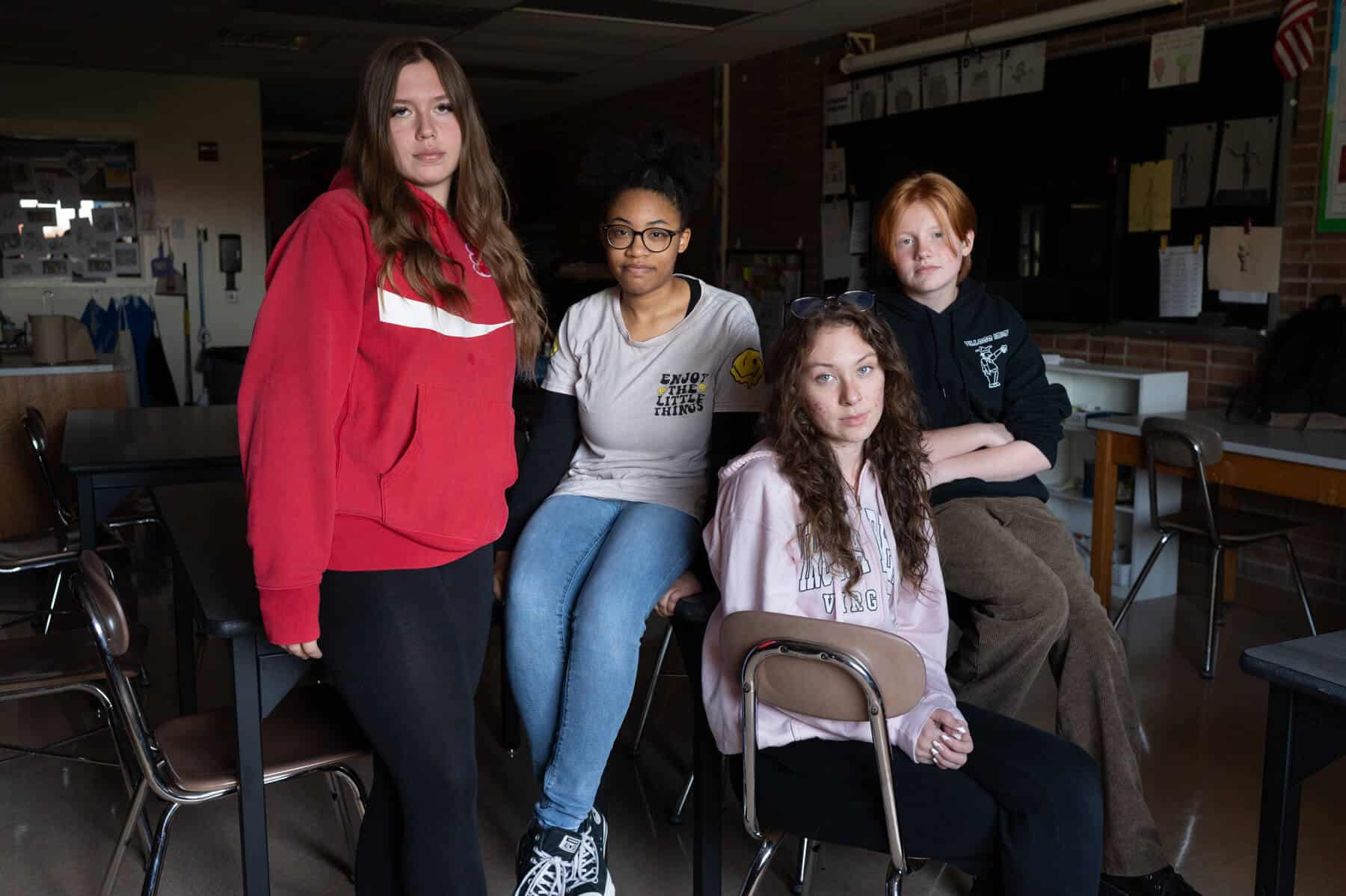
Many high school students are working passionately to support each other’s mental health. They may need to work extra hard if they live in a community that offers fewer services.
Mental Health Experts Continue Their “Duty to Warn” About Trump’s Mental Unfitness

Trump shows “unmistakable” signs of dementia and is unfit for office, according to a coalition of mental health experts.
‘The Fear Cut Through My Family’: Trump’s Return Sparks Anxiety Among Immigrants

In the weeks before the election, fear and anxiety began to mount. Now mental health advocates and allies are getting ready to confront a new reality.
If you’re not subscribed to MindSite News Daily, click here to sign up.
Support our mission to report on the workings and failings of the
mental health system in America and create a sense of national urgency to transform it.
For more frequent updates, follow us on Facebook, Twitter and Instagram:

The name “MindSite News” is used with the express permission of Mindsight Institute, an educational organization offering online learning and in-person workshops in the field of mental health and wellbeing. MindSite News and Mindsight Institute are separate, unaffiliated entities that are aligned in making science accessible and promoting mental health globally.
Copyright © 2021 MindSite News, All rights reserved.
You are receiving this email because you signed up at our website. Thank you for reading MindSite News.
mindsitenews.org
The name “MindSite News” is used with the express permission of Mindsight Institute, an educational organization offering online learning and in-person workshops in the field of mental health and wellbeing. MindSite News and Mindsight Institute are separate, unaffiliated entities that are aligned in making science accessible and promoting mental health globally.


Author

Related Articles

The Lindsey Clancy Murder Trial
Women nationwide watch the Lindsay Clancy trial and see themselves in her story, plus an investigation into hospitals that fail patients with addiction.

Grief and Rehabilitation in a California Prison
This month: a DUI offender’s path to rehabilitation, Lindsay Clancy revisited, Illinois prison protests, a fatal cell fire, and Missouri’s competency crisis.
Meta Pays $17 Billion Settlement for Lawsuit Over Child Harm
Meta will pay up to $17.1 billion and reshape how its platforms operate after 47 states argued that they are harmful and also addictive to children by design.