Cancer Survivors’ Overlooked Mental Health Toll
Greetings, MindSite News readers.
In today’s Daily, a look at the unique mental health challenges that cancer survivors face. A 108-year-old’s workout routine. One neurologist’s argument against cannabis use for sleep support.
Plus, the unexpected benefits of the placebo effect.
But first, meet Ms. Susan Young Browne, who recently celebrated her 108th birthday. Born in Delaware in 1918, she still works out three times a week and drives independently. Speaking to CBS News, Browne said the secret to a long life is to keep moving. “When I get up in the morning, I have an exercise routine that I’ve been doing for the last 20 years,” she said. “When I retired — and I walked around that classroom for 30 years — I (decided I) am not going to sit down.”
Surviving cancer is just half the battle. There’s a mental health toll rarely talked about.
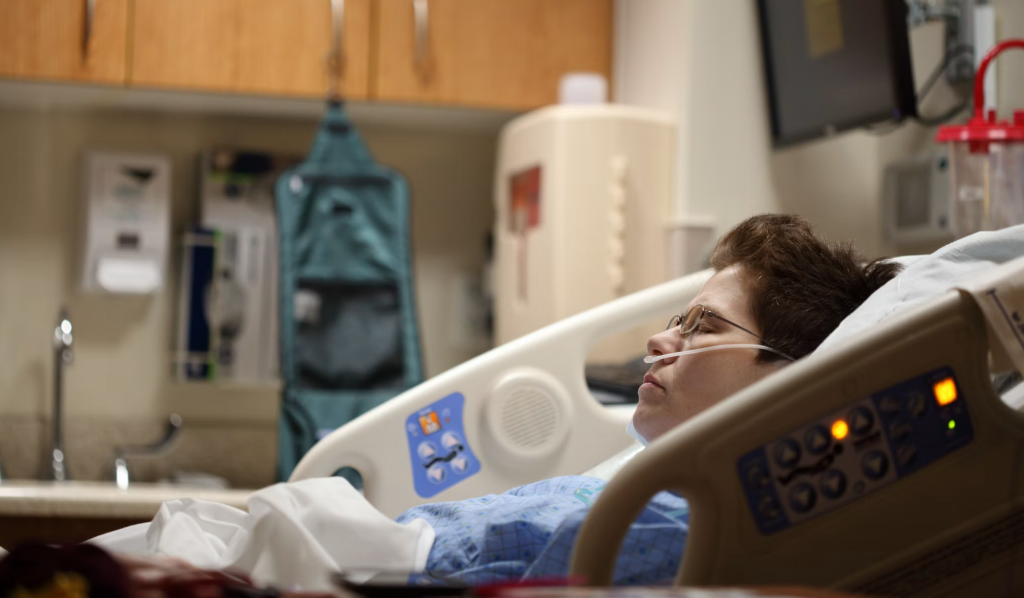
At 24 years old, Morgan Newman was amped about the direction of her life. The Iowa resident was advancing in her studies to become a social worker while juggling a role as a dental assistant in Des Moines, feeling very much like a budding pro at adulting. After all, she’d just moved into her first apartment and even maintained her own medical checkups. Good thing, too. A routine Pap smear at her annual gynecological exam led to a cervical cancer diagnosis, followed by six weeks of radiation and chemotherapy.
Six months later, checkup scans revealed suspicious nodules in her lungs, and more chemo followed. Though grateful to catch the illness early enough to anticipate a good physical prognosis, Newman’s mental health suffered along the journey, she told Iowa Public Radio. “My friends were getting married, they were having children, you know, progressing in their lives and their careers, and I just felt stuck,” she said.
Newman understood that therapy could help; she tried it before to treat anxiety and depression. But back then, she didn’t have cancer. This time, even when she had a little money to devote to therapy on top of her medical bills, she couldn’t find the time to meet between college, her full-time job, and her existing doctor’s appointments. Years would pass before she’d be able to go back.
Now, cancer-free a decade after her initial diagnosis, Newman says she felt like the disease inhabited her mind as much as her body, saying, “the fear of the unknown really takes over.” Every ache begs the questions: “What if the cancer is back?” She also grieved the infertility caused by her radiation treatment, a loss that sometimes felt heavier whenever she spent time with friends who had children of their own.
Largely invisible, Newman’s experience is common. Research shows many cancer survivors carry anxiety and depression for years after treatment ends, but struggle to get help. A Cancer Nation survey found that while a third of survivors reported lingering fear of recurrence and difficulty feeling like their “old self,” only 1 in 5 had seen a mental health professional.
Des Moines therapist Julie Larson treats many cancer survivors and said she notices that people don’t usually start therapy until months or a year after finishing treatment, once they realize they don’t feel the way they expected to. As she put it, survivors’ “bodies have changed,” and they’re left “reconciling loss and grief” in ways their friends and family often don’t grasp. Newman went through several therapists before finding Larson, looking for someone who actually understood what cancer treatment does to a person.
That gap in understanding extends to medicine itself. Oncologist Patricia Ganz, who has spent decades studying cancer survivors, says the field often neglects mental health altogether. Despite growing awareness of the need to screen cancer patients for psychological distress and connect them with mental health support, expert-recommended screenings and referrals don’t happen as often as they should. “We know how to give pills. We know how to give pain medicine, sleep medicines. But we’re not really schooled in the antidepressants,” she said.
Richard Deming, medical director of a cancer clinic in Des Moines, was even more candid: “You get cared for intensely when you’re getting treated for cancer,” but once completed, the patient experience abruptly shifts: “It’s almost like, ‘You should feel fortunate that you’re cancer-free and just get on with your life.’”
The quiet trap of using cannabis to sleep
Cannabis has quietly become a default sleep aid for millions in recent years. But as sleep and brain performance neurologist Joanna Fong-Isariyawongse warns in The Conversation, what feels like relief may actually be a slow-moving trap.
The challenge is that tetrahydrocannabinol, the psychoactive ingredient in cannabis, does help people fall asleep faster — but it becomes less effective with regular use, so people need more to get the same result. In addition, falling asleep faster isn’t synonymous with sleeping well. Research has found that cannabis doesn’t consistently improve total sleep time or the restfulness of that sleep. Chronic users spend more time awake during the night and get less restorative sleep than non-users, even when they believe they’re sleeping better.
The real difficulty surfaces when chronic users try to stop. Withdrawal can bring back insomnia and disturbing dreams, alongside anxiety, depressed mood, irritability or appetite loss that can persist for weeks — luring users right back to cannabis without addressing what caused their sleep problems in the first place.
Fong-Isariyawongse is especially concerned about two groups: teens and military veterans with post-traumatic stress disorder. Brains are still under construction until our mid-20s, she explains, and regular cannabis use can interfere with healthy brain development. A 2021 imaging study of nearly 800 teenagers linked cannabis use to dose-dependent thinning of the prefrontal cortex, the region of the brain that governs judgment, decision-making and impulse control.
Moreover, veterans with PTSD who experience sleep disturbances at rates of 70% to 90% often turn to cannabis as a stop-gap while facing months-long waitlists for professional care with a Veteran’s Affairs medical center. The trouble comes when care finally becomes available and some abruptly stop using cannabis, only to face withdrawal symptoms that closely mirror PTSD itself, including rebound insomnia, nightmares, worsening depression and in some cases suicidal thoughts. Mistaking withdrawal for relapse, many quickly return to cannabis and the cycle continues.
So what can people struggling with insomnia do instead? Fong-Isariyawongse’s primary recommendation is cognitive behavioral therapy for insomnia, or CBT-I. It’s research-backed and works by modifying sleep habits — resetting sleep-wake timing, lowering the body’s physical arousal and gently challenging anxious beliefs about sleeplessness. Veterans are often guided through image rehearsal therapy as part of CBT-I, rewriting the ending of a recurring nightmare and consciously replaying the new, peaceful version while awake. CBT-I is highly effective, more so than any sleep medication, including cannabis. But only trained providers can offer it, and with so few available many people who would benefit never get the opportunity.
In the meantime, experts say that a few smaller steps can help, including cutting back on screens before bed, getting checked for physical sleep disruptors like sleep apnea or GERD, building a calming wind-down ritual, reserving the bedroom for sleep or sex only, exercising in the late afternoon and skipping caffeine, alcohol and nicotine before bed.
In other news…
The placebo effect, explained: When in pain, we expect certain medicines to work because of what we know about how the body responds to the ingredients in them. But what about when there’s nothing in a pill but sugar — and it still takes the pain away? This isn’t imaginary, but rather the placebo effect at work, where expectation alone triggers real changes in brain chemistry, hormones, and even immune response. Expectations can influence the brain and body in measurable ways, psychologist Jameca Woody Cooper told USA Today.
This is exactly why placebos matter so much in research: they help scientists separate a treatment’s real effect from the power of belief alone, making placebo-controlled trials essential to proving a drug or therapy actually works. But that same power has a downside. People can mistake temporary relief for proof that an ineffective treatment truly works, leaving them vulnerable to “questionable products or practitioners,” Cooper warns. (There’s also a flip side, called the nocebo effect, where simply expecting a side effect can cause one to appear.) Cooper’s advice is to use this awareness strategically; lean into positive expectations to support treatments with solid evidence behind them, while staying skeptical of anything that lacks it.
The name “MindSite News” is used with the express permission of Mindsight Institute, an educational organization offering online learning and in-person workshops in the field of mental health and wellbeing. MindSite News and Mindsight Institute are separate, unaffiliated entities that are aligned in making science accessible and promoting mental health globally.

Author
Related Articles
Trump’s Student Loan Changes Cause Anxiety and Panic
Borrowers face rising payments under the Trump administration’s student loan changes. Plus: teaching emotional literacy to teen girls, and why the new CDC youth mental health report is facing criticism.
Rumors of Kids Quitting College En Masse Are Exaggerated
This week: what the data says about Gen Z students quitting college, and why postpartum mental illness is more than depression.
Why Is Georgia Blocking Recovery Homes for Substance Abuse?
Georgia towns are using zoning loopholes to shut recovery homes down, even as addiction and mental illness surge statewide.