
Seeking Mental Relief Through ‘Grandma Hobbies’

Greetings, MindSite News readers.
In today’s Daily, folk schools welcome students seeking stress relief and mental clarity through “grandma hobbies.” One psychiatrist wonders why our health system fails to prescribe one of the most effective, non-pharmaceutical treatments for depression. And a physician’s personal plea for our nation’s health insurers to prioritize treating people over corporate profits.
But first, New York Times reporter Choe Sang-Hun tells the story of one family’s perilous, improbable defection from North Korea’s crushing dictatorship to democracy in South Korea.
“Grandma hobbies” offer calm and community
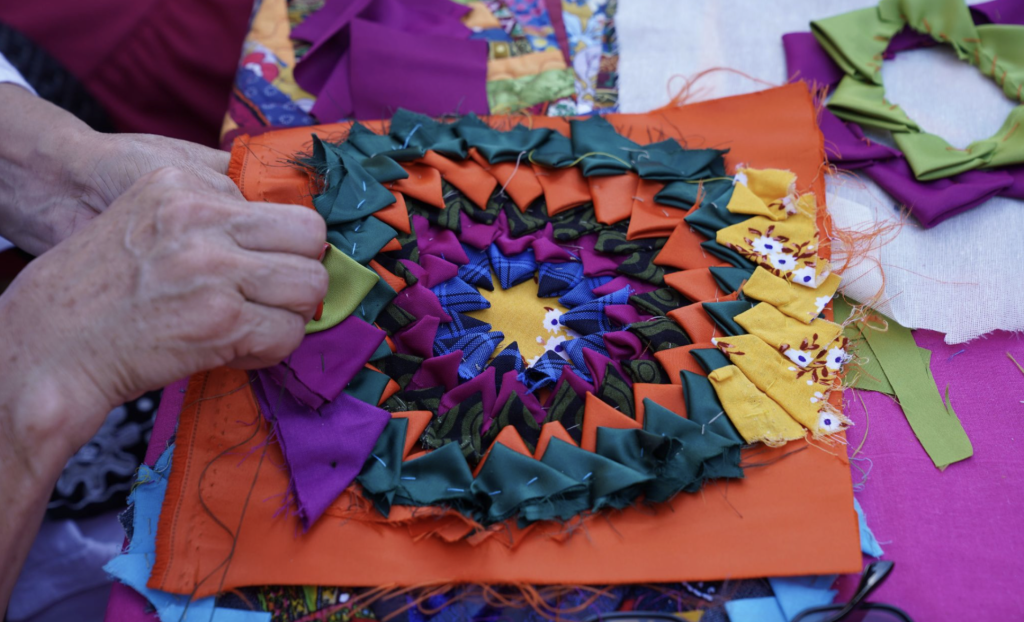
A few weeks ago, my colleague Amy and I were talking about her plans for her upcoming 50th birthday. Besides a trip with her two sisters, she was taking a week for herself, traveling solo to Maine and learning woodworking. She has an extremely demanding job, is still grieving her mother’s death after several years of caregiving and is actively supporting the care of her father, who lives with dementia. She needs a mental break, she said, and folk school is where she expects to find temporary relief from the stress that’s defined her life for the past 13 years.
Amy’s not alone in her thinking. Since the onset of the COVID-19 pandemic, folk schools have seen a resurgence of interest. Some, like the century-old John C. Campbell Folk School in North Carolina, now keep waiting lists for programs they once struggled to fill. The schools teach skilled crafts dating back hundreds of years: woodworking, bookbinding, quilting, beekeeping, basketry and, at the northern Michigan Green Door Folk School visited by the New York Times, chainsaw milling.
Analog pastimes give people “a little bit of self-empowerment back in a world that can often feel overwhelming,” said Susan Luckman, professor of culture and creative industries at Adelaide University in Australia. “At a very basic level, I think people are looking for something to do recreationally that doesn’t involve a screen.”
Similarly, “grandma hobbies reconnect us to ourselves,” said Cal Newport, a Georgetown computer science researcher who studies technology and focus. The tasks are intentionally hard, requiring time and concentration — something we don’t afford ourselves often enough these days. That difficulty is the best part. When a task demands our full attention, said Anne Kirketerp, a Danish psychologist and folk school instructor who wrote a book titled Craft Psychology, the brain’s default mode network quiets down, silencing the mind’s constant inner noise and susceptibility toward negative rumination. She calls the experience meaningful self-forgetfulness. “That is what we need desperately,” she said.
Initially frustrated by the difficulty of quilting, Times reporter Kate Brennan eventually stopped fighting for perfection. “The next day, when my squares didn’t align and my stitches wandered, I decided to let them be,” she wrote. “The repetition — needle in, thread through, pull tight — took over, and something else began to quiet: background worries.”
Exercise works for depression. Almost nobody prescribes it.
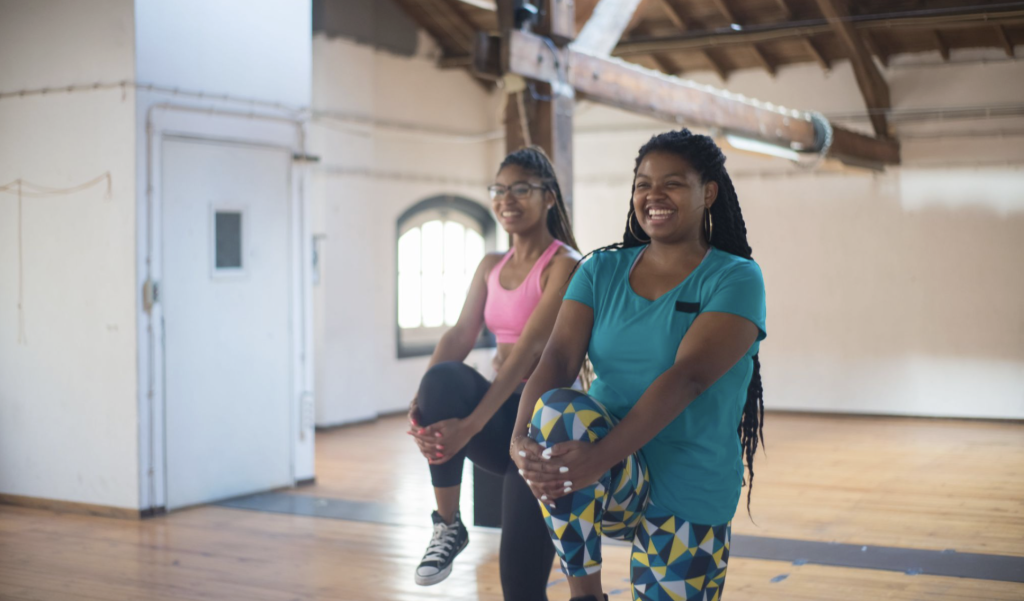
When psychiatrist Dr. Nicholas Fabiano fractured his humerus bone in an arm-wrestling match and briefly stopped exercising, his mental health quickly deteriorated. His regular exercise habit had helped him manage his mental health his entire life, and now, with that option no longer available, he realized that medication and therapy were the most popular tools left for healing.
Depression is among the most common mental disorders worldwide, frequently co-occurring with obesity, diabetes and heart disease. Yet standard care — medication, therapy or both — leaves 30 to 50% of patients without meaningful improvement and does nothing for the physical burdens. Knowing how effective consistent movement can be in relieving the symptoms of conditions like depression and anxiety, why isn’t exercise regularly prescribed as a treatment? Writing for Big Think, Dr. Fabiano turns that personal experience into a bigger question — why isn’t exercise treated like real medicine?
The evidence is clear. Hundreds of trials show exercise reduces depressive symptoms, roughly on par with medication or therapy in mild to moderate cases, and is likely additive when used in combination with them. Moreover, for those without the condition, exercising just half the recommended amount for maintaining sound physical health is linked to an 18% lower risk of depression.
That’s because exercise boosts brain neuroplasticity by raising brain-derived neurotrophic factor) levels, sparking new neuron growth, reducing chronic inflammation, promoting a better-regulated stress response and providing the plain psychological lift of self-efficacy, a belief in one’s capacity to achieve one’s goals. Altogether, these shifts make depression harder to develop and less likely to persist.
The thing is, treatment guidelines already name exercise as a first-line option for mild depression, but it just doesn’t make it into the therapy room. A recent survey found that 92% of mental health professionals received no training in how to recommend exercise, and 41% said they never recommend it at all. When it does come up, Fabiano notes, it tends to arrive as “just go work out” — a prescription with no drug, no dose and no duration.
But simply telling patients that exercise works isn’t enough, Fabiano says. Clinicians need training that starts in medical school and continues through residency, along with practical guidance on how to actually prescribe exercise. They also need direct referral pathways to qualified exercise professionals and insurance coverage that makes supervised programs and gym memberships accessible and easy to integrate into care as medication. No further research is needed. What’s left is treating exercise like the medical intervention it already is.
The name “MindSite News” is used with the express permission of Mindsight Institute, an educational organization offering online learning and in-person workshops in the field of mental health and wellbeing. MindSite News and Mindsight Institute are separate, unaffiliated entities that are aligned in making science accessible and promoting mental health globally.

Author

Related Articles
Exclusive: A Maternal Policy Expert Weighs in on Lindsay Clancy Mistrial
Policy expert Joy Burkhard discusses maternal mental health policy, postpartum psychosis misunderstandings, and new CA mental health parity laws.

$1 Million to Help Heal Minnesota’s Cascade of Trauma
In today’s newsletter, NAMI Minnesota has launched a new grant-giving initiative to help agencies doing crucial work to support mental health.

Chicago Launches its First Psychiatric Street Team
Meet Chicago’s first Street Psychiatrist, a student of the street medicine pioneer Jim Withers. Plus, a look at the American Penal Press Contest.