
Helping Trick-Or-Treaters With Autism Feel Welcome
This year, make Halloween more inclusive for autistic children with these six tips for welcoming neurodivergent trick-or-treaters.

Greetings, MindSite News readers.
It’s that time of the year: Little ghosts and ghouls are getting ready for Halloween. In the spirit of that holiday, here are some tips to make trick-or-treaters with autism feel welcome. In other news, a new study suggests that treating depression during pregnancy with a short course of talk therapy may positively shape the development of a baby’s brain before birth. A college that required all of its fraternities to accept women saw a large drop in reports of sexual assault. And one for parents: if you often wake up feeling tired and out of sorts after drinking the night before, here’s the science on why a month-long pause on alcohol consumption may improve your mood and overall health.

6 Tips for Welcoming Trick-or-Treaters With Autism This Halloween
A guest essay from Easterseals Northern California
If you’re planning to hand out candy this Halloween, there’s a good chance you’ll meet at least one trick-or-treater with autism.
According to the Centers for Disease Control and Prevention, 1 in 31 children nationwide have been identified as having autism. In California, the rate is even higher, at 1 in 22 4-year-olds. Autism’s growing prevalence is all the more reason to make community traditions like Halloween welcoming and inclusive for everyone.
For children with autism, Halloween can be a great opportunity to engage with their local communities and share in the excitement of trick-or-treating. However, sensory sensitivities and communication differences can sometimes make the experience challenging and stressful for them. By making a few simple accommodations, you can help every trick-or-treater who comes to your door feel included in the Halloween fun.
Here are six tips from Easterseals Northern California, a nonprofit that helps people with autism and intellectual disabilities, to help you get started:
1. Know what a blue pumpkin means: Some trick-or-treaters may carry a blue pumpkin or bucket to indicate that they have autism. You might also see a blue-painted pumpkin displayed on someone’s entryway. That often signals autism awareness or that the home is a sensory-friendly space.
2. Be patient and flexible: Making eye contact and saying “trick-or-treat” or “thank you” may not come naturally to some children with autism. Others may need a little extra time to respond. With a bit of patience and understanding, you can help every child have a positive Halloween experience.
3. Offer different types of treats: Since not all children can enjoy Halloween candy due to food allergies or sensory sensitivities, consider offering non-food options. Popular alternatives include small fidget toys, squishies and stickers.
4. Create a calm environment: While Halloween decorations can be exciting, loud noises, bright strobe lights and scary displays may be overwhelming to some children with autism. Turning down the music, softening harsh lighting and skipping sudden scares can prevent sensory overload and make it easier for every child to join in the fun.
5. Keep walkways clear and accessible: Some trick-or-treaters may use wheelchairs, walkers or crutches, so keeping pathways clear, well-lit and free of obstacles will help ensure that they can reach your door safely.
6. Include everyone: Halloween is a celebration meant to be enjoyed by people of all ages. Teens and adults with autism, Down syndrome or other disabilities often look forward to dressing up and participating in trick-or-treating just as much as younger children. A friendly greeting and a treat can help make the night special for them, too.
These are only a few ideas to show how small acts of kindness can make a big difference on Halloween night. By creating a welcoming environment for trick-or-treaters of all abilities, you can help ensure everyone feels included and has the opportunity to build happy memories alongside friends, families and neighbors.
Therapy for Mom May Give Baby a Solid Emotional Head Start
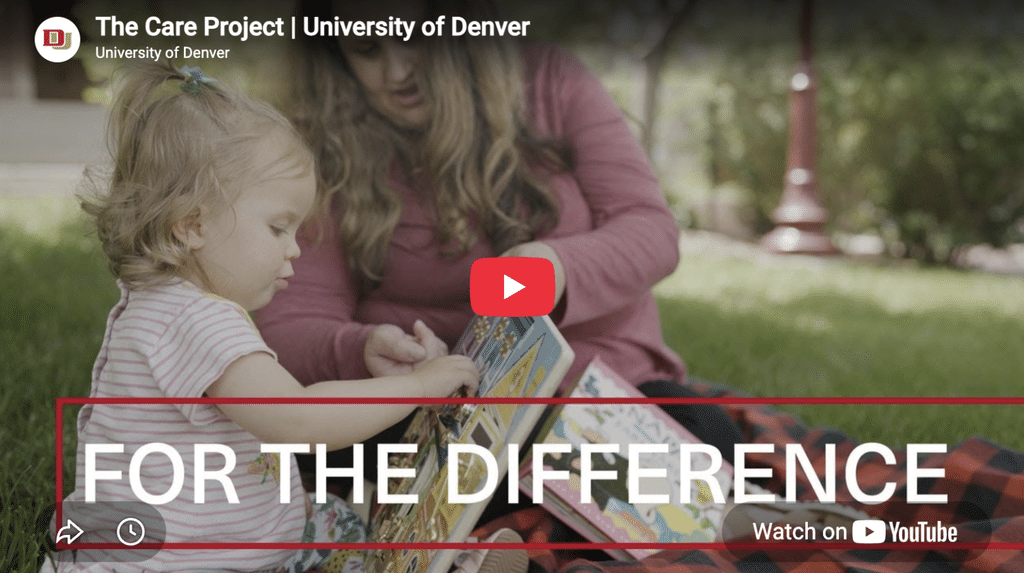
Treating depression during pregnancy may benefit both mother and baby, according to a new study discussed in The Conversation. Researchers found that a brief course of talk therapy appears to shape how a baby’s brain develops before birth — the first evidence, they say, that easing a mother’s prenatal depression can have a positive impact on her developing infant’s brain, too.
The team enrolled 234 pregnant women who reported depression symptoms at routine prenatal visits. One group received MOMCare, a brief interpersonal therapy specially created for prenatal depression delivered in eight 50-minute sessions focused on strengthening relationships, defusing conflict and building support networks. The other group received mental health education, coping strategies and referrals to community services. Both groups maintained their regular health care. MOMCare’s therapy worked: depression diagnoses among participants fell from 36% to 6%, and those mothers were more likely to carry their babies to term.
Brain scans taken within weeks of birth revealed a difference: babies whose mothers had gone through MOMCare had a hippocampus — the region tied to learning, memory and emotional regulation — about 5% smaller. Six months later, researchers introduced the babies to a noisy, unpredictable dancing robot, and those with smaller hippocampal volume reacted less negatively, a response that earlier research links to lower anxiety and depression in adolescence. That may sound backward, since smaller brain volume in adults often signals trouble. But in infancy, the authors note, faster growth isn’t always better – one hypothesis holds that stress can accelerate early brain development.
Up to 1 in 5 women experience depression during pregnancy, which raises the risk of preterm birth, high blood pressure and later mental illness in their children. Because pregnant women see health providers so often, the authors say that treatment during pregnancy “benefits two generations” at once. Open questions remain, including how a mother’s mood reaches the baby’s brain (stress hormones and inflammation are suspects) and what these changes mean long term. Still, the results make a strong case that a low-cost, noninvasive and specialized mental health therapy deserves a wider role in prenatal care.
In other news…
Fraternities can stay, but the boys’ club has to go, says Wesleyan President Michael Roth. In an excellent op-ed in the New York Times, he proposes that colleges require that fraternities be co-ed. Roth himself belonged to one such fraternity at Wesleyan in the 1970s, and he made lifelong friends there. He notes that a few years after he became Wesleyan’s president, he quickly realized that “a disproportionate share” of disciplinary infractions at the school were tied to parties at the all-male fraternities, “ as well as student reports of harrowing sexual assault on the premises.
After a survey found that half of the university’s undergrads reported feeling “less safe” in fraternities than other social spaces, in 2014 the student government called on residential Greek societies to become co-ed or shut down. Faculty members agreed, Roth writes, although the resolution met with strong resistance from alumni and some students. After weighing all the options, Roth decided that fraternities could stay – but only if they were co-ed. He also helped create a “bystander intervention” culture – one in which students were trained to intervene if someone was in harm’s way. Although he got a lot of criticism and blowback for his decision, Roth prevailed – and reports with satisfaction that today, Wesleyan is safer, more equitable “and the incidence of reported sexual violence is way down.” – Diana Hembree
If you stop drinking for a month, it can have some immediate benefits. A recent piece in the Washington Post outlines what will happen to your body during that time: Among other things, you’ll sleep better – it may take you a little longer to go to sleep, but you’ll wake up fewer times at night and feel more alert and rested the next day. You’ll also benefit from improved liver function, especially if you are in the danger zone by regularly having more than two drinks a day. In fact, fatty liver disease can often reverse completely if you stop drinking. And since drinking increases blood pressure over the long-term, not drinking can help regulate blood pressure. Finally, an alcohol-free month may leave you with more energy and a better mood.. –Diana Hembree
The name “MindSite News” is used with the express permission of Mindsight Institute, an educational organization offering online learning and in-person workshops in the field of mental health and wellbeing. MindSite News and Mindsight Institute are separate, unaffiliated entities that are aligned in making science accessible and promoting mental health globally.


Author

Related Articles

The ‘Free’ Drug Rehab that Stranded Oklahomans in California
California drug rehab recruiters allegedly lured Oklahomans into treatment, with some patients left without adequate care or a way home.
The Trauma Surgeon Who Aims to Heal Gun Violence
Dr. Selwyn Rogers explores the gun violence epidemic as a public health crisis, plus Phoenix’s street medicine restrictions and Tennessee’s youth prisons.
Parents Rethink How to Raise Boys Who Will Stand Up for Women
Parents can raise boys to respect consent, challenge peer pressure, and stand up against sexual assault and harmful masculinity.