
ADHD can make friendships harder for kids. Here’s how parents can help.
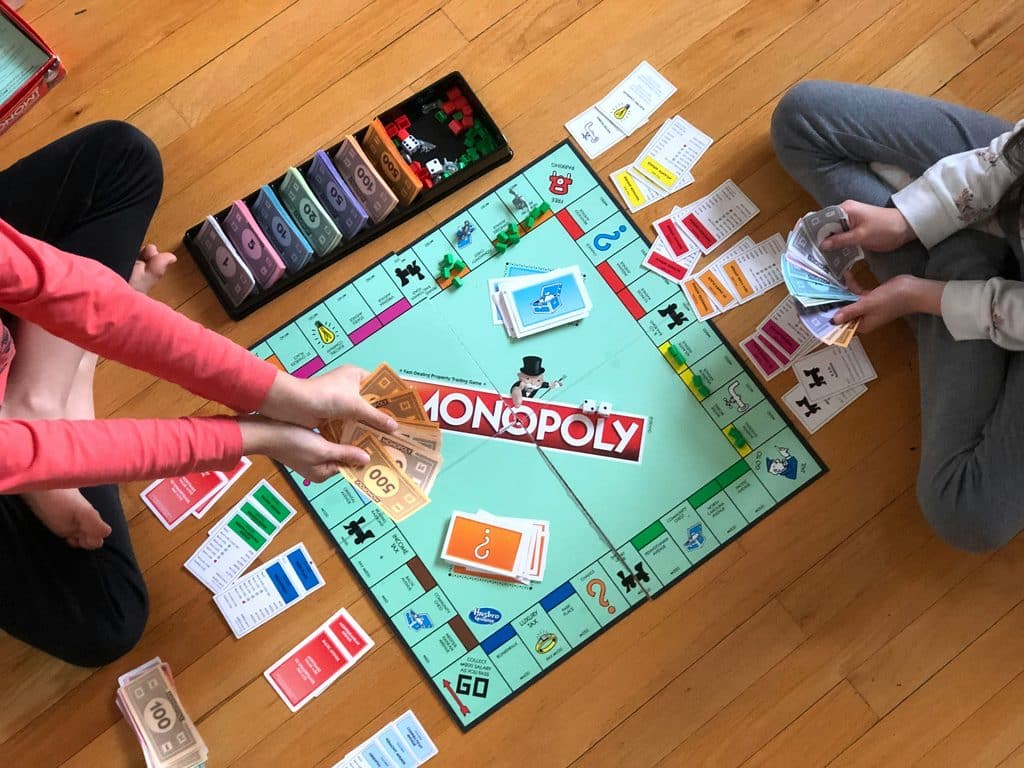
For many kids, losing a board game stings for a minute. But for a child with ADHD, the situation can spiral into a meltdown. Moments like these add up, along with other outbursts or mishaps triggered by impulsivity, inattention and intense emotions — the hallmark traits of ADHD — and can make it harder for kids with the condition to build friendships.
Impulsivity can prompt children to interrupt or barge into a game, which “can sometimes be interpreted as being rude, bossy, or controlling, when that is not the child’s intention at all,” psychiatrist Dr. Mukesh Kripalani told HuffPost UK. Others, who struggle with attention, drift off mid-conversation or miss social cues indicating that a friend is bored.
The good news is that friendship skills can be taught, much like reading or tying a shoe. “The aim is not to make a child change who they are, but to give them the language and tools to understand social situations and communicate what they need,” said educational and child psychologist Sasha Hall.
Practice helps. Parents can role-play simple openers like “Can I play too?,” and rehearse phrases for which a child can reach when frustration builds, such as “I need some space” or “Can we stop for a minute?”
Learning to recognize emotions can become a game, too, through emotion cards, making faces in a mirror or pausing a TV show to ask how a character feels. When things go wrong, Kripalani suggests waiting until a child is calm, then gently asking, “How do you think your friend felt?” as a short social debrief.
While still learning, setting matters as much as skills. Kripalani suggests keeping early playdates to about an hour, with one friend and a planned activity like Lego or baking, since open-ended group play can be overwhelming. Well-timed snack breaks can also defuse any rising tension. Before parties or outings, parents can walk kids through what to expect, set a goal or two and agree on a discreet signal or phrase the child can use when the situation is becoming too stressful.
Mistakes will still happen, so kids need to know how to make things right. “For children who are impulsive, learning how to repair a situation can be just as valuable as learning how to prevent the difficulty in the first place,” Hall said.
At the same time, parents should also develop their own habit of catching their kids succeeding. Children with ADHD hear plenty of criticism, Kripalani said, and they tend to take the negative input to heart. So a well-placed “I noticed your kindness” or “I saw you patiently allow your friend to choose the game” can go a long way. “Praising the process and the social skills the child is developing can help build confidence and reduce the sense that they are always getting things wrong,” he said.
The name “MindSite News” is used with the express permission of Mindsight Institute, an educational organization offering online learning and in-person workshops in the field of mental health and wellbeing. MindSite News and Mindsight Institute are separate, unaffiliated entities that are aligned in making science accessible and promoting mental health globally.


Author

Related Articles


Future Friends, a Concert Series to Reduce Loneliness and Increase Belonging
The Future Friends concert series pairs live music, phone-free social events, and mental health resources to fight loneliness on college campuses.

California Orders Sacramento County to Work With Five Cities to Reduce Homelessness
New legislation requires Sacramento County homelessness efforts to be coordinated among five cities to bridge funding gaps and shelter needs.