How AI Is Erasing Our Core Relationships
Researchers warn that AI chatbots may contribute to loneliness and social isolation by replacing human relationships, calling for better oversight and research.
Greetings, MindSite News readers.
In today’s Daily, researchers argue that AI chatbots are pulling people away from their most important relationships with other humans. And as we turn our clocks back this weekend for daylight savings, it’s worth remembering that our bodies keep their own time. New research suggests that a disrupted internal clock may contribute to depression in some people — and understanding those clocks could someday shape treatment.
Plus, Spanish-speaking doulas in Connecticut are helping Latina moms-to-be experience healthier journeys in pregnancy, birth and postpartum. And, one wellness expert encourages people to do a special “just say no” retreat to limit overwhelm and find more space for yourself.
The less visible AI harm that no one is measuring
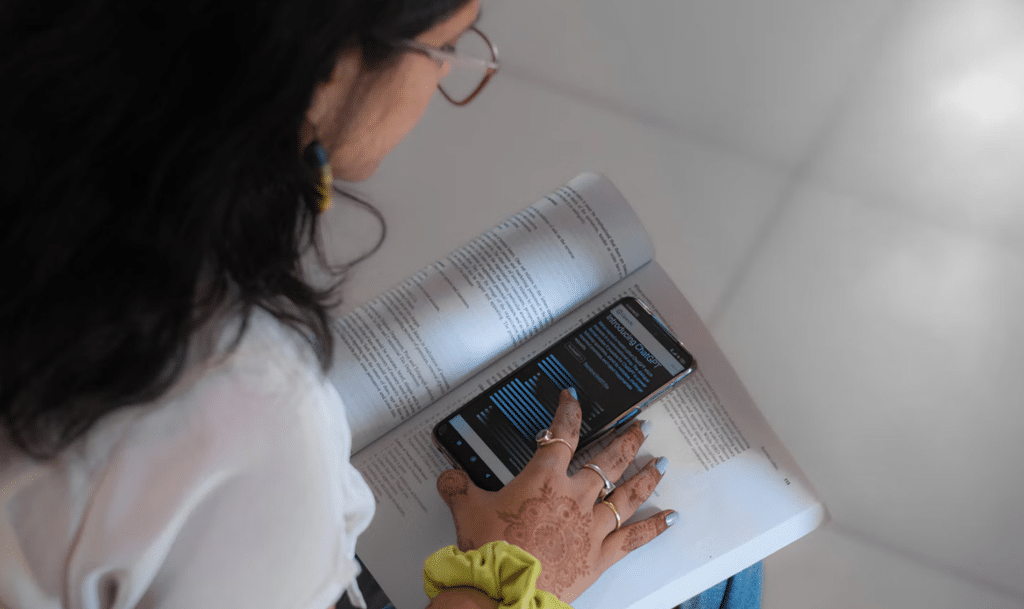
AI chatbots may be quietly pulling people away from the human relationships that keep them well and almost no one is measuring this dangerous shift, three Cornell researchers specializing in different fields argue in an op-ed for STAT.
The alarming finding comes from Qian Yang, who directs the university’s DesignAI group; Ned Cooper, a postdoctoral researcher in the DesignAI group; and Ibrahim Emara, a public policy graduate student. They note that existing safeguards target acute crises like psychosis and suicide — including OpenAI’s new tracking of user distress across sessions, parental controls, break reminders, crisis referrals — and that laws in a dozen states requiring companion chatbots to disclose that they aren’t human. But, important as they are, they aren’t enough on their own. The creeping, less visible risk is that people could gradually, without noticing it, swap out their friends and family for AI bots.
“A chatbot could be safe in every single conversation with a user and still, across months of use, displace the human relationships that keep people healthy,” the authors write. Early research suggests that emotional support use is concentrated among a subset of heavy users, and tied to less socializing and more loneliness, though that finding is still preliminary and debated.
The harm can also be hard to spot. Someone pulling away from loved ones may show few signs of distress and may even find each chat with the AI helpful, masking the underlying problem. Right now, researchers have neither a universal way to measure such withdrawal nor access to the data they need.
The authors stop short of accusing AI companies of bad faith in instituting safeguards, but the history that they cite is pointed. Tobacco companies leaned on warning labels to dodge liability for decades. Meta has cited its “Take a Break” and parental supervision tools before Congress even while denying a causal link between social media and harms to teen mental health. Per-chat reminders that users are “not talking to a human” could someday help AI companies avoid responsibility, the authors warn.
But tobacco’s story also offers a road map. What finally made its harms actionable was states showing what those products were costing their Medicaid budgets. No such accounting exists for AI, as of now. Companies hold their usage data close and public systems know what isolation costs them, yet “there is scant connection between the two” due to a lack of research, the authors write.
To build the bridge between cause and effect, the authors call for a three-step change. Researchers should develop tools that separate chatbot use from other causes of isolation. Public agencies should tally what loneliness already costs them in everything from school counselor time to primary care visits. And state lawmakers should use pending companion chatbot bills to open company data to independent evaluators. None of these shifts require first proving that chatbots cause isolation, they argue. The debate over social media and teen mental health has dragged on for more than a decade without consensus, partly because no one was measuring its effects. The goal is to avoid repeating those mistakes, and to start measuring now, “while the answer can still make a difference.”
Training Spanish-speaking doulas on how to boost maternal mental health
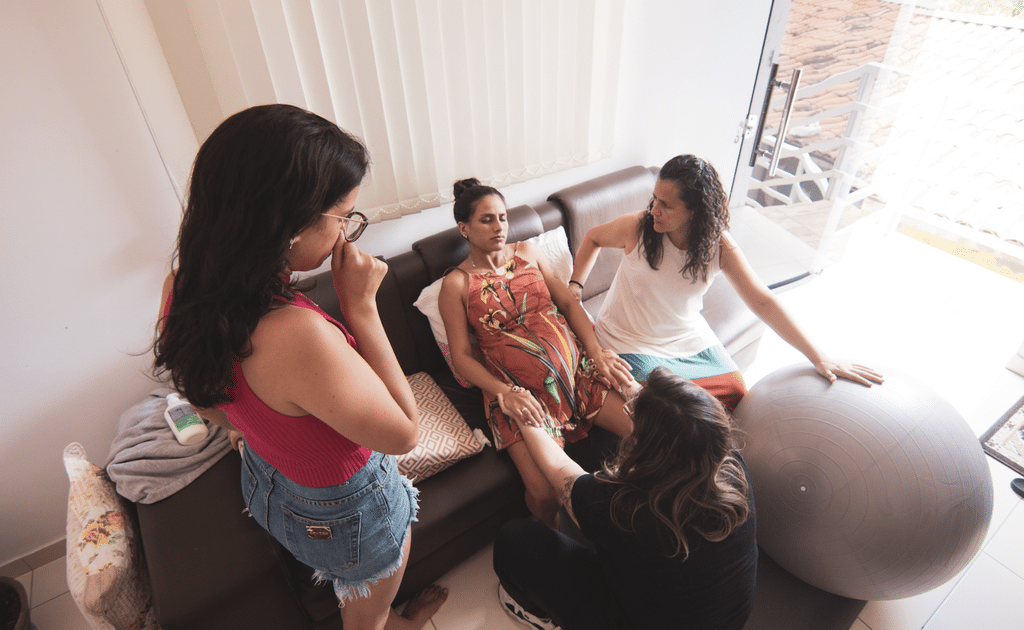
In Hartford, Connecticut, the Hispanic Health Council is training Spanish-speaking women to become doulas, filling a critical health gap for Latina mothers throughout pregnancy, birth and postpartum, Connecticut Public reports.
Up to 40% of Latina and Hispanic women giving birth in the U.S. will experience a maternal mental health disorder, according to the Policy Center for Maternal Mental Health, and political factors like fear of immigration policy and the legal system can keep them from seeking the care they need. In addition, a KFF survey found that about one in 10 Latino adults in the U.S. who received healthcare in the past three years “reported being treated unfairly or with disrespect by a healthcare provider because of their racial or ethnic background.”
Language often adds another barrier. Spanish-speaking moms report less timely prenatal care, and in one Midwest health system, they were screened for prenatal depression less often. “Sometimes when other people act as our translators, they translate what they believe we are saying,” said doula trainee Diana Luna. “But it’s not really what we feel.”
The program has served nearly 90 families. Twelve of the state’s 89 licensed doulas trained with the council, which now has a waitlist. Doulas can also refer clients to the council’s bilingual mental health clinic.
Doulas are also receiving good feedback from their clients. Wuinifer Matos, who developed severe postpartum anxiety after giving birth in May, said that her doula, Annette Cruz, talked about it with her without judgment and encouraged her to talk with her doctor. “She listened to me, validated my emotions, and reminded me that I was not alone,” Matos said.
Research on “circadian depression” may lead to tailored treatment for sufferers
Your own body clock may contribute to depression, according to a new study out of the University of Sydney in Australia. Researchers examined 11,380 people with mostly severe or recurring depression and found that nearly one in four met the criteria for a proposed subtype of the ailment called “circadian depression,” The Conversation reports. To qualify, participants had to show at least three of six signs: seasonal shifts in mood or energy, being a night owl, oversleeping during depressive episodes, feeling worn out in the morning, routinely sleeping and waking late and keeping a different sleep schedule on workdays than on days off.
People in the circadian depression group reported less relief and more side effects from common antidepressants, including both SSRIs and SNRIs, though some still benefited. They also carried genetic markers linked to inflammation and blood-sugar regulation. Depression often looks different from person to person, and finding an effective treatment can involve a lot of trial and error. Up to 68% of people see no improvement on standard antidepressants, and study co-author Emiliana Tonini, a postdoctoral researcher at the University of Sydney’s Brain and Mind Centre, told Nature that she hopes further research will help clinicians choose treatments that are more likely to work.
Still, the findings are preliminary and the study has some limitations. Participants self-reported their symptoms and medication experiences, the circadian group was more severely depressed overall and everyone in the study was of European ancestry. Researchers also didn’t track anyone’s body clock, so they can’t say that disrupted rhythms cause depression, or derive any finer-grained insights.
Experts say that the next step is to measure internal clocks directly, using wrist-worn activity trackers and saliva tests that show when melatonin rises at night, and then test whether tailoring treatment to those results helps people recover sooner. If it does, treating depression could someday mean paying attention to when someone sleeps, not just which pill they take.
In other news…
Giving yourself the gift of no: If you’re dreading the holidays for what they’ll lump onto your already overloaded to-do list, you might need a “say no” retreat, says author and wellness expert Caroline Sylge in “How to Retreat: A Guide to Stepping Away from the Everyday to Find Space for Yourself.” She suggests setting aside a day to list everything you’d like to turn down in the coming weeks and months — then spending the end of that day actually saying no to a few of those things. “We often say yes for reasons that have nothing to do with what’s good for us, because we feel like we should, don’t want to seem difficult, or fear missing out,” she told NPR. “Saying ‘no’ is uncomfortable, but is a brave act of self-respect.”
The name “MindSite News” is used with the express permission of Mindsight Institute, an educational organization offering online learning and in-person workshops in the field of mental health and wellbeing. MindSite News and Mindsight Institute are separate, unaffiliated entities that are aligned in making science accessible and promoting mental health globally.


Author

Related Articles
Medicaid Changes Under Trump Undermine Care for Pregnant Women, New Moms
A pregnancy exemption has gaps, researchers warn. Plus: high-functioning depression, “depression’s silent sister.”
Voters Reject Trump Administration’s Policies, Including Its Health Agenda
Election results put Medicaid cuts, Affordable Care Act subsidies and access to mental health care at the center of the healthcare debate.
Who’s Paying for California’s Crisis Care?
California counties say insurers are failing to cover mobile mental health crisis teams, leaving taxpayers with millions in unpaid bills.
