
Will Dems’ Big Victory Lead to Healthcare Policy Changes?
Democratic midterm victories could help reverse Medicaid cuts, reshape health care policy at the state and federal levels.
Greetings MindSite readers,
Today, we unpack the potential implications of Democrats’ midterm victories for healthcare and how loving football requires ignoring the physical and mental toll it takes on players. We also explore California Gov. Gavin Newsom’s death row commutations, and Big Tech’s lawsuit over that state’s social media law for teens. And finally, misinformation about autism risk factors.
But first, yesterday we published a beautifully reported story on how psychologists are working to ease the intense trauma of Ukrainian soldiers and civilians who have been tortured in Russian prisons. Many Ukrainian refugees have also migrated to Chicago, home to a large Ukrainian community. One Chicago-based psychologist who has worked in both countries has seen how efforts that are embraced and supported by the government in Ukraine are being undermined here – as the Trump administration cuts health care and pursues a hard-line immigration policy.
Blue wave could lead to health policy changes
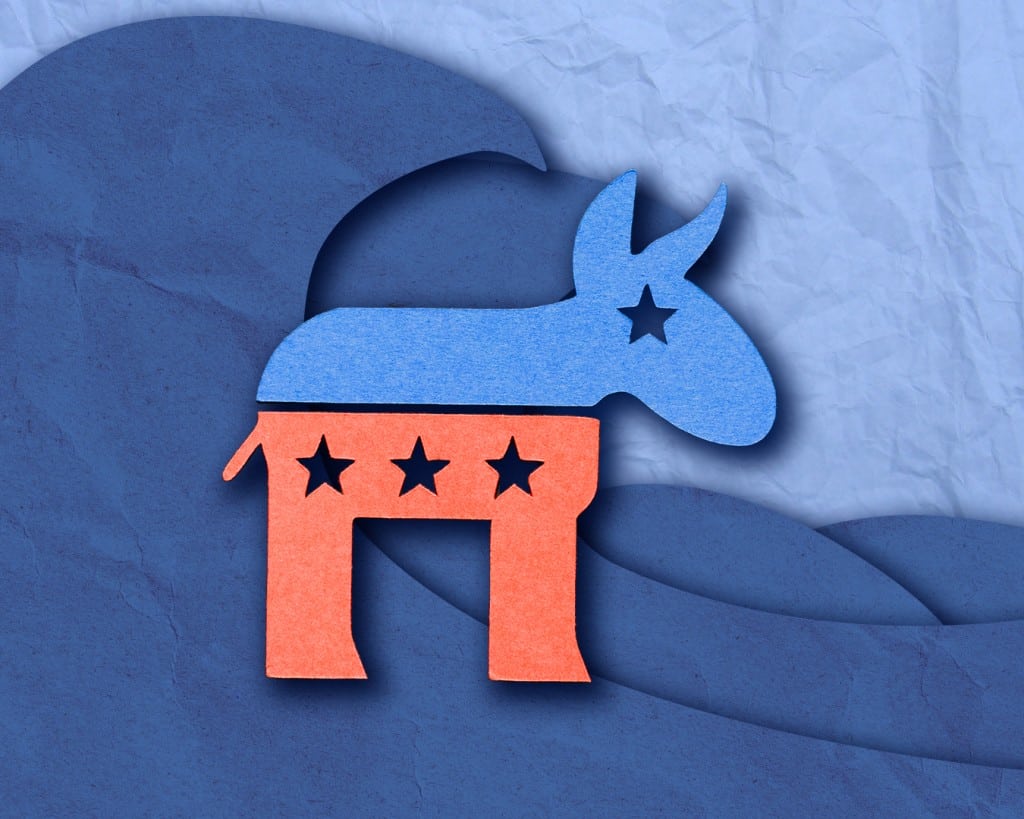
Democrats’ stunning midterm victories give them the chance to make major changes in health care policy. Health care was a major concern for voters, with 85% saying they are concerned about healthcare costs and 58% saying Trump administration policies have worsened Americans’ health and well-being, according to exit polls. (Those exits polls also showed that most Americans think Trump lacks the mental capacity to lead effectively, as we reported yesterday.)
The big blue win could give them more leverage to reverse Medicaid cuts, restore Obamacare subsidies, and reexamine the Trump administration’s health policies, according to a Tradeoffs interview with Katie Keith, director of the Center for Health Policy and Law at Georgetown Law.
Next year, Democrats will control both chambers of Congress and can challenge the President’s health care agenda during his last two years in office. Wins at the state level could also affect how states handle Medicaid and might restart the debate about expanding coverage.
“The way I think about the healthcare debate is in the context of overall affordability. And this was an election hugely focused on people’s economic struggles,” said Keith, who served as a deputy assistant to President Joe Biden. The election of several doctors, researchers and public health advocates to state and federal offices could also shape health policy nationwide, affecting vaccine mandates, reproductive health and access to health insurance, the Guardian reported.
In South Carolina, Annie Andrews will be the first pediatrician in the U.S. Senate, and Abdul El-Sayed, a former public health official who ran on a Medicare-for-All platform, won a contentious Senate race in Michigan. Andrews focused her campaign on raising vaccination rates and impeaching Health and Human Services Secretary Robert F. Kennedy Jr.
Democrats pledge to use their new majorities in Congress to restore funding for food assistance, bring back higher subsidies for people buying insurance through Affordable Care Act marketplaces and reverse almost $1 trillion in planned Medicaid cuts and coverage limits over the next few years. But to do this, Democrats would need to cut deals with Republicans and Trump.
“What is the trade that could bring a, you know, President Donald Trump along to agree to that?” Keith asked.
Keith pointed out that Democrats might reach smaller deals through the must-pass spending bill, such as delaying some Medicaid cuts that worry both parties. They could also use their majority to investigate the administration and private health companies. Congressional hearings could reveal deals, now hidden from view, that the White House made with drug companies to lower some prescription drug prices, and look at cuts to federal health research and the administration’s anti-vaccine policies, she added.
At the state level, Democratic victories could change Medicaid. New governors and attorneys general in states like Iowa and Ohio might adjust work requirements, eligibility, and coverage reviews, while Democratic gains in Wisconsin, Georgia, and Texas could make Medicaid expansion an option again. The final decision will depend on negotiations in each state legislature.
“We have never pulled $1 trillion out of Medicaid before,” Keith said. She called the next few years a period of great uncertainty for a program that states must manage with tight budgets and new federal rules.
Election results could also shape state debates about reproductive and transgender health. Voters in Virginia, Missouri, and Nevada supported abortion rights again, while Idaho kept its abortion ban. Keith predicted legal challenges to abortion access, including medication abortion, will continue.
For Democrats, the next two years may be a chance to plant the seeds of the broader health care changes they’ll pursue after the 2028 presidential election. Members of Congress could use hearings and investigations to show voters they are listening to concerns about the health care system, even if they pass no major laws.
Loving football means accepting its physical and mental toll
When Detroit Lions linebacker Jack Campbell was left motionless after a neck injury during last Sunday’s game against the Minnesota Vikings, fans saw how quickly a routine play can go wrong. Many were left with unwanted feelings of guilt.
As columnist Ian O’Connor wrote in The Athletic, enjoying the hard hits that make the game exciting also means ignoring that it can leave players with lasting physical and mental injuries. After beating the Vikings, Lions wide receiver Amon-Ra St. Brown told reporters that players have to quickly shift from worrying about their teammates to refocusing on the game.
“They cart him off, and it’s like, ‘OK, we gotta go back to playing football,’” St. Brown said. “So, that’s really the hardest part, is trying to be a human, then having to be a football player again.”
A recent study found that about 75% of NFL players who died between 2008 and 2023 had CTE (chronic traumatic encephalopathy), a brain disease caused by repeated head impacts. Researchers at Boston University and Mass General Brigham, along with the Concussion & CTE Foundation, studied NFL players who died in the past 15 years. The NFL says it has prioritized safety by adding new rules and better equipment. Even so, the dangers of a sport built on fast, hard collisions are still very real.
The league is also extending the season. If the regular season grows to 18 games, players will have more chances to get hurt. Playing on Thursday nights also means athletes have less time to recover between games.
Players also feel pressure to return to the field before they’re fully healed. For example, Christian Watson of the Green Bay Packers left an ambulance to rejoin a game after breaking a rib. This is often seen as toughness and is an important part of football culture, which values playing through pain.
O’Connor writes that this attitude goes back more than a century. As Teddy Roosevelt once reportedly said, “risk of injury was worthwhile because football, when played honestly, cultivated important masculine qualities.”
These qualities still define football. The game is about team spirit and grit, and it can bring people together as a community – although violent fights among fans during and after Sunday’s game between the San Francisco 49ers and Las Vegas Raiders left several fans seriously injured and two in the hospital, revealing what San Francisco Chronicle columnist Ann Killion called the “worst, nastiest underbelly of the shared sports experience.”
O’Connor points out that when fans focus on what they love about football, it’s easy to overlook its physical and mental costs. People might criticize the hardest hits or worry about CTE’s long-term effects, but they still watch and buy merchandise, supporting a game built on violence.
In other news:
California’s death row will get much smaller after Gov. Gavin Newsom commuted the sentences of 548 prisoners, the largest mass clemency in U.S. history, CalMatters reported. Newsom said state-sanctioned killing goes against California’s values. The prisoners will remain in prison for life instead of facing execution.
This decision may affect the ongoing debate about the death penalty in California and the nation after Newsom’s term ends on January 4. It also draws attention to persistent racial disparities since Black Californians are overrepresented on death row. On the other hand, critics such as Anne Marie Schubert, a former prosecutor and leader of the Criminal Justice Legal Foundation, told CalMatters the move disrespected victims’ families and said her group will challenge it in the state Supreme Court.
California has not executed anyone since 2006, and Newsom put a moratorium in place in 2019. Most commutations need court approval. For prisoners with more than one felony conviction, at least four out of seven California Supreme Court justices must agree to the changes.
Google, Meta, and TikTok are suing California over a new law designed to curb social media addiction in children. Starting in January, the law would stop platforms from allowing users under 16 to access features like personalized feeds and autoplay videos. It would also require companies to delete accounts that have those features, NPR reported.
The companies say these rules break free speech and federal law, and get in the way of parents deciding how their kids use social media. The Electronic Frontier Foundation, a digital rights group that opposes the bill, told NPR it would prefer a federal law that limits how much data social media companies can collect to attract users.
Supporters believe the law is part of a larger push to hold tech companies responsible for the harm they are accused of causing young people. Jim Steyer, head of the children’s advocacy group Common Sense Media, which backed the bill, told NPR the lawsuits are Big Tech’s way of delaying and lowering settlements after recent court losses showed they could be held accountable.
One in four U.S. adults believe the discredited notion that childhood vaccines or acetaminophen cause autism, according to a study published in JAMA Health Forum based on an Internet survey of 30,000 people.
Belief in the claims was linked to political affiliation. Strong Republican supporters were more likely than strong Democrats to believe them; people with greater trust in scientists and medical professionals were less likely to believe the claims.
The researchers say their findings show that a large number of US adults are confused about the causes of autism, particularly in the current climate where misinformation is so easily disseminated online. They’re calling for targeted public health messages that consider who holds these beliefs and go beyond simply telling people they’re wrong.
“By understanding which groups are most likely to endorse non-evidence-based beliefs about autism risk, we can develop more targeted strategies to counter the spread of misinformation,” Dr. Roy H. Perlis told MindSite News via email. “These efforts become harder when some groups are determined to perpetuate misinformation, often for financial gain. But simply telling people they’re wrong is not a useful strategy.”
The name “MindSite News” is used with the express permission of Mindsight Institute, an educational organization offering online learning and in-person workshops in the field of mental health and wellbeing. MindSite News and Mindsight Institute are separate, unaffiliated entities that are aligned in making science accessible and promoting mental health globally.


Author

Related Articles

Medicaid Changes Under Trump Undermine Care for Pregnant Women, New Moms
A pregnancy exemption has gaps, researchers warn. Plus: high-functioning depression, “depression’s silent sister.”

Voters Reject Trump Administration’s Policies, Including Its Health Agenda
Election results put Medicaid cuts, Affordable Care Act subsidies and access to mental health care at the center of the healthcare debate.
Who’s Paying for California’s Crisis Care?
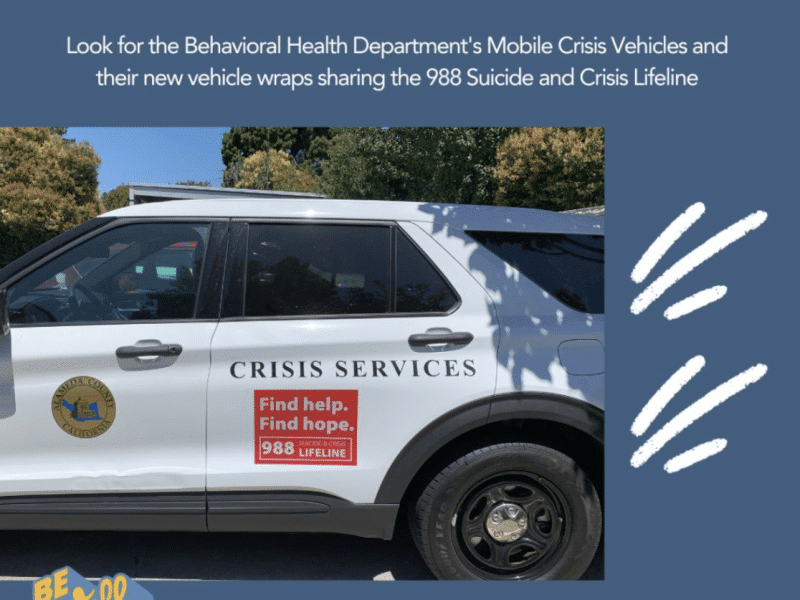
California counties say insurers are failing to cover mobile mental health crisis teams, leaving taxpayers with millions in unpaid bills.
