
Sober Living Gyms and Hangouts Aid Addiction Recovery
This month, we look at abuse of opioid settlement funds, another state investing in the Norway prison model and a trans woman’s story about surviving solitary confinement

Greetings, MindSite News readers.
In today’s Daily, a peek into sober spaces, which are a fast-growing set of communities helping people maintain recovery from addiction, and how ADHD presents differently in women and may affect their long-term health. Plus, Baltimore plans to use 911 for more than just emergencies.
But first, meet Abigail Seymour, 59, who knows how to make a dream come true. The former photographer enrolled in law school at age 47 and now leads her own family law practice with a focus on helping women. “I’m very proud to have created something that didn’t exist before,” she told People magazine. “People told me when I first went to law school, ‘You’re gonna have a hard time finding a job, the job market’s tight.’ There’s something satisfying in saying, ‘I found a job, and I created one for seven other people.’”
Sober spaces, the “third spaces” supporting addiction recovery
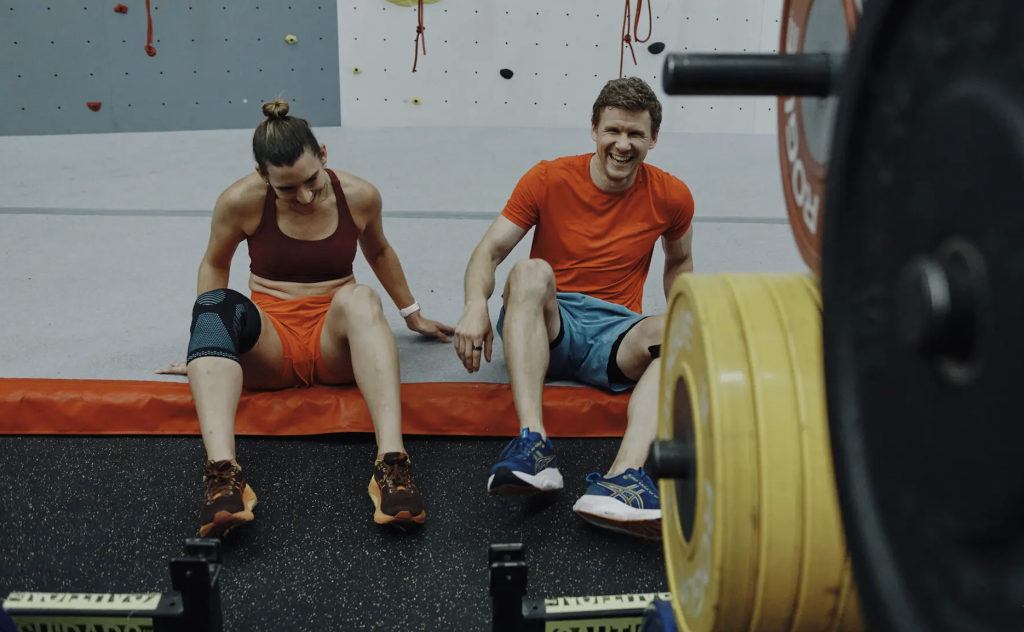
People seeking addiction treatment in the United States have long had just two options: clinical treatment or a 12-step program. That’s largely because these programs work, with millions achieving sobriety through such evidence-based support. But, like anything, both paths have limitations. Neither can magically make longtime associates struggling with addiction disappear, and in some cases, 12-step programs can feel “a little judgy,” says Kylie Corbitt, who tried both to overcome an addiction to methamphetamine. Upon completing a 30-day inpatient program, she realized that everyone she knew was still using, she told the New York Times. Alcoholics Anonymous didn’t provide the help she expected either. Besides feeling judged, she never found fellowship in a program that emphasized drawing strength from a higher power alongside total abstinence.
Now two years sober, Corbitt credits her ability to stay on track to the Phoenix, a no-cost rock climbing gym and recovery community where members have to be 48 hours sober before every visit and fitness and healthy routines are the foundation of her relationships. “We’re not sitting there talking about addiction all day,” Corbitt said. “We’re talking about getting healthy and getting better.”
Sober spaces like the Phoenix aren’t new, but they’re having what Dr. John Kelly, director of the Recovery Research Institute at Mass General Brigham, calls “a renaissance.” The Recovery Café Network, which offers free meals and coffee, grew from less than 2 dozen locations in 2020 to 92 by 2025. The Phoenix has seen similar exponential growth with member enrollments leaping from 20,000 to more than 433,000 over the same period.
Research on the long-term effectiveness of sober spaces remains limited, in part because they’re hard to study in a controlled way. But the model draws on a well-established idea that loneliness and familiar environmental cues can trigger relapse, while connection and belonging help sustain sobriety, says psychologist Keith Humphreys, co-director of the Stanford Network on Addiction Policy.
The Phoenix’s own data reports that 83% of its new members stay sober after three months, and a preliminary study led by Kelly at Mass General Brigham also shows promise. After following Phoenix members for six months and comparing them with nonmembers also in addiction recovery, Kelly found no difference in drinking behaviors, though Phoenix members reported fewer alcohol- and drug-related harms than non-members, including to their financial circumstances and personal relationships. They were also less likely to take unnecessary risks.
As is the case with rehab and 12-step programs, sober spaces have limitations. They are really best suited to those “not at the point where every single day is a struggle on a substance front,” Humphreys says. The spaces can’t handle detox, severe withdrawal or acute crises, and they rely entirely on a person’s own motivation to show up. He frames them as a complement to treatment and 12-step programs, rather than a replacement.
For Corbitt and her peers at the Phoenix though, the space is just right. Now, she even volunteers there, helping others heal. “To be in an environment where people were warm and welcoming and actually wanted to talk to me — and didn’t just want something from me — it made me feel like a person again.”
ADHD in women looks different — as do the long-term health risks
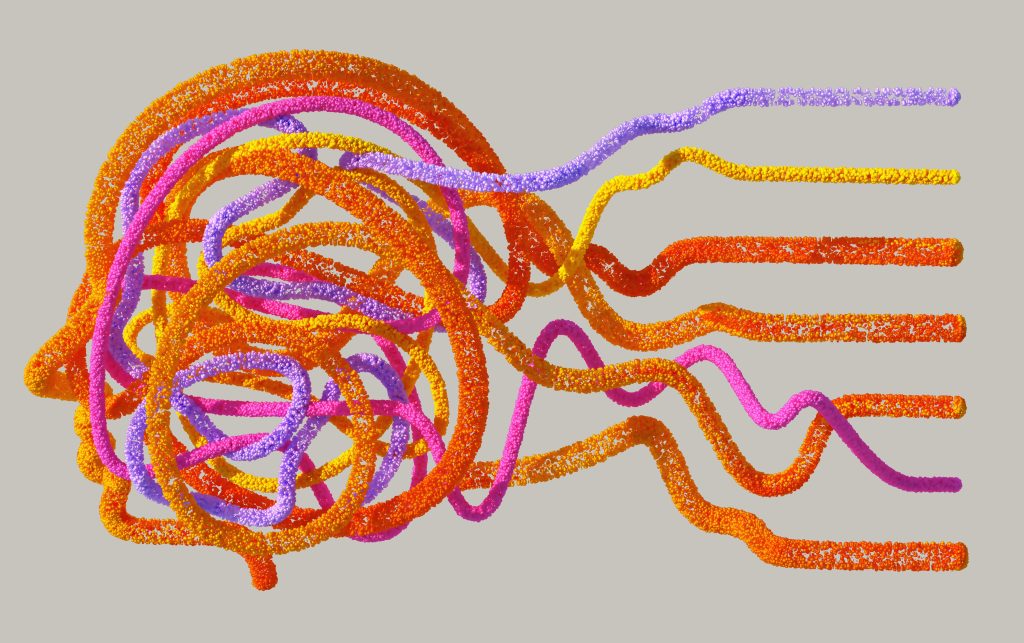
Late next month, I’ll be evaluated by a licensed professional for ADHD. I have no idea what I’ll do if I end up with a diagnosis, but I’m expecting one. As I consume more and more science journalism on the differences in ADHD presentation between men and women, especially women in or approaching perimenopause, I’m convinced much of it describes my own experience. And like Kate Jarvis, who spoke to NPR about the road to ADHD diagnosis in her late 30s, I’m hoping the diagnosis will lead me towards the help I need to be my best self.
Growing up, Jarvis was a superstar student — organized, creative and described by her mother as “bright-eyed and bushy tailed.” Then, puberty hit. Maintaining focus grew harder, so her grades slipped. As her performance waned, so did her self-esteem, and diagnoses of anxiety and depression soon followed. Already feeling out of place, the responses from the adults around her didn’t make things better. “Kate has so much potential,” they’d say, “if only she’d apply herself.” She felt fundamentally flawed until an ADHD diagnosis years later changed her perception.
Jarvis’s story is common, researchers say. Long seen as a childhood condition affecting mostly boys, girls were excluded from ADHD research. Now that science understands that girls get it too, studies show symptoms differ between genders. “(Girls are) more likely to appear distracted, disorganized, kind of have their head in the clouds rather than show that overt, hyperactive or impulsive behavior that can disrupt a classroom,” explains Julia Schechter, clinical psychologist and co-director of the Duke Center for Girls and Women with ADHD. Those quieter symptoms get missed, so girls are often diagnosed years later than boys, sometimes after being treated for anxiety or depression that were really downstream effects of unmanaged ADHD.
The costs of oversight are steep. Women with ADHD face higher rates of interpersonal struggles in relationships, intimate partner abuse, teen pregnancy, self-harm, eating disorders, obesity, type 2 diabetes and cardiovascular disease. Just last year, a study involving 30,000 adults with ADHD from the UK found that women with the condition die nearly nine years earlier than women without it. “It’s not just an excuse for ‘why I’m always late for work,'” says pediatrician Dr. Patricia Quinn. “It’s a significant problem in their lives.”
For many women, the breaking point arrives in midlife, when years of masking symptoms creates a collapse under new pressures — careers, kids, aging parents. Amy Reyer hit that wall at 48, amid perimenopause. Early research suggests that diminishing estrogen levels can worsen ADHD symptoms — and women with the disorder tend to enter perimenopause earlier and more severely. After diagnosis, medication helped her get back on track. “I remember just saying to myself, ‘Oh my God, this must be what normal feels like,'” Reyer said.
But medication isn’t the only option. Hormone therapy and lifestyle changes like regular exercise, eating nutritious foods and meditation all help, experts say, as does cognitive behavior therapy to reframe years of self-blame. Psychologist Ellen Littman works to shift women’s self-image from “‘I’m a broken loser and I’m useless’ to helping them see themselves through the lens of this neurological information,” she says. “It changes their self-esteem and their ability to be effective in their lives and more confident as a parent and a partner.”
For Jarvis, a combination of medication and therapy following diagnosis was life changing. After finally accepting herself, she says, “there is so much joy waiting on the other side.”
The name “MindSite News” is used with the express permission of Mindsight Institute, an educational organization offering online learning and in-person workshops in the field of mental health and wellbeing. MindSite News and Mindsight Institute are separate, unaffiliated entities that are aligned in making science accessible and promoting mental health globally.

Author

Related Articles
How to Survive Solitary Confinement
This month, we look at abuse of opioid settlement funds, another state investing in the Norway prison model and a trans woman’s story about surviving solitary confinement
Better Screening for Postpartum Psychosis Is Critical
An expert in perinatal psychiatry makes the case for changing the health system’s process of screening for postpartum psychosis.